Building a knife collection as a home chef can feel overwhelming with so many blade shapes, sizes, and price points on the market. You don’t need a full block of 20 knives to cook well—what you really need is a small set of well-chosen tools that handle 90% of your daily tasks. This guide walks you through the smartest way to assemble a knife set that suits your cooking style, your budget, and your counter space.
Whether you’re a beginner looking for your first chef’s knife or an experienced cook wanting to fill in gaps, the key is to start with versatility and add specialized blades only when you genuinely need them. We’ll cover the must-have knives, how to evaluate quality, and how to care for your collection so it lasts for years.
Start with the Core Three Knives
Every home chef’s knife collection should begin with three foundational blades: an 8-inch chef’s knife, a paring knife, and a serrated bread knife. The chef’s knife handles chopping, slicing, and dicing most vegetables and proteins. A paring knife gives you control for peeling, trimming, and detail work. The serrated knife is essential for bread, tomatoes, and other soft-skinned produce without crushing them.
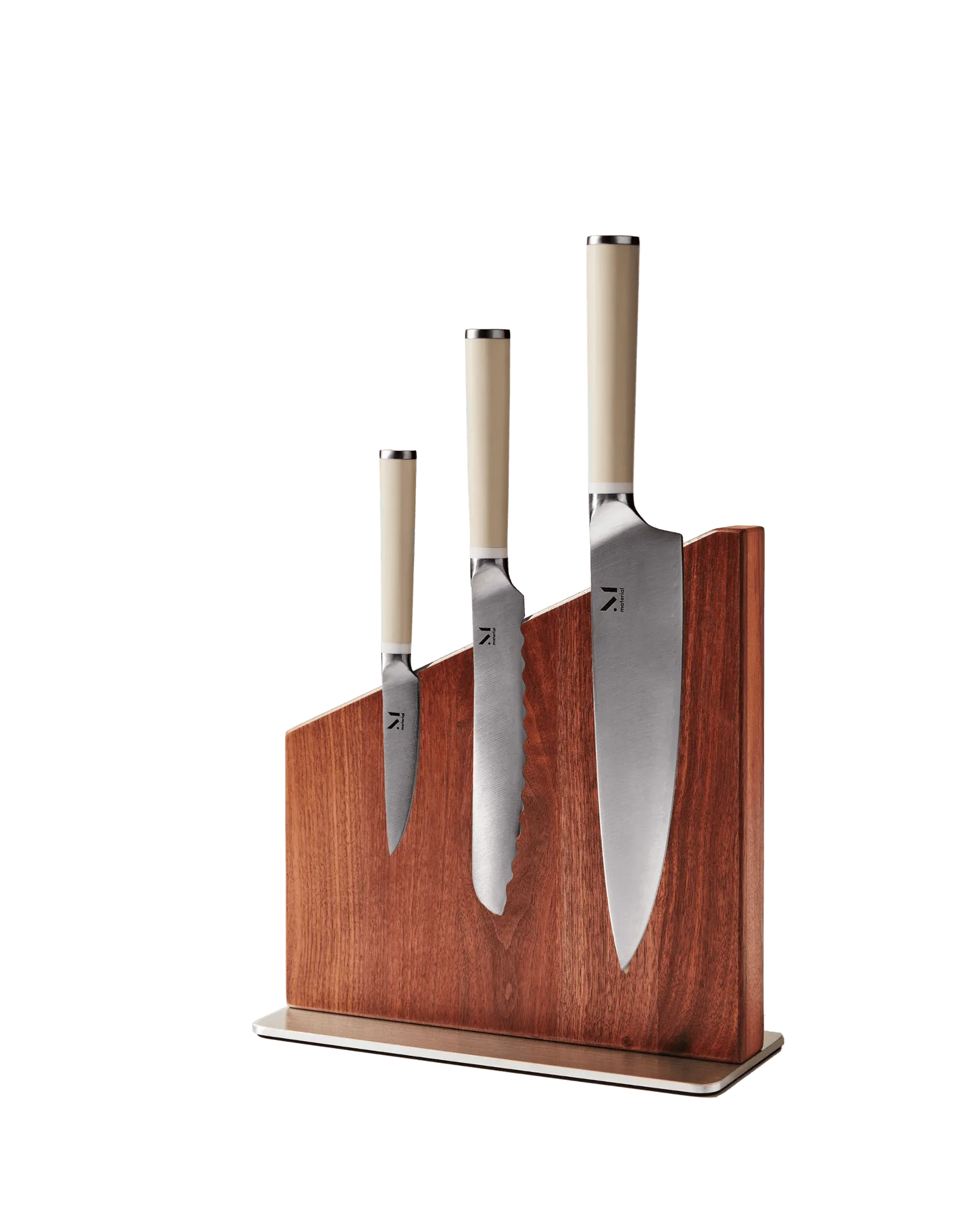
If you’re building a knife set from scratch, consider a trio that covers these bases. Products like The Trio of Knives offer a practical starting point with a chef’s knife, a serrated utility blade, and a paring knife—enough to handle almost any home kitchen task. Avoid the temptation to buy a large block set early; you’ll end up with knives you rarely use and spend money that could go toward higher-quality blades.
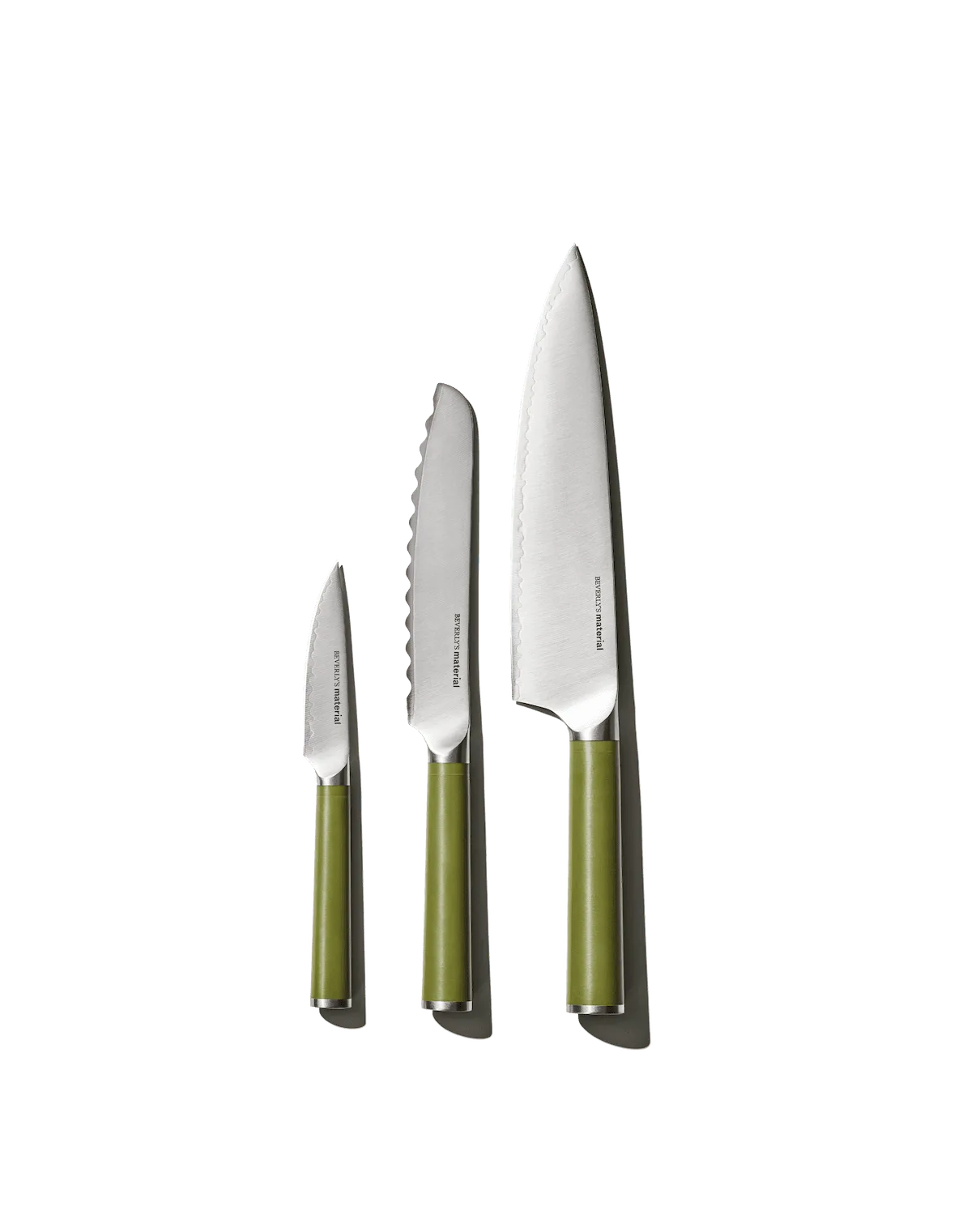
The Trio of Knives
- Chef’s knife: 8-inch blade is the most versatile length for home cooks.
- Paring knife: Look for a 3.5-inch blade for precise control.
- Serrated knife: A 6-inch blade works for most breads and tomatoes.
Add Specialized Knives Based on Your Cooking Habits
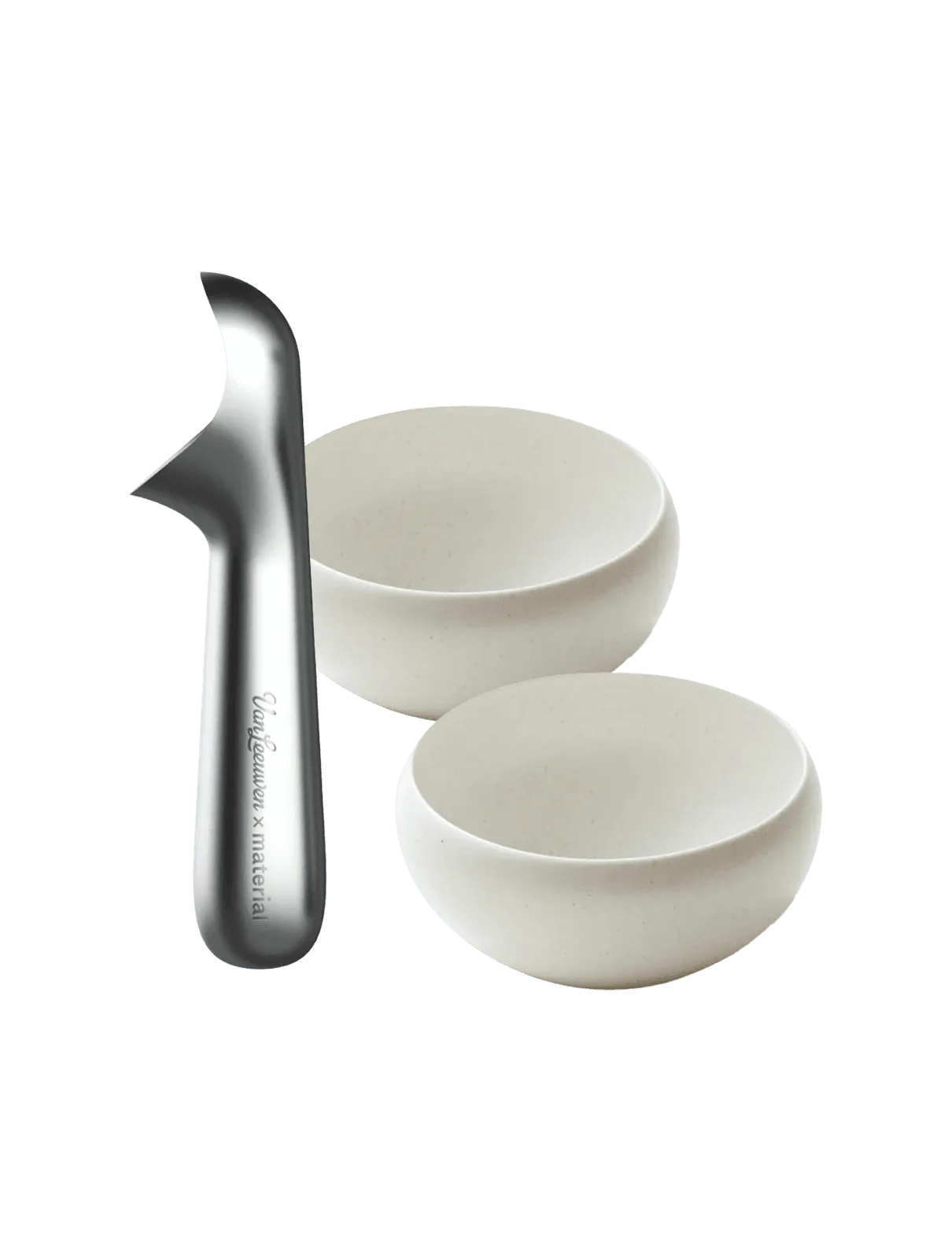
Once you have the core three, think about what you cook most often. If you frequently prepare tomatoes or other delicate produce, a tomato knife set essentials include a small serrated blade with a forked tip for easy lifting. If you work with large roasts or crusty bread, a longer serrated knife like The Serrated 6 Knife gives you cleaner cuts without tearing the crust.
For home chefs who process a lot of vegetables or herbs, a nakiri or santoku knife can be a smart addition. But don’t add a knife just because it looks good—let your actual prep routine guide your purchases. A boning knife only makes sense if you break down whole chickens regularly, and a carving knife is only useful if you roast large cuts of meat.
- Tomato knife: Small serrated blade with a forked tip for lifting slices.
- Boning knife: Flexible blade for deboning poultry and fish.
- Santoku: All-purpose blade with a flat edge for push-cutting vegetables.
Evaluate Blade Material and Construction
The two most common blade materials in home chef knives are stainless steel and high-carbon stainless steel. Stainless steel is easy to maintain and resists rust, while high-carbon steel holds a sharper edge longer but requires more care to prevent staining. For most home cooks, a good-quality stainless steel blade offers the best balance of performance and low maintenance.
Full tang construction—where the blade metal extends through the handle—provides better balance and durability. Look for knives with a comfortable, ergonomic handle that feels secure even when wet. Weight is also personal: heavier knives chop with more momentum, while lighter knives allow faster, more precise cuts. If possible, handle a knife before buying to see how it feels in your hand.
- Full tang: Blade extends through the handle for better balance.
- Handle material: Wood, plastic, or composite—choose for grip and comfort.
- Edge angle: Most Western knives have a 20-degree edge; Japanese knives often use 15 degrees for sharper cuts.
Don’t Forget Prepware and Storage
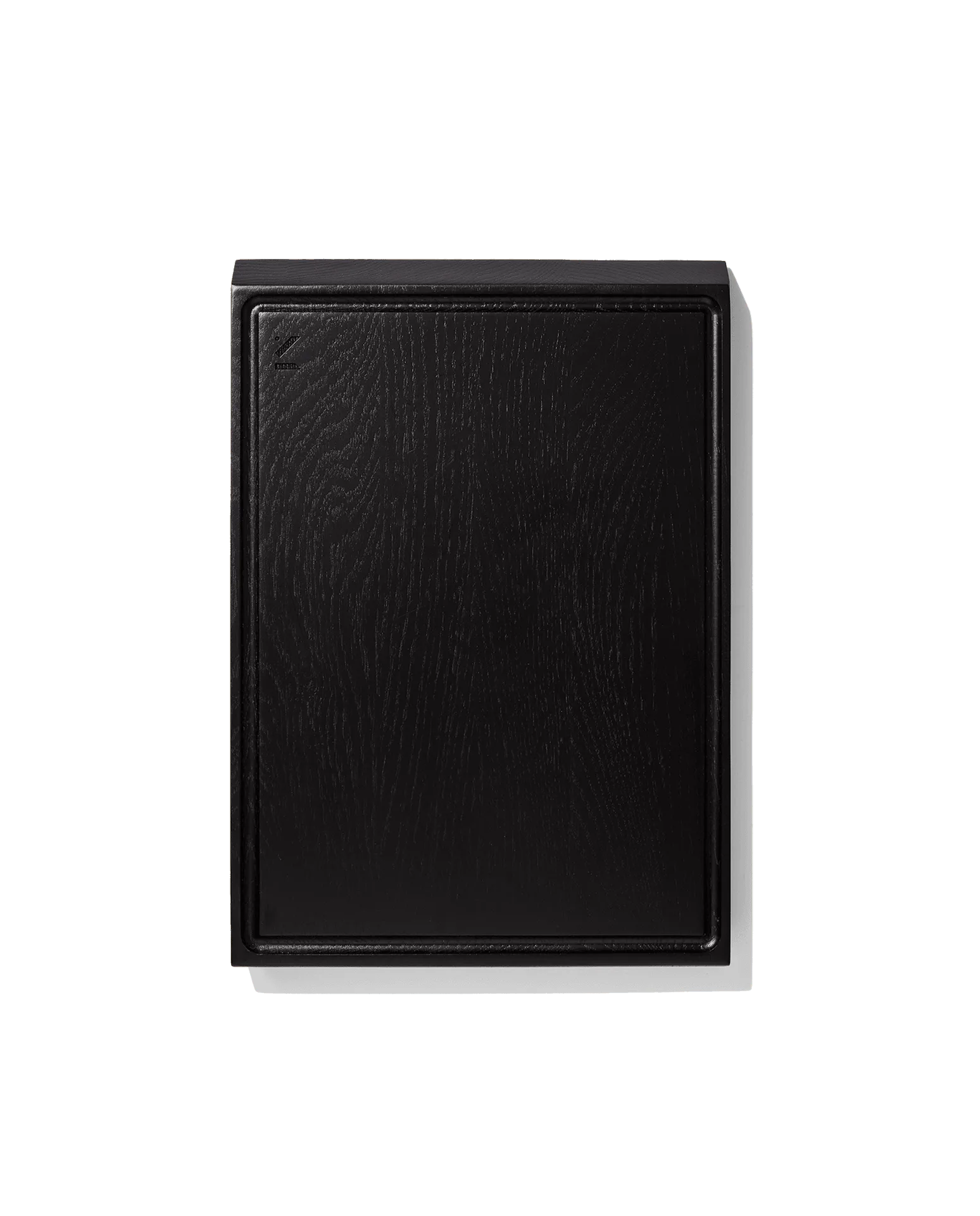
A knife collection is only as useful as the tools you pair it with. A good cutting board protects your blades and your countertops. Look for end-grain wood or high-quality plastic boards that are gentle on edges. Products like The MK Free Board provide a large, stable surface that won’t dull your knives quickly. Avoid glass or stone boards—they’ll wreck your edges fast.
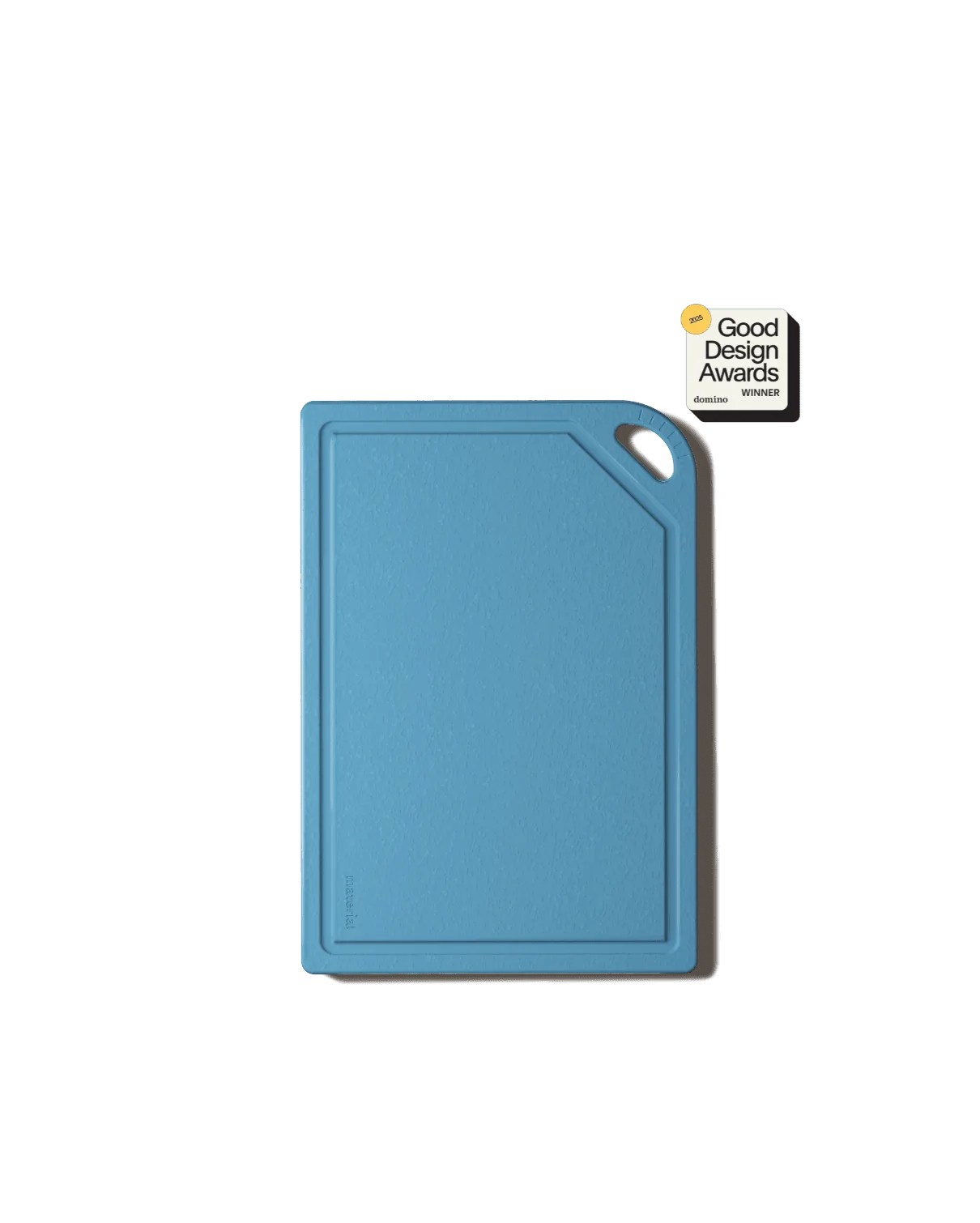
The MK Free Board
Storage is equally important. Loose knives in a drawer get damaged and can cause injury. A magnetic strip, knife block, or blade guards keep edges sharp and your hands safe. If you have limited counter space, a magnetic strip mounted on the wall is a clean, accessible solution. Also consider a knife roll if you travel with your tools or want to keep them organized in a drawer.
- Cutting board: End-grain wood or soft plastic is best for knife edges.
- Storage: Magnetic strips save counter space and protect blades.
- Blade guards: Great for storing individual knives in a drawer.
Maintain Your Knives for Long-Term Performance
Even the best knife collection will fail you if you neglect maintenance. Regular honing with a steel realigns the edge between sharpenings—do this every few uses. Sharpening with a whetstone or a professional service should happen every few months, depending on how often you cook. A dull knife is more dangerous than a sharp one because it requires more force and can slip.
Hand wash your knives with mild soap and dry them immediately. Dishwashers can damage handles and dull edges. Store them in a way that prevents blade contact with other metal. With proper care, a quality knife set can last a decade or more. Investing in a few good blades and maintaining them well will save you money and frustration in the long run.
- Hone weekly with a steel to maintain the edge.
- Sharpen with a whetstone every 3-6 months.
- Always hand wash and dry knives immediately.
Building a knife collection for home chefs doesn’t require a massive investment or a dozen blades. Start with a versatile chef’s knife, a paring knife, and a serrated knife, then add specialized tools only as your cooking demands. Pair your knives with a quality cutting board and proper storage, and commit to regular maintenance. With this approach, you’ll have a knife set that serves you well for years without clutter or wasted money.