Walking down the nut butter aisle can feel overwhelming. With rows of jars promising everything from protein boosts to clean ingredients, it’s easy to grab the first option that catches your eye. But if you’re looking for organic nut butters, the decision becomes even more important. Organic certification isn’t just a label — it reflects how the ingredients were grown, processed, and handled before they reached your kitchen.
This guide will walk you through the key factors to consider when buying organic nut and seed butters. Whether you’re a first-time buyer or a seasoned fan, understanding labels, textures, and ingredient lists will help you choose a spread that fits your lifestyle, taste, and health goals.
Why Choose Organic Nut and Seed Butters?
Organic nut butters are made from nuts and seeds grown without synthetic pesticides, herbicides, or genetically modified organisms (GMOs). For many shoppers, this means fewer chemical residues in their food and a more environmentally friendly farming process. Organic farming also supports soil health and biodiversity, which can lead to richer, more natural flavors.
When you choose organic, you’re also avoiding artificial preservatives, hydrogenated oils, and unnecessary additives that sometimes appear in conventional spreads. This makes organic options a cleaner choice for spreading on toast, blending into smoothies, or using in recipes. For families with young children or anyone with a sensitive digestive system, going organic can provide extra peace of mind.
- Look for certified organic seals on the jar — these guarantee strict farming and processing standards.
- Organic nut butters often have a shorter ingredient list, which means you get more of what you want: nuts or seeds.
Reading the Label: What to Look For
A quality organic nut butter should have a simple ingredient list. Ideally, it contains just the nut or seed and maybe a pinch of salt. Many premium brands also add a touch of organic oil (like coconut or palm oil) to prevent separation, but this is optional. Avoid jars with added sugars, hydrogenated fats, or artificial flavors — these can undermine the health benefits of going organic.
Texture is another important factor. If you prefer a creamy, spreadable consistency, look for smooth varieties. For those who enjoy a bit of crunch, chunky or crunchy options are widely available. For example, the Smooth Peanut Butter 470g offers a classic creamy texture that works perfectly for sandwiches and baking, while the Organic Smooth Peanut Butter 1kg is an excellent choice for bulk buyers who want a larger, family-friendly jar.
- Check the ingredient list: fewer ingredients usually mean a purer product.
- If you see "no stir" on the label, it likely contains a stabilizer — decide if that matters to you.
- For seed butter fans, look for options like tahini or sunflower seed butter that are also organic.
Texture and Taste: Finding Your Perfect Match
Organic nut butters come in a range of textures, from silky smooth to hearty and crunchy. Your choice often depends on how you plan to use the spread. Smooth butters are ideal for spreading thinly on toast, swirling into oatmeal, or blending into dressings and sauces. Crunchy varieties add a satisfying bite to snacks, rice cakes, or even yogurt bowls.
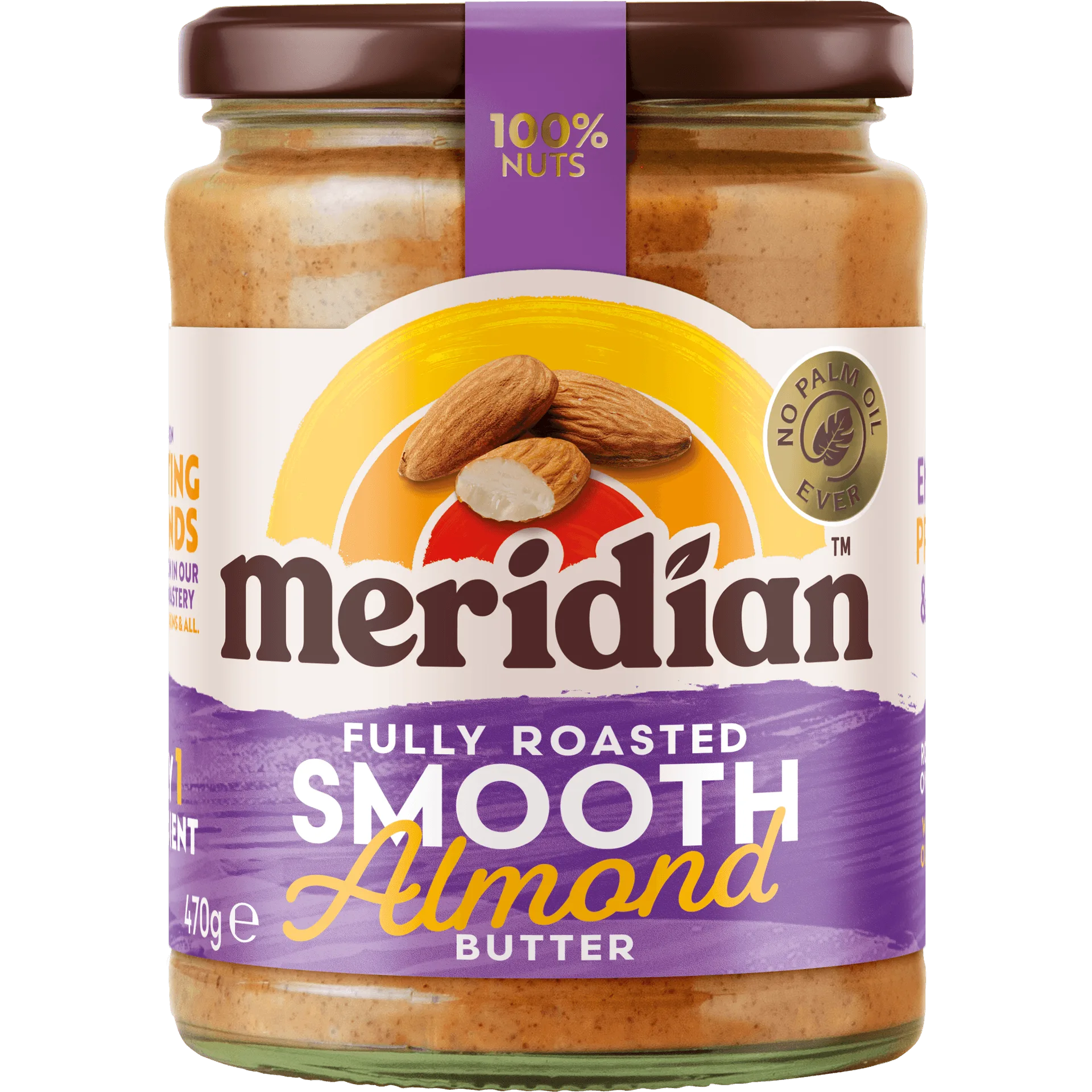
Taste can also vary depending on the nut or seed. Almond butter tends to have a milder, slightly sweet flavor, while peanut butter is richer and more robust. Seed butters like tahini offer an earthy, savory note that works well in hummus and marinades. If you enjoy variety, consider keeping two jars on hand — one smooth for everyday use and one specialty option for recipes. The Organic Smooth Almond Butter 470g is a great mid-size jar for daily spreading, while the Crunchy Almond Butter 170g is perfect for those who love a bit of texture in their snack.
- Smooth butters are more versatile for cooking and baking.
- Crunchy butters are great for adding texture to sandwiches and snacks.
- Seed butters like tahini are excellent for savory dishes and dressings.
Storage and Shelf Life: Keeping Your Butter Fresh
Organic nut and seed butters often have a shorter shelf life than conventional ones because they lack preservatives. Once opened, it’s best to store them in a cool, dark place. Refrigeration can extend freshness and prevent the natural oils from going rancid, especially in warmer climates. However, refrigeration may make the butter firmer and harder to spread, so let it sit at room temperature for a few minutes before use.
Oil separation is normal in natural nut butters — it’s a sign that no emulsifiers have been added. Simply stir the butter thoroughly before each use. If you find stirring inconvenient, look for brands that use a small amount of organic palm oil to keep the texture more stable. Always check the jar for a "best before" date and try to finish it within a few months of opening for the best flavor.
- Store opened jars in the fridge to prolong freshness.
- Stir well before each use to reincorporate separated oils.
- Avoid leaving the jar in direct sunlight or near a heat source.
How to Choose the Right Size and Type for Your Needs
Nut butters are available in various jar sizes, from small 170g containers to large 1kg tubs. If you’re new to a particular brand or flavor, starting with a smaller jar is a smart way to test it out. For families or heavy users, larger sizes offer better value and reduce packaging waste. The Organic Smooth Peanut Butter 1kg is an excellent option for those who go through peanut butter quickly, whether for meal prep, baking, or daily sandwiches.
Specialty butters, such as almond or seed butters, often come in smaller jars because they are used less frequently or in smaller quantities. If you’re experimenting with new flavors, a 170g jar is a good starting point. For everyday staples like peanut butter, a larger size makes sense. Consider your weekly consumption and storage space before deciding.
- Small jars (170g) are ideal for trying new flavors or occasional use.
- Medium jars (470g) are great for regular use without taking up too much pantry space.
- Large jars (1kg) offer the best value for heavy users and families.
Choosing the right organic nut or seed butter comes down to understanding your priorities — whether that’s clean ingredients, perfect texture, or the right jar size. By reading labels carefully and considering how you’ll use the spread, you can find a product that truly fits your kitchen. For a reliable everyday option, explore the Organic Smooth Peanut Butter 1kg — it’s a versatile, high-quality choice that delivers on both taste and value.