Your cutting board is the unsung hero of the kitchen. It takes the brunt of every chop, slice, and dice, protecting both your countertops and your knife blades. Yet many home cooks give little thought to the material their board is made from, grabbing whatever is on sale or looks nice. The truth is, the cutting board material you choose has a direct impact on knife edge retention, food safety, and even your prep efficiency.
In this guide, we break down the most common cutting board materials—wood, plastic, bamboo, and composite—and help you decide which one is best for your knives and cooking style. Whether you are a weekend meal prepper or a daily home chef, understanding the trade-offs will help you make an informed purchase that keeps your knives sharp and your kitchen running smoothly.
Why Cutting Board Material Matters for Your Knives
Every time you cut, your knife blade interacts with the surface beneath it. A hard, unforgiving surface will dull your edge quickly, while a softer, more forgiving material helps preserve sharpness. The ideal cutting board should be hard enough to resist deep gouging but soft enough not to chip or roll your blade's edge. This balance is what separates a good board from a great one.
Additionally, the material affects hygiene and maintenance. Some boards are naturally antimicrobial, while others require more diligent cleaning to prevent bacterial growth. Your choice also influences how the board wears over time—whether it develops deep knife scars that harbor bacteria or remains smooth and easy to sanitize.
- Knife edge retention: softer materials like wood are gentler on edges than hard materials like glass or stone.
- Hygiene: wood has natural antimicrobial properties, but plastic can be sanitized in a dishwasher.
- Durability: some boards can be sanded and refinished; others must be replaced once heavily scored.
Wood Cutting Boards: The Gold Standard for Knife Care
Wood cutting boards have been used for centuries, and for good reason. Hardwoods like maple, walnut, and acacia offer a surface that is firm enough for efficient cutting yet soft enough to protect your knife's edge. Wood also has natural antibacterial properties—studies have shown that bacteria die off more quickly on wood surfaces than on plastic. A well-maintained wood board can last for decades, especially if you occasionally sand and oil it.
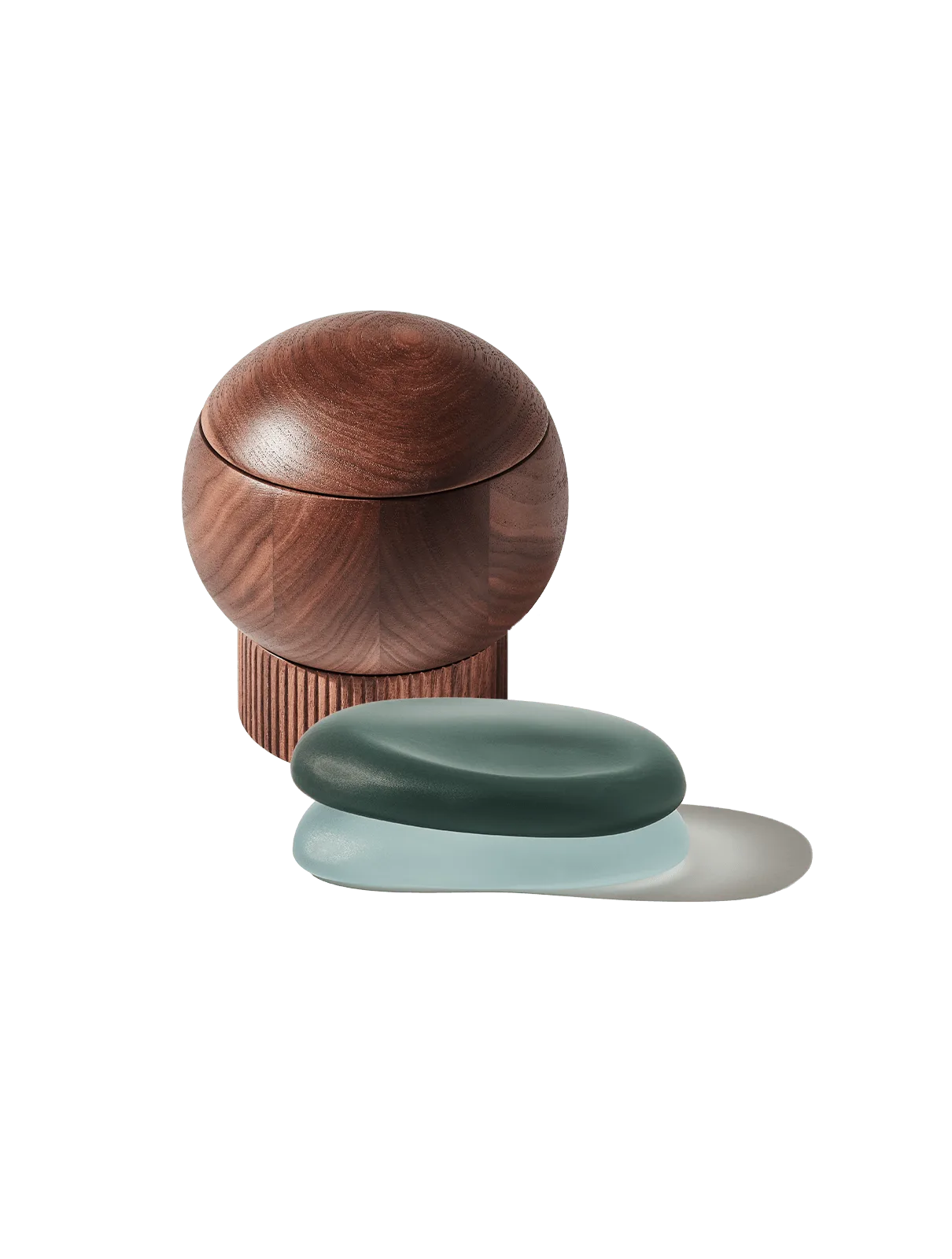
Acacia wood, in particular, is a popular choice because of its hardness, water resistance, and beautiful grain. It is denser than maple, making it highly durable while still being gentle on knives. If you are looking for a board that combines aesthetics with performance, acacia is an excellent option. For those who appreciate versatile prep tools, consider pairing a quality wood board with The Good Prep Set to streamline your mise en place.
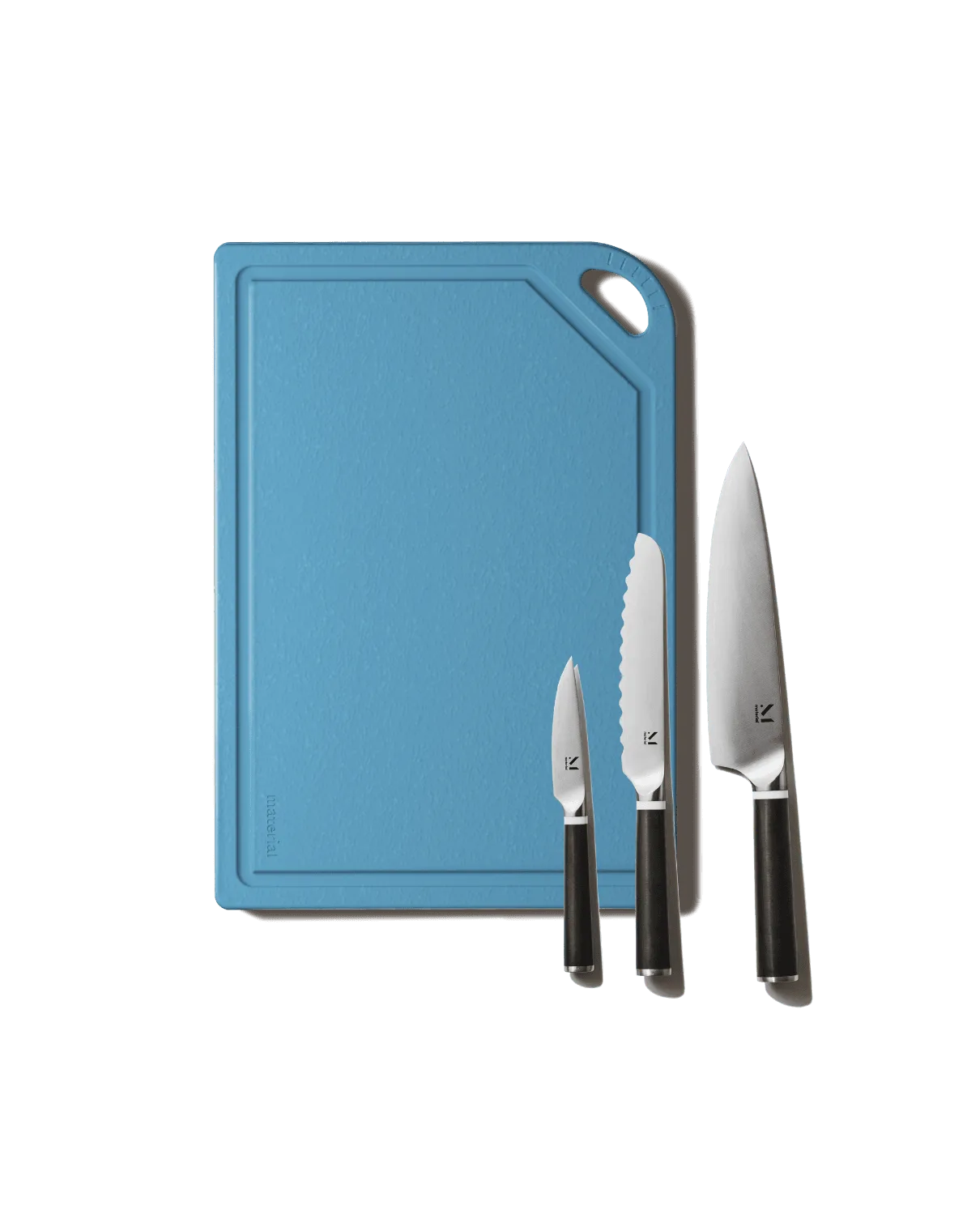
The Good Prep Set
- Best for: knife longevity, presentation, and long-term durability.
- Care: hand wash only, dry immediately, and oil monthly with food-grade mineral oil.
- Avoid: putting wood boards in the dishwasher or soaking them in water.
Plastic Cutting Boards: Affordable and Easy to Sanitize
Plastic cutting boards, typically made from polyethylene or polypropylene, are lightweight, inexpensive, and dishwasher-safe. They are a staple in many home kitchens and professional settings because they can be thoroughly sanitized with high heat. Plastic boards come in a variety of colors, which can help prevent cross-contamination—use one color for raw meat and another for vegetables.
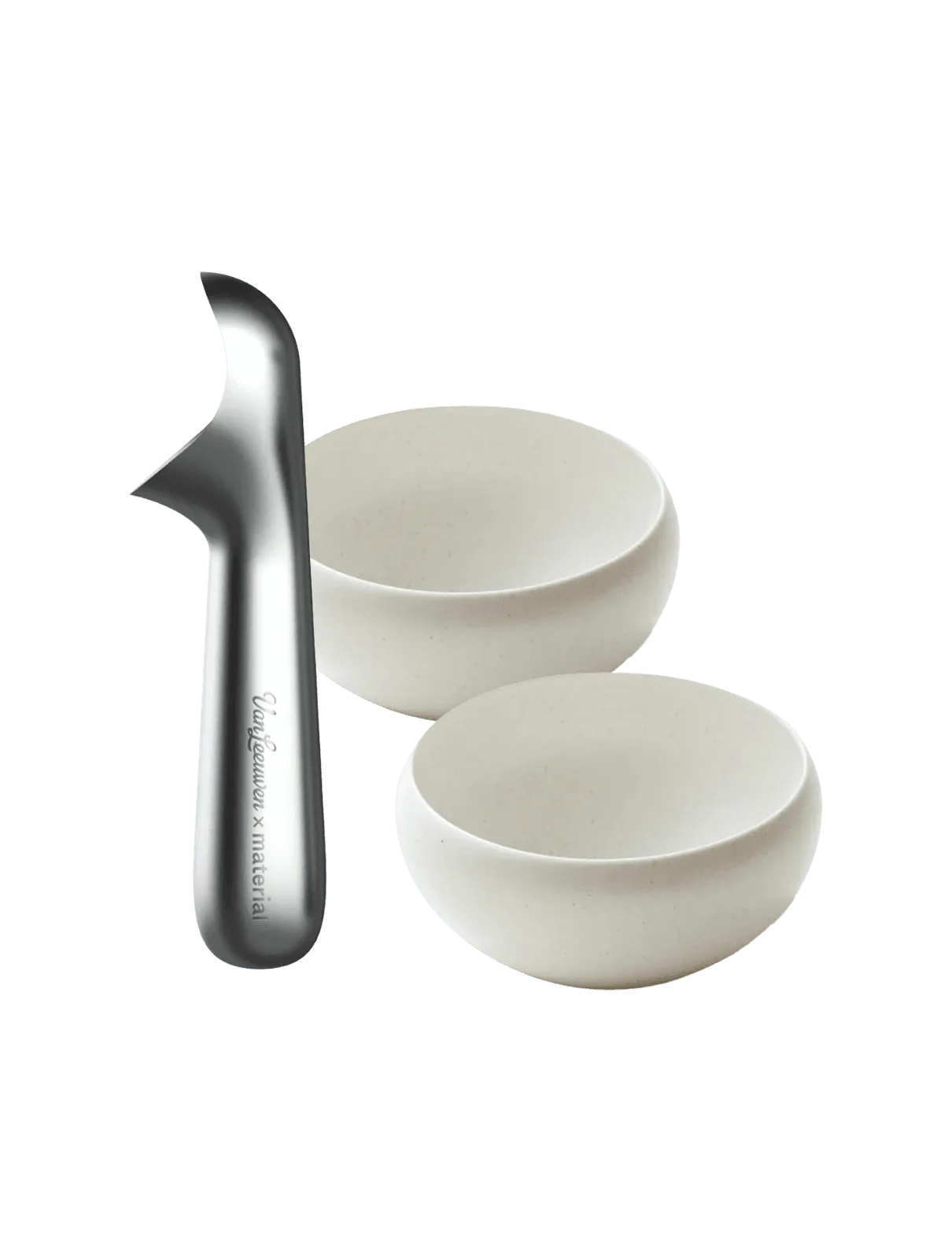
The main drawback is that plastic boards develop deep knife grooves over time, which can become breeding grounds for bacteria even after washing. They also dull knives faster than wood because the plastic is harder on the edge. For everyday use, a thick, high-density plastic board is better than a thin, flimsy one. If you prefer a more elegant and durable solution, consider upgrading to The Goun Plate, which doubles as a serving piece and protects your knives with a smooth ceramic surface.
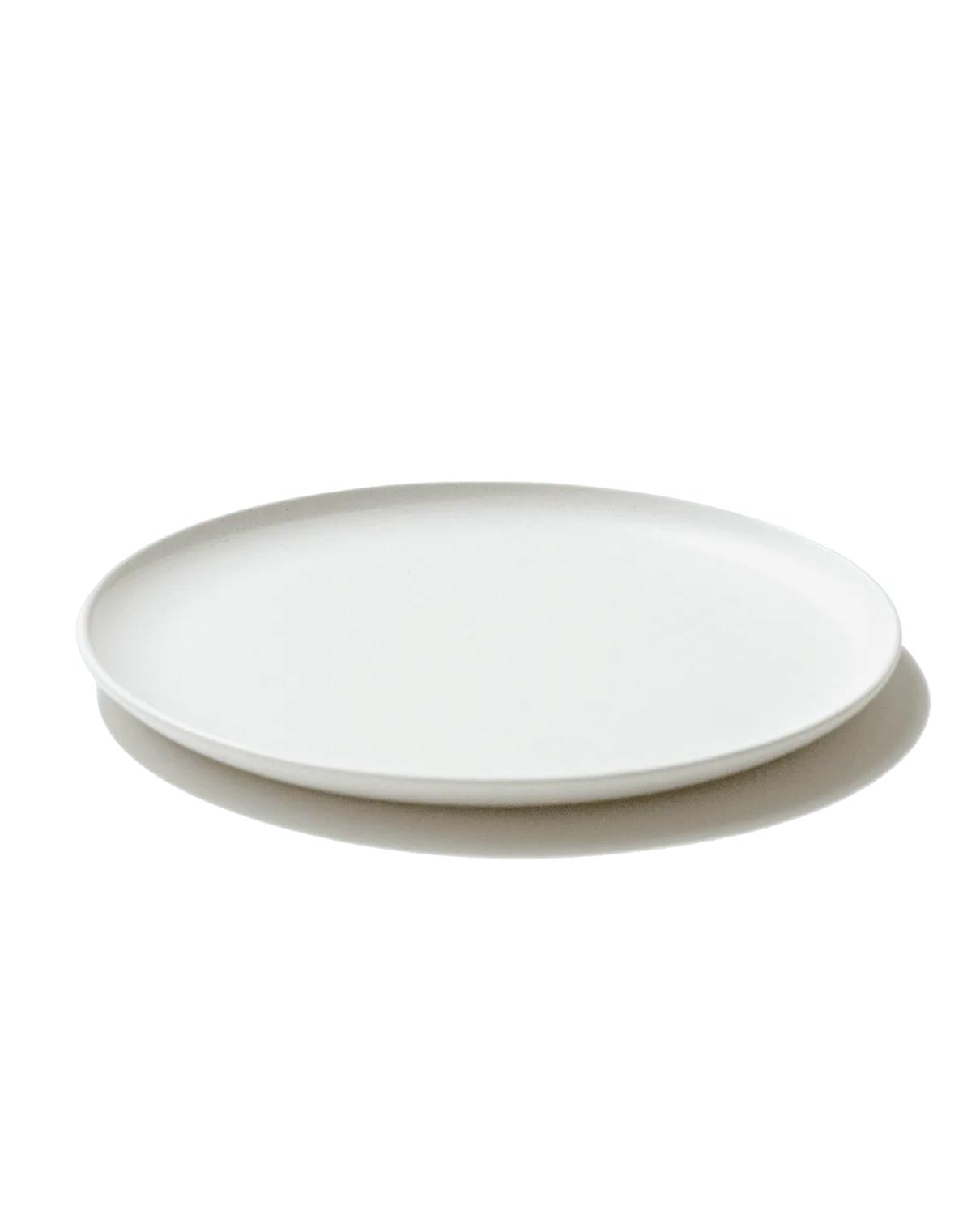
The Goun Plate
- Best for: high-turnover kitchens, raw meat prep, and easy cleaning.
- Care: dishwasher-safe, but replace once deep grooves appear.
- Tip: use separate boards for meat and produce to avoid cross-contamination.
Bamboo Cutting Boards: Eco-Friendly but Tough on Edges
Bamboo is often marketed as a sustainable alternative to wood, and it is indeed a fast-growing grass that requires fewer resources to harvest. Bamboo boards are harder than most hardwoods, which makes them resistant to knife scarring and water damage. They are also lightweight and affordable, making them a popular choice for budget-conscious cooks.
However, bamboo's hardness is also its biggest weakness for knife care. Because it is so dense, bamboo can dull knife edges more quickly than traditional wood. Some bamboo boards are made from strips glued together with formaldehyde-based adhesives, which can be a concern for some users. If you choose bamboo, look for a board made with food-safe glue and be prepared to sharpen your knives more frequently.
- Best for: eco-conscious shoppers who prioritize sustainability over knife protection.
- Care: hand wash and oil occasionally, but avoid prolonged soaking.
- Note: bamboo is harder than maple or acacia, so it is less forgiving on knife edges.
Composite and Glass Boards: What to Avoid for Knife Health
Composite cutting boards, made from materials like resin or paper composite (e.g., Richlite), offer a non-porous, knife-friendly surface that is very durable. They are often used in commercial kitchens because they resist warping, staining, and bacterial growth. However, they can be expensive and heavy. Glass, marble, and stone boards look beautiful but are the worst choice for your knives—they will dull your blade almost instantly and can also damage the board itself.
For most home cooks, a high-quality wood board remains the best all-around choice. If you want to elevate your kitchen prep experience, consider adding The Stand to keep your board elevated and your workspace organized. A well-chosen board combined with proper care will keep your knives performing at their best for years to come.
- Composite boards: excellent durability and hygiene, but higher cost.
- Glass/stone boards: avoid for knife use; they are best as serving platters or cheese boards.
- Tip: always choose a board that is at least 1.5 inches thick for stability.
Choosing the right cutting board material is one of the simplest ways to extend the life of your knives and improve your daily cooking experience. Wood, especially acacia or maple, offers the best balance of knife protection, durability, and aesthetics. Plastic is practical for heavy-duty use and easy sanitation, while bamboo is an eco-friendly option with some trade-offs. Whatever you choose, pair your board with quality tools and accessories. Explore The Good Prep Set to complete your kitchen prep station and make every meal a joy to prepare.