A serve platter is more than just a dish—it's the stage for your culinary creations. Whether you're hosting a dinner party or serving a weeknight meal, the right platter can elevate the presentation and make serving easier. But with so many options in size, material, and shape, how do you choose? This guide will walk you through everything you need to know to pick the perfect serve platter for your lifestyle.
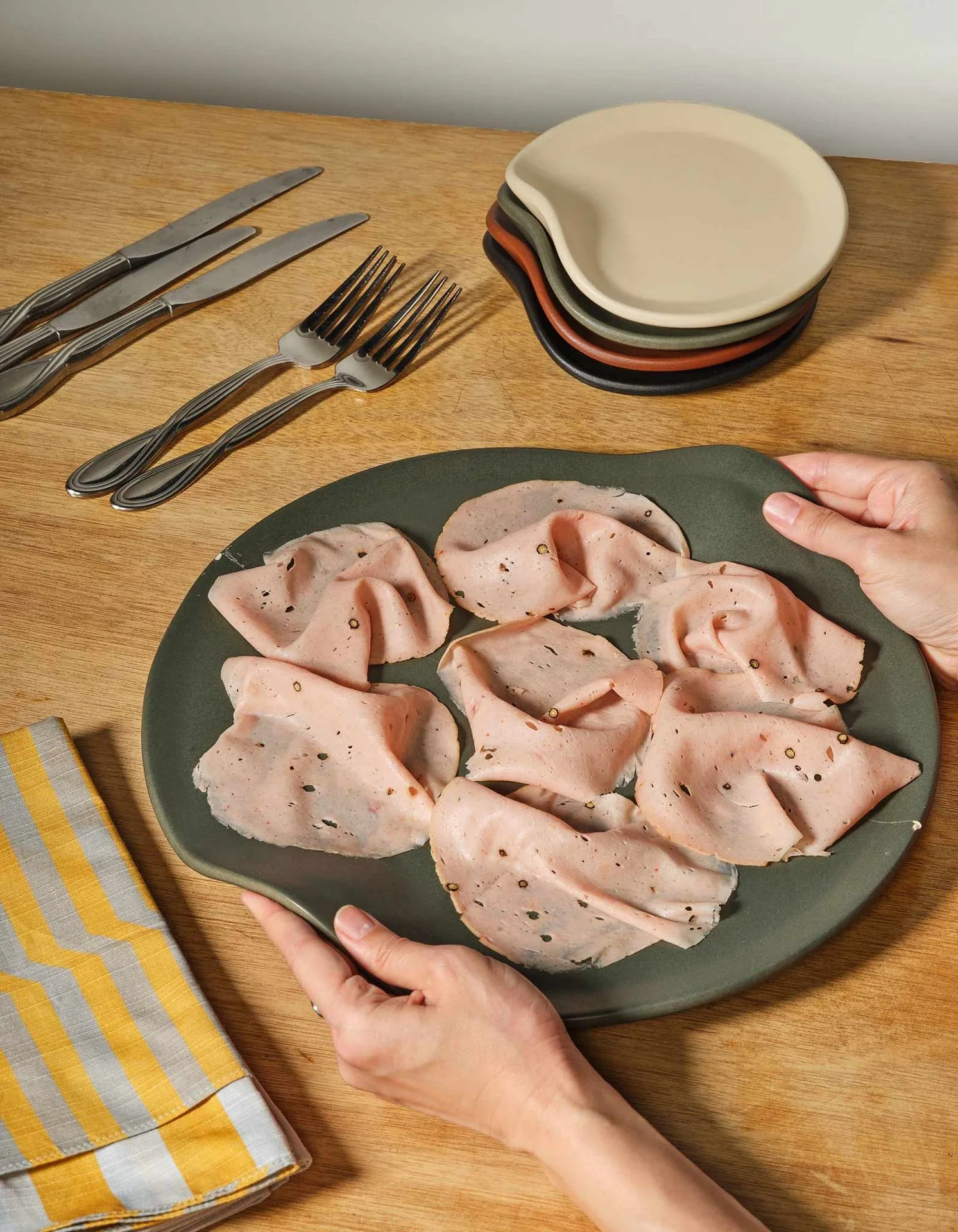
serve platter
From casual family dinners to formal gatherings, we'll cover the key factors: size, material, shape, and style. We'll also touch on how to coordinate your platter with your existing dinnerware and napkins for a cohesive table setting. By the end, you'll feel confident selecting a platter that's both functional and beautiful.
Consider the Occasion: Entertaining vs. Everyday Use
The first step in choosing a serve platter is to think about how you'll use it most often. For everyday meals, you'll want a platter that's durable, easy to clean, and not too large for a family-sized meal. A medium-sized ceramic or stoneware platter works well for roasted vegetables, grilled chicken, or a simple cheese board. It should be lightweight enough to handle with one hand while serving.
For entertaining, you can go bigger and bolder. Large platters (14 inches or more) are ideal for party platters, charcuterie boards, or whole roasted fish. Consider a platter with a rim or lip to catch juices, and think about how it will look on a buffet table alongside other dishes. If you entertain frequently, investing in a few versatile platters in neutral tones will serve you well.
- For everyday, choose a platter around 10–12 inches that fits in your dishwasher.
- For parties, opt for a larger platter (14–16 inches) with a slight rim to prevent spills.
Size Matters: Finding the Right Dimensions
Platter size is crucial for both functionality and presentation. A platter that's too small will crowd your food, while one that's too large may look sparse. Start by measuring the space in your refrigerator and cabinets to ensure the platter will fit. For a standard dinner table, a 12-inch platter is a versatile choice that can hold a main course for 4–6 people.
If you're serving a large roast or multiple items, consider a rectangular or oval platter that maximizes surface area. For appetizers or desserts, a smaller round or square platter (8–10 inches) is often more appropriate. Remember that platters with handles are easier to carry, especially when loaded with food.
- Measure your oven and fridge to ensure the platter fits for heating or storing leftovers.
- For a cheese board, choose a platter at least 12 inches to accommodate multiple cheeses and accompaniments.
Material Choices: Ceramic, Wood, Stoneware, and More
The material of your serve platter affects its weight, durability, and heat retention. Ceramic and stoneware are popular choices for their classic look and even heat distribution. They are oven-safe (check the manufacturer's guidelines) and come in a range of glazes. For example, a ceramic platter like the Dinner Plate Single can double as a serving piece for individual portions.
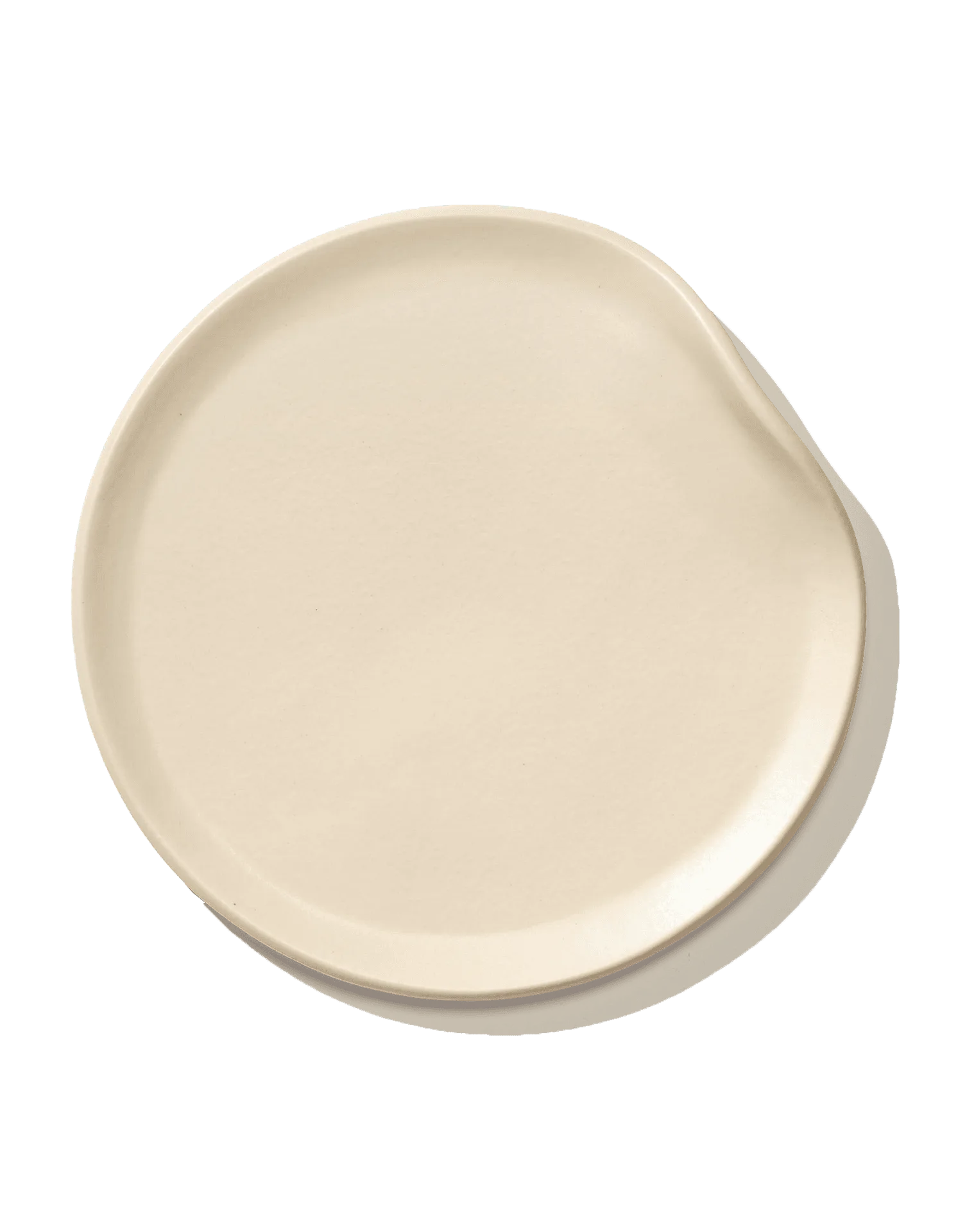
Dinner Plate Single
Wooden platters, such as acacia or olive wood, are excellent for bread, cheese, and cold appetizers. They add warmth to the table but require hand-washing and occasional oiling. Bamboo is a more affordable and lightweight alternative. For hot foods, avoid wood as it can crack or absorb odors. Porcelain is another elegant option, often more chip-resistant than earthenware.
- Ceramic and stoneware are oven-safe and dishwasher-safe, making them great for everyday use.
- Wood platters need gentle care but offer a rustic, natural aesthetic for cold dishes.
Shape and Style: Round, Oval, Rectangular, or Square
The shape of your platter influences how food is arranged and how it fits on the table. Oval platters are classic for roasts and fish, as they mimic the shape of the food. Rectangular platters are modern and efficient for lining up items like sushi or sandwiches. Round platters work well for sharing dishes like pasta or salads, and they often feel more casual.
Square platters are trendy and can create a striking presentation, but they may be harder to store. Consider your existing dinnerware: if you have round plates, a round or oval platter will complement them. For a more eclectic look, mix shapes. Also, think about the platter's rim—a wide rim provides a border for garnishes, while a rimless platter offers a sleek, minimalist look.
- Oval platters are the most traditional and versatile for main courses.
- Round platters are great for communal dishes and fit well on round tables.
Coordinating with Your Table Setting
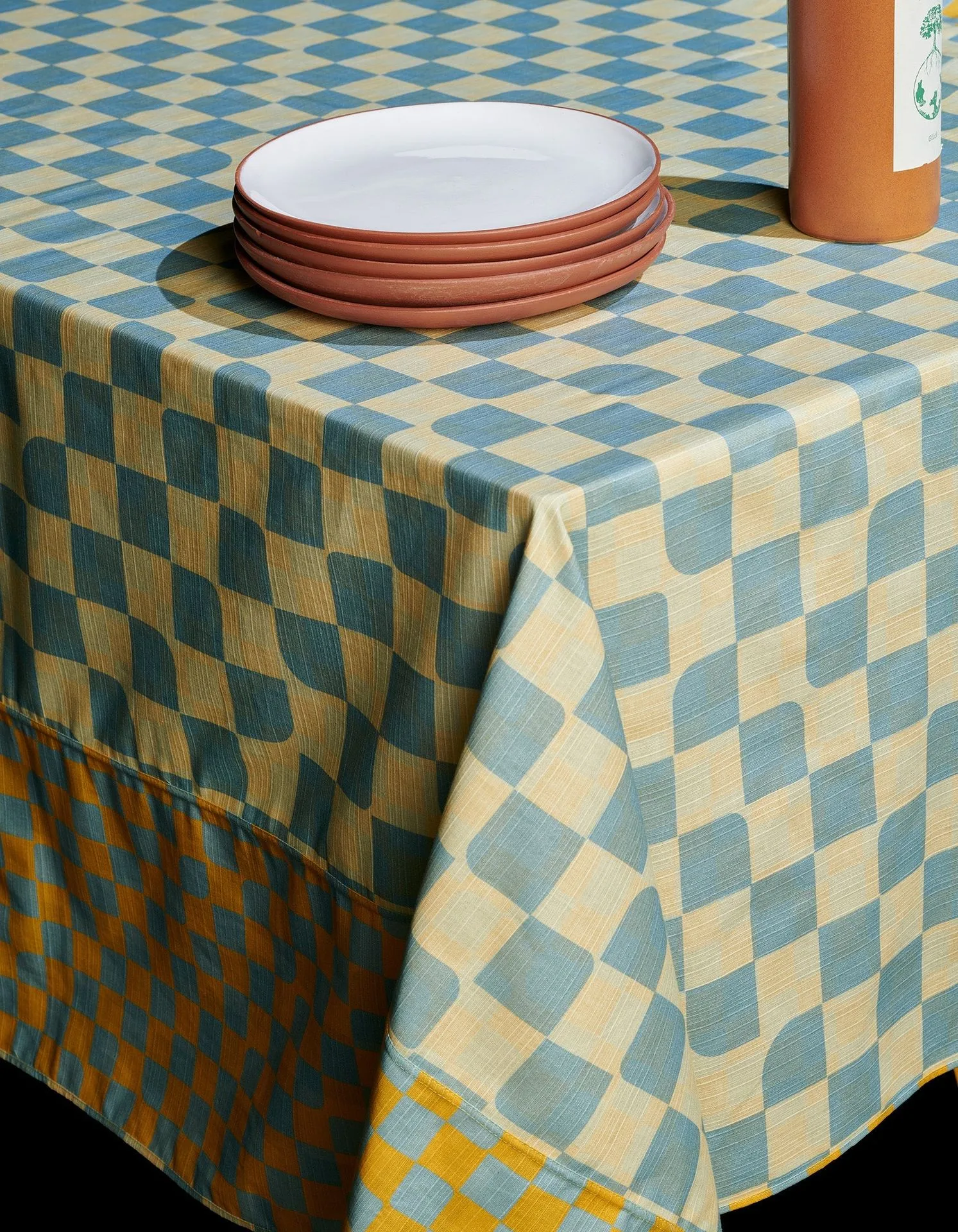
Your serve platter should complement your dinnerware and linens for a cohesive table. If you have neutral dinner plates, a colorful or patterned platter can add a pop of interest. For example, pairing a solid white platter with the Dinner Napkins Double Sided Grid - High Season creates a balanced look. Alternatively, a patterned platter can be the centerpiece, with simple napkins and flatware to let it shine.
Consider the color palette of your dining room and the season. Earthy tones like terracotta and olive work year-round, while bright colors suit summer gatherings. Don't forget about texture: a matte ceramic platter pairs nicely with glossy dinnerware. If you're serving a variety of dishes, choose platters that share a common element, like a similar rim shape or glaze finish.
- For a formal dinner, match your platter's finish to your dinnerware—glossy with glossy, matte with matte.
- Use contrasting colors to make the food stand out, such as a dark platter for light-colored dishes.
Practical Features: Handles, Rims, and Weight
When choosing a serve platter, think about how you'll carry and serve it. Handles make a big difference, especially for large or heavy platters. Look for platters with built-in handles or wide edges that are easy to grip. A platter with a slight rim or lip prevents juices from dripping onto the table, which is essential for serving meats or saucy dishes.
Weight is another consideration. Heavier platters feel more substantial but can be tiring to hold during a party. Lighter platters are easier to maneuver but may feel less durable. If you have limited storage, consider a platter that nests with others or has a shape that stacks neatly. Always check if the platter is microwave and dishwasher safe for convenience.
- Test the platter's weight in the store—if it feels too heavy empty, it will be harder to manage when full.
- A platter with a rolled rim is often stronger and less likely to chip.
Versatility: Multi-Purpose Platters for Every Meal
The best serve platters are those that can transition from oven to table to fridge. Look for platters that are oven-safe up to at least 350°F so you can bake and serve in the same dish. Stoneware and ceramic are excellent for this. Some platters can also go under the broiler for a few minutes to melt cheese or brown toppings.
A large, shallow platter can double as a baking sheet for sheet-pan dinners or as a tray for rolling out dough. The Bread Plate Set of 4 can be used for individual servings or as a base for small appetizers. Think about how a platter can serve multiple purposes—like holding fruit on the counter when not in use—to get the most value from your purchase.
- Choose a platter that can go from oven to table to save on cleanup.
- A platter with a tight-fitting lid or wrap can be used for marinating or storing leftovers.
Choosing the perfect serve platter comes down to balancing your needs for size, material, shape, and style. Whether you're hosting a grand party or enjoying a quiet dinner at home, the right platter makes serving effortless and beautiful. Start with a versatile, medium-sized ceramic or stoneware platter, then expand your collection with specialty pieces for entertaining. Remember to coordinate with your dinnerware and linens for a polished table. With these tips, you'll find a platter that you'll love using for years to come.