Choosing the right leash is one of the most important decisions you'll make as a dog owner. The material of your leash affects not only your dog's comfort and safety but also your own handling experience. With options ranging from durable nylon to classic leather and braided rope, it can be overwhelming to decide which is best for your pup.
In this guide, we'll break down the three most popular dog leash materials — nylon, leather, and rope — comparing their durability, comfort, weather resistance, and maintenance. Whether you have a small breed that loves to pull or a calm senior who enjoys leisurely strolls, understanding these materials will help you make an informed choice.
Nylon Leashes: Lightweight and Versatile
Nylon leashes are the most common type on the market, and for good reason. They are lightweight, affordable, and come in a vast array of colors and patterns. Nylon is a synthetic material that resists mold and mildew, making it a great choice for rainy climates or dogs that love to splash through puddles. Many nylon leashes also feature reflective stitching for added visibility during evening walks.
However, nylon can be rough on your hands if your dog pulls, especially with flat webbing styles that can cause friction burns. Look for nylon leashes with padded handles or a soft grip to improve handling. Nylon is also prone to fraying over time if chewed or dragged across rough surfaces, so inspect your leash regularly for wear.
- Best for: everyday walks, rainy weather, budget-conscious owners
- Tip: Choose a leash with a swivel clip to prevent tangling
Leather Leashes: Timeless Durability and Comfort
Leather leashes are the classic choice for dog owners who value longevity and a traditional look. High-quality leather is incredibly strong and, with proper care, can last for years. Leather softens and molds to your hand over time, providing a comfortable grip that reduces the risk of chafing. It also has a natural weight that gives you better control over larger or stronger dogs.
The main downside of leather is its sensitivity to water. Wet leather can become stiff, crack, or develop mold if not dried properly. Leather leashes also require occasional conditioning to maintain their suppleness. They tend to be more expensive than nylon, but many owners find the investment worthwhile for the unmatched feel and durability.
- Best for: strong pullers, owners who want a premium feel, formal outings
- Tip: Apply leather conditioner every few months to extend the leash's life
Rope Leashes: Strong and Comfortable for Pullers
Rope leashes, often made from braided nylon or cotton, offer a unique balance of strength and comfort. The rounded shape of a rope leash distributes pressure evenly across your hand, reducing the strain caused by flat webbing. This makes rope leashes a favorite among owners of strong, energetic dogs who tend to pull. Many rope leashes are also machine washable, which is a huge plus for messy adventures.
On the downside, rope leashes can be bulkier and heavier than nylon flat leashes. They may also absorb water and become heavier when wet, and some dogs may chew through the braids if left unattended. Look for rope leashes with a sturdy metal clasp and reinforced stitching at the attachment points.
- Best for: hiking, strong pullers, owners who want a comfortable grip
- Tip: Opt for a rope leash with a reflective core for added safety at night
How to Choose the Best Leash Material for Your Dog
When selecting a leash material, consider your dog's size, strength, and walking habits. For a small or medium dog that walks calmly, a lightweight nylon leash is often sufficient. For a large, powerful dog that tends to lunge, a leather leash provides superior control and comfort. If you hike or run with your dog, a rope leash offers a secure grip and durability against the elements.
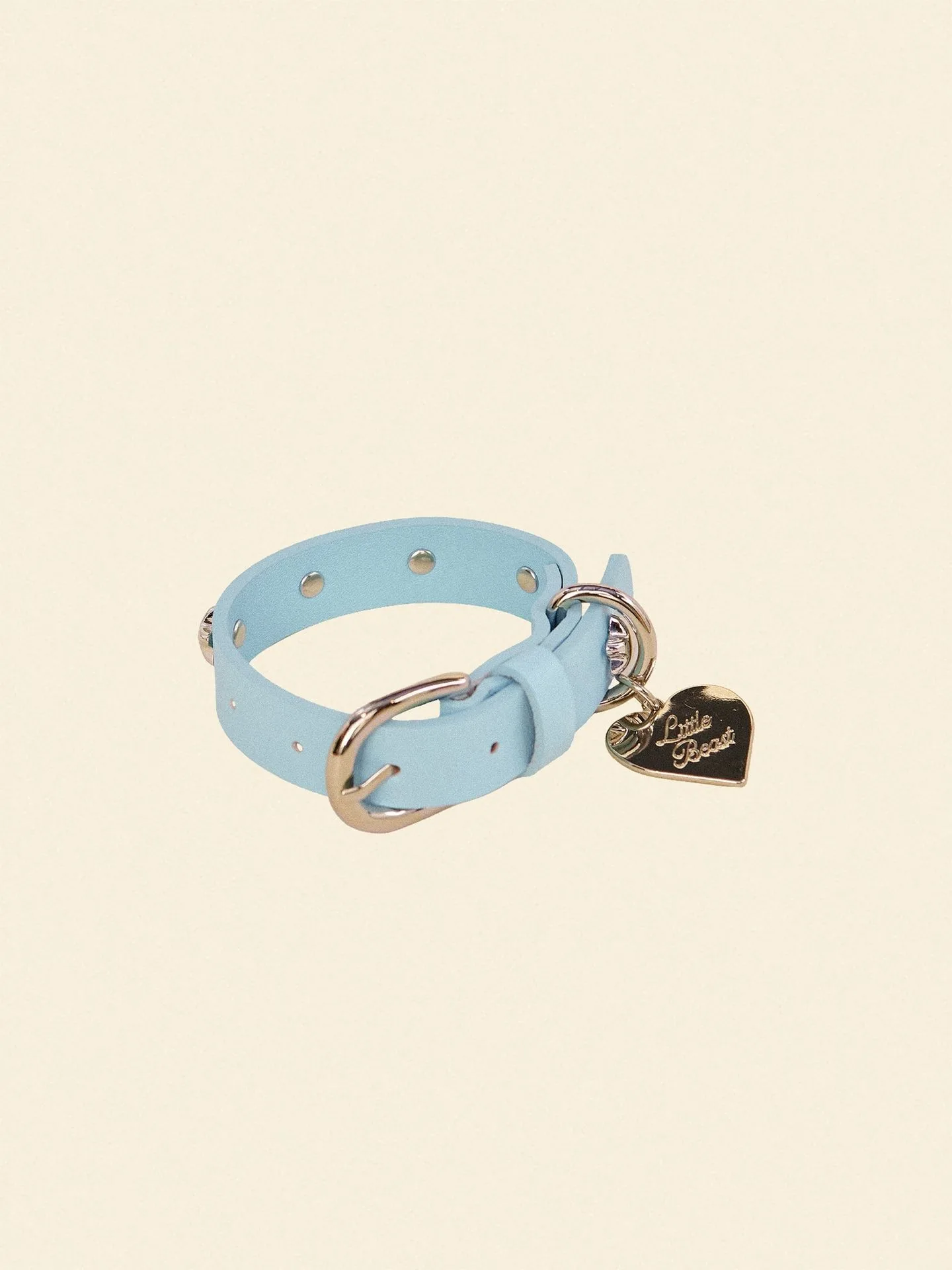
Also think about your local climate. If you live in a rainy area, nylon or waterproof rope leashes are more practical than leather. If you prioritize style and are willing to perform occasional maintenance, leather can elevate your daily walks. Remember to pair your leash with a well-fitted collar or harness — check out our collection of collars and leashes for coordinating options.
- Consider your dog's pulling strength and your hand comfort
- Match the leash material to your typical walking environment
- Inspect your leash regularly for signs of wear, especially near the clip
Ultimately, the best dog leash material depends on your unique needs and your dog's personality. Whether you choose the versatility of nylon, the timeless craftsmanship of leather, or the rugged comfort of rope, investing in a quality leash makes every walk safer and more enjoyable. Explore our selection of durable, stylish leashes to find the perfect match for your adventure buddy.