Getting a metal splinter in your eye is a common yet distressing injury, especially for those who work with metal, grind, or weld. While some particles can be flushed out with water, others may become embedded and require careful removal. An eye magnet is a specialized tool designed to safely extract ferrous metal particles from the eye's surface. This guide will walk you through the proper use of an eye magnet, essential safety precautions, and when to seek professional medical help.
Whether you're a DIY enthusiast, a professional metalworker, or a first responder, understanding how to use an eye magnet correctly can prevent further injury and save your vision. We'll cover everything from preparation to aftercare, ensuring you're equipped with the knowledge to handle this delicate situation effectively.
What Is an Eye Magnet and How Does It Work?
An eye magnet is a small, pen-like device with a magnetized tip designed specifically for removing ferrous metal particles from the eye. It works by attracting and holding the metal particle, allowing for gentle extraction without scratching the cornea. Unlike regular magnets, eye magnets are engineered to have a controlled magnetic field that minimizes the risk of pulling the particle deeper into the eye tissue.
These tools are commonly used in industrial settings, first aid kits, and by medical professionals. They are particularly useful for removing small metal shavings that can become embedded in the eye's surface after grinding, drilling, or cutting metal. The design often includes a smooth, rounded tip to prevent accidental injury during use.
- Always ensure the magnet tip is clean and sterile before use.
- Do not use an eye magnet if the particle is not visibly on the surface of the eye.
- Never attempt to remove a particle that is embedded deeply or if you experience severe pain.
Step-by-Step Instructions for Using an Eye Magnet
Before attempting to remove a metal splinter from your eye, wash your hands thoroughly and find a well-lit area. Tilt your head back slightly and use a mirror to locate the particle. If the particle is not easily visible, do not proceed – seek medical help instead.
Hold the eye magnet like a pen, with the tip pointing downward. Gently bring the tip close to the particle without touching the eye itself. The magnetic force should pull the particle onto the tip. Once the particle is attached, slowly lift the magnet away from the eye. Do not rub or apply pressure to the eye during this process.
After removal, rinse the eye with sterile saline or clean water to flush out any remaining debris. If you experience persistent pain, redness, or blurred vision, seek medical attention immediately.
- Never touch the eye directly with the magnet tip.
- If the particle does not come out on the first attempt, stop and consult a doctor.
- Always have someone assist you if possible, as self-removal can be tricky.
Safety Precautions and When to Seek Medical Help
Using an eye magnet requires caution. Never use it if the particle is not ferrous (e.g., aluminum, copper, or glass), as the magnet won't attract it. Also, avoid using an eye magnet if the eye is bleeding, if the particle is embedded in the cornea, or if you have a history of eye conditions. In such cases, seek professional medical help immediately.
Even with successful removal, it's important to monitor for signs of infection or complications. If you experience any of the following, see a doctor right away: persistent pain, redness, swelling, discharge, or vision changes. Remember, an eye magnet is a first aid tool, not a substitute for professional medical care.
- Do not use an eye magnet on non-ferrous particles.
- Never attempt to remove a particle if you are unsure of its location or depth.
- Seek immediate medical help if the particle is not easily removable.
Caring for Your Eye After Removal
After successfully removing a metal splinter, proper aftercare is crucial to prevent infection and promote healing. Rinse your eye with sterile saline or clean water to remove any residual debris. Avoid rubbing your eye, as this can cause further irritation. You may also apply a cold compress to reduce swelling.
If you have antibiotic eye drops or ointment, use them as directed by a healthcare professional. Over-the-counter pain relievers can help manage discomfort. Keep the eye clean and avoid wearing contact lenses until the eye has fully healed. If symptoms persist or worsen, consult a doctor.
- Use sterile saline for rinsing, not tap water.
- Do not rub or touch the eye with dirty hands.
- Monitor for signs of infection for at least 48 hours.
An eye magnet is a valuable tool for quickly and safely removing metal splinters from the eye, but it must be used with care. Always follow the instructions, prioritize safety, and seek professional medical help when in doubt. For high-quality first aid supplies, consider adding an eye magnet to your emergency kit. Explore our range of essential safety products, such as the Solo IFAK or the QuikClot® EMS Starter Pack Hemostatic Bandage, to be prepared for any situation.
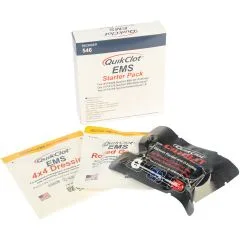
QuikClot® EMS Starter Pack Hemostatic Bandage