The Fallschirmjäger gravity knife is one of the most iconic and recognizable pieces of German paratrooper equipment from World War II. Designed specifically for the Luftwaffe's elite airborne forces, this gravity knife combined utility, compactness, and rapid deployment, making it indispensable for paratroopers who needed a reliable cutting tool upon landing. Its unique mechanism and historical significance have made it a highly sought-after item among collectors and reenactors alike.
In this comprehensive guide, we will delve into the origins, design features, and practical use of the Fallschirmjäger gravity knife. Whether you are a seasoned collector or a reenactor looking to add authenticity to your impression, understanding the history and nuances of this knife will enhance your appreciation and help you make informed decisions. We will also explore how this iconic piece fits into the broader context of German WWII gear, including other essential items like the Oberschutz Sleeve Pip (Mid-War) and the NCO Collar Tabs.
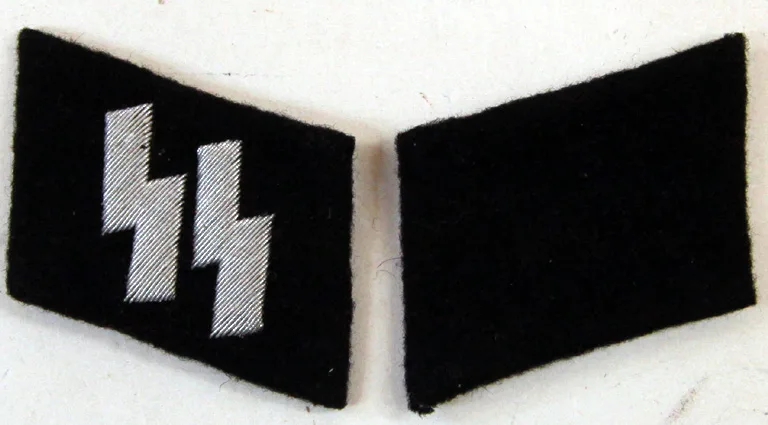
NCO Collar Tabs
The Origins and History of the Fallschirmjäger Gravity Knife
The Fallschirmjäger gravity knife was developed in the late 1930s as a specialized tool for German paratroopers. Unlike standard issue bayonets or folding knives, the gravity knife was designed to be opened with one hand using a simple flick of the wrist, leveraging gravity to deploy the blade. This feature was critical for paratroopers who often had limited mobility after landing and needed to quickly cut parachute lines or free themselves from tangled harnesses.
The knife was produced by several manufacturers, including Paul Weyersberg & Co. and other Solingen-based cutlers. It typically featured a 4.5-inch blade made of carbon steel, a wooden or bakelite grip, and a distinctive locking mechanism that kept the blade secure when not in use. The design evolved slightly over the war, with early models having a more pronounced curve and later versions featuring a straighter blade. Its compact size and reliability made it a prized piece of equipment, and it was issued not only to paratroopers but also to some Luftwaffe ground personnel.
- Tip: When collecting, look for original manufacturer markings on the blade or tang, which can significantly affect value.
Design and Mechanism: How the Gravity Knife Works
The gravity knife's mechanism is both simple and ingenious. The blade is housed in a handle that has a slot along its length. A spring-loaded locking lever on the top of the handle engages with a notch on the blade's tang. To open the knife, the user presses the lever, allowing the blade to swing out freely. A quick downward flick of the wrist causes the blade to fully extend, where it locks into place. To close it, the user presses the lever again and swings the blade back into the handle.
This design allowed for rapid, one-handed operation, which was essential in the chaos of a combat drop. The knife often included a lanyard ring for attachment to a parachute harness or uniform. The materials used—wood or bakelite for the grip, and carbon steel for the blade—were chosen for durability and ease of maintenance. This knife is a perfect complement to other German field gear, such as the SS Keilhosen, which were designed for mobility and practicality in the field.
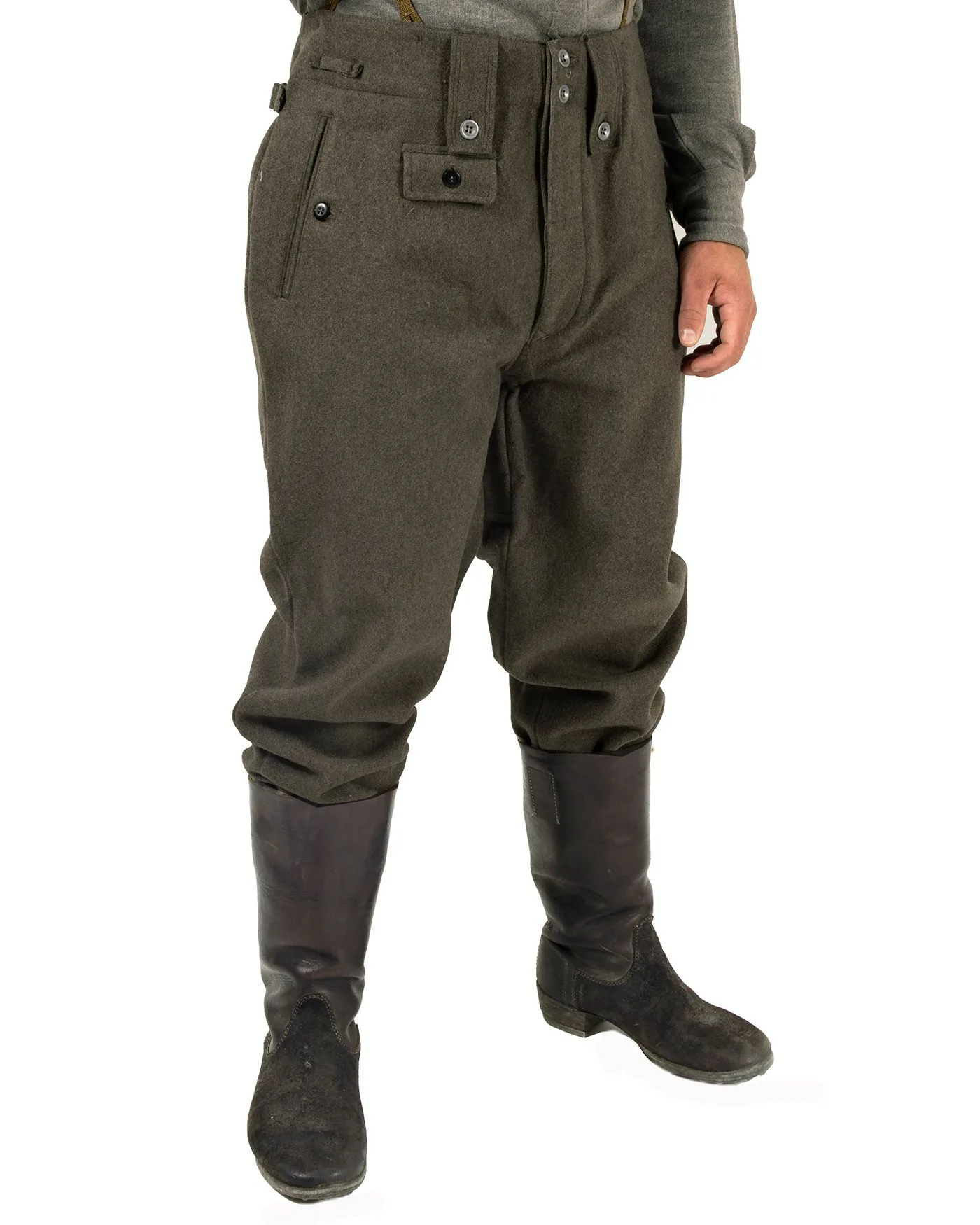
SS Keilhosen
- Tip: Practice opening and closing the knife safely to understand the mechanism, but be cautious with original pieces to avoid wear.
Using the Gravity Knife in Reenactments and Field Scenarios
For reenactors, the Fallschirmjäger gravity knife is more than just a display piece—it is a functional tool that enhances authenticity. When participating in living history events or tactical scenarios, having a gravity knife on your belt or in your pocket allows you to perform period-correct tasks such as cutting rope, opening crates, or preparing field rations. Its compact size means it can be carried without interfering with other gear.
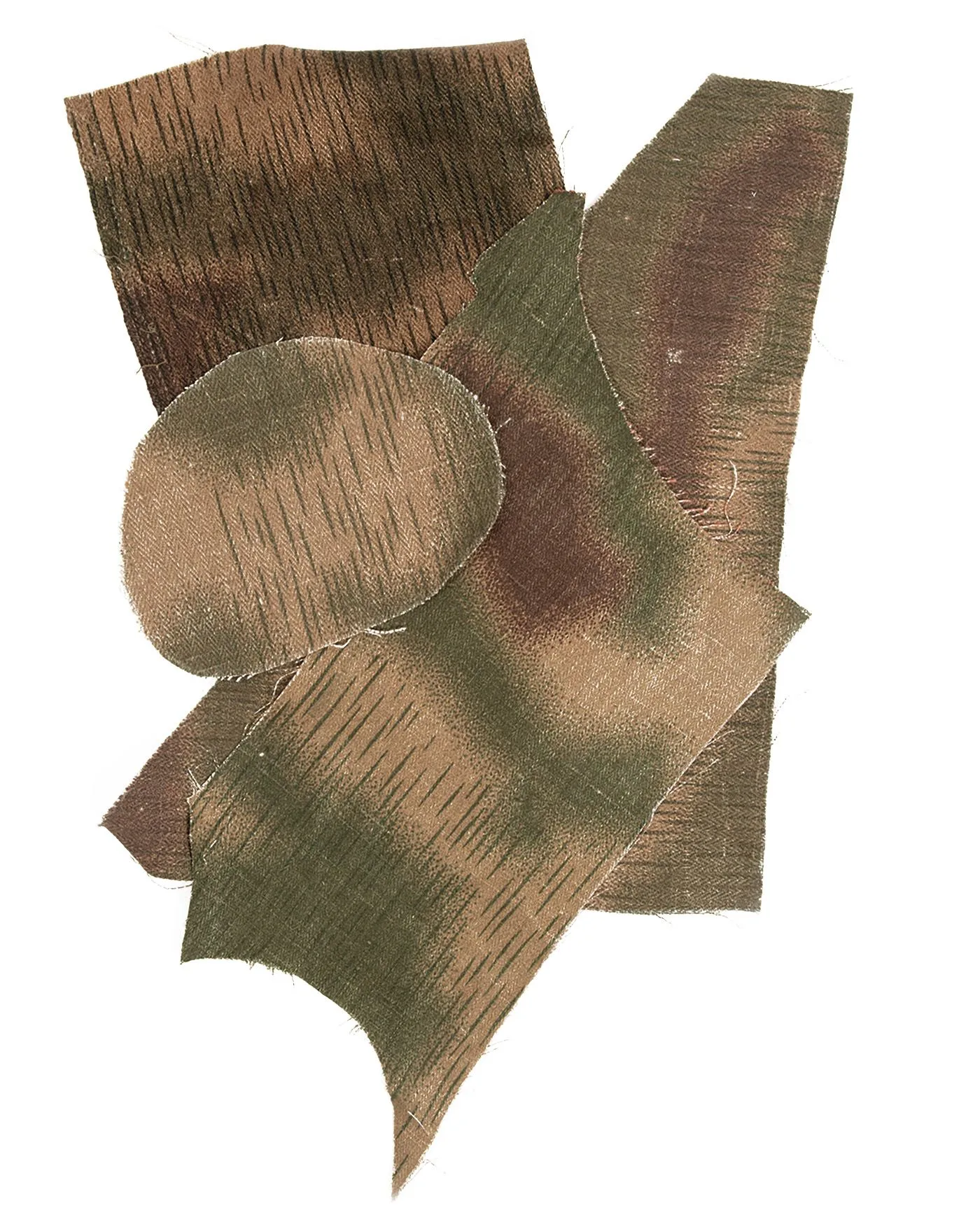
To complete a realistic impression, consider pairing the knife with other authentic accessories. For example, the https://wildernessworks.shop/products/marsh-helmet-cover-original-material-99332https://wildernessworks.shop/products/marsh-helmet-cover-original-material-99345Marsh Helmet Cover, Original Material provides excellent camouflage for your helmet, while the German Wallet, Brown is perfect for carrying documents and currency. These small details collectively create a cohesive and historically accurate portrayal of a German paratrooper.
- Tip: Always check local laws regarding gravity knives, as they may be restricted in some jurisdictions.
Collecting Tips: Identifying Authentic Gravity Knives
Collecting Fallschirmjäger gravity knives requires a keen eye for detail, as reproductions and fakes are common. Authentic knives will have consistent manufacturing marks, proper blade steel composition, and correct grip materials. Early war models often feature a more pronounced curve and a distinct patina, while later war versions may show signs of simplified production. Check for serial numbers or manufacturer codes that align with known wartime production.
The value of a gravity knife depends on its condition, rarity, and provenance. A knife in excellent, unsharpened condition with original leather sheath can fetch a premium. For collectors looking to build a comprehensive set of German gear, items like the Iron Cross 1st Class (EK1) WW2 or the Medic Bag can complement the knife and tell a broader story of a soldier's equipment. Always buy from reputable dealers and ask for detailed photos or provenance when possible.
- Tip: Join online forums or collector groups to learn from experienced enthusiasts and verify authenticity before purchasing.
The Fallschirmjäger gravity knife is a remarkable piece of military history that combines innovative design with practical utility. Whether you are a reenactor seeking authenticity or a collector building a curated set of WWII gear, this knife is an essential addition. Explore our selection of authentic reproduction gear and original items to complete your impression, and consider adding the Oberschutz Sleeve Pip (Mid-War) to your uniform for that final touch of historical accuracy.