A floor bed is a cornerstone of the Montessori approach to sleep, offering freedom of movement and fostering independence from an early age. Unlike traditional cribs or raised toddler beds, a floor bed sits directly on the ground, allowing your child to get in and out safely on their own. This guide covers everything you need to know about floor beds—from the ideal age to introduce one, to crucial safety considerations, and practical tips for a smooth transition.
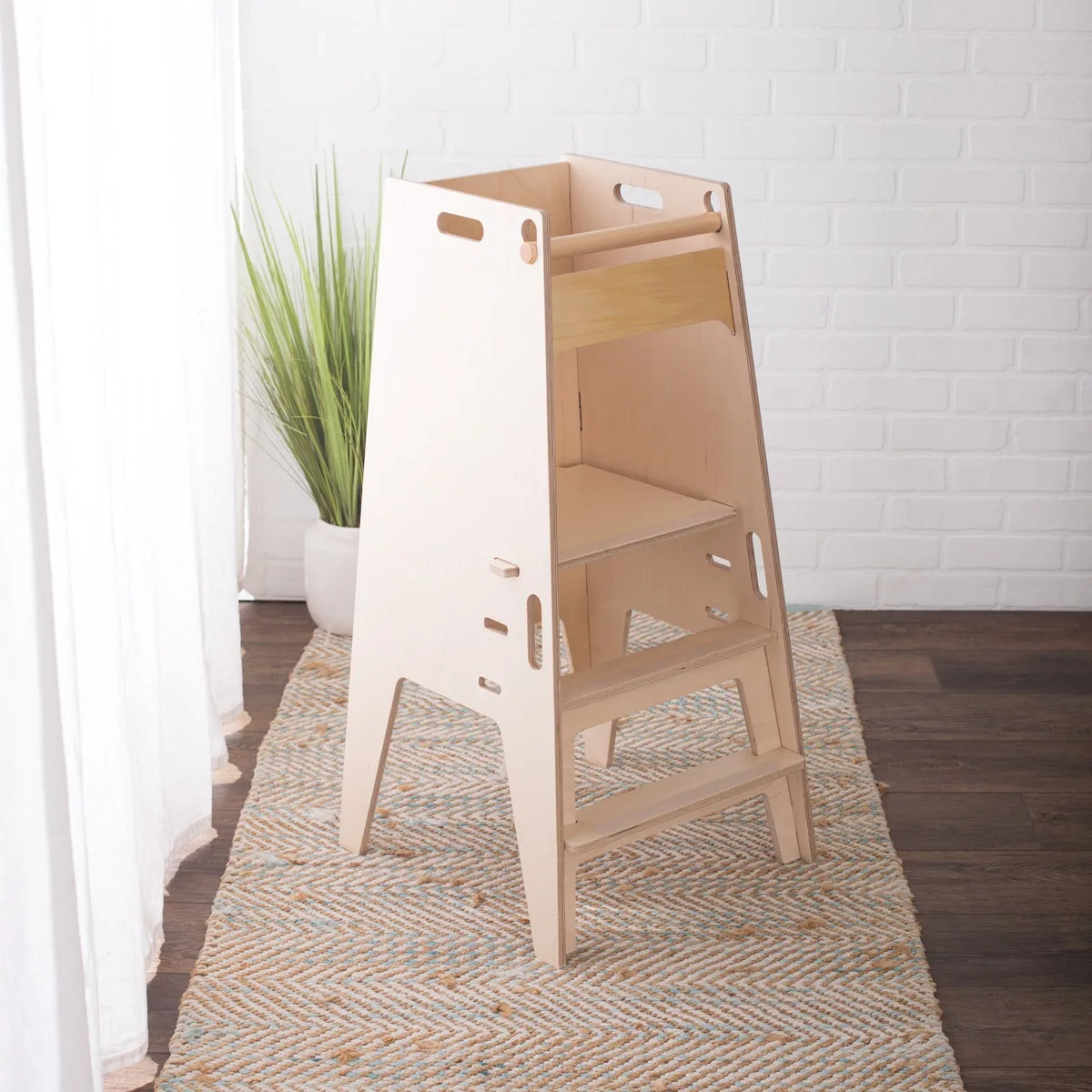
Whether you are preparing for a newborn or transitioning a toddler, understanding the principles behind floor beds can help you create a sleep environment that supports your child's development. We will also explore complementary Montessori furniture that enhances your child's independence, such as the Adjustable Montessori Weaning Chair for mealtime and the Dish Washing / Sensory Stations for practical life activities.
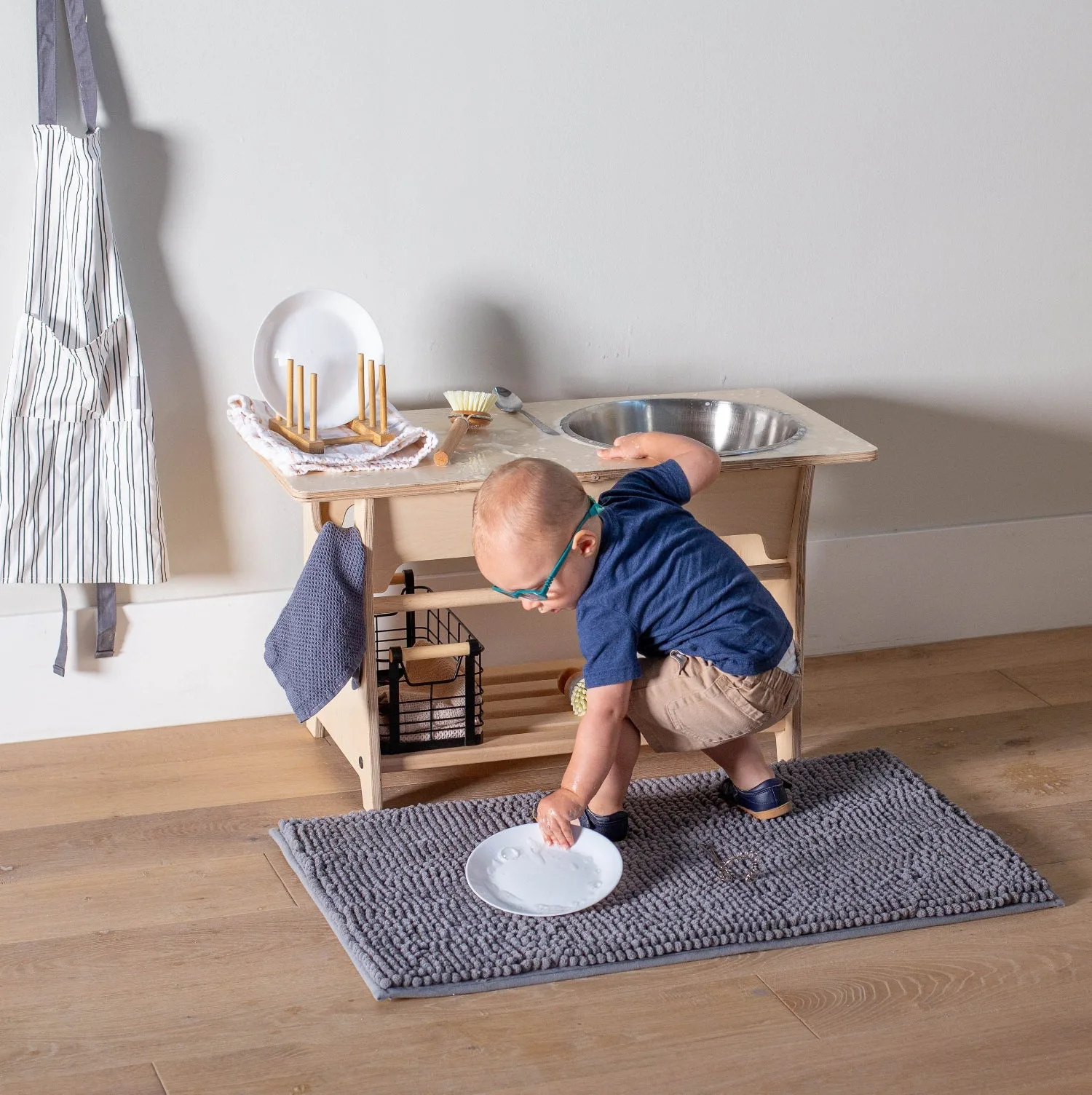
Dish Washing / Sensory Stations
What Is a Montessori Floor Bed?
A Montessori floor bed is a low-profile bed that sits directly on the floor (or on a very low frame) without the high sides of a crib. It is designed to give your child unrestricted access to their sleep space, promoting autonomy and safe exploration. The concept originates from Dr. Maria Montessori's belief that children thrive in environments where they can move freely and make choices.
Unlike traditional cribs that confine infants, a floor bed allows your baby to see the room, crawl out when awake, and return to rest when tired. This setup encourages natural sleep cycles and reduces the power struggles often associated with bedtime. Many parents find that floor beds also make nighttime parenting easier, as you can lie down with your child or nurse comfortably without bending over a high rail.
- Floor beds are typically used from around 5-6 months (when your baby starts rolling) up to toddlerhood and beyond.
- They can be placed directly on a rug or a low platform for added stability and aesthetic appeal.
What Is the Right Age for a Floor Bed?
The ideal age to introduce a floor bed varies by child, but many Montessori families start between 5 and 10 months. At this stage, babies are mobile enough to roll, scoot, or crawl, yet still young enough to adapt easily. Starting early helps your child develop a healthy relationship with sleep and their environment from the start.
For older toddlers (18 months to 3 years) who are used to a crib, transitioning to a floor bed is also possible. The key is to ensure the room is completely childproofed, as your child will have free access to the entire space. A floor bed can be a wonderful solution for toddlers who climb out of their crib or resist bedtime routines. Pairing the bed with low shelving and a small chair, like the Adjustable Montessori Weaning Chair, creates a cozy, child-led sleep zone.
- Newborns can use a floor bed from birth if you are comfortable with bed-sharing or room-sharing arrangements.
- Always supervise young infants in a floor bed until they can roll over independently.
Floor Bed Safety Essentials
Safety is paramount when using a floor bed. Since your child can move freely, the entire room must be a safe sleep environment. Start by placing the bed away from windows, cords, and furniture that could tip over. Use a firm mattress that fits snugly in the bed frame (if any) to prevent gaps. Avoid pillows, heavy blankets, or stuffed animals for infants under 12 months.
Childproof the room thoroughly: anchor all furniture to the wall, cover electrical outlets, and remove any small objects that could be choking hazards. Install a baby gate at the door if needed, and consider a soft rug or carpet under the bed for added cushioning. Regularly inspect the bed and mattress for wear. For older children, the same principles apply, but you can introduce a lightweight blanket and a small pillow.
- Use a low bed frame or no frame at all to minimize fall height.
- Keep the room temperature comfortable and avoid loose bedding for babies.
How to Transition from Crib to Floor Bed
Transitioning from a crib to a floor bed can be a smooth process with the right preparation. Start by talking to your child about the change a few days in advance, using positive language. Involve them in setting up the new bed—let them choose sheets or place a favorite stuffed animal on it. Keep the crib in the room initially for a sense of security, then remove it once your child is comfortable.
Establish a consistent bedtime routine that ends in the floor bed. If your child gets out of bed, gently guide them back without engaging in play or conversation. It is normal for them to test boundaries at first. Patience and consistency are key. You can also use a floor bed for naps before transitioning to overnight sleep. Over a week or two, most children adapt well and enjoy their new independence.
- Place the floor bed in the same spot as the crib to maintain familiarity.
- Use a baby monitor to keep an eye on your child during the first few nights.
Creating a Complete Montessori Sleep Environment
A floor bed works best as part of a thoughtfully prepared bedroom. Keep the room simple and uncluttered, with a few low shelves for books and a small mirror at your child's eye level. Choose calming colors and natural materials to create a peaceful atmosphere. A floor bed paired with a low table and chair set gives your child a space for quiet activities before sleep.
Consider adding a small rug or a play mat nearby for daytime use. The goal is to make the entire room a safe, inviting space where your child can move freely between sleep, play, and exploration. For practical life activities, a Dish Washing / Sensory Stations can be placed in the kitchen or play area to encourage independence during the day, complementing the autonomy fostered by the floor bed at night.
- Use blackout curtains to help regulate sleep cycles.
- Include a child-safe lamp or dimmer switch for nighttime comfort.
A Montessori floor bed is a powerful tool for nurturing your child's independence, confidence, and healthy sleep habits. By choosing the right age, prioritizing safety, and following a gentle transition plan, you can create a sleep space that grows with your child. Explore our collection of floor beds and complementary furniture to build the perfect Montessori bedroom today.