Choosing the right garden furniture materials can transform your outdoor space into a stylish and comfortable retreat. Whether you are furnishing a small balcony, a spacious patio, or a sprawling lawn, the material you select determines not only the look and feel of your garden but also its durability and maintenance requirements. With so many options available—from classic teak to sleek metal and versatile rattan—it can be overwhelming to decide which is best for your needs.
In this complete guide, we break down the three most popular garden furniture materials: teak, metal, and rattan. We explore their unique characteristics, benefits, and drawbacks, and offer practical tips on how to care for each. By the end, you will have all the information you need to make an informed choice that suits your lifestyle, climate, and aesthetic preferences.
Why Material Matters for Garden Furniture
Garden furniture is exposed to the elements year-round—sun, rain, wind, and sometimes snow. The material you choose directly impacts how long your furniture lasts, how much upkeep it requires, and how comfortable it remains over time. For example, natural teak is prized for its weather resistance and low maintenance, while powder-coated metal offers a modern look with excellent durability. Synthetic rattan, on the other hand, combines the charm of natural wicker with the resilience of modern polymers.
Beyond durability, the material also influences the overall style of your garden. Teak brings a warm, organic feel that ages gracefully to a silvery patina. Metal furniture, such as aluminium or steel, lends a clean, contemporary edge. Rattan or wicker pieces evoke a relaxed, bohemian vibe that pairs beautifully with lush greenery. Understanding these differences will help you create a cohesive outdoor design that reflects your personal taste.
- Consider your local climate: teak and synthetic rattan handle humidity well, while metal can rust in coastal areas unless treated.
- Think about maintenance: teak requires occasional oiling, metal may need repainting, and rattan is generally easy to clean.
- Match the material to your lifestyle: families with children often prefer low-maintenance rattan, while minimalist enthusiasts gravitate toward metal.
Teak Furniture: Timeless Elegance and Durability
Teak is widely regarded as the gold standard for outdoor furniture. This dense hardwood contains natural oils that make it resistant to rot, insects, and moisture. High-quality teak furniture can last for decades with minimal care, developing a beautiful silver-grey patina over time if left untreated. For those who prefer the original golden-brown hue, annual applications of teak oil can preserve the colour.
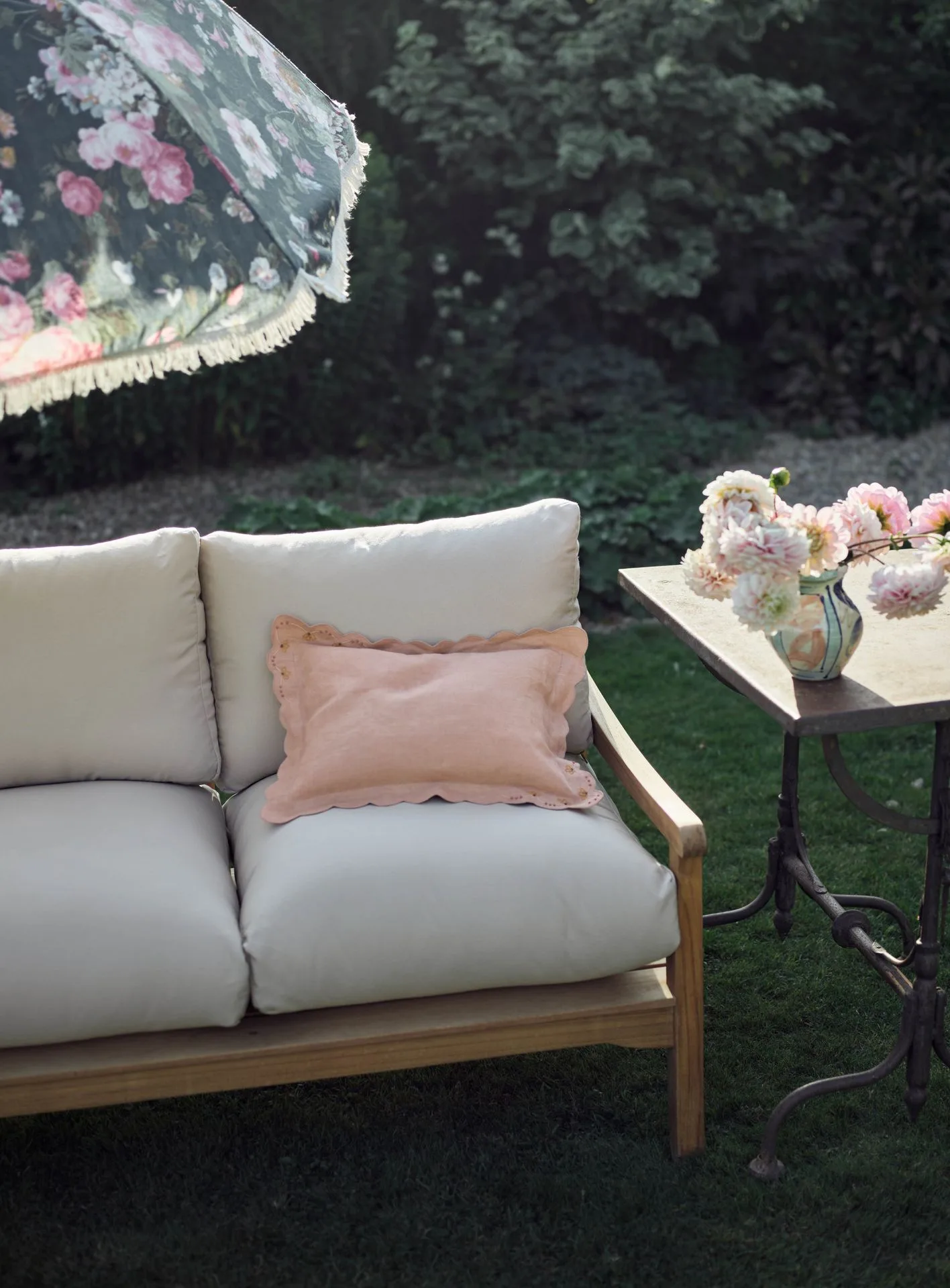
One of the greatest advantages of teak is its strength. It can withstand heavy use and does not warp or crack easily. This makes it ideal for dining sets, benches, and loungers. However, teak is a premium material, so it comes with a higher price tag. It is also relatively heavy, which can be a consideration if you plan to move furniture around frequently. To complement a teak dining set, consider pairing it with cushions in neutral tones or soft blues for a relaxed coastal look.
- Clean teak with a mild soap and water solution; avoid pressure washers that can damage the wood.
- Apply teak sealer or oil annually if you want to maintain the original colour.
- Store cushions indoors when not in use to prolong their life.
Metal Furniture: Modern Strength and Sleek Design
Metal garden furniture offers a contemporary aesthetic that suits minimalist and industrial-style gardens. Aluminium is the most popular choice because it is lightweight, rust-resistant, and easy to move. Wrought iron and steel are heavier and more ornate, providing a classic look but requiring more maintenance to prevent rust. Powder-coated finishes add an extra layer of protection and are available in a wide range of colours, from matte black to sage green.
Metal furniture is incredibly durable and can withstand harsh weather if properly coated. It is also easy to clean—simply wipe down with a damp cloth. On the downside, metal can become very hot in direct sunlight and cold in winter, so cushions are essential for comfort. For a sleek, modern dining set or a bistro table, metal is an excellent choice. Pair it with a soft blue lampshade for evening ambience, or add a footstool for extra lounging comfort.
- Inspect powder coating annually for chips and touch up with matching paint to prevent rust.
- Use furniture covers during winter or heavy rain to extend the life of metal pieces.
- Choose aluminium if you need lightweight, portable furniture; opt for steel or wrought iron for a more permanent installation.
Rattan and Synthetic Rattan: Natural Charm with Modern Resilience
Rattan furniture evokes a sense of casual elegance and is a favourite for garden lounges and dining sets. Natural rattan is made from the stems of climbing palms and has a warm, textured appearance. However, it is best used in covered or sheltered areas because it can degrade when exposed to direct sunlight and moisture. Synthetic rattan, also known as resin wicker, is made from polyethylene or PVC and is designed to withstand the elements without fading or cracking.
Synthetic rattan is lightweight, UV-resistant, and easy to clean with just a hose and mild detergent. It is also more affordable than teak and available in a variety of weaves and colours. The main drawback is that it can feel less substantial than wood or metal, and the cushions often require separate storage. To create a cohesive look, pair a rattan sofa set with a cotton lampshade in soft blue and add a few textured cushions. For a finishing touch, place a mirror nearby to reflect light and make the space feel larger.
- Clean synthetic rattan with a soft brush and soapy water to remove dirt from the weave.
- Store cushions indoors or in a waterproof box when not in use to prevent mould.
- Avoid placing natural rattan in direct sunlight; use it on a covered porch or under a pergola.
How to Maintain Your Garden Furniture for Longevity
Proper maintenance is key to extending the life of your garden furniture, regardless of the material. For teak, regular cleaning and occasional oiling will keep it looking its best. Metal furniture benefits from annual inspections for rust and touch-up painting. Synthetic rattan requires the least effort—just a quick rinse and wipe-down. Always store cushions and textiles indoors or in a waterproof container to prevent mildew and fading.
Investing in high-quality covers is another smart move. They protect your furniture from rain, snow, and UV rays during the off-season. If you live in a coastal area, choose materials that are specifically treated to resist salt spray. Finally, consider the placement of your furniture. Positioning it under a tree or a pergola can provide natural shade and reduce exposure to the elements. With a little care, your garden furniture will remain a beautiful and functional part of your home for years to come.
- Apply a protective cover during winter months to shield against frost and moisture.
- Use furniture polish or wax on metal frames to maintain the finish.
- Rotate cushions regularly to ensure even wear and fading.
Selecting the right garden furniture material is a balance of style, durability, and maintenance. Whether you prefer the timeless warmth of teak, the sleek modernity of metal, or the relaxed charm of rattan, each option has its own strengths. By understanding these materials and following simple care routines, you can create an outdoor space that invites relaxation and entertaining. To complete your garden setup, browse our collection of accessories and textiles that complement your chosen furniture style.