Herbal tea, often called tisane, offers a delightful caffeine-free alternative to traditional teas. Unlike black, green, or oolong teas, which come from the Camellia sinensis plant, herbal teas are infusions made from dried fruits, flowers, herbs, or spices. This diversity makes them incredibly versatile in flavor and purpose, from soothing bedtime blends to invigorating morning brews.
Whether you are new to the world of tisanes or a seasoned enthusiast looking to refine your brewing technique, this guide covers everything you need to know. We will explore popular herbal tea varieties, their unique health benefits, and practical tips to brew the perfect cup every time.
What Is Herbal Tea? Understanding the Basics
Herbal tea is any beverage made by steeping plant materials other than Camellia sinensis leaves in hot water. This broad category includes infusions of chamomile flowers, peppermint leaves, rooibos, hibiscus, ginger, and many more. Because they contain no tea leaves, herbal teas are naturally caffeine-free, making them an excellent choice for any time of day.
The flavor profiles of herbal teas are as varied as the plants they come from. Some are light and floral, like chamomile, while others are bold and spicy, like ginger or chai-style blends. Many herbal teas also offer therapeutic properties, which have been valued for centuries in traditional medicine systems around the world.
- Caffeine-free by nature, perfect for evening relaxation
- Made from a wide range of dried plants, flowers, fruits, and spices
- Can be enjoyed hot or iced, with or without sweeteners
Popular Herbal Tea Varieties and Their Benefits
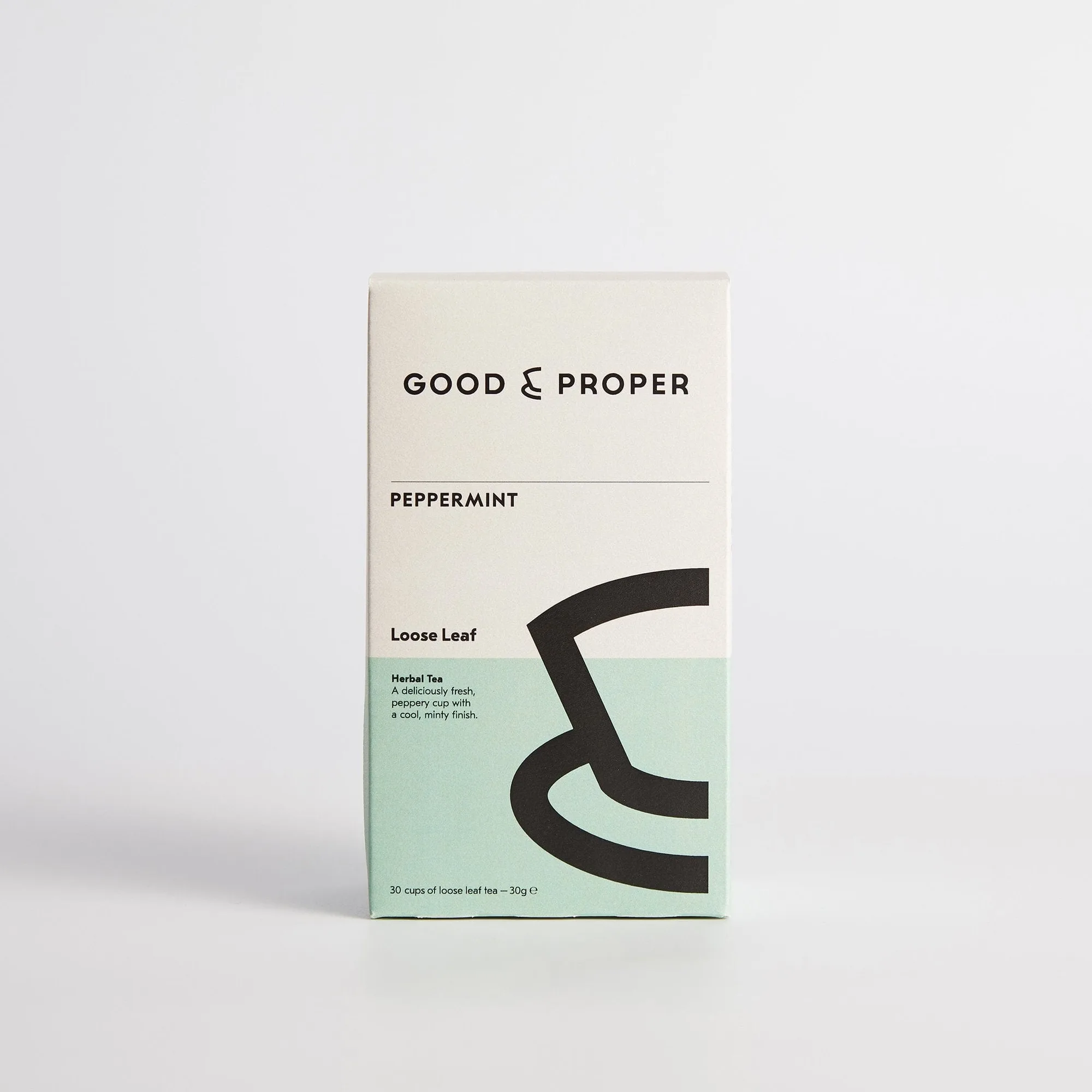
One of the most beloved herbal teas is chamomile, known for its gentle apple-like aroma and calming effects. It is often used to promote sleep and reduce stress. Peppermint tea offers a refreshing, cooling sensation and is widely used to aid digestion and soothe headaches. Rooibos, a South African red bush tea, has a naturally sweet, nutty flavor and is rich in antioxidants.
Hibiscus tea stands out with its vibrant ruby color and tart, cranberry-like taste. It is packed with vitamin C and may help support heart health. Ginger tea provides a warming, spicy kick and is a go-to remedy for nausea and inflammation. For those seeking a floral and slightly sweet option, lavender or rose petal teas are excellent choices.
- Chamomile: promotes relaxation and sleep
- Peppermint: aids digestion and refreshes the palate
- Hibiscus: rich in antioxidants and vitamin C
- Ginger: anti-inflammatory and soothing for the stomach
How to Brew the Perfect Cup of Herbal Tea
Brewing herbal tea requires a slightly different approach than traditional teas. Because herbal blends often contain larger pieces of dried plants, they need more time and hotter water to fully extract their flavors and beneficial compounds. A good rule of thumb is to use water just off the boil, around 100°C (212°F), and steep for 5 to 10 minutes depending on the blend.
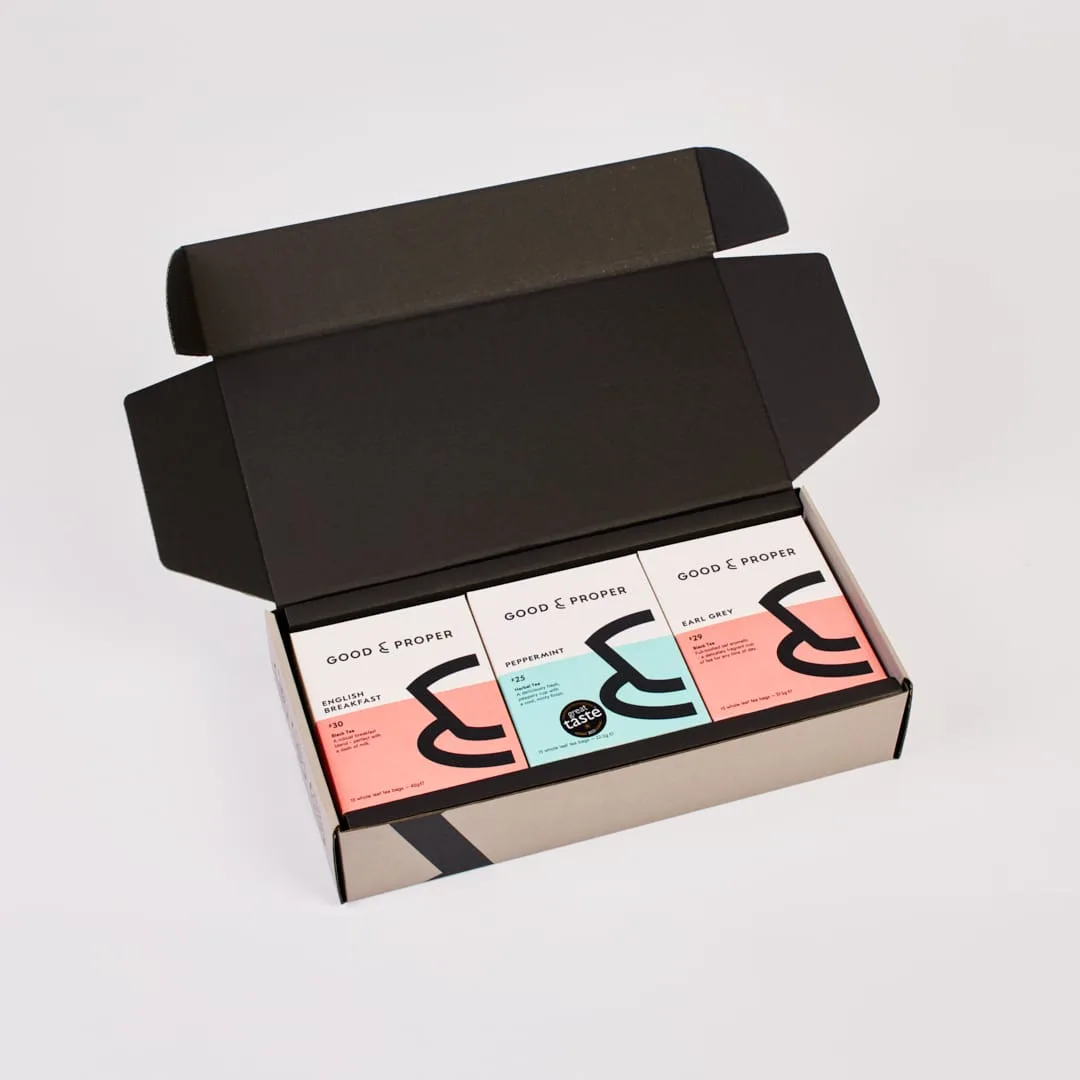
Using the right equipment can elevate your herbal tea experience. A teapot with a built-in infuser or a simple infuser basket works well for loose leaf blends. For convenience, pre-portioned tea bags are also a great option. If you are exploring a variety of flavors, consider a collection like the Herbal Collection - Tea Bags to sample different blends without committing to a full box of one type.
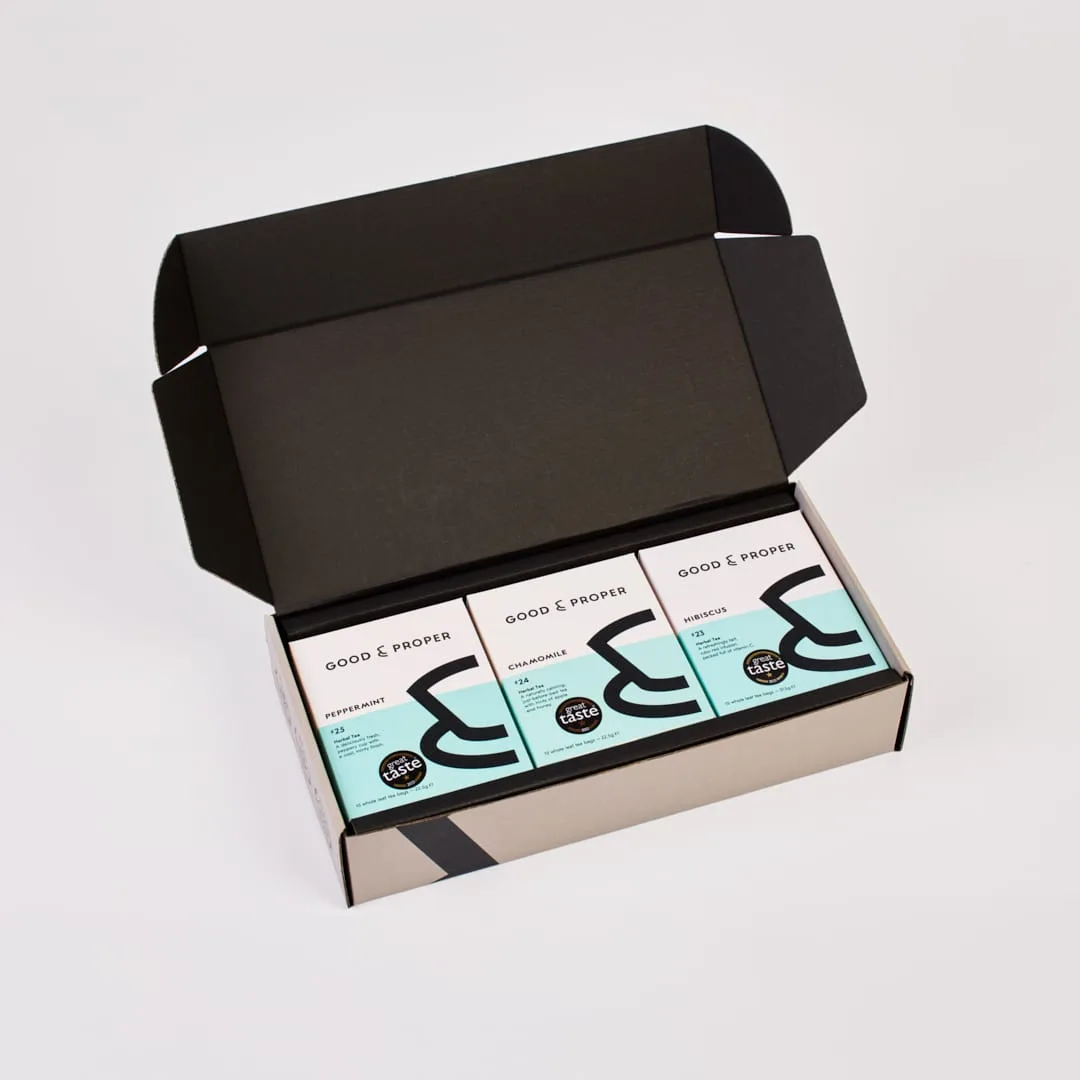
Herbal Collection - Tea Bags
Always use fresh, filtered water for the best taste. Avoid over-steeping, as some herbs can become bitter if left too long. However, many herbal teas are forgiving and can be steeped longer for a stronger infusion. Feel free to experiment with steeping times to find your perfect balance.
- Use water at a full boil (100°C / 212°F)
- Steep for 5-10 minutes, adjusting to taste
- Cover your cup or teapot to retain heat and volatile oils
- Sweeten with honey or agave if desired, but taste first
Essential Tools for Herbal Tea Enthusiasts
While you can brew herbal tea with just a cup and a strainer, a few key tools can make the process more enjoyable and consistent. A temperature-controlled kettle, such as the Felicita Square Temperature-Controlled Kettle, allows you to heat water precisely, which is especially useful for delicate herbal blends that benefit from slightly lower temperatures.
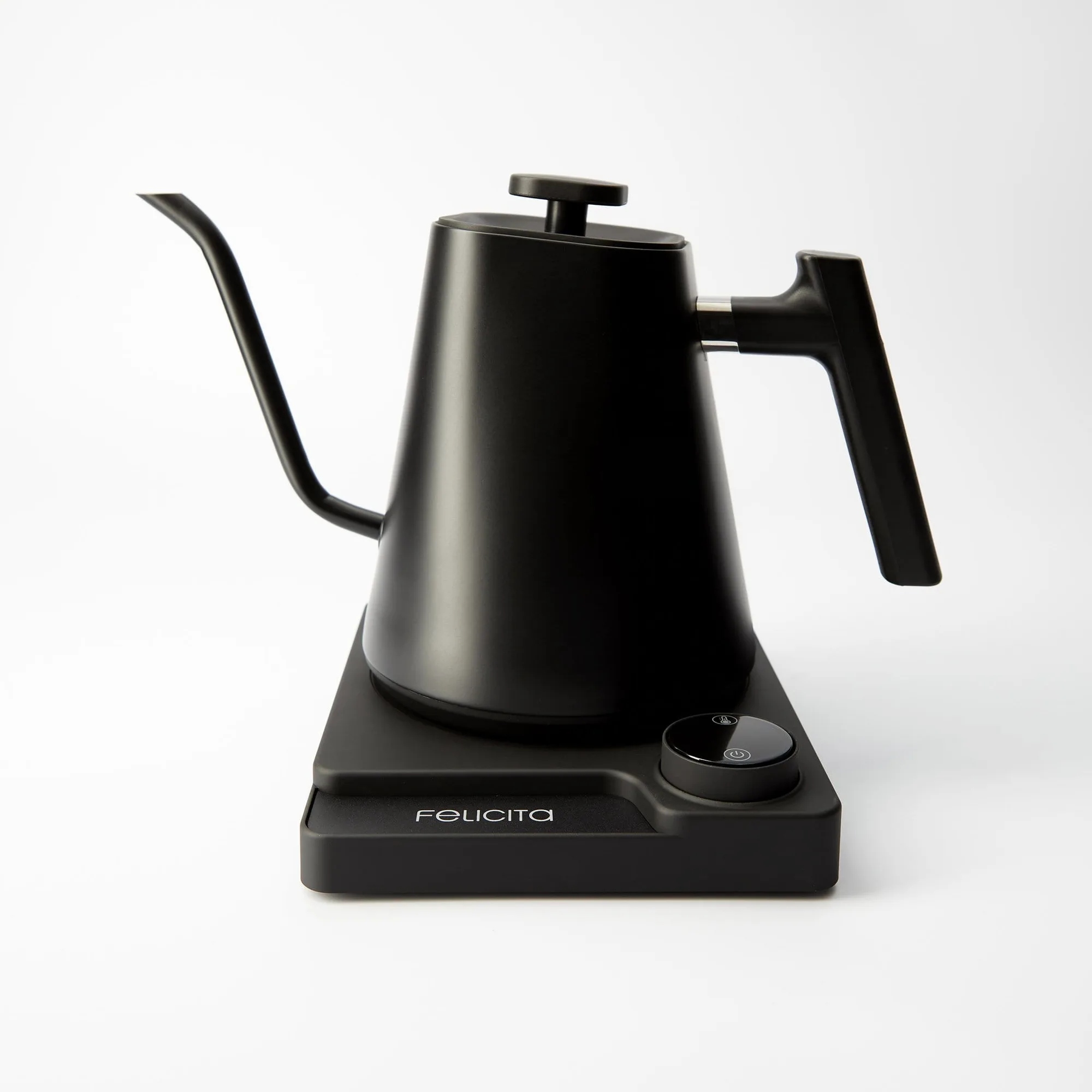
Felicita Square Temperature-Controlled Kettle
For those who prefer loose leaf herbal teas, a quality teapot is invaluable. The Good & Proper Teapot is designed to make brewing and serving loose leaf tea effortless, with a built-in infuser that allows leaves to expand fully. Alternatively, Tea Filters for Loose Leaf are a convenient and disposable option for single cups or travel.
If you enjoy iced herbal tea, the Hario Cold Brew Tea Bottle is perfect for preparing refreshing cold infusions overnight. Simply add your favorite herbal blend and cold water, then refrigerate for 8-12 hours for a smooth, naturally sweet iced tea without any bitterness.
- Temperature-controlled kettle for precise water heating
- Teapot with infuser for loose leaf blends
- Tea filters for quick single servings
- Cold brew bottle for iced herbal tea
Herbal Tea vs. True Tea: Key Differences
The primary difference between herbal tea and true tea is the plant source. True teas come from Camellia sinensis and contain caffeine, while herbal teas are caffeine-free infusions from other plants. This distinction affects not only caffeine content but also flavor, brewing methods, and health benefits.
True teas like black, green, and oolong are typically brewed at lower temperatures and for shorter times to avoid bitterness. Herbal teas, on the other hand, benefit from hotter water and longer steeping to fully release their flavors. While true teas offer antioxidants like catechins and theanine, herbal teas provide a different spectrum of nutrients depending on the ingredients used.
- Herbal tea: caffeine-free, from various plants, steeped hot and long
- True tea: contains caffeine, from Camellia sinensis, brewed at lower temps
- Both offer unique health benefits and flavor experiences
Herbal tea is a wonderfully diverse and healthful beverage category that anyone can enjoy. Whether you are drawn to the calming properties of chamomile or the vibrant taste of hibiscus, there is a herbal tea for every palate and purpose. To begin your exploration, try the Herbal Collection - Tea Bags, which offers a curated selection of premium blends perfect for discovering your new favorite cup.