Acne patches have become a staple in many skincare routines, and for good reason. These small, adhesive stickers promise to flatten pimples overnight, reduce redness, and prevent picking. But not all patches are created equal, and understanding the science behind them is key to getting the best results.
In this guide, we'll dive deep into hydrocolloid acne patches—what they are, how they work, their benefits, and their limitations. We'll also help you decide if they're the right choice for your skin type and concerns.
What Are Hydrocolloid Acne Patches?
Hydrocolloid acne patches are small, adhesive stickers made from a gel-forming material called hydrocolloid. Originally designed for wound care, hydrocolloid dressings were adapted for acne treatment because of their ability to absorb fluid and create a moist healing environment.
When applied to a pimple, the patch adheres to the skin and absorbs excess oil, pus, and fluid from the blemish. This helps flatten the pimple and speed up the healing process. The patch also acts as a physical barrier, preventing you from picking or touching the pimple, which can lead to scarring and further inflammation.
- Hydrocolloid is a gel-forming agent that absorbs moisture and promotes healing.
- Patches come in various sizes and thicknesses, some with active ingredients like salicylic acid.
How Do Hydrocolloid Patches Work?
The magic of hydrocolloid patches lies in their osmotic action. When the patch comes into contact with the fluid in a pimple, it absorbs it and forms a soft gel. This gel creates a protective cushion over the wound, which not only reduces pain but also prevents scab formation and minimizes the risk of scarring.
Because the patch keeps the area hydrated, it promotes faster cell regeneration. The sealed environment also prevents bacteria from entering the pimple, reducing the chance of infection. Most users notice a visible flattening of the pimple after 6-8 hours of wear, making them a popular overnight treatment.
- For best results, apply the patch to clean, dry skin and leave it on for at least 6 hours.
- The patch turns white as it absorbs fluid, which is a sign it's working.
Key Benefits of Hydrocolloid Acne Patches
Hydrocolloid patches offer several advantages over traditional spot treatments. First, they are non-irritating and suitable for sensitive skin, as they contain no harsh chemicals unless specifically formulated with active ingredients. Second, they are discreet and can be worn during the day or night without smudging makeup.
Another major benefit is that they prevent picking. By covering the pimple, the patch acts as a reminder not to touch it, which is crucial for avoiding post-inflammatory hyperpigmentation. Additionally, they are easy to use and require no special preparation, making them a convenient addition to any skincare routine.
- Non-irritating and safe for most skin types.
- Prevents picking and reduces the risk of scarring.
- Can be worn under makeup for daytime treatment.
Limitations of Hydrocolloid Patches
While hydrocolloid patches are excellent for superficial, oozing pimples, they have limitations. They are not effective on cystic acne, which is deep and inflamed, because the patch cannot reach the root of the infection. For cystic acne, you may need a different approach, such as microneedling patches or professional treatments.
Also, hydrocolloid patches do not contain active ingredients like salicylic acid unless specified. If you need extra exfoliation or antibacterial action, you might opt for patches with added ingredients. Additionally, they are not a preventative measure; they only treat existing pimples.
- Not effective on cystic or deep acne.
- Limited to treating existing blemishes, not preventing new ones.
- Some patches may not adhere well to oily skin.
Who Should Use Hydrocolloid Patches?
Hydrocolloid patches are ideal for anyone dealing with occasional whiteheads or pustules. They are especially beneficial for people who tend to pick at their skin, as the patch provides a physical barrier. They are also great for those with sensitive skin who cannot tolerate strong active ingredients.
However, if you have severe acne or cystic breakouts, you may need a more comprehensive treatment plan. In such cases, combining hydrocolloid patches with other products like a salicylic acid serum or a retinoid can be more effective.
- Best for whiteheads, pustules, and minor breakouts.
- Suitable for all skin types, including sensitive skin.
- Not a standalone solution for severe acne.
How to Choose the Right Hydrocolloid Patch
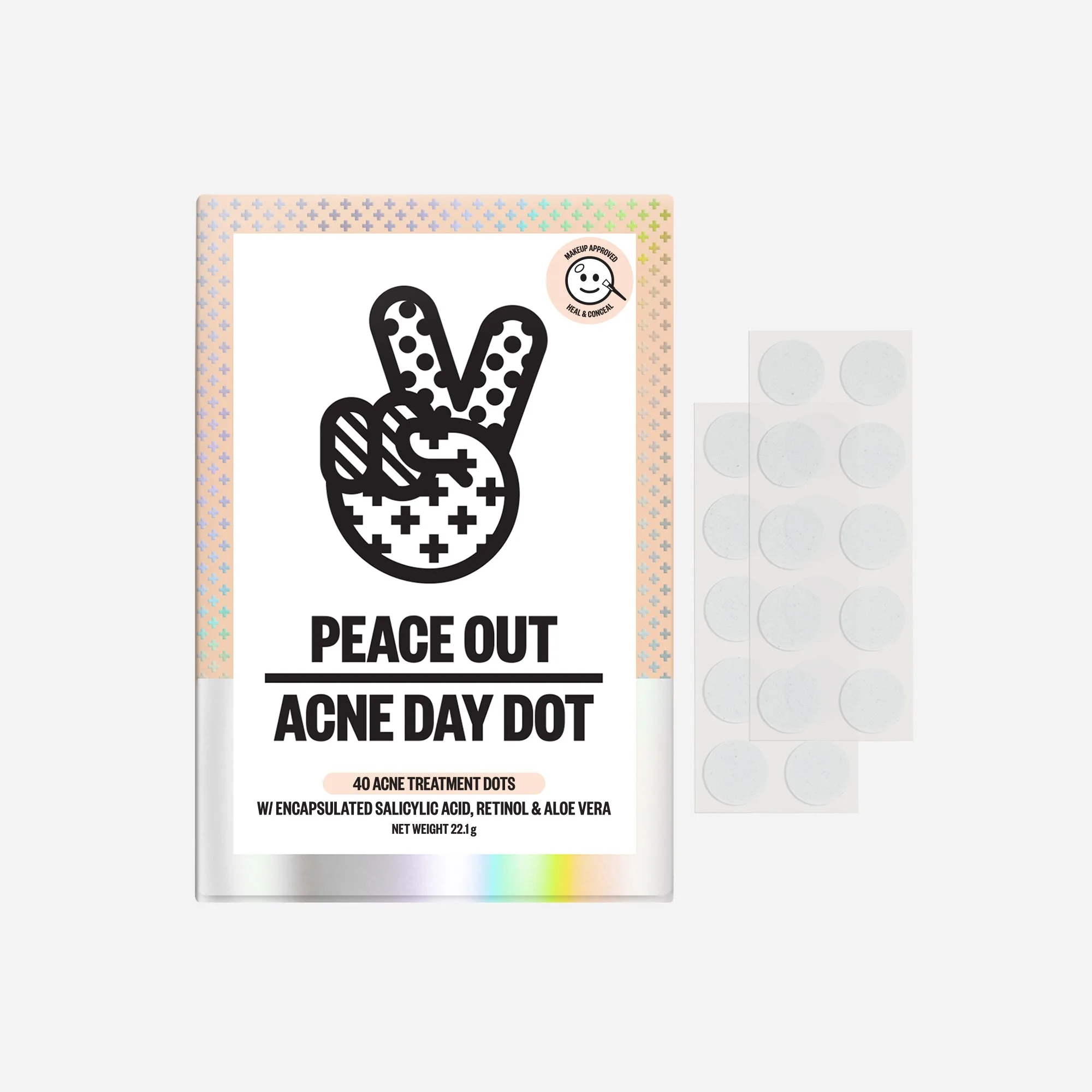
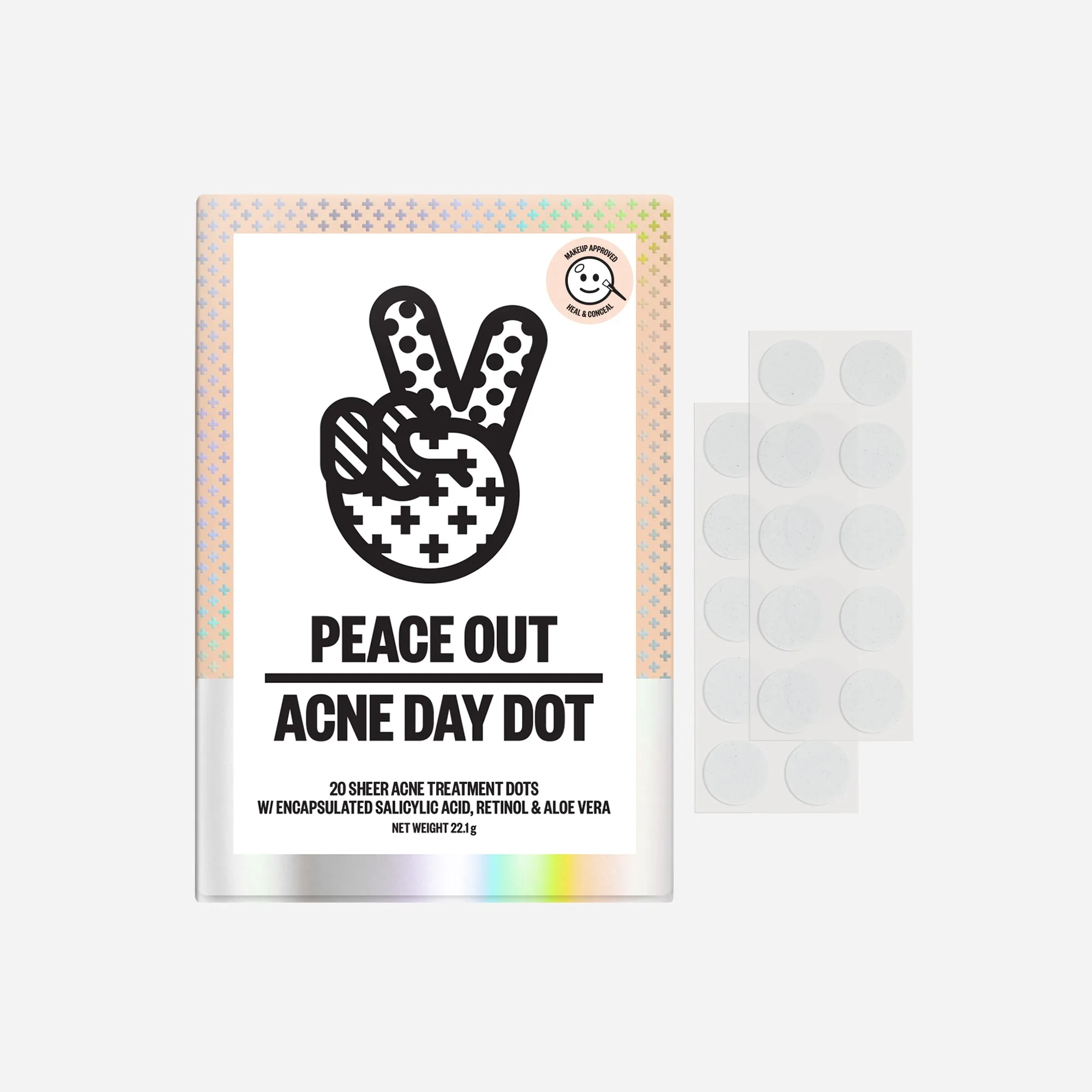
When selecting a hydrocolloid patch, consider the size, thickness, and any added ingredients. For daytime wear, you might prefer a thin, clear patch that blends into the skin. For overnight use, a thicker patch can absorb more fluid and provide better protection.
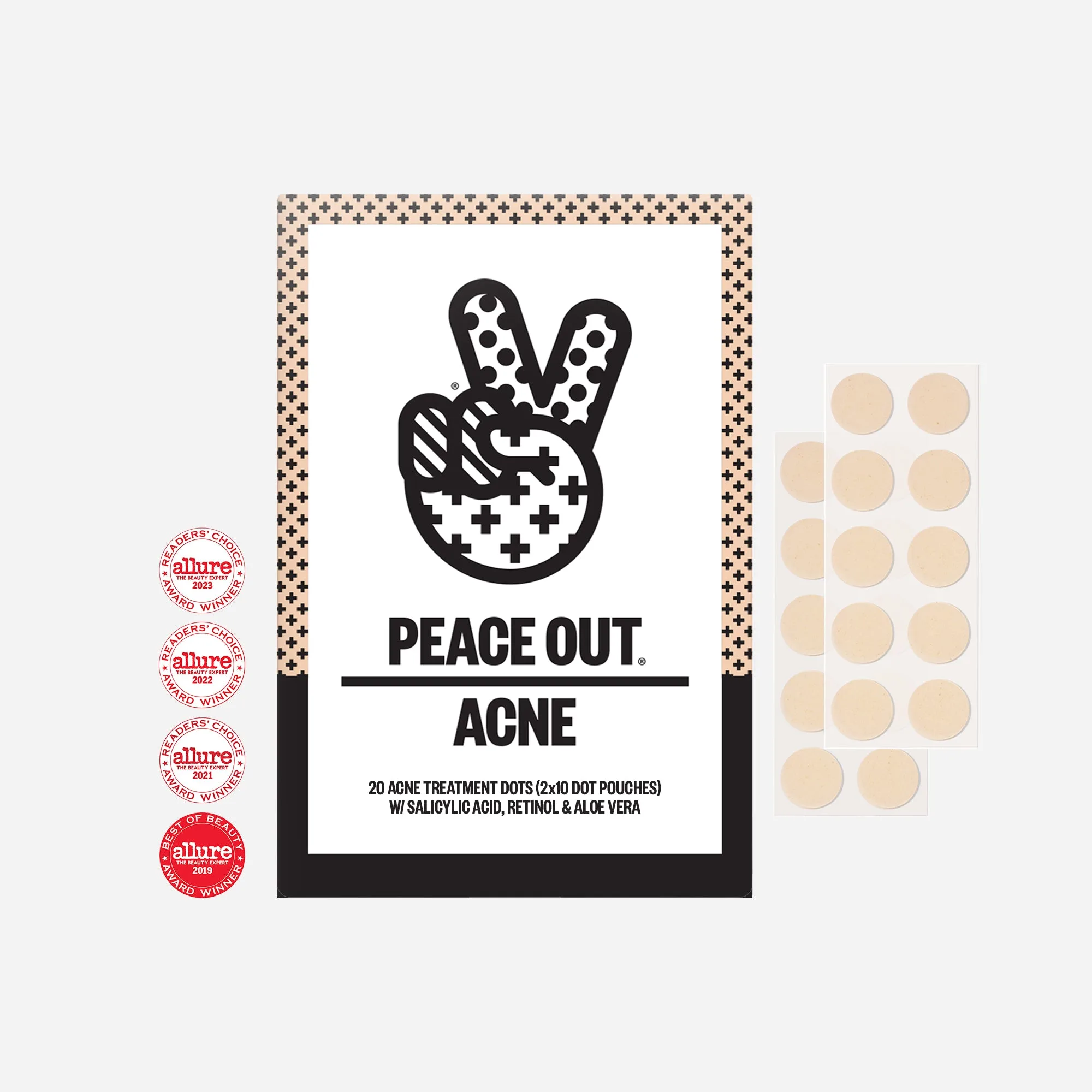
Some patches come in different shapes to fit various areas of the face, such as the nose or chin. Others are infused with ingredients like salicylic acid to enhance their effectiveness. For example, our Acne Treatment Dots Jumbo are a great choice for larger areas, while the Salicylic Acid Day Patches offer extra exfoliation.
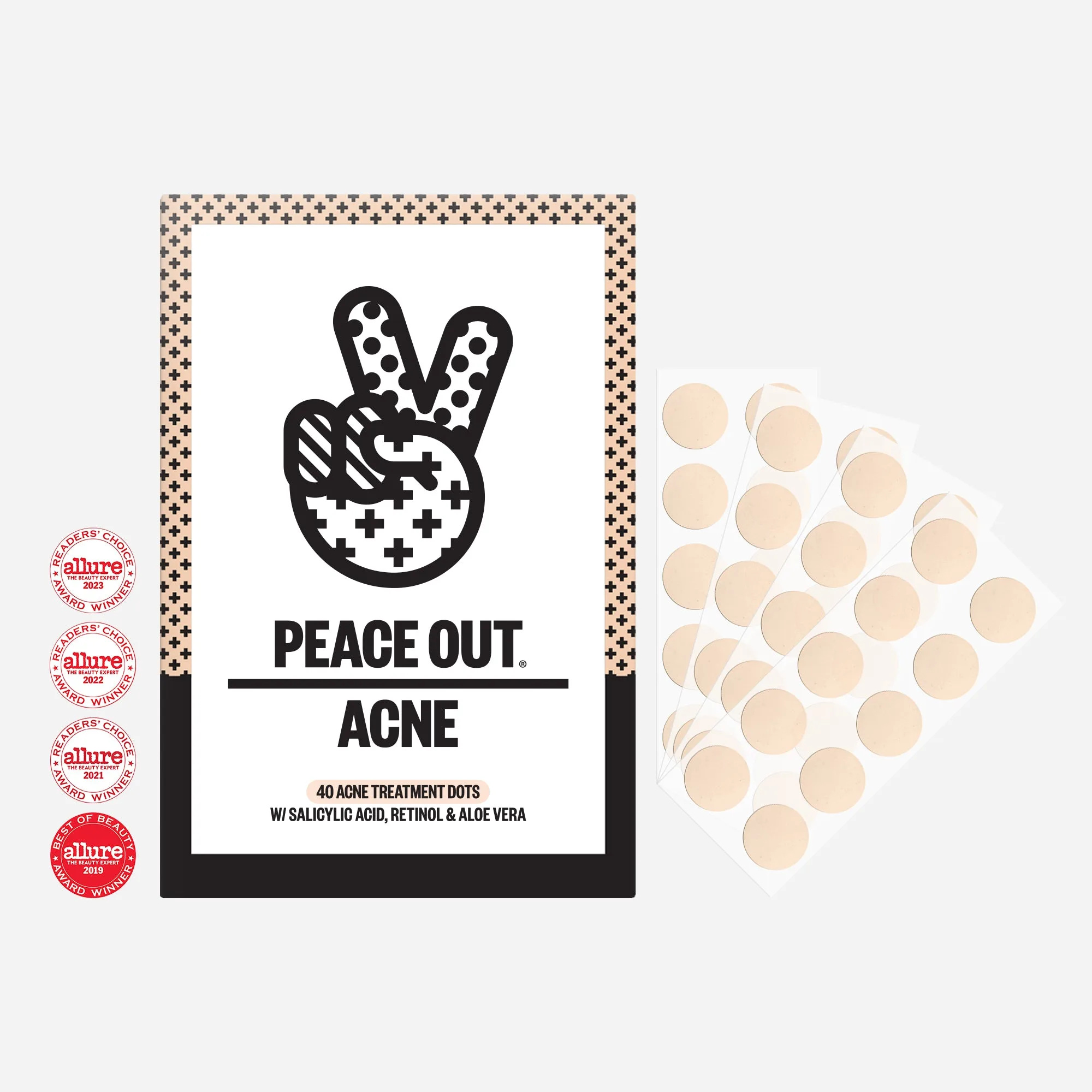
Acne Treatment Dots Jumbo
- Look for patches with a high hydrocolloid content for better absorption.
- Choose patches with added ingredients if you need extra benefits.
- Consider the size and shape to fit your blemish.
Hydrocolloid Patches vs. Microneedling Patches
Microneedling patches, such as the Microneedling Acne Patches, contain tiny dissolvable needles that penetrate the skin to deliver active ingredients deeper. They are designed for more stubborn acne, including cystic breakouts, and can also help with acne scars.
In contrast, hydrocolloid patches work only on the surface, absorbing fluid. They are simpler and generally more affordable, but they cannot treat deep-seated acne. If you have cystic acne, microneedling patches may be more effective, but they can be more irritating and require careful use.
- Hydrocolloid patches are surface-level and absorb fluid.
- Microneedling patches deliver ingredients deeper into the skin.
- Choose based on your acne type and skin sensitivity.
Tips for Using Hydrocolloid Patches Effectively
To get the most out of your hydrocolloid patch, start with clean, dry skin. Apply the patch gently, pressing down the edges to ensure a good seal. Leave it on for at least 6 hours, preferably overnight, to allow the patch to work its magic.
Do not reapply a patch that has already absorbed a lot of fluid; it will lose its stickiness and effectiveness. Also, avoid using hydrocolloid patches on broken skin or open wounds, as they are not designed for that purpose.
- Cleanse and dry the area before applying.
- Change the patch if it becomes saturated or loses adhesion.
- Use consistently for best results.
Hydrocolloid acne patches are a simple, effective solution for minor breakouts, offering benefits like reducing inflammation, preventing picking, and promoting healing. However, they are not a cure-all for severe acne. For deeper issues, consider combining them with other treatments or exploring microneedling options. Check out our Acne Treatment Dots Jumbo for a reliable overnight fix.