Investing in quality kitchen knives transforms your cooking experience, but even the best blades lose their edge without proper care. Knife maintenance is not just about keeping your tools sharp—it extends their lifespan, ensures safety, and improves your prep work. Whether you're a home cook or a seasoned chef, understanding the fundamentals of sharpening, storage, and daily care will protect your cutlery investment and elevate every meal you prepare. In this guide, we'll walk you through proven methods to maintain your knives, from selecting the right sharpening tools to organizing your drawer efficiently. Let's sharpen your knowledge.
Why Knife Maintenance Matters More Than You Think
A dull knife is not only frustrating to use but also dangerous. When a blade lacks sharpness, you instinctively apply more pressure, increasing the risk of slips and cuts. Proper knife maintenance ensures consistent performance, reduces waste (because you cut cleanly instead of crushing ingredients), and preserves the blade's geometry. Regular care also prevents rust, stains, and chips—common issues that shorten a knife's life. By adopting a routine that includes honing, sharpening, and mindful storage, you'll save money and enjoy a safer, more efficient kitchen.
The Core of Knife Maintenance: Sharpening vs. Honing
Many home cooks confuse honing with sharpening, but they serve different purposes. Honing realigns the blade's edge without removing metal; it's a quick maintenance step you can do before each use. Sharpening, on the other hand, grinds away metal to create a new edge and is needed only when the knife becomes noticeably dull. For most home kitchens, sharpening every 2–3 months (or more often with heavy use) is sufficient. You can use whetstones, electric sharpeners, or manual pull-through tools—each with its learning curve. For precise control, many enthusiasts prefer whetstones, while electric models offer convenience. Regardless of method, always follow the manufacturer's angle recommendation (typically 15–20 degrees per side).
Step-by-Step: How to Sharpen Your Kitchen Knives
- Soak your whetstone (if using a water stone) for 10–15 minutes until bubbles stop.
- Set the stone on a damp towel to prevent slipping.
- Hold the knife at the correct angle (use a guide if needed).
- Slide the blade across the stone in a sweeping motion, from heel to tip, applying light pressure. Repeat 10–15 times per side.
- Progress to a finer grit (e.g., from 1000 to 3000–6000) for a polished edge.
- Test sharpness by slicing a sheet of paper or a tomato. A sharp knife cuts cleanly without tearing.
- Rinse and dry the blade immediately to remove metal particles.
If you're new to sharpening, consider practicing on an older knife first. And remember: a sharp knife is a safe knife. For a reliable everyday blade that responds beautifully to sharpening, check out our The Serrated 6" Knife, which holds its edge exceptionally well and is designed for easy maintenance.
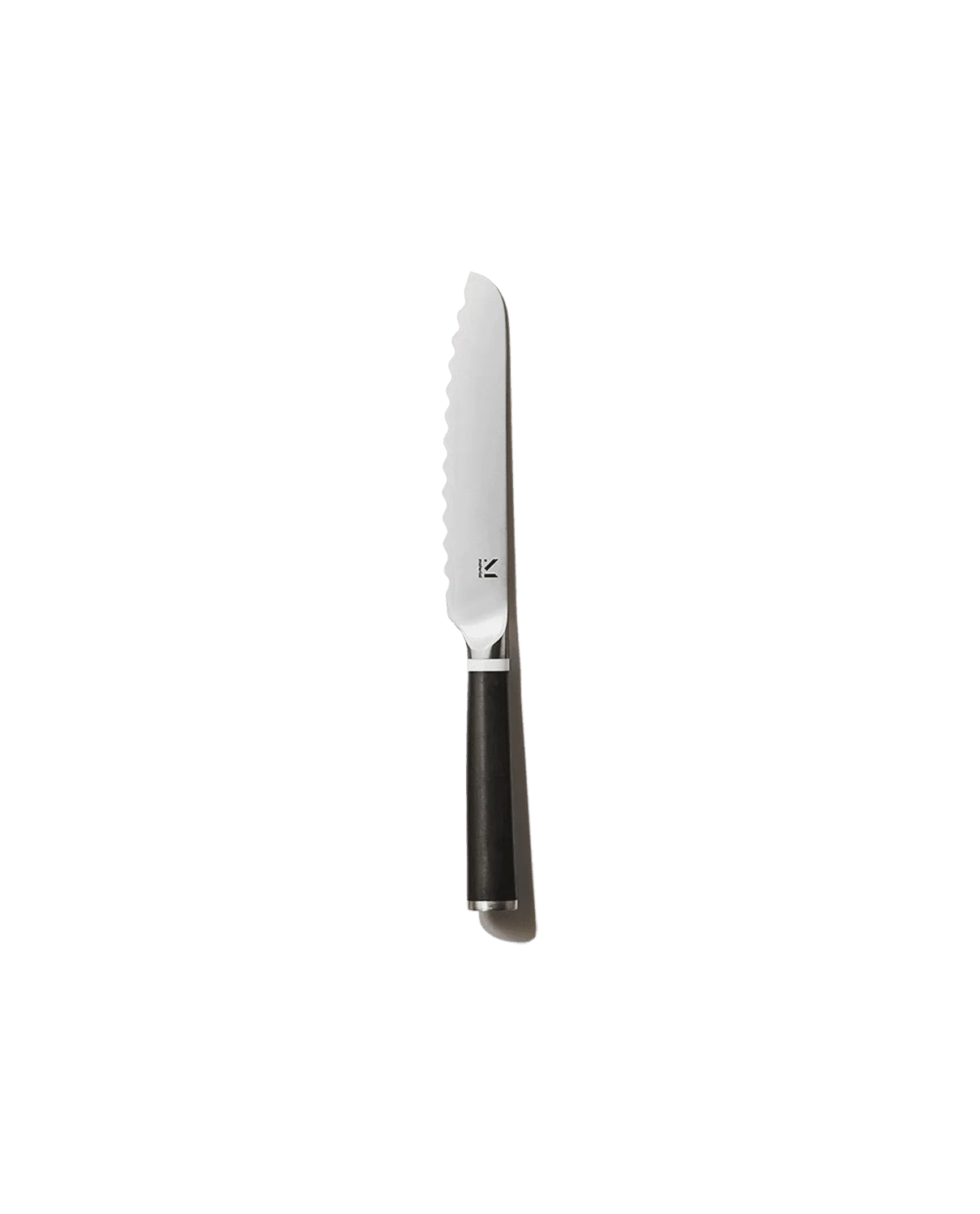
The Serrated 6" Knife
Knife Storage: Protecting Your Blades Between Uses
Improper storage is one of the fastest ways to dull a knife. Tossing blades loose in a drawer causes them to knock against other utensils, chipping the edge and scratching the surface. The best knife storage solutions keep blades separated and secure. Options include magnetic strips (mounted on a wall or inside a cabinet), wooden knife blocks, blade guards, or dedicated in-drawer organizers. Each has its pros and cons: magnetic strips offer easy access and save counter space, while blocks protect tips but can trap moisture. Whichever you choose, make sure knives are dry before storing to prevent rust.
To complement your storage setup, consider adding a The Angled Board to your prep station. Its angled design provides a stable cutting surface that reduces strain on your knife edge, while its natural wood composition is gentle on blades. Pair it with a magnetic strip or a guard for optimal care.
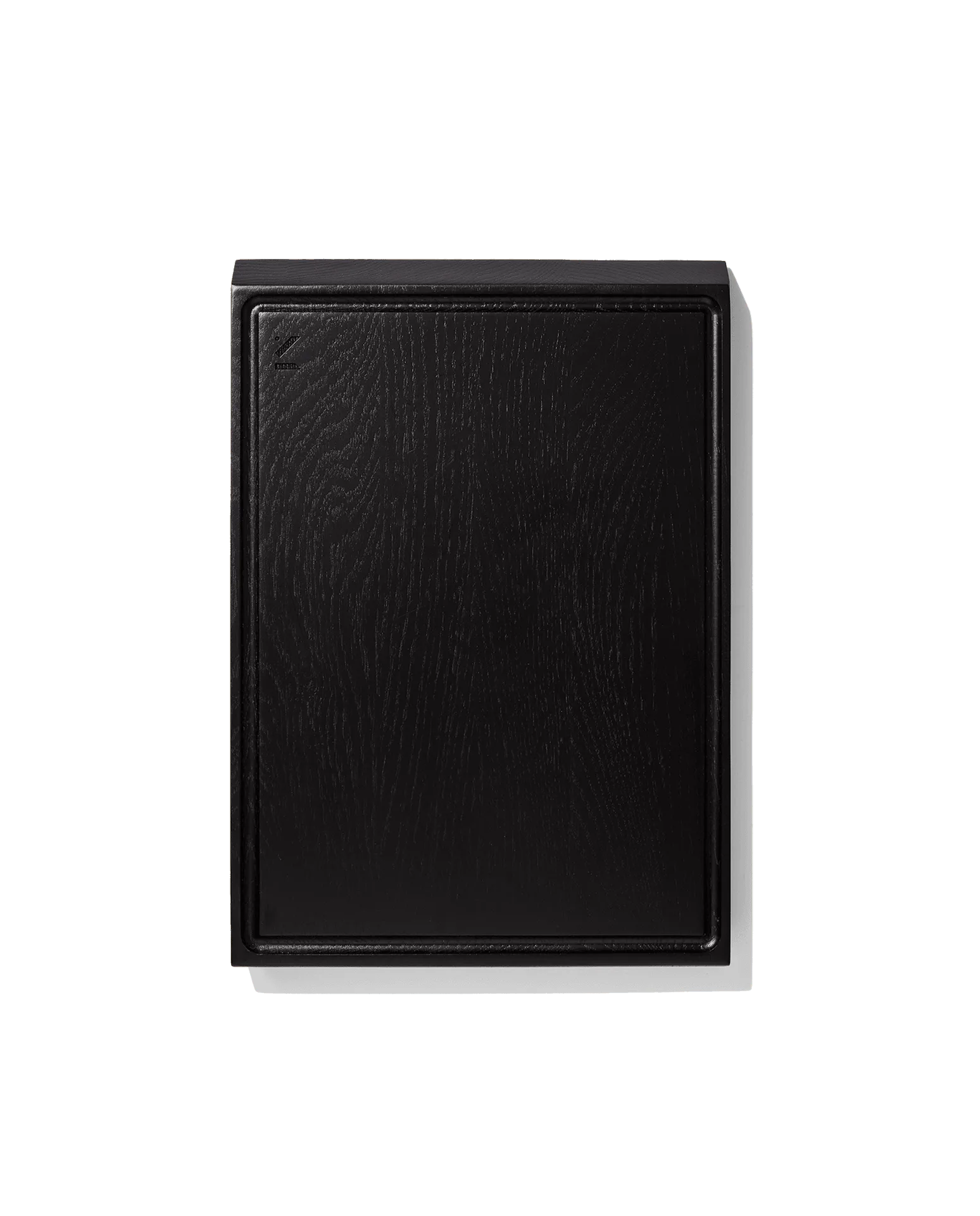
The Angled Board
Daily Care: Simple Habits for Long-Lasting Knives
- Hand wash only: Dishwashers expose knives to harsh detergents, high heat, and rattling against other items. Wash by hand with mild soap and a soft sponge, then dry immediately.
- Never leave knives in the sink: Besides being a safety hazard, prolonged moisture can cause rust and dull the edge faster.
- Use the right cutting board: Wood or soft plastic boards are gentle on edges. Avoid glass, stone, or ceramic boards—they will quickly dull your blade.
- Store knives separately: Even in a block, ensure each blade has its own slot and isn't touching another knife.
- Oil wooden handles: If your knives have wooden handles, treat them occasionally with mineral oil to prevent drying and cracking.
Cutlery Care: Beyond the Blade
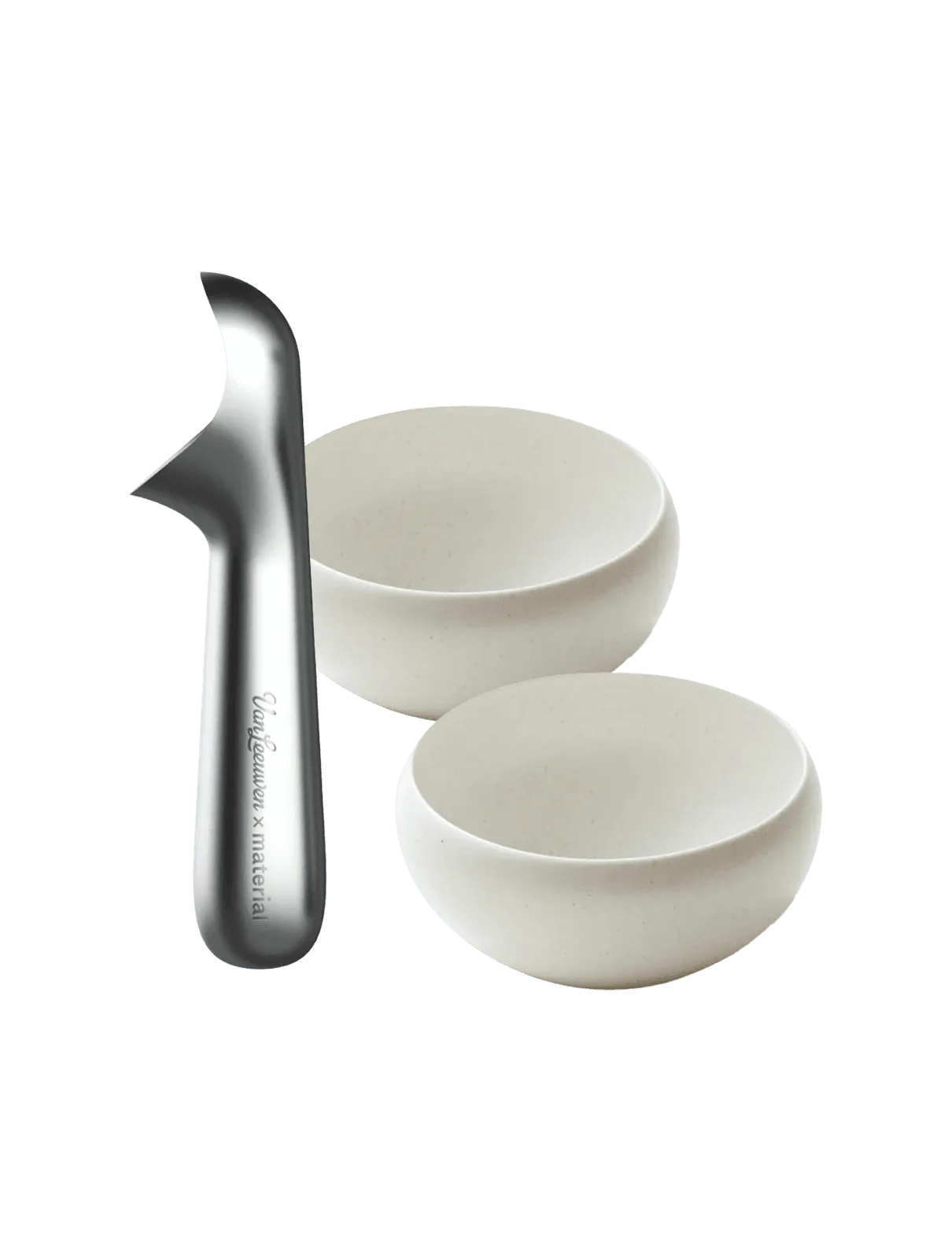
Your entire cutlery collection benefits from similar attention. While cutlery care often focuses on knives, don't forget your other tools. For example, serrated knives require special sharpening (usually with a tapered rod or professional service). And for flatware and utensils, regular polishing and gentle washing prevent tarnish. A well-maintained set not only looks better but also performs better. If you're building a complete tabletop arsenal, start with essentials like the Pantry Cutlery, which offers a balanced set of knives and tools designed for everyday use and easy care.
Common Knife Maintenance Mistakes to Avoid
Mistake
Why It's Harmful
Better Practice
Storing knives loose in a drawer
Causes chips, nicks, and scratches
Use a magnetic strip, block, or blade guards
Using a glass cutting board
Rapidly dulls the edge
Opt for wood or soft plastic boards
Putting knives in the dishwasher
Rust, warping, and dulling
Hand wash and dry immediately
Sharpening too aggressively
Removes excess metal, shortens blade life
Use proper technique; hone regularly, sharpen only when needed
Ignoring rust spots
Can pit the blade and ruin the edge
Clean with a mild abrasive (e.g., baking soda paste) and dry thoroughly
Seasonal Check: When to Sharpen and When to Replace
Even with impeccable care, every knife eventually needs replacement. Signs include a blade that no longer holds an edge after sharpening, visible chips or cracks, or a loose handle. For high-carbon steel knives, rust may become irreversible. As a rule of thumb, sharpen at the change of seasons—spring and fall—and inspect your knives for wear. A well-maintained quality knife can last decades, but don't hesitate to retire a blade that compromises safety.
Conclusion: Elevate Your Kitchen with Proper Knife Maintenance
Mastering knife maintenance is one of the most rewarding skills in the kitchen. By sharpening correctly, storing smartly, and adopting daily care habits, you'll extend the life of your blades, improve your cutting precision, and reduce the risk of accidents. Whether you're slicing, dicing, or chopping, a well-kept knife makes every task a pleasure. Start your journey today by exploring our curated selection of cutlery and accessories designed to support your cooking passion.
Ready to upgrade your kitchen tools? Discover the Pantry Cutlery collection—a thoughtfully assembled set of essential knives and prep tools perfect for any home cook. With proper care, they'll become your go-to companions for years to come.