Your toothbrush works hard every day to remove plaque, food particles, and bacteria from your teeth and gums. But like any tool, it wears out over time. Using a worn-out toothbrush head not only reduces cleaning effectiveness but can also harm your gums and enamel. Knowing when and how to replace your toothbrush head is essential for maintaining optimal oral health.
In this guide, we'll cover the signs that indicate it's time for a replacement, the recommended replacement frequency, and step-by-step instructions for switching your toothbrush head—with a focus on eco-friendly bamboo options that align with sustainable living.
Why Regular Toothbrush Head Replacement Matters
Your toothbrush head is the frontline defense against plaque and bacteria. Over time, bristles become frayed and lose their stiffness, making them less effective at removing debris. Additionally, bacteria can accumulate on the bristles, especially if the brush is stored in a damp environment. Replacing your toothbrush head regularly ensures that you're always brushing with optimal cleaning power.
Moreover, worn bristles can be too harsh on your gums, causing irritation or even receding gums over time. By replacing your toothbrush head as recommended, you protect both your teeth and gums from unnecessary damage.
- Frayed bristles can't reach deep between teeth and along the gumline.
- Old bristles harbor bacteria that can be reintroduced into your mouth.
- Consistent replacement keeps your oral care routine effective and gentle.
How Often Should You Change Your Toothbrush Head?
The American Dental Association recommends replacing your toothbrush or toothbrush head every three to four months, or sooner if the bristles become frayed. However, this timeline can vary based on your brushing habits and the type of toothbrush you use. For example, if you brush vigorously or have braces, you may need to replace it more frequently.
Children's toothbrushes often need replacement even more often because their bristles wear out faster. Also, if you've been sick, it's wise to replace your toothbrush head immediately to avoid reinfection. Following the three-month guideline ensures your brush remains effective and hygienic.
- Replace every 3-4 months, or sooner if bristles are frayed.
- After an illness, replace to prevent reinfection.
- Children's heads may need more frequent changes.
Signs It's Time to Replace Your Toothbrush Head
Even if you haven't hit the three-month mark, certain signs indicate that your toothbrush head needs replacing. Look for frayed or bent bristles, which reduce cleaning efficiency. If the bristles have changed color or the base looks worn, it's time for a new head. Also, if you notice an unpleasant odor or visible buildup on the bristles, replace it immediately.
Another sign is that your toothbrush no longer feels comfortable in your mouth. If the bristles have become too soft or too hard, they may not be providing the right level of cleaning. Trust your senses—if something seems off, it's better to swap it out early.
- Frayed or bent bristles are a clear indicator.
- Discoloration or odor on the bristles.
- Discomfort during brushing due to worn bristles.
How to Replace Your Toothbrush Head: Step-by-Step
Replacing a toothbrush head is simple, but the process may vary depending on whether you use a manual or electric toothbrush. For manual toothbrushes, you simply discard the entire brush and start with a new one. For electric or sonic toothbrushes, you'll need to detach the old head and snap on a new one.
Here's a general guide: First, rinse your toothbrush head under warm water to remove any toothpaste residue. Then, grip the head firmly and pull it away from the handle—some models may have a release button. Align the new head with the handle and push until it clicks into place. Give it a gentle tug to ensure it's secure before using.
- Rinse the old head before removal.
- Check for a release button on electric models.
- Ensure the new head clicks securely into place.
Choosing the Right Replacement Head: Bamboo Options
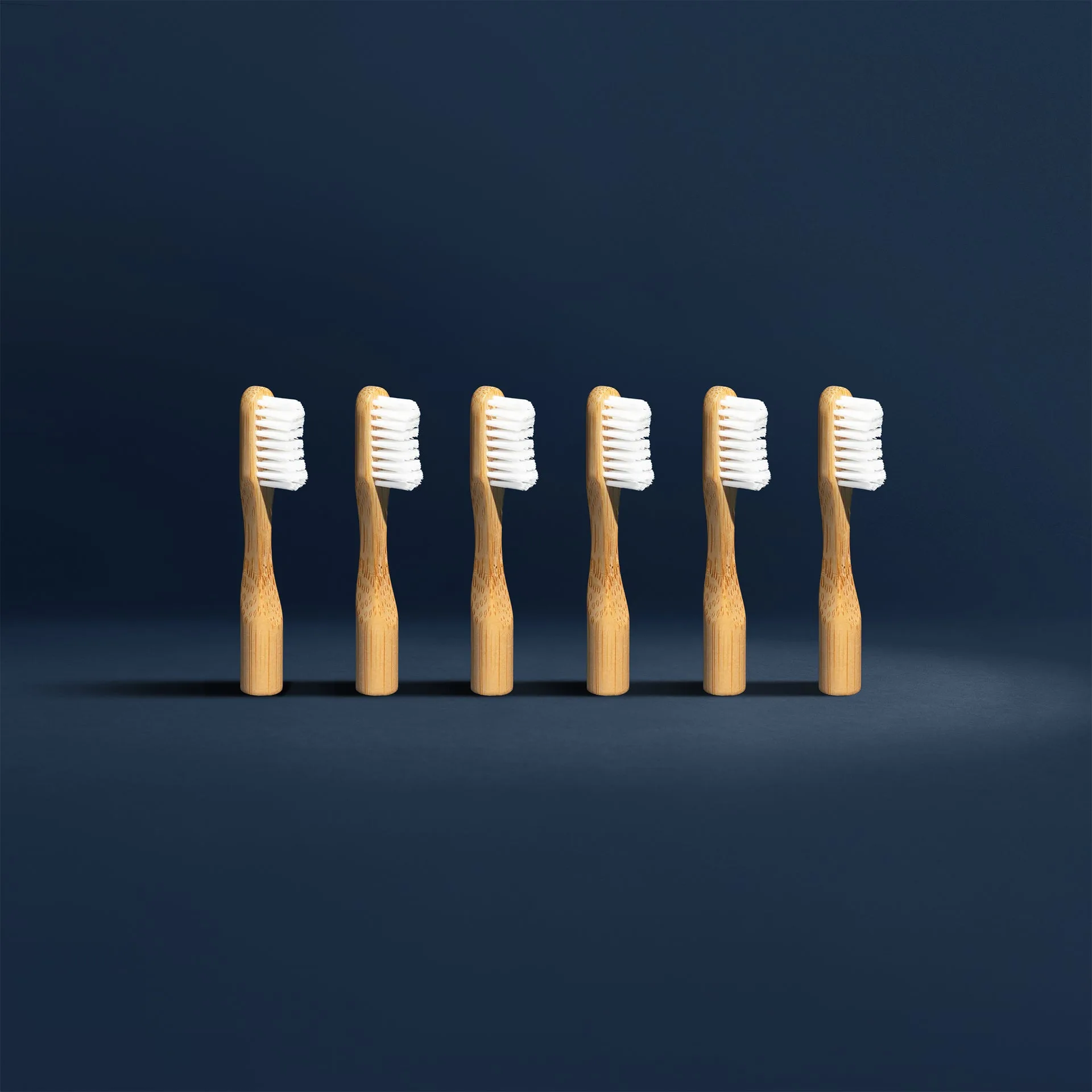
When it's time to replace your toothbrush head, consider eco-friendly options like bamboo. Bamboo is a sustainable material that's biodegradable, making it a great choice for reducing plastic waste. Many brands, including Better & Better, offer bamboo toothbrush heads that are compatible with their sonic toothbrushes.
For example, the Bamboo Toothbrush Head Refill 6 Pack provides a six-month supply, while the Adult Toothbrush Head Refill - Pack of 3 is perfect for those who prefer a smaller purchase. These bamboo heads are not only gentle on the environment but also effective in cleaning your teeth. By choosing bamboo refills, you're making a positive impact on the planet without compromising your oral care.
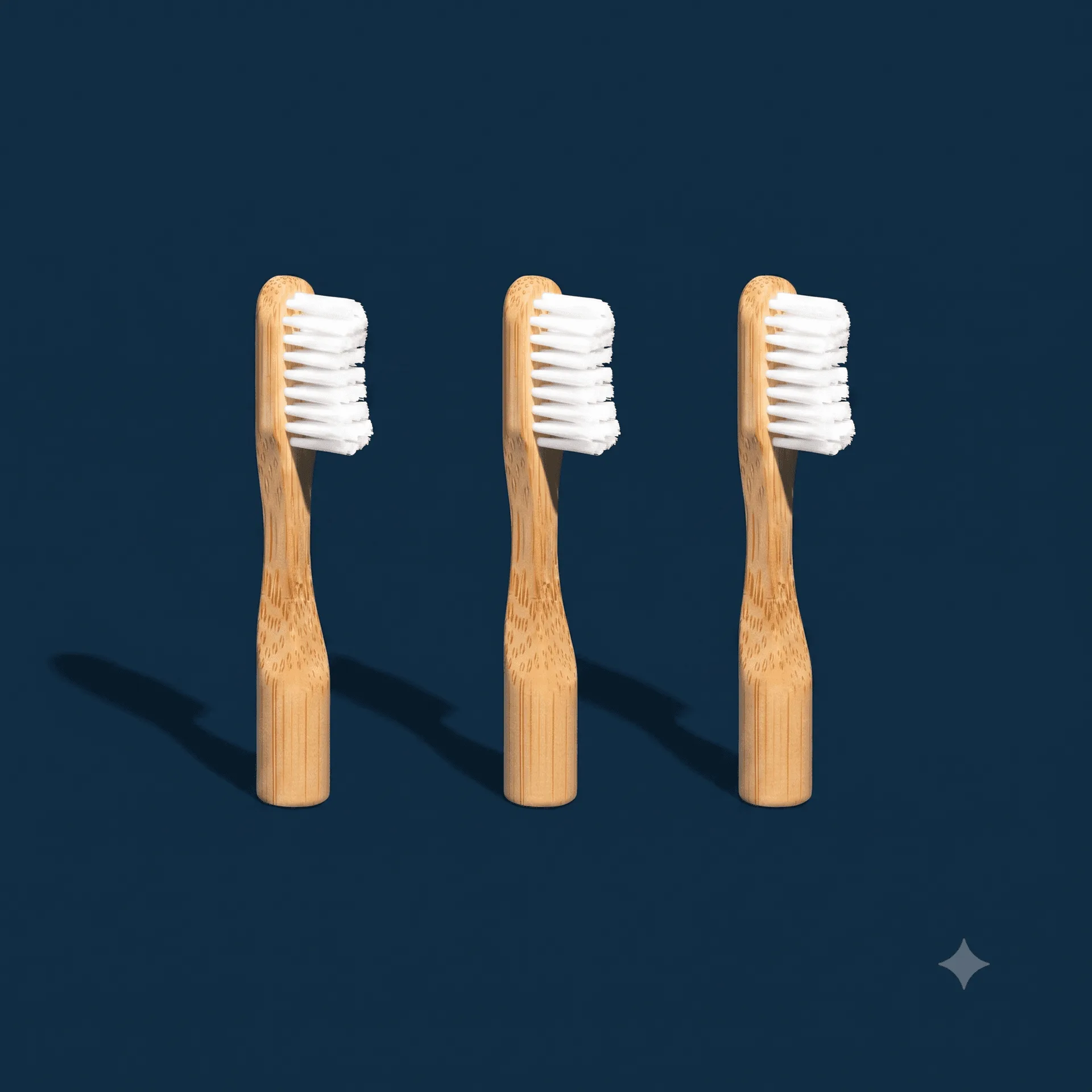
Adult Toothbrush Head Refill - Pack of 3
- Bamboo heads are biodegradable and sustainable.
- Refill packs reduce packaging waste.
- Compatible with Better & Better sonic toothbrushes.
Eco-Friendly Disposal of Old Toothbrush Heads
Proper disposal of your old toothbrush head is just as important as choosing an eco-friendly replacement. Bamboo heads can be composted if they are made from pure bamboo and natural bristles. However, if the bristles are nylon, you'll need to remove them before composting the handle. Some brands offer recycling programs for toothbrush heads, so check with the manufacturer.
If you're not able to compost or recycle, you can repurpose old toothbrush heads for cleaning hard-to-reach areas around your home. This extends their life and reduces waste. Always ensure that you clean the head thoroughly before repurposing to avoid bacteria buildup.
- Compost bamboo handles after removing nylon bristles.
- Look for recycling programs from your toothbrush brand.
- Repurpose old heads for household cleaning tasks.
Maintaining Your Toothbrush Head for Longevity
To get the most out of your toothbrush head, proper maintenance is key. After each use, rinse the head thoroughly and shake off excess water. Store your toothbrush upright and allow it to air dry—avoid covering it, as a damp environment promotes bacterial growth. Replace your toothbrush head after every three months, even if it looks fine, to ensure optimal hygiene.
Additionally, avoid sharing your toothbrush with others, as this can transfer bacteria and lead to infections. By following these simple maintenance tips, you'll extend the life of your toothbrush head and keep your mouth healthy.
- Rinse and air-dry your toothbrush after each use.
- Store upright and uncovered.
- Never share your toothbrush with others.
Replacing your toothbrush head on time is a small but crucial step in maintaining excellent oral hygiene. By following the guidelines above, you'll ensure your brushing routine remains effective and gentle on your teeth and gums. For a sustainable choice, consider the Bamboo Toothbrush Head Refill 6 Pack from Better & Better, available at our store. Make the switch today for a healthier smile and a healthier planet.