If you’re on a mission to reduce fine lines, boost collagen, and achieve a radiant complexion, you’ve likely heard about retinoids. Among them, retinaldehyde (also called retinal) has emerged as a powerful yet gentle anti-aging ingredient that bridges the gap between retinol and prescription-strength retinoids. In this complete guide, we’ll explore what retinaldehyde is, how it works, its unique benefits over other retinoids, and how to use it safely in your daily routine.
Whether you’re a skincare beginner or a seasoned enthusiast, understanding retinaldehyde can help you make smarter choices for your skin. We’ll also highlight some complementary products from Facetheory that can enhance your anti-aging regimen, including serums and moisturisers designed to support barrier health and collagen production.
What Is Retinaldehyde and How Does It Work?
Retinaldehyde is a form of vitamin A that sits one step closer to retinoic acid (the active form) than retinol. In the skin’s retinoid conversion pathway, retinol converts to retinaldehyde, which then converts to retinoic acid. This means retinaldehyde is more potent than retinol because it requires only one enzymatic step to become active, yet it is still gentler than prescription tretinoin.
When applied topically, retinaldehyde binds to retinoic acid receptors in the skin, stimulating cell turnover, boosting collagen production, and normalising keratinisation. This leads to visible improvements in fine lines, uneven texture, hyperpigmentation, and acne. Because it’s less irritating than retinoic acid, retinaldehyde is an excellent choice for those with sensitive or reactive skin who still want powerful anti-aging results.
- Retinaldehyde requires only one conversion step to become active retinoic acid, making it faster-acting than retinol.
- It supports collagen synthesis and accelerates skin cell renewal for smoother, firmer skin.
- Its gentler profile makes it suitable for sensitive skin types when introduced gradually.
Retinaldehyde vs Retinol: Which Is Better for Anti-Aging?
The debate between retinaldehyde and retinol often comes down to efficacy versus tolerance. Retinol is a well-studied, effective anti-aging ingredient, but it requires two enzymatic conversions to become active, which can take longer to show results. Retinaldehyde, on the other hand, is up to 11 times faster at converting to retinoic acid, meaning you may see improvements in fine lines and texture sooner.
However, retinaldehyde can still cause some irritation if used incorrectly, especially at higher concentrations. Many users find that starting with a lower percentage (e.g., 0.05% or 0.1%) and gradually increasing frequency helps build tolerance. For those who have already used retinol without issues, retinaldehyde can be a powerful upgrade. If you’re new to retinoids, a gentle retinal serum combined with a soothing moisturiser can minimise side effects while delivering results.
Ultimately, the choice depends on your skin’s tolerance and your anti-aging goals. Retinaldehyde offers a faster track to visible results with a lower irritation potential than prescription options, making it a smart middle ground for many.
- Retinaldehyde works faster than retinol because it requires only one conversion step.
- It is generally less irritating than prescription retinoids but more potent than retinol.
- Start with a low concentration (0.05%–0.1%) and use it 2–3 times per week, gradually increasing as your skin adjusts.
How to Incorporate Retinaldehyde Into Your Skincare Routine
Introducing retinaldehyde requires a thoughtful approach to avoid irritation. Begin by using it once or twice a week in the evening, after cleansing and before moisturising. Always apply a pea-sized amount to dry skin, avoiding the eye and lip areas. Over time, you can increase frequency to every other night or nightly, depending on your skin’s reaction.
Pairing retinaldehyde with a supportive routine is crucial. Use a gentle, non-stripping cleanser to prep the skin. Follow up with a hydrating moisturiser to reinforce the skin barrier. In the morning, always apply a broad-spectrum sunscreen (SPF 30 or higher) because retinoids increase photosensitivity. For extra nourishment, consider adding a peptide-rich night cream or a barrier-supporting serum to your evening routine.
Many users find that combining retinaldehyde with other anti-aging ingredients like vitamin C or niacinamide can amplify results, but it’s best to use them at different times of day to minimise irritation. For example, use vitamin C in the morning and retinaldehyde at night.
- Start with low frequency (1–2 times per week) and build up gradually.
- Always apply to clean, dry skin and follow with a moisturiser.
- Use sunscreen daily to protect your skin from UV damage while using retinoids.
Top Facetheory Products to Support Your Retinaldehyde Routine
While Facetheory does not currently offer a dedicated retinaldehyde serum, their product range includes excellent companions that enhance anti-aging benefits and support skin health. For example, the Polypep Complex Collagen-Boosting Serum is packed with peptides that work synergistically with retinoids to stimulate collagen production and improve skin firmness. Apply it in the morning or on non-retinal nights for best results.
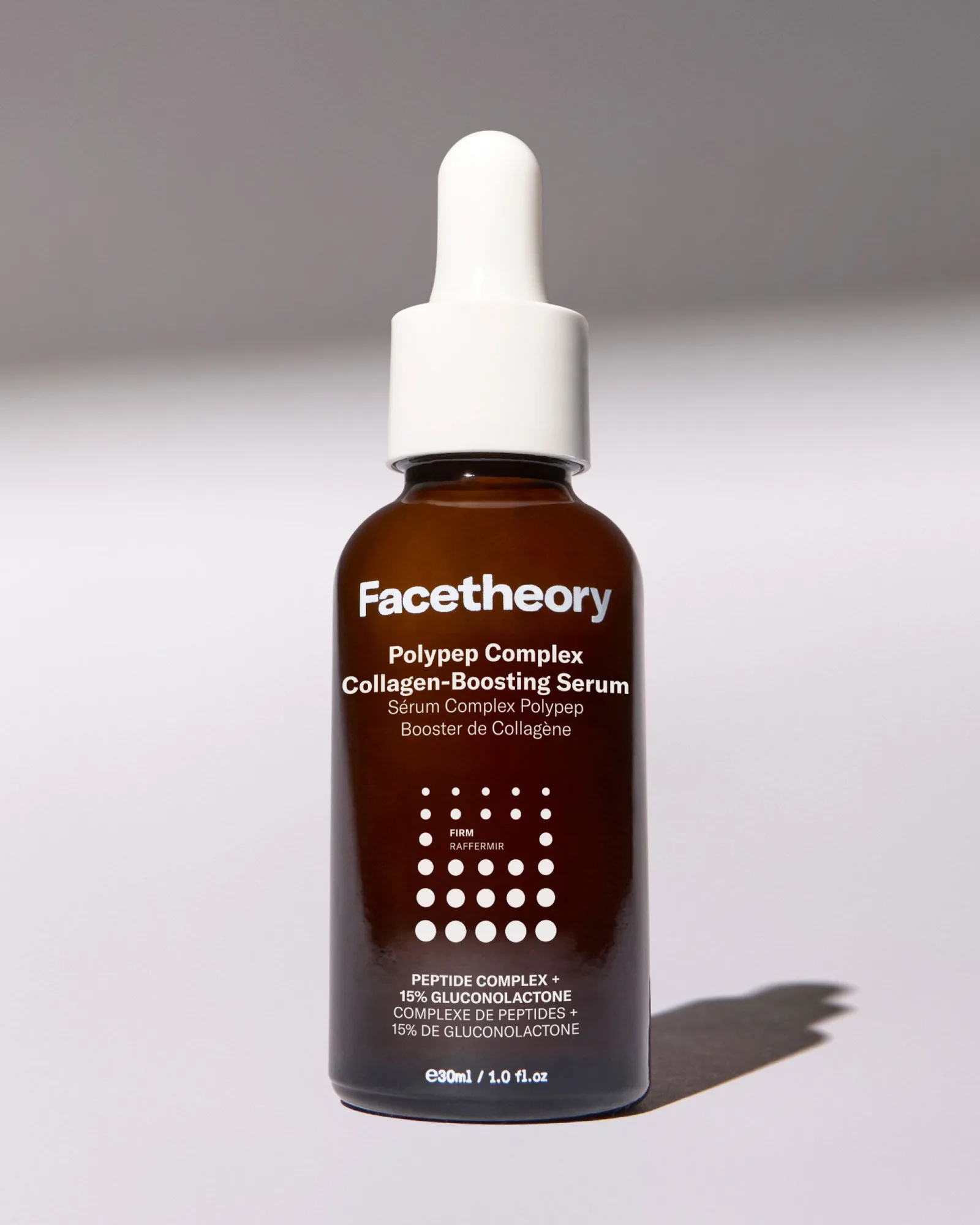
Polypep Complex Collagen-Boosting Serum
Another standout is the Peptide Firming Night Cream, which delivers a rich blend of peptides and moisturising ingredients to support overnight repair. Using it after retinaldehyde helps soothe the skin and lock in hydration, reducing the risk of dryness or flaking. For those with sensitive or dehydrated skin, the Ectoin BarrierBuild Milk provides lightweight yet effective barrier support, making it an ideal post-retinoid moisturiser.
If you’re looking to brighten and even skin tone alongside anti-aging, the Glow-C Vitamin C 20% Serum can be used in the morning to complement your nighttime retinaldehyde routine. Vitamin C and retinaldehyde are a powerful duo for tackling fine lines, pigmentation, and dullness.
- Polypep Complex Collagen-Boosting Serum: A peptide-rich serum that supports collagen and elasticity.
- Peptide Firming Night Cream: A nourishing night cream to soothe and firm skin after retinoid use.
- Ectoin BarrierBuild Milk: A gentle barrier-supporting moisturiser for sensitive or compromised skin.
Common Mistakes to Avoid When Using Retinaldehyde
One of the biggest mistakes is starting with too high a concentration or using it too frequently. This can lead to redness, peeling, and irritation, which may discourage you from continuing. Always start low and go slow. Another common error is skipping moisturiser or sunscreen. Retinaldehyde accelerates cell turnover, making the skin more vulnerable to dryness and UV damage. A rich moisturiser and daily SPF are non-negotiable.
Some users also combine retinaldehyde with other strong actives like AHAs or BHAs in the same routine, which can overwhelm the skin. Instead, alternate them on different nights or use exfoliants in the morning (if tolerated). Finally, be patient—retinaldehyde can show visible improvements in 8–12 weeks, but consistency is key. Don’t expect overnight miracles.
- Avoid using retinaldehyde with other strong actives (like AHAs) in the same routine.
- Always apply moisturiser after retinaldehyde to minimise irritation.
- Give your skin time to adjust—results typically appear after 2–3 months of consistent use.
Retinaldehyde is a game-changer for anti-aging skincare, offering a potent yet gentle alternative to retinol. By understanding how it works and how to use it correctly, you can achieve smoother, firmer, and more youthful-looking skin. To build a complete anti-aging routine, consider complementing your retinaldehyde with supportive products like the Polypep Complex Collagen-Boosting Serum, which works alongside retinoids to maximise collagen production and skin resilience.