Setting a beautiful tablescape is an art that transforms a simple meal into a memorable experience. Whether you're hosting a casual dinner party or a festive holiday gathering, the way you arrange your table sets the tone for the entire event. From the foundation of a well-chosen tablecloth to the final placement of flatware, every detail contributes to a cohesive and inviting look.
In this comprehensive guide, we'll walk you through the essentials of tablescape design, including how to layer textiles, choose the right dinnerware, and arrange flatware with confidence. You'll discover practical tips that blend style and functionality, ensuring your table is both stunning and practical for your guests.
Starting with the Foundation: Choosing the Right Tablecloth
The tablecloth is the canvas of your tablescape. It sets the color palette and texture, anchoring the entire arrangement. For formal dinners, opt for a crisp white or neutral linen that allows your dinnerware and centerpieces to shine. For a more relaxed vibe, consider patterned or textured fabrics like gingham, stripes, or a subtle floral. The key is to choose a material that complements your dining room decor and the occasion. Linen and cotton are breathable and easy to care for, while polyester blends offer wrinkle resistance for busy hosts.
When selecting a tablecloth, measure your table and allow for a drop of 8 to 12 inches on each side for a classic look. If you're using a table runner or placemats, coordinate them with the tablecloth for a layered effect. Remember, the tablecloth should be clean and pressed before guests arrive—it's the first thing they'll notice. For a modern twist, try mixing textures like a linen tablecloth with a velvet runner or a cotton cloth with a lace overlay.
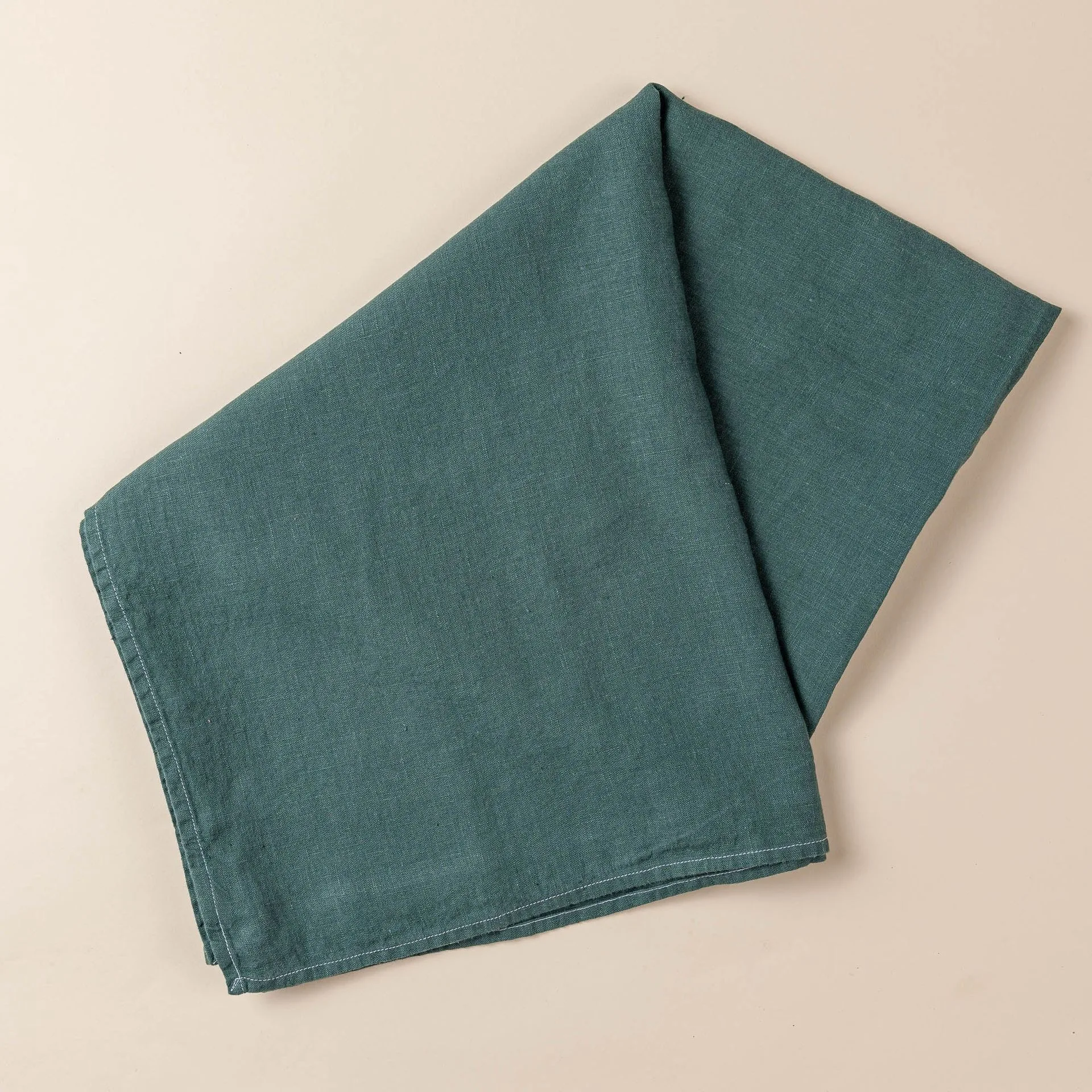
linen tablecloth
- Measure your table length and width, then add 16-24 inches for the drop on each side.
- Choose machine-washable fabrics for everyday use and dry-clean-only linens for special occasions.
- Consider seasonal colors: pastels for spring, warm earth tones for fall, and crisp whites for summer.
Layering with Placemats and Napkins
Placemats add structure and protection to your table while introducing another layer of color or pattern. They can be rectangular, round, or even woven from natural materials like bamboo or rattan for an organic feel. For a cohesive look, match your placemats to the tablecloth's undertone or choose a contrasting hue that pops. Napkins, whether cloth or paper, should be folded neatly and placed either to the left of the plate or on the plate itself. Cloth napkins add elegance and can be tied with a napkin ring for a polished finish.
Speaking of napkin rings, the Brass Circlet Napkin Rings, Set of 4 are a wonderful way to elevate your table setting. These simple yet sophisticated rings add a touch of warmth and structure to your napkins, making them a focal point rather than an afterthought. Pair them with linen napkins in a complementary shade for a look that feels both curated and effortless. You can also use napkin rings to hold a sprig of rosemary or a small flower for an extra personal touch.

Brass Circlet Napkin Rings, Set of 4
- Fold napkins in a classic rectangle or a fan shape for visual interest.
- Use napkin rings to coordinate with other metal accents like flatware or candle holders.
- Place a small menu card or name tag on top of the napkin for formal dinners.
Dinnerware and Glassware: The Heart of the Tablescape
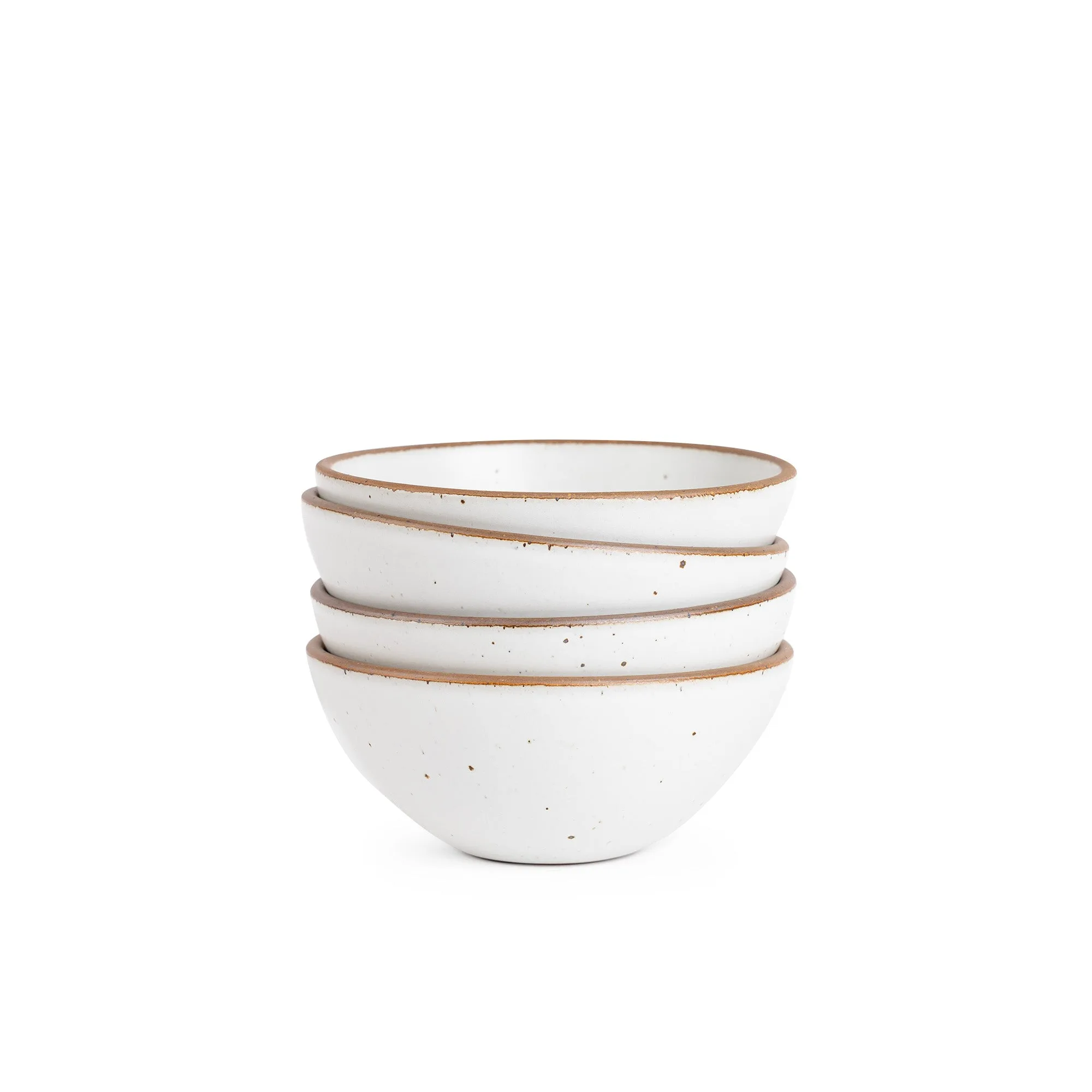
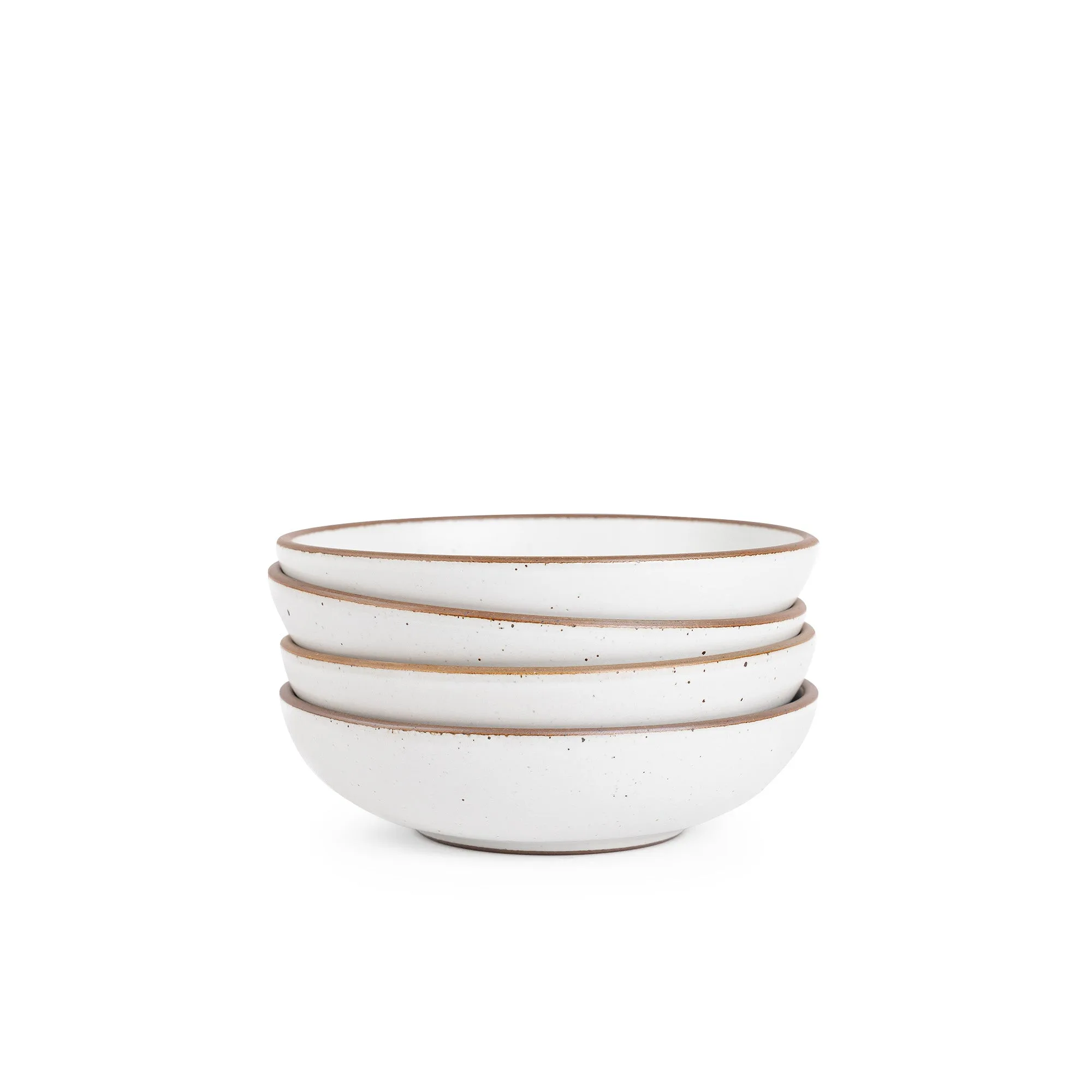
Your dinnerware is the centerpiece of each place setting. Start with a large dinner plate, then layer a salad or appetizer plate on top. For a cohesive look, choose plates from the same collection or mix and match complementary patterns. Stoneware and porcelain are durable choices that retain heat well, while ceramic pieces add artisanal charm. Don't forget the importance of glassware—water glasses, wine glasses, and stemware should be arranged in a logical order from left to right based on usage.
For versatile glassware that works for everything from water to cocktails, consider the https://astrakitchen.shop/products/little-coupe-4-pack-117323Little Coupe 4-Pack. These petite coupes are perfect for serving appetizers, desserts, or small portions of soup, and their elegant shape adds a touch of sophistication to any tablescape. Place them to the right of the water glass, or use them as part of a dessert setting. Their compact size also makes them ideal for smaller tables where space is at a premium.
- Arrange glassware in order of use: water glass closest to the hand, then wine, then champagne.
- For casual settings, mix vintage and modern pieces for an eclectic look.
- Ensure all glassware is polished and free of water spots before guests arrive.
Flatware Placement: The Rules and When to Break Them
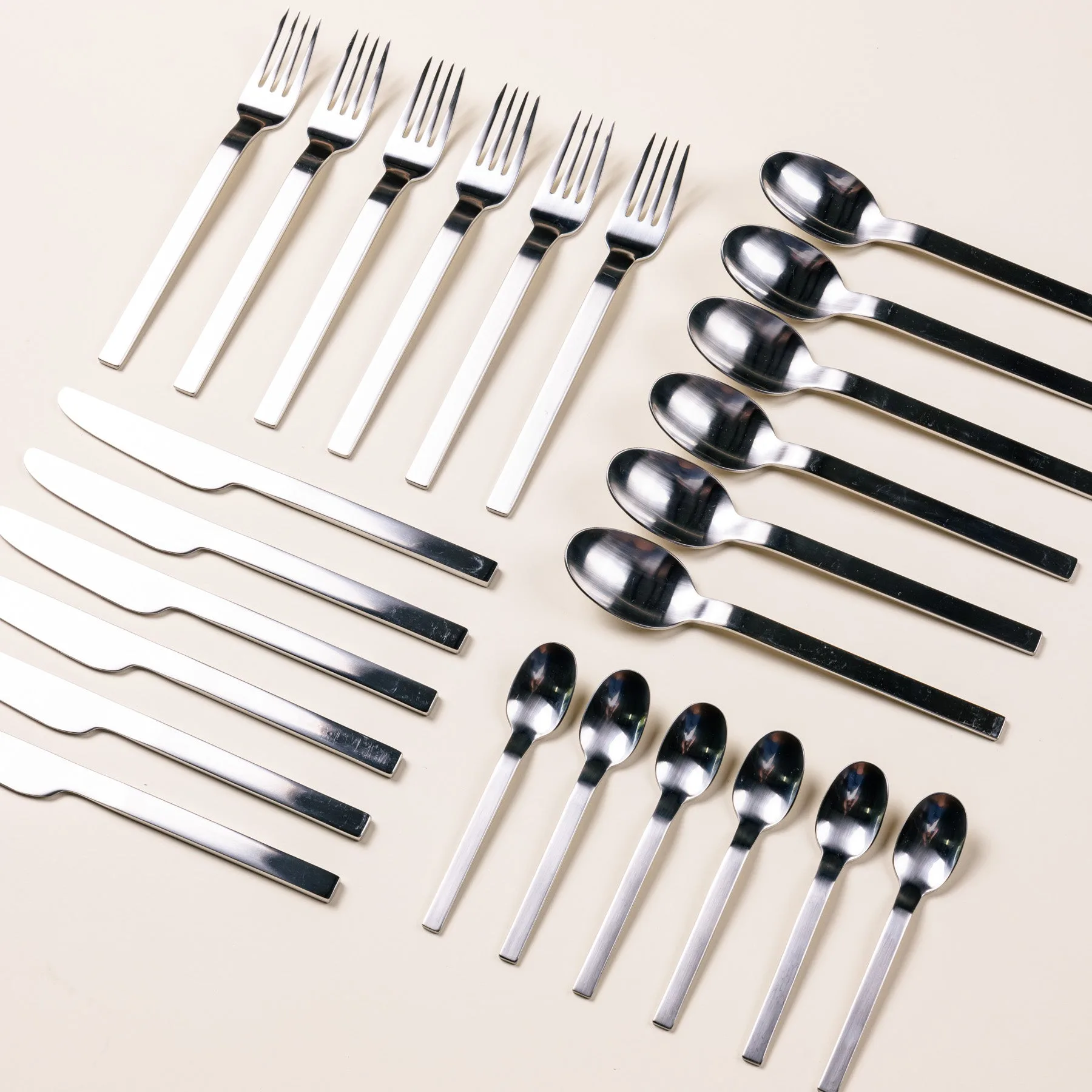
Flatware placement follows a simple rule: work from the outside in, with the first course utensils farthest from the plate. Forks go on the left, knives and spoons on the right, with the blade of the knife facing the plate. Dessert utensils are placed horizontally above the plate or brought out with the dessert course. This traditional arrangement ensures guests can easily identify which utensil to use for each course. However, for casual gatherings, you can simplify by placing only the essentials and adding more as needed.
When selecting flatware, consider the weight and finish that best suits your table. Stainless steel is classic and durable, while gold or brass accents add a luxurious touch. If you're using a charger plate, place the flatware directly on the charger or on the table beside it. For a modern tablescape, try mixing metal finishes—like silver forks with gold knives—for an intentionally curated look. Just ensure the pieces are balanced and not too cluttered.
- Place the fork for the main course closest to the plate, then salad fork to its left.
- Knife blade always faces the plate; spoon goes to the right of the knife.
- For seafood, add a small fork to the right of the soup spoon.
Centerpieces and Final Touches
The centerpiece is the crowning glory of your tablescape. It should be low enough that guests can see over it, or tall and narrow to avoid blocking sightlines. Fresh flowers, candles, or a bowl of seasonal fruit all make excellent centerpieces. For a cohesive look, echo the colors or textures from your tablecloth and napkins. A simple arrangement of greenery in a ceramic vase can be both elegant and budget-friendly. Candles add warmth and ambiance—taper candles in brass holders are a classic choice.
Don't overlook the small details that tie the tablescape together. A butter dish, like the Glass Butter Dish, is both functional and decorative. Its transparent design allows the butter's color to show through, adding a soft golden accent to the table. Place it near the bread basket or at the center of the table for easy access. Similarly, a small bowl of olives or a dish of salt can serve as both a condiment and a visual element. These finishing touches show your guests that every detail has been considered.
- Keep centerpieces under 12 inches tall for easy conversation across the table.
- Use unscented candles to avoid interfering with food aromas.
- Add personal touches like handwritten place cards or a small favor at each seat.
Creating a memorable tablescape is about balancing beauty with practicality. Start with a foundation of quality textiles, layer in thoughtful dinnerware and glassware, and finish with personal touches that reflect your style. For a versatile addition to your table setting, explore the Little Coupe 4-Pack—perfect for serving small bites or desserts with elegance. With these tips, you'll be ready to host with confidence and style.