Investing in a high-quality linen duvet cover is a game-changer for your bedroom — it’s breathable, naturally temperature-regulating, and gets softer with every wash. But to truly enjoy the benefits of linen, you need to care for it correctly. Unlike cotton or microfiber, linen has unique fibers that respond best to gentle handling and specific washing routines. Whether you’ve just purchased your first set or you’re looking to extend the life of a beloved favorite, this guide covers everything you need to know about washing, drying, and storing your linen duvet cover.
Why Proper Care Matters for Linen Bedding
Linen is made from flax plant fibers, which are strong yet delicate when wet. Without proper care, linen can become scratchy, lose its shape, or develop unwanted wrinkles that are hard to remove. On the flip side, when you follow the right care routine, your Brushed Cotton Duvet Cover Set - Bone K/CK (or any linen alternative) will reward you with a luxuriously soft feel and enduring beauty. The key is understanding that linen needs a gentle touch — think of it as a fabric that softens with age, like a fine leather bag.
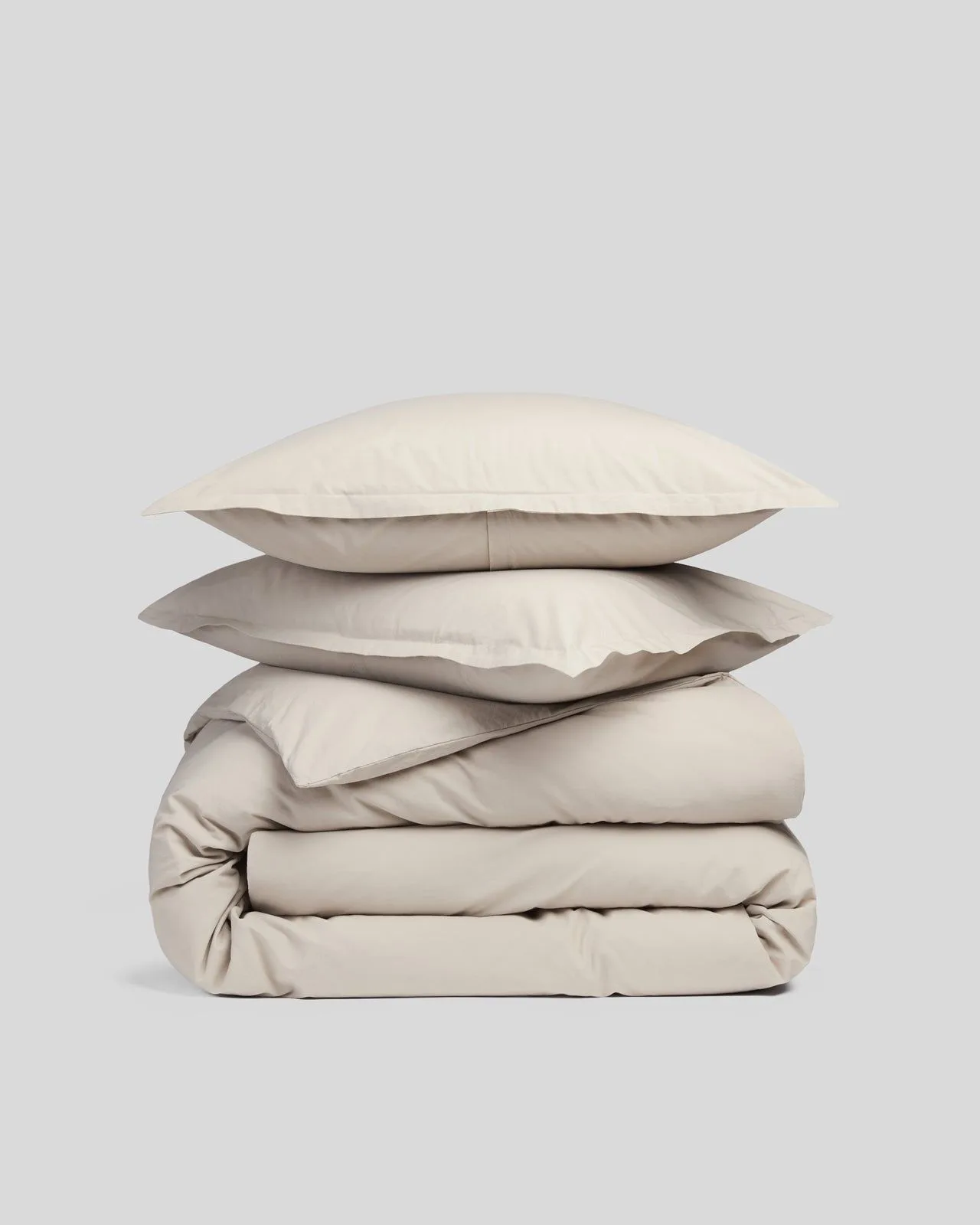
Brushed Cotton Duvet Cover Set - Bone K/CK
Many people shy away from linen because they worry about maintenance. But the truth is, with a few simple habits, caring for linen becomes second nature. And the payoff is huge: bedding that looks effortlessly chic, feels amazing against your skin, and lasts for years.
How to Wash Your Linen Duvet Cover
Pre-Wash Preparation
Before you toss your linen duvet cover into the machine, always check the care label for specific instructions. Most linen bedding can be machine washed, but there are a few steps to take first:
- Turn it inside out — This protects the outer surface and reduces friction on any buttons or ties.
- Close all fasteners — Button or tie the duvet cover closed to prevent snagging.
- Treat stains promptly — For spot cleaning, use a mild detergent and cold water. Avoid bleach, which can weaken linen fibers.
Water Temperature and Detergent
Always use cold or lukewarm water (max 30°C / 86°F). Hot water can shrink linen and damage the fibers over time. Choose a gentle, liquid detergent that is free from harsh chemicals, optical brighteners, or bleach. Enzyme-based detergents are excellent for removing body oils and sweat without being abrasive.
If you have hard water, consider adding a capful of white vinegar during the rinse cycle — it helps remove mineral deposits and keeps linen feeling soft. Avoid fabric softeners, as they coat the fibers and reduce linen’s natural absorbency and breathability.
Machine Settings
Set your washing machine to a delicate or gentle cycle with a low spin speed. High-speed spinning can cause excessive wrinkling and stress on the fabric. If your machine has an extra rinse option, use it to ensure all detergent residue is removed — leftover soap can make linen feel stiff.
Wash your linen duvet cover separately from heavy items like jeans or towels to prevent friction and pilling.
Drying Your Linen Duvet Cover the Right Way
Drying is where many people make mistakes with linen. Here’s how to do it perfectly:
Air Drying vs. Machine Drying
Air drying is best for preserving linen’s integrity. Hang your duvet cover on a clothesline or drying rack in a well-ventilated area out of direct sunlight (which can cause fading). Linen dries relatively quickly because of its loose weave.
If you’re short on time, you can use a dryer — but with caution:
- Use a low or no-heat setting (air fluff or delicate).
- Remove the duvet cover while it’s still slightly damp to prevent over-drying.
- Fold or smooth it out immediately to minimize wrinkles.
For a crisp finish, you can iron linen on a medium-high setting while it’s still damp. But many linen lovers prefer the natural, relaxed look — it’s part of the charm.
Avoid Over-Drying
Over-drying in a hot machine is the number one cause of brittle, scratchy linen. It can also cause shrinkage. If you must machine dry, check the fabric every 10–15 minutes until it’s about 80% dry, then finish by air drying.
How to Store Your Linen Duvet Cover
Proper storage keeps your linen fresh and ready to use. Follow these tips:
- Clean before storing — Always wash and fully dry your duvet cover before putting it away. Stored moisture leads to mildew and musty odors.
- Fold neatly — Avoid hanging linen for long periods, as the weight can stretch the fabric. Instead, fold it and place it on a shelf or in a drawer.
- Use breathable storage — Cotton or muslin bags are ideal. Avoid plastic bins, which trap moisture and can cause yellowing.
- Add a natural repellent — Place a sachet of dried lavender or cedar chips in the storage area to deter moths and keep linen smelling fresh.
- Rotate your bedding — If you have multiple duvet covers, rotate them every few weeks to distribute wear evenly.
Storing your duvet cover properly between seasons ensures it stays in pristine condition. If you’re looking for a lightweight alternative for warmer months, consider the Organic Cloud Cotton Quilt - FINAL SALE (Natural and Ivory) — it’s easy to care for and pairs beautifully with linen sheets.
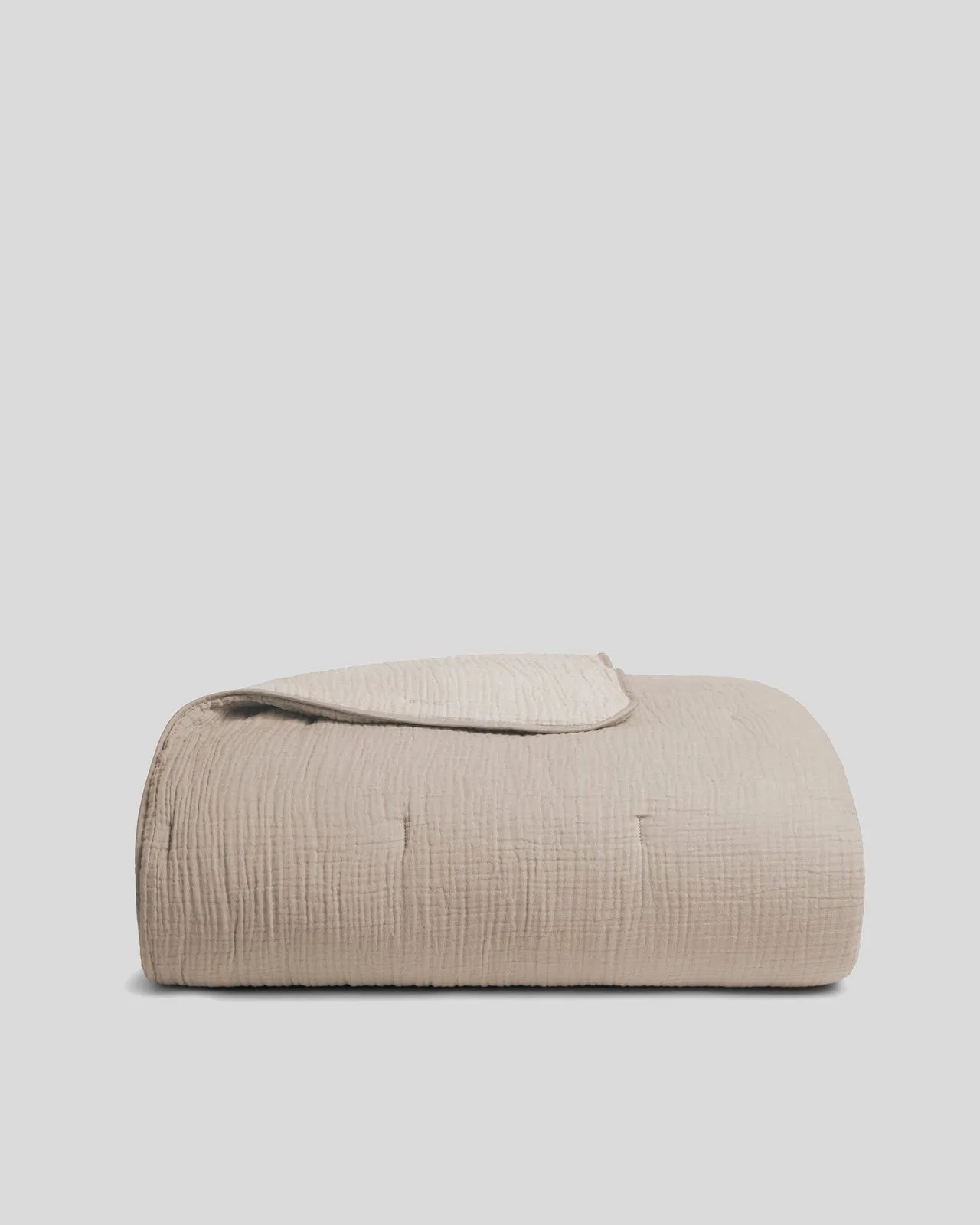
Organic Cloud Cotton Quilt - FINAL SALE (Natural and Ivory)
Common Linen Care Mistakes to Avoid
Mistake
Why It’s Harmful
Better Approach
Using hot water
Shrinks and weakens fibers
Always use cold or lukewarm water
Overloading the washer
Insufficient cleaning and increased friction
Wash linen separately or with similar fabrics
Using bleach
Damages fibers and causes yellowing
Use oxygen bleach (like OxiClean) or vinegar for whitening
High-heat drying
Makes linen brittle and scratchy
Air dry or use low/no heat
Ironing dry linen
Can scorch or create permanent creases
Iron while slightly damp on a medium setting
How Often Should You Wash a Linen Duvet Cover?
Linen is naturally antimicrobial and resistant to dust mites, so it doesn’t need to be washed as frequently as cotton. Aim to wash your duvet cover every 2–4 weeks depending on use. If you sleep hot or have allergies, you can wash it more often — just stick to the gentle routine described above.
Between washes, air out your duvet cover by hanging it in a well-ventilated room for a few hours. This refreshes the fibers and reduces the need for frequent laundering.
Final Thoughts: Make Linen Care a Breeze
Caring for your linen duvet cover doesn’t have to be complicated. With a few mindful habits — cold water, gentle detergent, low-heat drying, and proper storage — you’ll enjoy the unmatched comfort and timeless elegance of linen for years. Remember, linen improves with age, so the more you love it, the softer it gets.
If you’re ready to elevate your bedding collection, explore the Brushed Cotton Duvet Cover Set - White F/Q for a crisp, easy-care alternative that complements any decor. Pair it with a plush bath rug like the Looped Bath Rug (Moss) to complete your cozy home sanctuary.