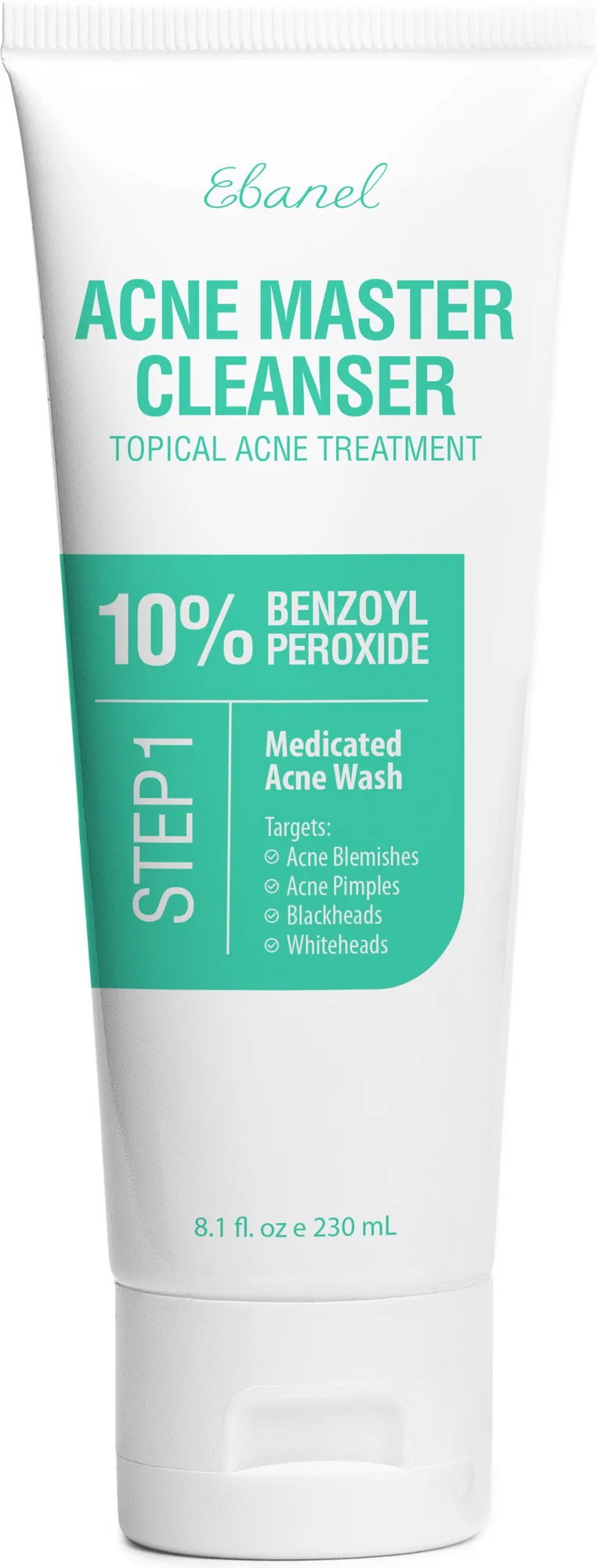
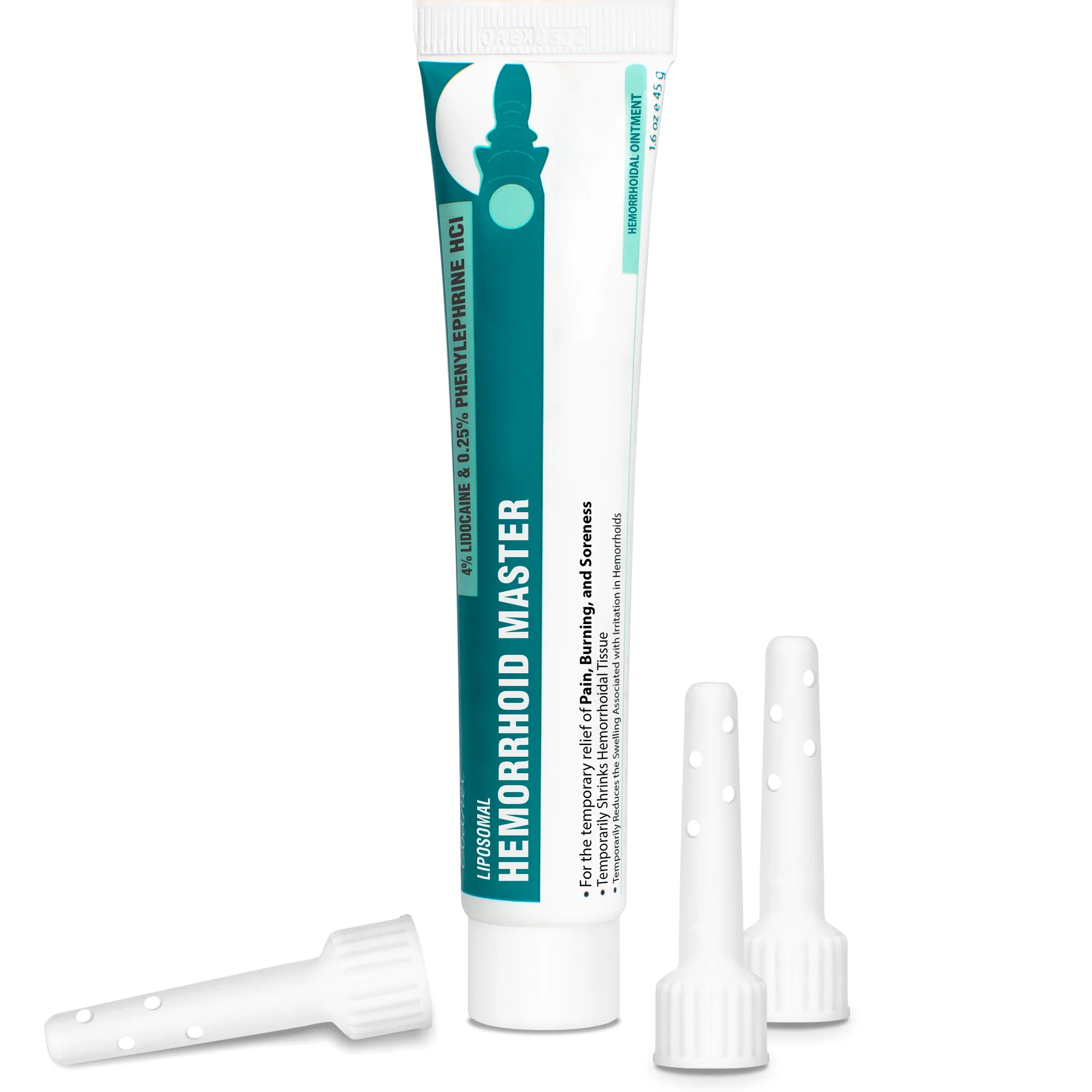
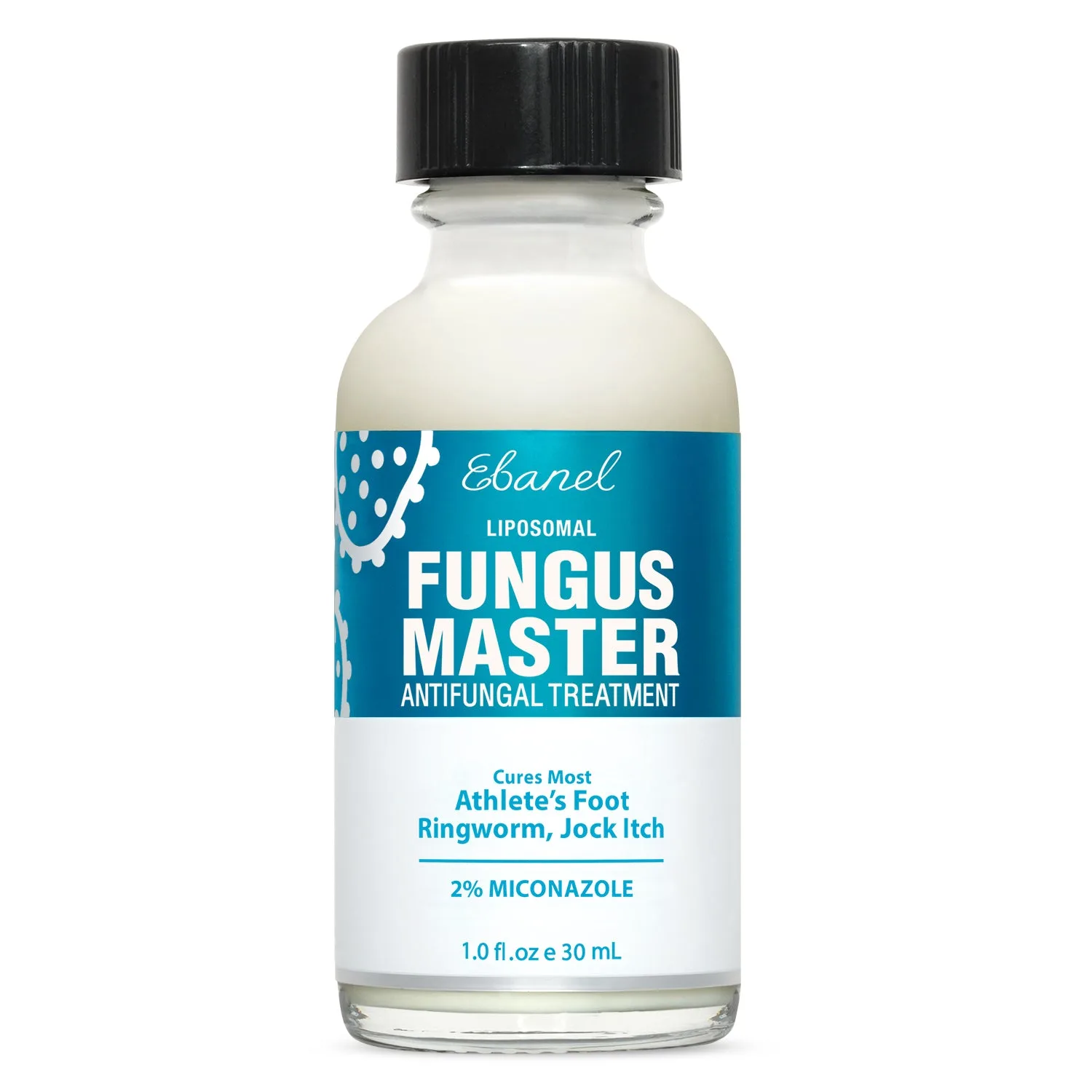
Fungal infections are more common than most people realize. From athlete's foot and jock itch to ringworm and nail fungus, these stubborn conditions can cause discomfort, itching, and embarrassment. While many over-the-counter antifungal creams are available, choosing the right one and using it correctly can make all the difference in clearing the infection quickly and preventing recurrence.
In this comprehensive guide, we will walk you through the causes of fungal infections, how antifungal creams work, and the most effective treatment strategies. We will also highlight key ingredients like liposomal technology that can enhance absorption and speed up healing. Whether you are dealing with a mild case or a persistent outbreak, this article will equip you with the knowledge to treat fungal infections confidently.
Understanding Fungal Infections: Causes and Common Types
Fungal infections are caused by microscopic organisms called dermatophytes, which thrive in warm, moist environments. Common areas of infection include the feet (athlete's foot), groin (jock itch), scalp, and nails. Risk factors include excessive sweating, wearing tight or non-breathable footwear, walking barefoot in public showers or pools, and having a weakened immune system.
The most prevalent fungal infections include tinea pedis (athlete's foot), tinea cruris (jock itch), tinea corporis (ringworm), and onychomycosis (nail fungus). Each type requires a slightly different approach, but antifungal creams are often the first line of defense. Early treatment is key, as fungal infections can spread to other parts of the body or to other people if left untreated.
- Athlete's foot often starts between the toes and can cause peeling, cracking, and itching.
- Jock itch appears as a red, itchy rash in the groin area and is common in athletes.
- Ringworm presents as a circular, scaly patch that can appear anywhere on the body.
How Antifungal Creams Work: Active Ingredients and Mechanisms
Antifungal creams contain active ingredients that target the cell membranes of fungi, disrupting their growth and eventually killing them. Common OTC antifungal agents include clotrimazole, miconazole, terbinafine, and tolnaftate. Prescription-strength options may include stronger azoles or allylamines for stubborn infections.
One advanced formulation gaining popularity is liposomal antifungal cream. Liposomal technology encapsulates the active ingredient in tiny lipid vesicles, which penetrate deeper into the skin layers where fungi often reside. This enhanced delivery system can improve efficacy, reduce treatment time, and lower the risk of recurrence. For example, the Ebanel Skincare Liposomal Hemorrhoid Master+ Cream uses liposomal technology for targeted relief, and similar principles apply to antifungal treatments.
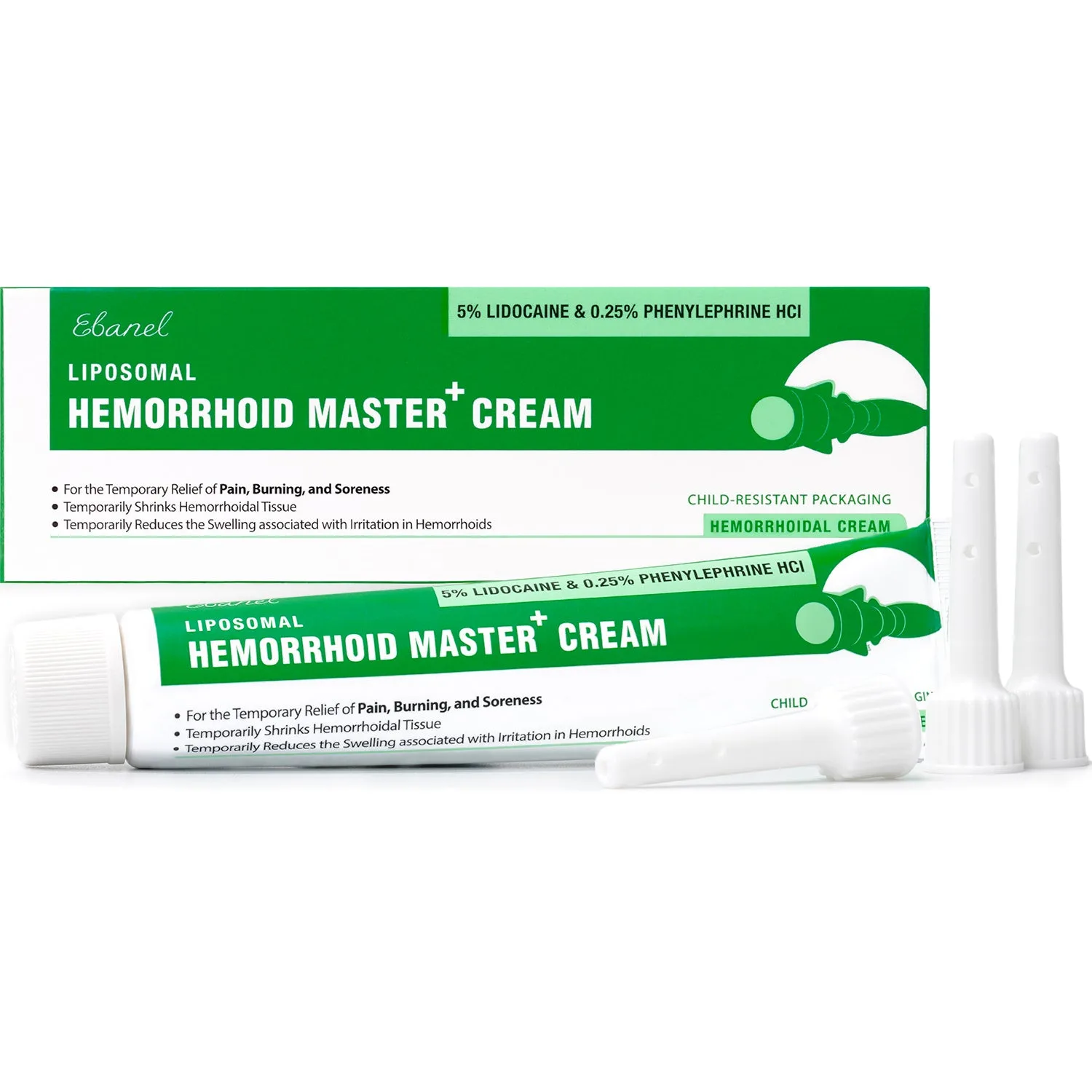
Liposomal Hemorrhoid Master+ Cream
- Terbinafine is highly effective against athlete's foot and ringworm.
- Clotrimazole is a broad-spectrum antifungal suitable for various infections.
- Liposomal formulas offer deeper skin penetration and faster results.
Best Practices for Treating Athlete's Foot and Other Fungal Infections
Consistency is crucial when using antifungal creams. Apply the cream to the affected area and a small margin of healthy skin around it, usually once or twice daily as directed. Continue treatment for at least one to two weeks after symptoms disappear to ensure the fungus is fully eradicated. Stopping too early often leads to recurrence.
In addition to topical treatment, keep the infected area clean and dry. Change socks and underwear daily, wear breathable fabrics, and avoid sharing towels or footwear. For athlete's foot, consider using an antifungal powder or spray in shoes. If you have sensitive skin or a persistent infection, look for creams with soothing ingredients like aloe vera or vitamin E to reduce irritation.
- Wash and dry the affected area thoroughly before applying cream.
- Use a separate towel for the infected area to prevent spreading.
- Replace shoes and socks regularly, and let shoes air out between uses.
When to See a Doctor: Signs You Need Prescription Treatment
Most mild to moderate fungal infections respond well to OTC antifungal creams within two to four weeks. However, you should consult a healthcare provider if the infection spreads, becomes painful, or does not improve after four weeks of consistent treatment. Nail fungus often requires oral medication or medicated nail lacquer, as topical creams struggle to penetrate the nail plate.
People with diabetes, compromised immune systems, or recurrent infections may also need prescription-strength treatments. Your doctor may perform a skin scraping or culture to confirm the diagnosis and rule out other conditions like eczema or psoriasis. In some cases, combining topical and oral antifungal therapy yields the best results.
- Redness, swelling, or pus may indicate a secondary bacterial infection.
- Nail thickening or discoloration often requires professional treatment.
- Recurrent infections may signal an underlying health issue.
Preventing Fungal Infections: Lifestyle Tips and Product Recommendations
Prevention is always better than cure. To reduce your risk of fungal infections, practice good hygiene, keep your skin dry, and avoid walking barefoot in public areas. Wear moisture-wicking socks and change them daily. If you are prone to athlete's foot, consider using an antifungal powder or spray as a preventive measure, especially during warm months.
Incorporating antifungal products into your daily routine can also help. For example, the Ebanel Skincare Liposomal Hemorrhoid Master+ Cream, while designed for hemorrhoid relief, demonstrates how liposomal technology can enhance topical treatments. For fungal infections, look for creams that combine proven antifungals with moisturizing and anti-inflammatory ingredients to support skin health during treatment.
- Wear flip-flops in public showers, locker rooms, and pool areas.
- Avoid sharing personal items like razors, towels, and nail clippers.
- Keep your feet dry, especially between the toes, after bathing.
Treating fungal infections effectively requires the right antifungal cream, consistent application, and good hygiene habits. By understanding how these infections develop and which ingredients work best, you can speed up recovery and prevent future outbreaks. For advanced relief, consider products that leverage liposomal technology for deeper penetration and faster results. Explore the Ebanel Skincare Liposomal Hemorrhoid Master+ Cream to see how innovative formulations can support your skin health journey.