Choosing the right lubricant can transform your intimate experiences, but with so many options on the market, it's easy to feel overwhelmed. Water-based and oil-based lubes are two of the most popular categories, each with unique benefits and drawbacks. Whether you're a lube novice or a seasoned enthusiast, understanding the differences is key to maximizing pleasure and safety.
In this guide, we'll explore the properties of water-based and oil-based lubes, compare their performance with various sex toys and activities, and help you decide which formula suits your lifestyle. By the end, you'll feel confident reaching for the perfect bottle every time.
What Is Water-Based Lube?
Water-based lubes are the most versatile and widely used type of personal lubricant. Their primary ingredient is water, combined with humectants like glycerin or propylene glycol to create a silky, smooth texture. Because they are water-soluble, they rinse off easily with water and won't stain sheets or clothing. This makes them an excellent choice for beginners or anyone who values convenience and easy cleanup.
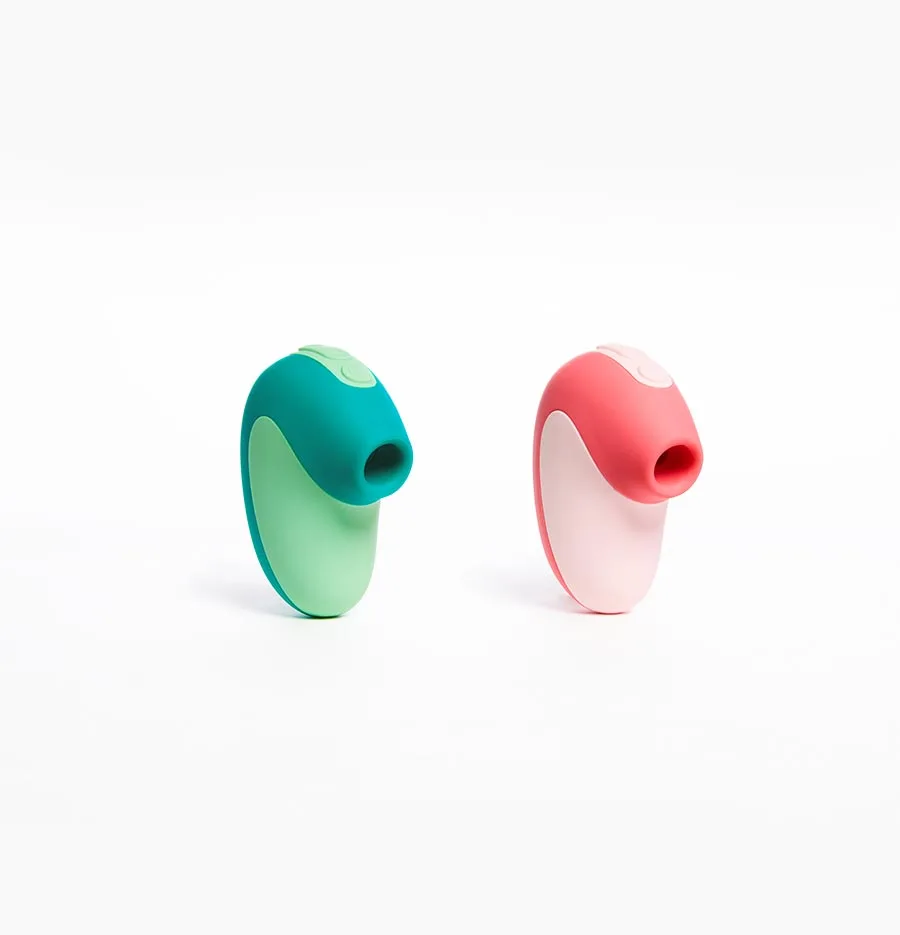
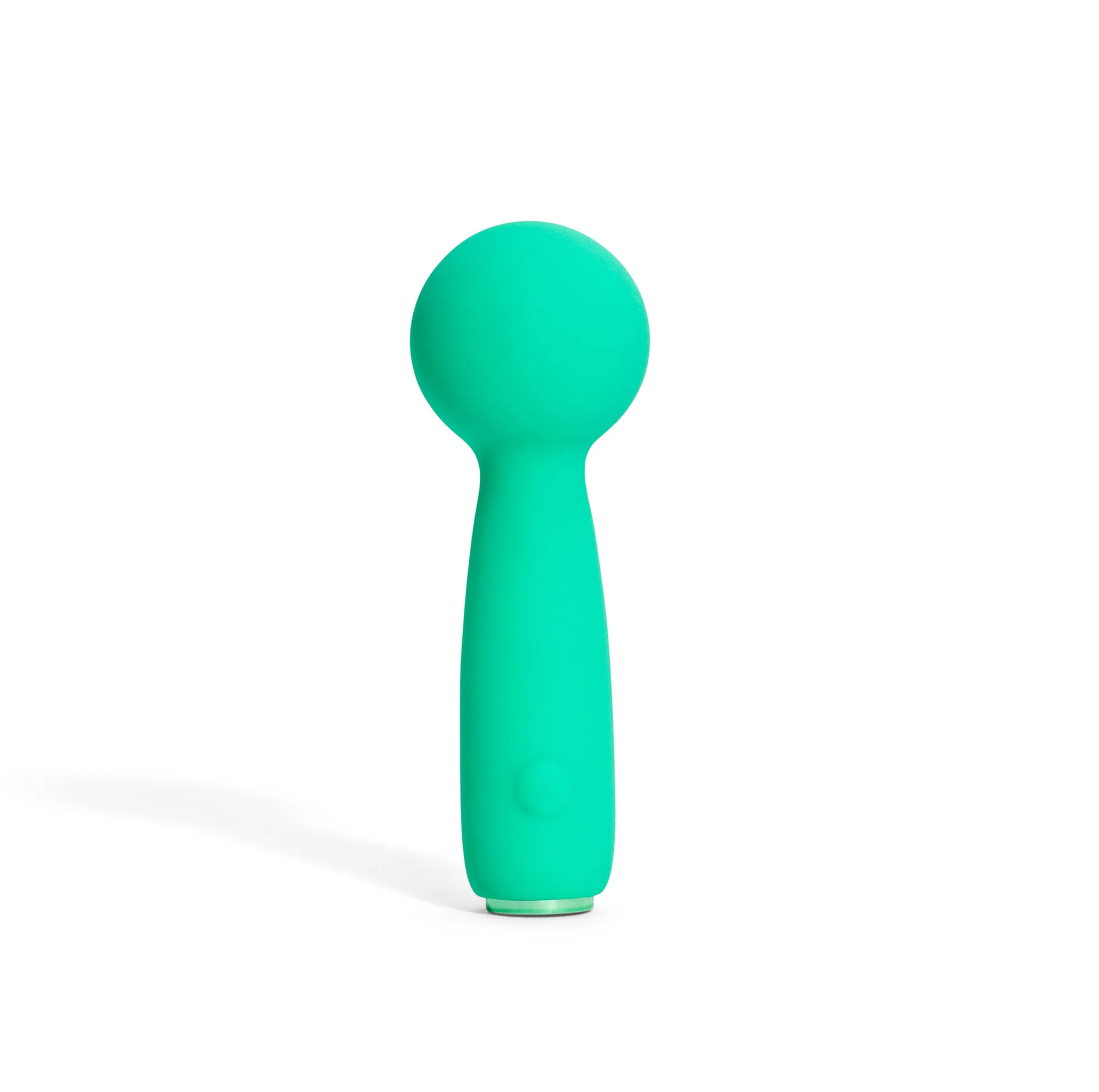
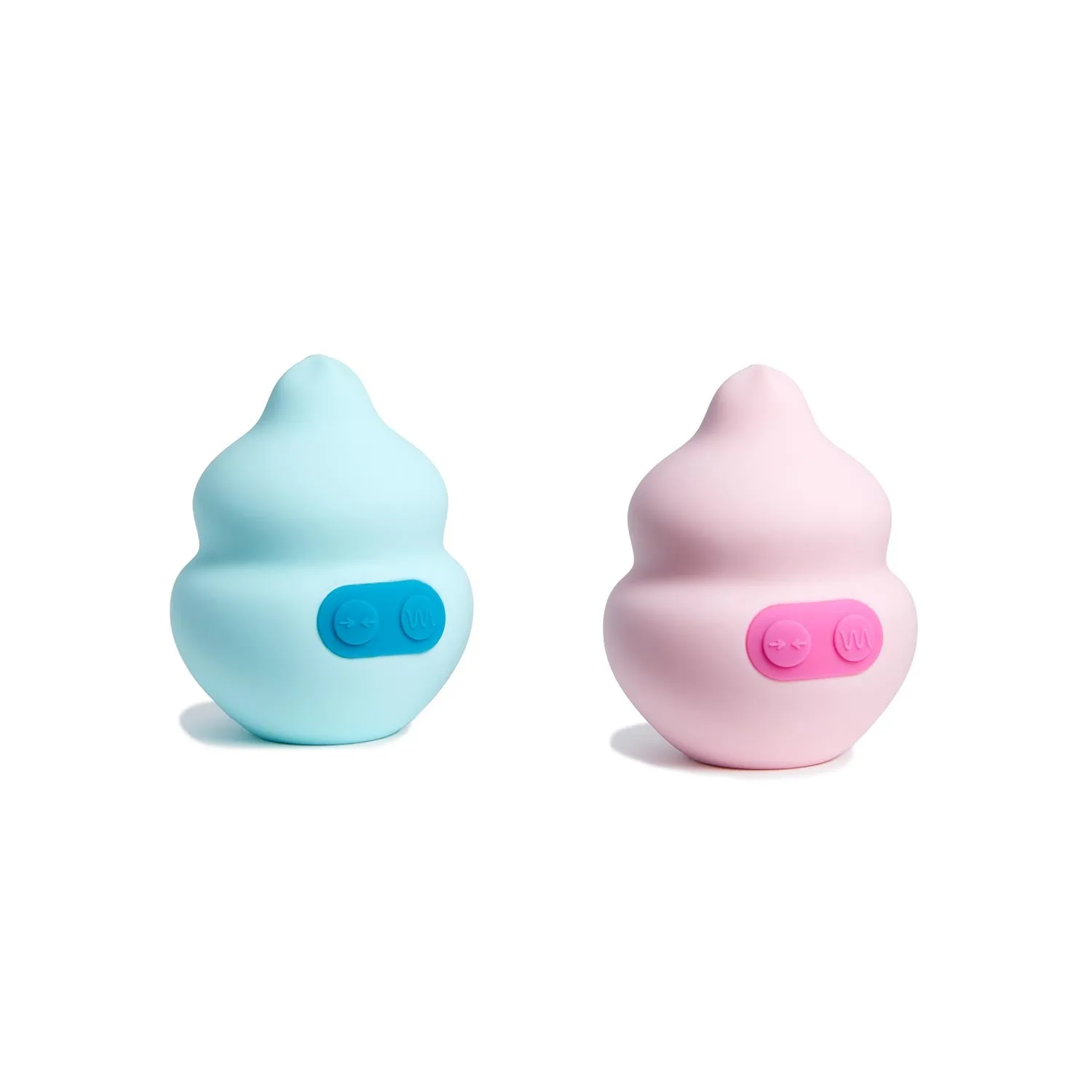
One of the biggest advantages of water-based lube is its compatibility with all sex toy materials, including silicone, rubber, and plastic. If you own high-quality vibrators like the Shimmy or the Flick, you can safely use water-based lube without worrying about degrading the silicone surface. Additionally, water-based formulas are generally safe for use with condoms and are less likely to cause irritation for people with sensitive skin.
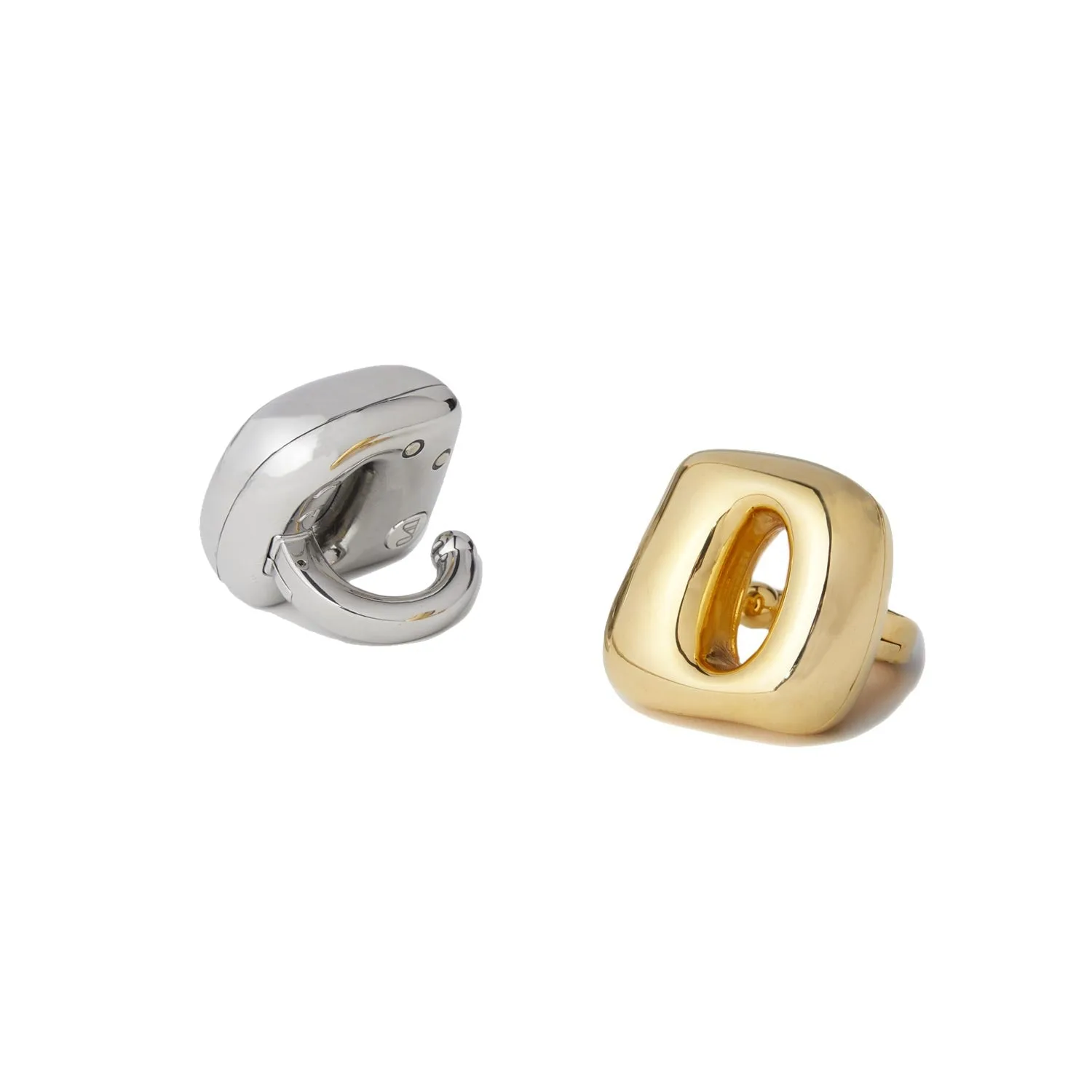
Flick
- Easy to clean up with water
- Safe for all sex toys, including silicone vibrators
- Compatible with condoms and latex barriers
- May require reapplication during longer sessions as it absorbs
What Is Oil-Based Lube?
Oil-based lubes are made from natural or synthetic oils, such as coconut oil, mineral oil, or petroleum jelly. They are thicker and longer-lasting than water-based options, providing a luxurious glide that doesn't dry out quickly. This makes them ideal for extended play, massage, and activities like anal sex where extra slip and cushioning are beneficial.
However, oil-based lubes come with important limitations. They are not compatible with latex condoms or latex barriers, as the oil can weaken the material and cause breakage. They can also damage silicone sex toys, so if you own products like the Bender or the Zip, you should avoid oil-based lubes. Always check your toy's material—silicone toys will degrade over time when exposed to oil-based lubricants.
- Long-lasting—doesn't absorb quickly
- Great for massage and anal play
- Not safe for latex condoms
- Can damage silicone sex toys
Water-Based vs. Oil-Based: Key Differences at a Glance
To help you decide quickly, here's a side-by-side comparison of the most important factors. Use this table to match your needs with the right lube type.
- Texture: Water-based = light and silky; Oil-based = thick and creamy
- Duration: Water-based = shorter, may need reapplication; Oil-based = long-lasting
- Cleanup: Water-based = easy with water; Oil-based = requires soap and may leave residue
- Toy compatibility: Water-based = safe with all toys; Oil-based = avoid with silicone toys
- Condom safety: Water-based = yes; Oil-based = no
How to Choose the Best Lube for Your Favorite Activities
Your choice of lube should depend on what you're planning to do. For solo play with a versatile vibrator like the Pogo, a water-based lube is ideal because it won't harm the silicone and provides just the right amount of slip. If you're exploring anal play, an oil-based lube can offer extra cushioning and comfort, but only if you're using non-latex barriers or toys made from materials like glass or stainless steel.
For partnered sex that includes oral stimulation, water-based lubes are generally tasteless and odorless, making them a safe bet. If you're incorporating massage into foreplay, an oil-based lube can double as a massage oil, adding a sensual element. Always consider your partner's sensitivities and the materials involved.
Safety Tips and Storage Advice for Your Lubes
Proper storage and usage extend the life of your lubricant and keep you safe. Store both water-based and oil-based lubes in a cool, dry place away from direct sunlight. Check the expiration date before use—expired lube can harbor bacteria or change consistency. Always do a patch test on a small area of skin if you're trying a new brand, especially if you have allergies.
If you're using lube with a partner, communicate about any sensitivities. Water-based lubes are less likely to cause irritation, but some contain glycerin which can lead to yeast infections in people prone to them. Oil-based lubes can be harder to clean and may clog pores, so avoid using them internally if you're prone to infections.
- Store in a cool, dark cabinet away from heat
- Check expiration dates regularly
- Patch test new lubes on inner arm before intimate use
- Avoid mixing lube types unless recommended by the manufacturer
Ultimately, the best lube for you depends on your activities, toys, and personal preferences. Water-based lubes are the safest all-around choice, especially if you enjoy silicone vibrators like the Shimmy or the Flick. Oil-based lubes are perfect for long, luxurious sessions without reapplication, but require careful material checks. Explore Unbound's curated selection to find your perfect match and elevate every intimate moment.