Starting a skincare routine can feel overwhelming with so many products and advice out there. But the truth is, a basic skincare routine for beginners doesn't need to be complicated or expensive. Whether you are dealing with dryness, oiliness, or just want to maintain healthy skin, understanding the core steps is key.
This guide will walk you through the essential steps: cleansing, toning, moisturising, and protecting. You will learn how to choose the right products for your skin type and how to layer them correctly. By the end, you will have a simple, effective routine you can stick with every day.
Why a Simple Skincare Routine Matters
A consistent routine helps your skin stay balanced, hydrated, and protected from environmental stressors. For beginners, the goal is not to use ten products at once, but to establish a few non-negotiable steps that support your skin barrier. Overcomplicating things can lead to irritation or confusion.
The three pillars of any basic skincare routine are cleansing, moisturising, and sun protection. Once you have those down, you can add targeted treatments like serums or masks. Remember, skin health is a marathon, not a sprint.
Step 1: Cleanse – The Foundation of Clear Skin
Cleansing removes dirt, oil, makeup, and impurities that accumulate on your skin throughout the day. For beginners, a gentle cleanser that doesn't strip your skin is ideal. If you have oily or combination skin, a foaming cleanser can help control shine. For dry or sensitive skin, a cream or oil-based cleanser is better.
Wash your face twice a day – morning and night. At night, you may want to double cleanse if you wear sunscreen or makeup. Start with an oil-based cleanser, then follow with a water-based one. This ensures a thorough clean without irritation.
- Choose a cleanser suited to your skin type: gel for oily, cream for dry.
- Avoid harsh scrubs or sulfates that can disrupt your skin barrier.
Step 2: Tone – Balance and Prep
Toners help restore your skin's pH balance after cleansing and can provide extra hydration or exfoliation depending on the formula. For beginners, a hydrating toner is a safe choice. It preps your skin to better absorb the products you apply next.
Apply toner with a cotton pad or your hands, gently pressing it into your skin. Look for ingredients like hyaluronic acid or glycerin for hydration, or salicylic acid if you are prone to breakouts. A good toner can make a noticeable difference in how your skin feels.
- Hydrating toners are great for all skin types, especially dry or sensitive.
- If you have acne, consider a clarifying toner with BHA like Blemicalm BHA 2% Clarifying Toner.
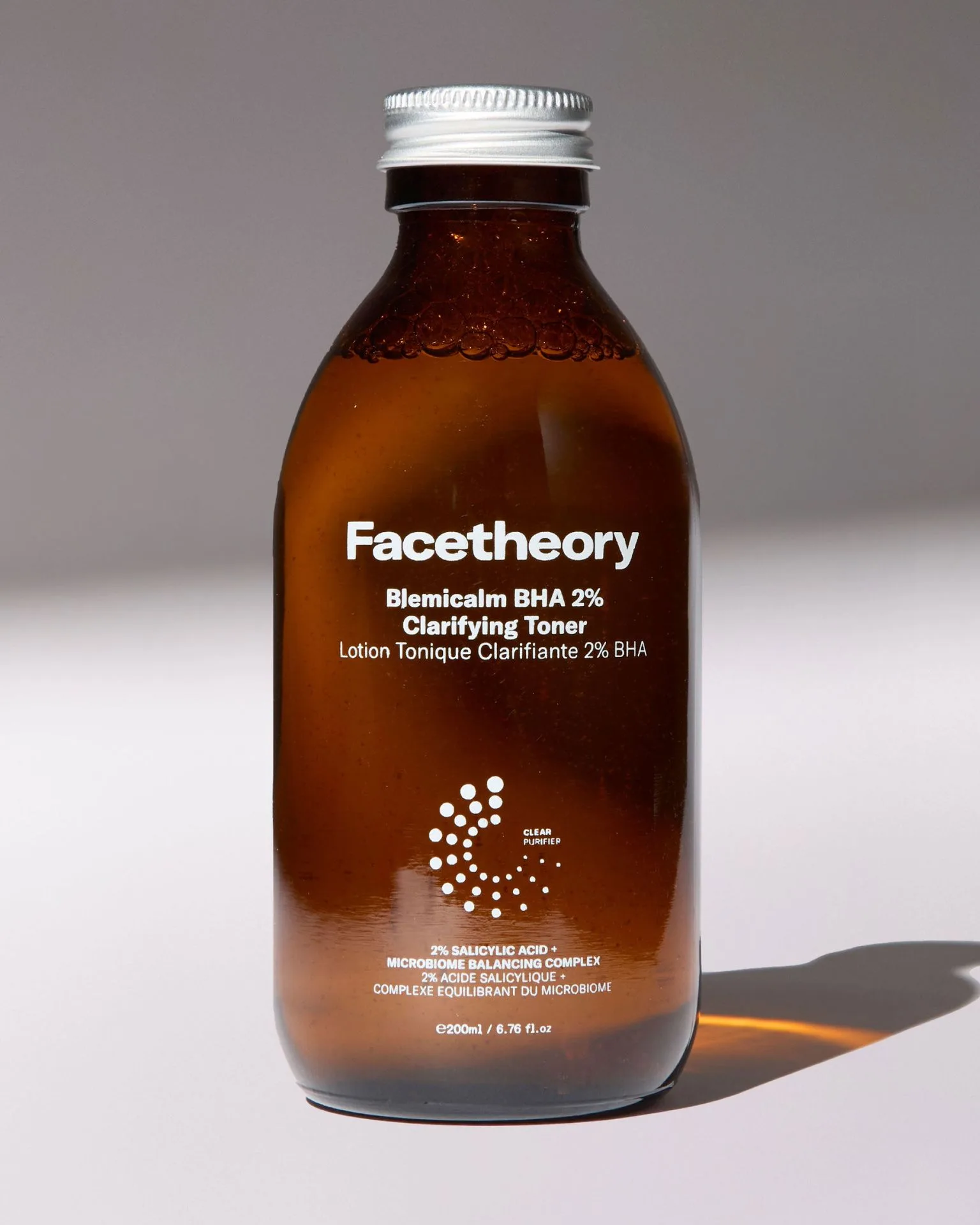
Blemicalm BHA 2% Clarifying Toner
Step 3: Serum – Targeted Treatment
Serums are concentrated formulas that address specific concerns like dullness, fine lines, or uneven texture. For beginners, a single serum is enough. Vitamin C serums are excellent for brightening and antioxidant protection, while hyaluronic acid serums provide intense hydration.
Apply serum after toner and before moisturiser. A few drops are sufficient – pat it into your skin rather than rubbing. Over time, you can add more serums to target different needs, but start with one to see how your skin responds.
- Vitamin C is ideal for morning use to protect against environmental damage.
- Hyaluronic Acid 2% Plumping Serum is a hydrating option suitable for all skin types.
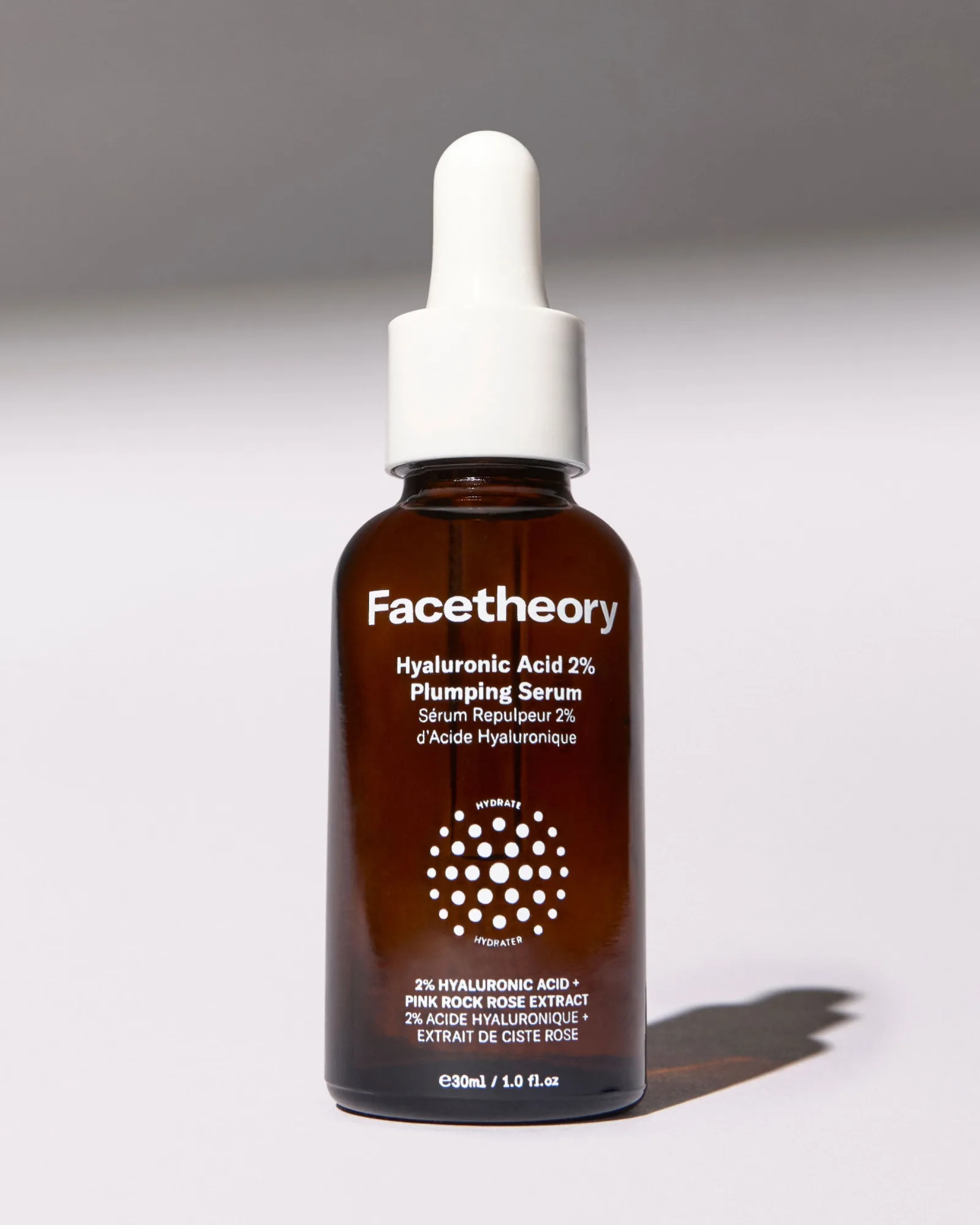
Hyaluronic Acid 2% Plumping Serum
Step 4: Moisturise – Lock in Hydration
Moisturising is essential even if you have oily skin. It seals in hydration and strengthens your skin barrier. For beginners, a lightweight, non-comedogenic moisturiser works well. If your skin is dry, opt for a richer cream.
Apply moisturiser while your skin is still slightly damp from serum to maximise absorption. This step helps prevent water loss and keeps your skin soft and supple throughout the day.
- Look for ingredients like ceramides, squalane, or glycerin for barrier support.
- For anti-aging benefits, consider a product like Retinal Supreme MultiCream which combines retinoid with moisturising properties.
Step 5: Protect – Sunscreen Every Day
Sunscreen is the most important step in any skincare routine. It protects against UV damage, premature aging, and hyperpigmentation. For beginners, a broad-spectrum SPF 30 or higher is recommended. Apply it as the last step in your morning routine.
Even on cloudy days or when staying indoors, UV rays can reach your skin. Make sunscreen a non-negotiable habit. If you prefer a lighter feel, look for gel-based or mineral formulas.
- Reapply sunscreen every two hours if you are outdoors.
- Choose a formula that suits your skin type – matte for oily, hydrating for dry.
Additional Tips for Beginners
Start with a minimal routine and introduce new products one at a time. This helps you identify what works and what doesn't. Patch test any new product on your inner arm before applying it to your face.
Consistency is more important than using many products. Stick with your routine for at least four weeks to see results. Also, remember to drink water, eat a balanced diet, and get enough sleep – these lifestyle factors greatly impact your skin.
- Use a gentle exfoliant once or twice a week if your skin tolerates it.
- Avoid touching your face throughout the day to reduce bacteria transfer.
Building a skincare routine as a beginner doesn't have to be daunting. Start with the basics: cleanse, tone, moisturise, and protect. Once you feel comfortable, you can explore targeted treatments like serums or masks. For a gentle yet effective start, consider incorporating a hydrating toner like Replenamist Hydrating Toner into your routine – it balances and preps your skin perfectly for the next steps.