Quick Answer
If your priority is closing the loop at home and you can commit to proper composting, compostable slippers are the more planet-friendly choice. If you need maximum durability and don't have access to composting, recycled-material slippers are the practical pick.
What Makes Compostable Slippers Different
Compostable slippers are designed to break down naturally at the end of their life, ideally in a home compost bin or industrial facility. They are typically made from plant-based materials like organic cotton, bamboo, or other certified compostable fibers. The key advantage is that they return to the earth without leaving microplastics behind, which makes them a strong choice for zero-waste households.
The trade-off is durability and water resistance. Compostable materials often degrade faster than synthetics, so they may not survive as many seasons or heavy daily wear. They also need proper composting conditions to break down efficiently—if they end up in a landfill without oxygen, they may not decompose as intended.
Recycled slippers: the practical trade-off
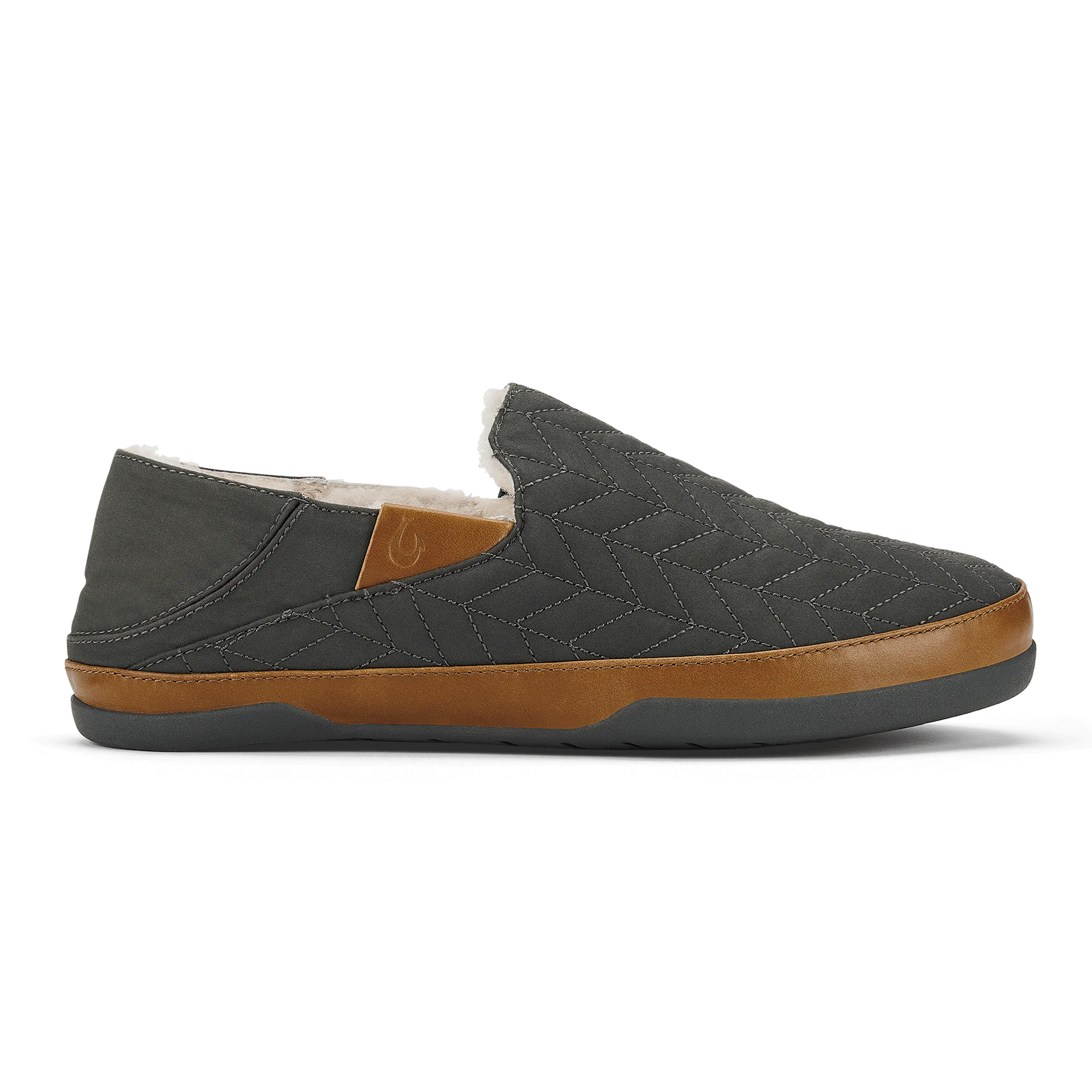
Recycled slippers (often made from recycled PET or rubber) are built to last longer and handle more wear. They are a good choice if you want a product that survives years of use and can be recycled again at the end of its life.
The trade-off is that recycling still requires energy and processing, and the slippers won't break down naturally in your home compost. If your goal is to keep waste out of landfills, recycled materials are a strong step, but they are not fully biodegradable.
Compostable vs Recycled: Trade-Offs to Weigh
- End-of-life handling: Compostable slippers can break down in a home compost or industrial facility, while recycled slippers typically cannot be composted and may still end up in landfill at end of life. Check your local composting access before choosing compostable.
- Material sourcing: Compostable slippers are made from plant-based, organic materials; recycled slippers use reprocessed plastic or fabric, which reduces waste but still relies on synthetic fibers. If you want a fully plant-based option, choose compostable; if you want to keep existing materials in use, recycled may fit better.
- Durability and care: Compostable materials break down over time, so they may wear faster than recycled synthetics. Recycled slippers tend to hold up longer for daily heavy use but won't break down at end of life. Match the slipper's lifespan to your expected wear: compostable for lighter indoor use, recycled for high-traffic wear.
- End-of-life handling: Compostable slippers require a composting environment to break down properly; recycled slippers need recycling streams that accept the material. Check local facilities before choosing. Verify your local composting or recycling options before purchase.
Compostable option from Brush with Bamboo®
-
Compostable Indoor Slippers - Brush with Bamboo: The Compostable Indoor Slippers combine luxurious comfort with organic materials, ideal for after showering, pool days, cozy evenings, or lounging around the house. They target the common household uses where a soft, absorbent slipper is most needed, so you can replace a plastic-based pair with a compostable option in the spaces you use most.
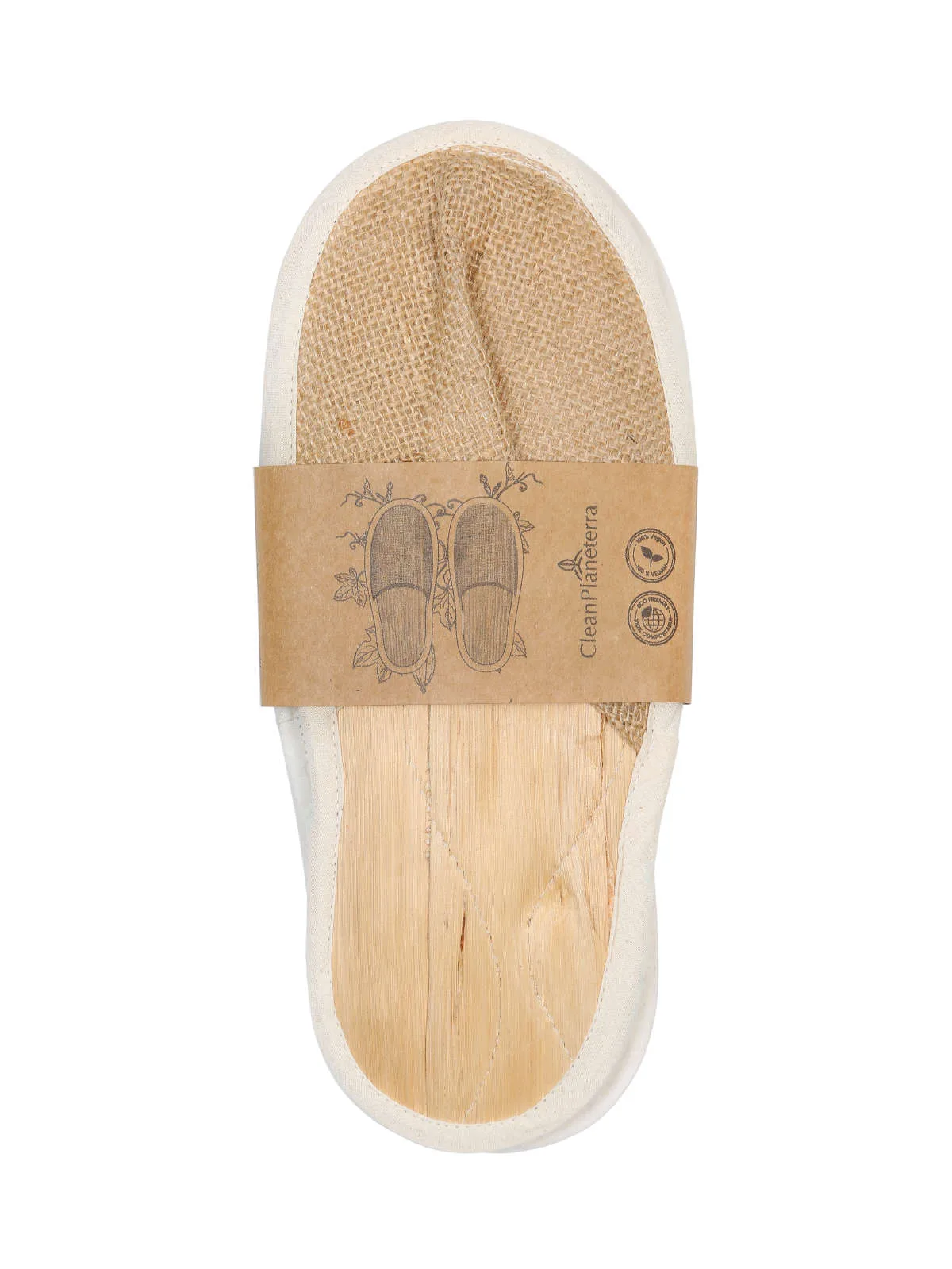
Compostable Indoor Slippers - Brush with Bamboo
Which should you choose?
Best for
- Eco-conscious households that want to close the loop and compost worn-out slippers at home or via a municipal program.
- Anyone prioritizing zero-waste goals and willing to care for natural materials to extend their life.
Not for
- People who need heavy-duty, waterproof slippers for wet outdoor use (compostable options are indoor-focused).
- Anyone expecting a slipper that lasts for many years or who cannot commit to composting the product at end of life.