When it comes to flawless concealer application, the brush you choose can make or break your finish. Dual-ended brushes offer two tools in one, while precision brushes promise pinpoint accuracy. But which one actually delivers the best results for under-eye brightening, spot concealing, and seamless blending? In this concealer brush comparison, we’ll break down the key differences to help you decide.
Whether you’re a makeup newbie or a seasoned pro, understanding the strengths of each brush type is essential. We’ll look at design, coverage control, and versatility—plus how popular Patrick Ta brushes fit into the picture. By the end, you’ll know exactly which style suits your flawless concealer application goals.
Understanding the Designs: Dual-Ended vs. Precision
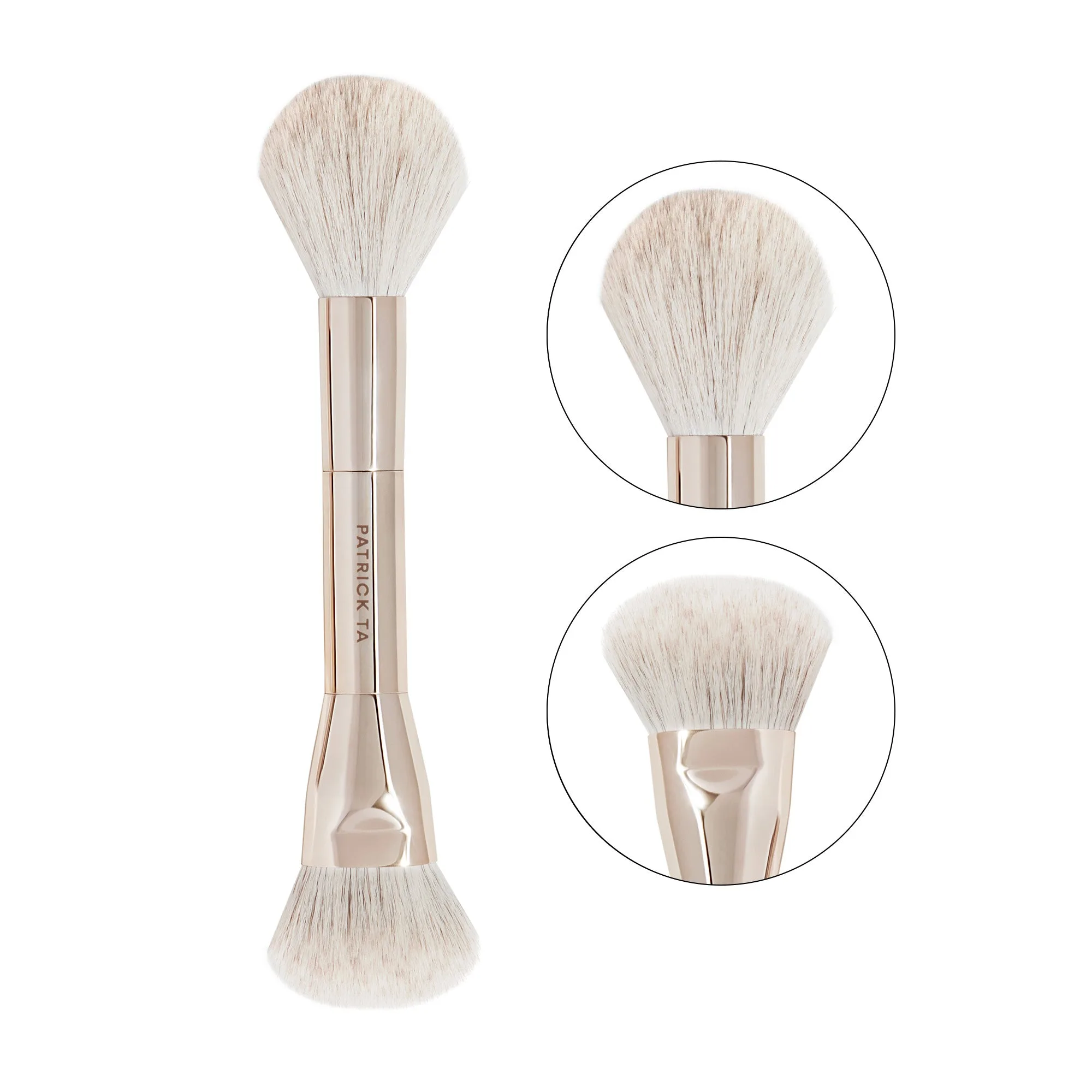
A dual-ended concealer brush typically features a larger, fluffy head on one side for blending and a smaller, tapered tip on the other for precision. This combination lets you apply and diffuse product without swapping brushes. For example, Patrick Ta’s Dual-Ended Complexion Brush № 2 follows this concept, offering a versatile tool that works for both concealer and foundation. The dual-ended design is all about efficiency—great for travel or quick touch-ups.
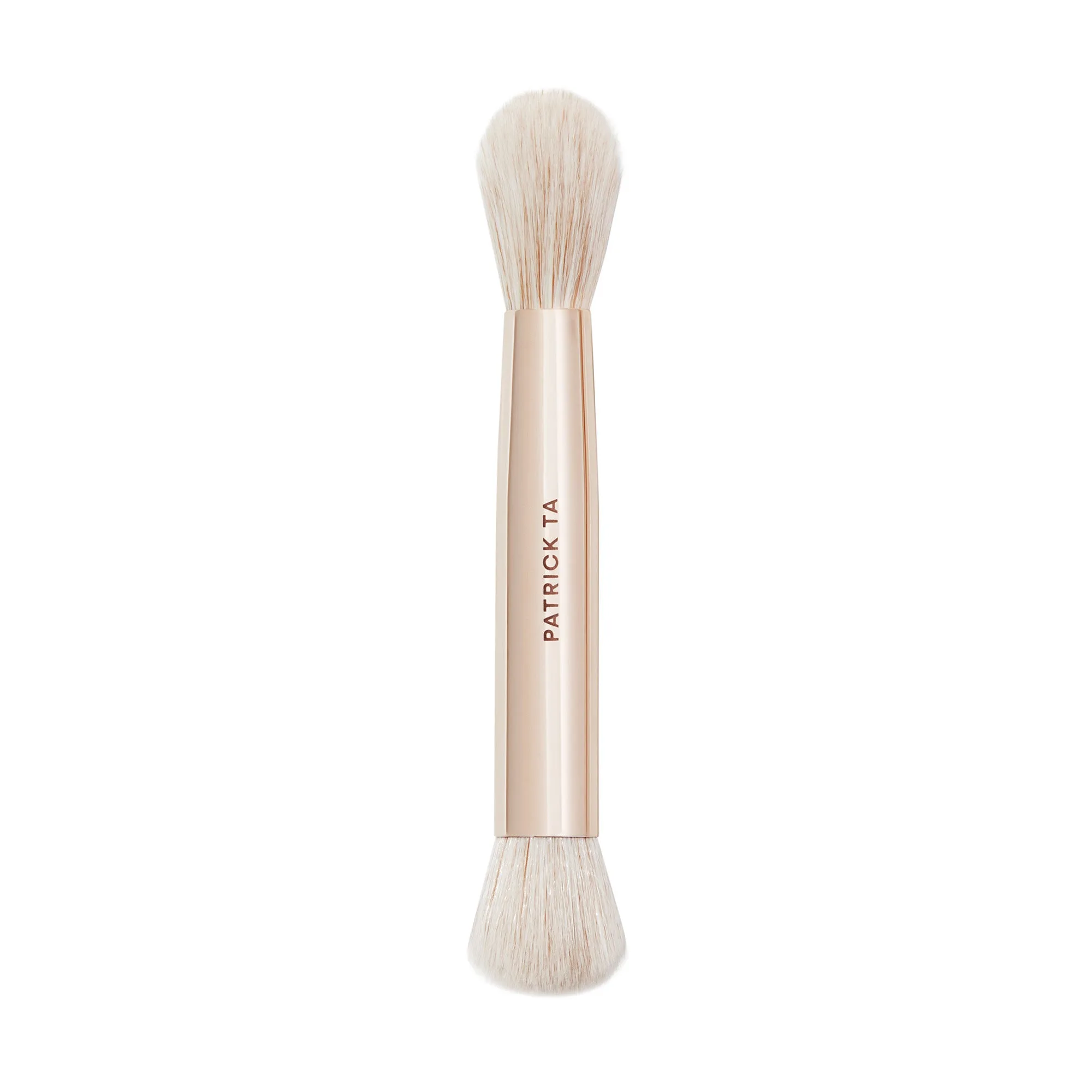
Dual-Ended Complexion Brush № 2
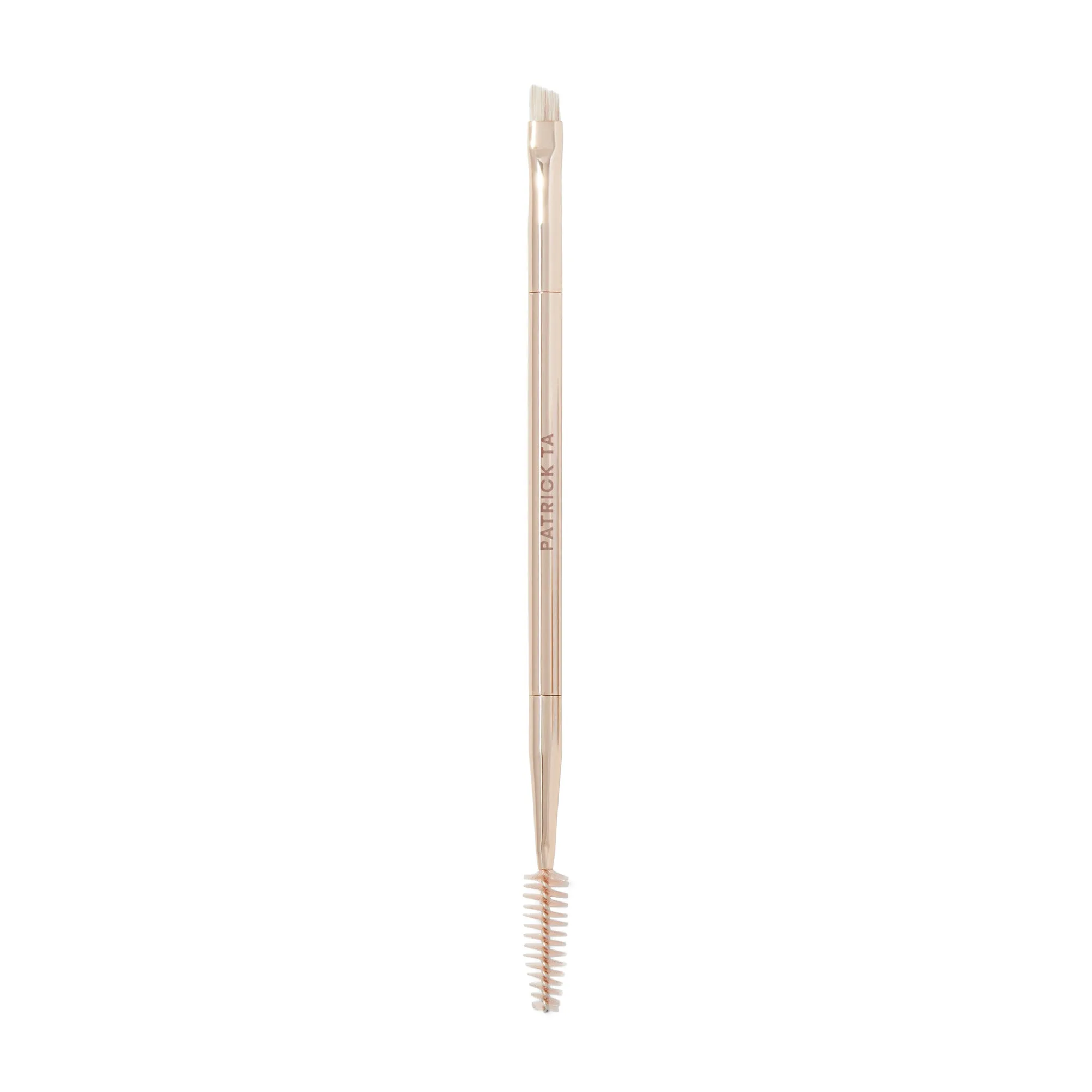
A precision concealer brush, on the other hand, is a single-ended tool with a very fine, pointed tip—often synthetic and densely packed. Its sole purpose is to deliver product exactly where you need it, such as covering a blemish or brightening a tiny inner corner. There’s no bulky second head, which some users find easier to control. Precision brushes excel at detailed work, but they require a separate blending brush for diffusing edges.
Coverage and Application Comparison
When it comes to coverage, both brush types can achieve a flawless finish, but the approach differs. A dual-ended brush allows you to build coverage in layers: use the flat side to press and pat concealer onto dark circles, then flip to the smaller head to soften edges. This two-step process gives you moderate to full coverage with a natural blend. The key advantage is that you never switch tools, reducing mess and time.
A precision brush delivers intense, concentrated coverage from the start because the tip picks up less product and places it very accurately. This makes it ideal for spot-concealing acne or hyperpigmentation without disturbing surrounding makeup. However, blending outward often requires a damp sponge or fingertip, adding an extra step. For under-eyes, a precision brush can sometimes leave streaks if not blended quickly.
- Tip: For undereye bags, try a dual-ended brush for a more diffused, natural look; for stubborn blemishes, reach for a precision brush for target coverage.
Which Brush Should You Choose?
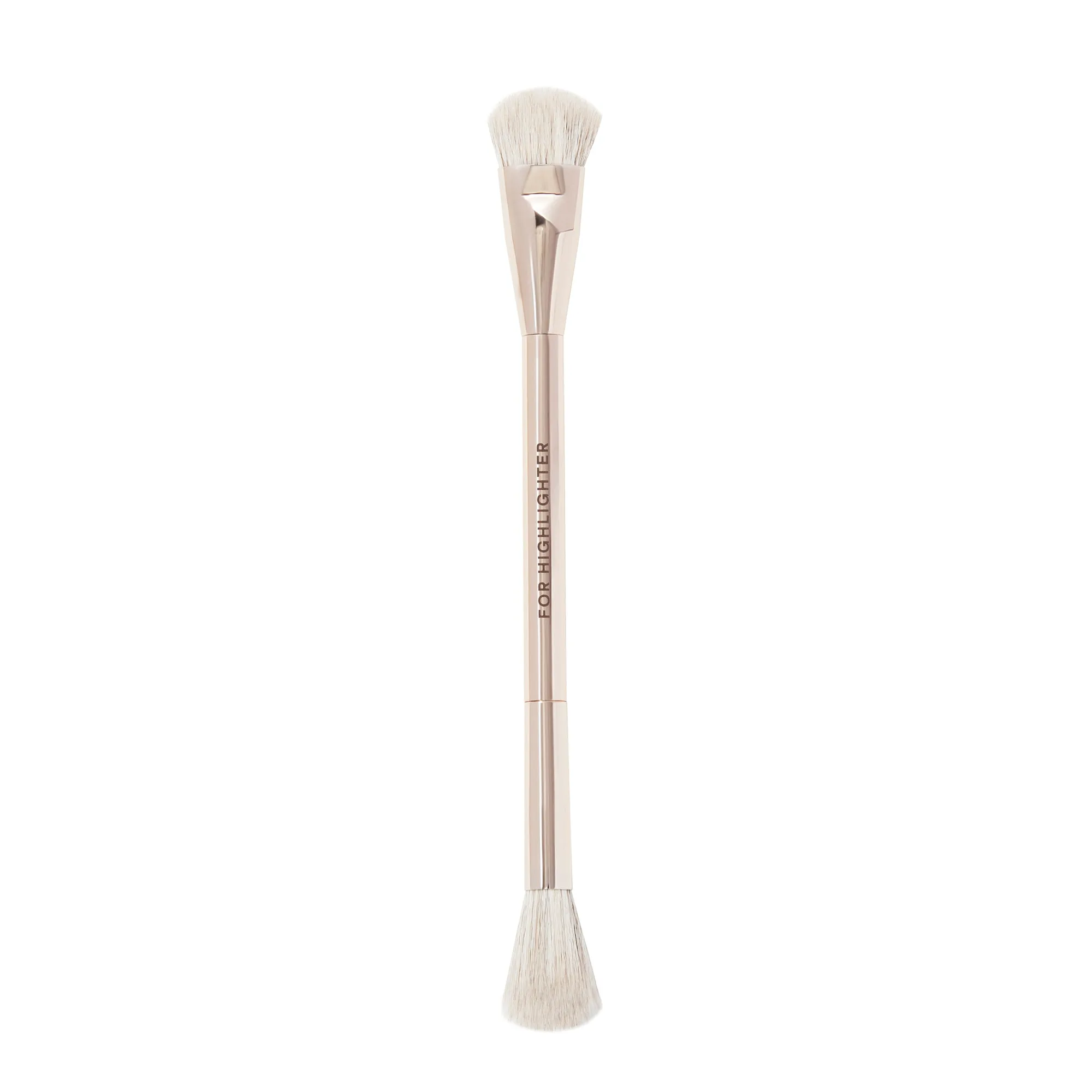
Your choice ultimately depends on your routine and priorities. If you value speed, versatility, and minimal tool switching, a dual-ended concealer brush is a smart investment. It handles both precise placement and soft blending, making it suitable for everyday wear and touch-ups. The Dual-Ended Complexion Brush № 2 is a great example—it pairs well with creamy concealers and offers two shapes in one handle. Even the Major Sculpt Dual-Ended Sculpting Brush, though designed for contour, shows Patrick Ta’s commitment to multi-use tools.
If you’re someone who needs pinpoint accuracy for small imperfections or prefers a single-purpose tool for control, a precision concealer brush might be better. It’s also easier to clean and store. However, keep in mind that you’ll likely need a separate blending sponge or brush for finishing. There’s no one-size-fits-all—many makeup artists keep both styles in their kit for different tasks.
- Dual-ended pros: Two tools in one, efficient blending, great for travel. Cons: Can be bulkier for precise work.
- Precision pros: Ultra-accurate, easy to control, excellent for tiny areas. Cons: Requires separate blending tool.
Both dual-ended and precision concealer brushes have their place in a flawless makeup routine. The best concealer brush for you depends on whether you prioritize speed and versatility or pinpoint control. Consider your common concealing tasks—if you often blend large under-eye areas and want a single tool, go dual-ended. If you primarily hide spots or brighten tiny details, a precision brush will serve you well. And with Patrick Ta’s dual-ended brush options, you can enjoy the convenience of two heads without sacrificing quality.