In the world of hair care, the lineup of products can be overwhelming. Two staples that often cause confusion are conditioners and hair masks. Both promise softer, smoother, more manageable hair, but they serve different purposes. Understanding the difference between a conditioner and a hair mask is key to giving your hair exactly what it needs—no more, no less.
Whether you're dealing with dry ends, color-treated strands, or just want to maintain healthy hair, knowing when to use each can transform your routine. In this guide, we'll compare conditioner vs hair mask, explore their unique benefits, and help you decide which one deserves a spot in your shower caddy.
What Is a Conditioner?
A conditioner is a daily essential designed to smooth the hair cuticle, detangle, and provide lightweight moisture. It typically contains cationic surfactants that neutralize the negative charge on hair, reducing frizz and static. Conditioners are formulated with lower concentrations of oils, butters, and active ingredients compared to masks, making them suitable for frequent use—usually after every shampoo.
The primary goal of a conditioner is to maintain the hair's health between washes. It seals the cuticle, adds a protective layer, and improves manageability without weighing hair down. For most hair types, a conditioner is the baseline of any hair care routine.
- Use a conditioner after every wash to keep hair smooth and tangle-free.
- Focus the product on the mid-lengths and ends, avoiding the roots to prevent greasiness.
What Is a Hair Mask?
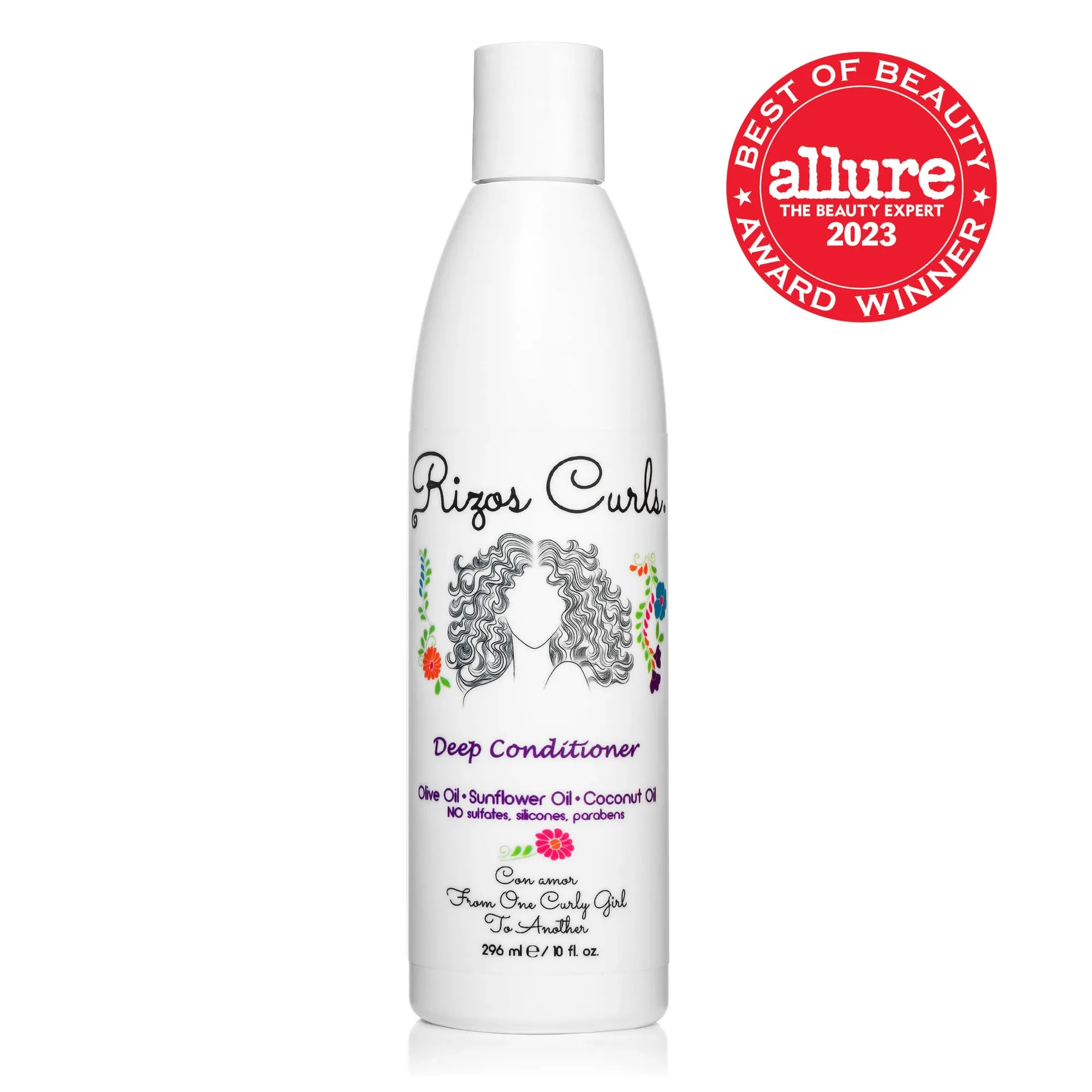
A hair mask, also known as a deep conditioning treatment, is a concentrated formula packed with nourishing ingredients like oils, proteins, and vitamins. It's designed to penetrate the hair shaft more deeply, repairing damage, restoring moisture, and addressing specific concerns such as breakage, dryness, or dullness. Masks have a thicker, richer texture and require more time to work—typically 5 to 20 minutes—before rinsing.
Unlike conditioners, hair masks are not meant for daily use. Overusing them can lead to product buildup and limp, heavy hair. Instead, they're used weekly or bi-weekly, depending on your hair's needs. Think of a mask as a 'treatment' that gives your hair a boost, while a conditioner is the 'maintenance' step.
- Apply a hair mask on damp, towel-dried hair, focusing on the most damaged areas.
- For extra penetration, cover hair with a shower cap or warm towel while the mask sits.
Key Differences: Conditioner vs Hair Mask
The main difference between conditioner and hair mask lies in their formulation and purpose. Conditioners are lighter, with lower concentrations of active ingredients, and provide immediate surface-level benefits. Hair masks are heavier, more intensive, and work deeper to repair and restore. Here's a quick comparison:
- Concentration: Masks have higher levels of oils, butters, and proteins.
- Frequency: Conditioners are daily; masks are weekly or bi-weekly.
- Function: Conditioners smooth and detangle; masks repair and deeply nourish.
- Time: Conditioners work in 1-3 minutes; masks require 5-20 minutes.
- Texture: Conditioners are lighter; masks are thicker and richer.
How to Choose Based on Your Hair Needs
Your hair type and condition determine whether you need a conditioner, a mask, or both. If your hair is generally healthy, a high-quality conditioner may be all you need. However, if you're dealing with heat damage, chemical processing, or excessive dryness, incorporating a weekly mask can make a noticeable difference.
For example, if you have curly or coily hair, which tends to be drier, you might benefit from a hydrating mask like the Shea Butter Hydrating Conditioner Bar. This product not only conditions but also provides intense moisture, making it a great bridge between a daily conditioner and a deep treatment. On the other hand, if your hair is fine or oily, you'll want to stick to a lightweight conditioner and use a mask sparingly, focusing on the ends.
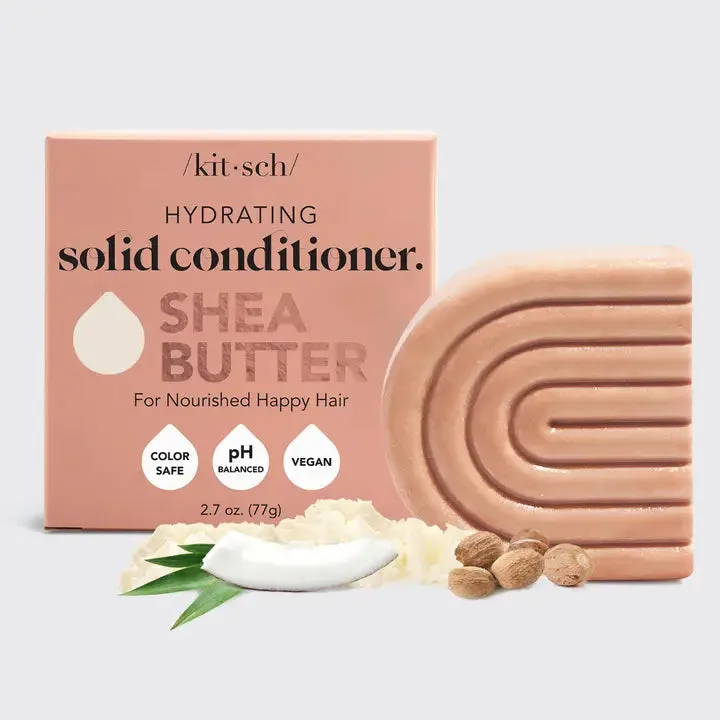
Shea Butter Hydrating Conditioner Bar
- For daily hydration and detangling: choose a conditioner suited to your hair type.
- For weekly repair and deep nourishment: incorporate a hair mask.
- For on-the-go treatments, consider leave-in options or multi-tasking products.
Can You Use Both?
Absolutely! In fact, many hair care enthusiasts use both a conditioner and a mask in their routine. The key is to use them at different times. For instance, you might use a conditioner after every wash to maintain smoothness, and then once a week, swap it out for a hair mask to give your hair an extra boost of nourishment.
Another approach is to use a mask as a pre-shampoo treatment, followed by your regular conditioner. This dual method ensures you get the deep repair benefits of a mask while still enjoying the daily benefits of a conditioner. The key is to listen to your hair—if it feels heavy or greasy, you may be over-conditioning or using too heavy a mask.
Top Product Picks from Paradise Beauty Company
At Paradise Beauty Company, we offer a range of conditioners and masks to suit every hair type. For daily conditioning, consider a product like the Shea Butter Hydrating Conditioner Bar, which is not only effective but also eco-friendly. This solid conditioner bar is perfect for those looking to reduce plastic waste while keeping hair soft and manageable.
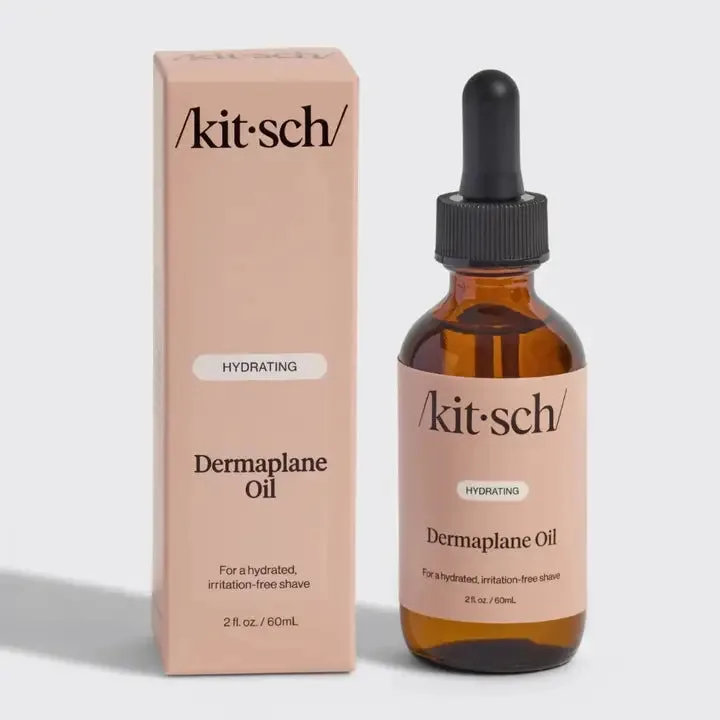
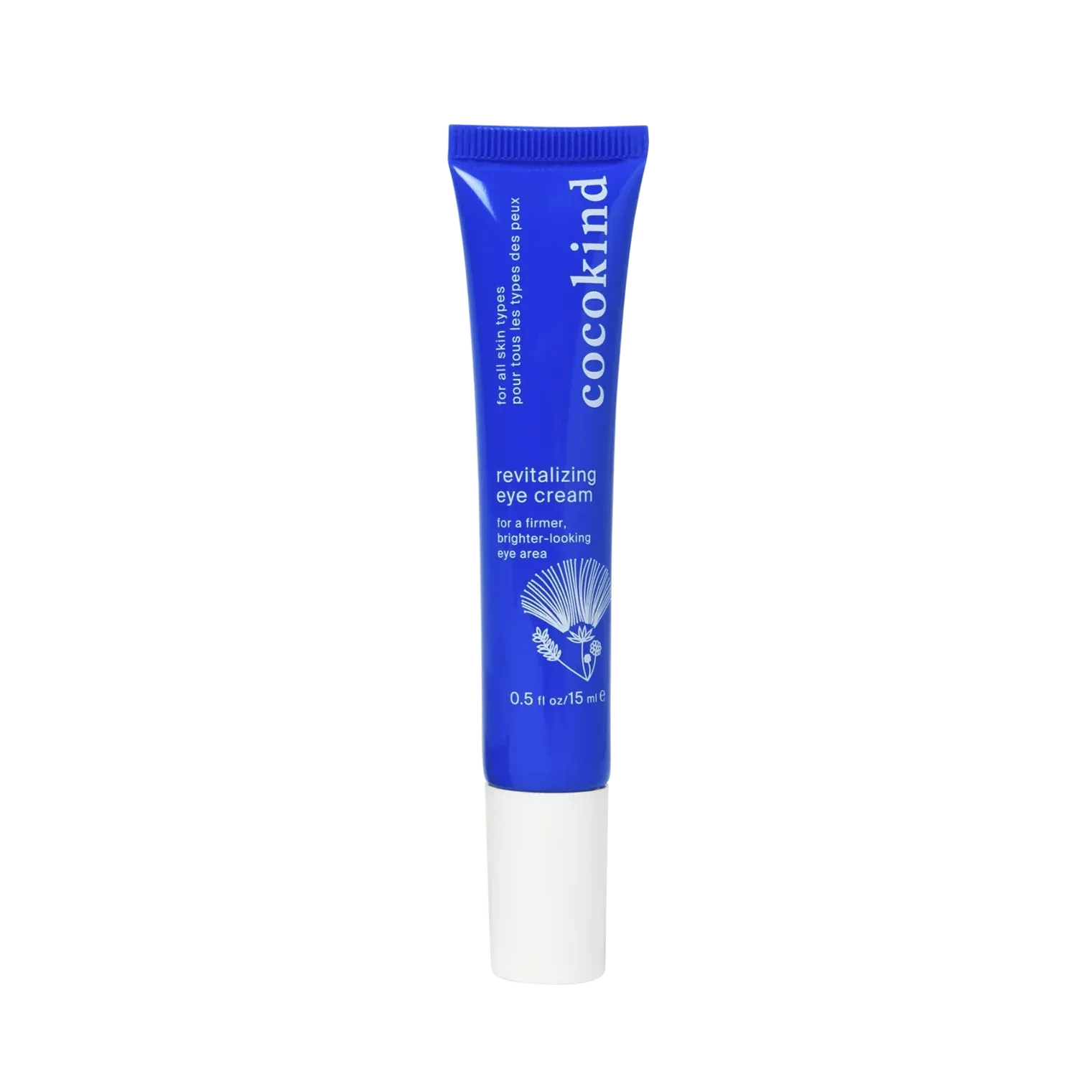
For a deep treatment, the Hydrating Dermaplane Oil is a versatile option. While it's primarily a facial oil, it can also be used on hair to add shine and moisture. Alternatively, the Revitalizing Eye Cream might not be for your hair, but it's a reminder that our store offers targeted solutions for all your beauty needs. When it comes to hair masks, look for products with nourishing ingredients like shea butter, argan oil, or keratin.
Sample Routine: Combining Conditioner and Hair Mask
To help you get started, here's a simple routine that incorporates both products:
1. Shampoo your hair as usual. 2. Apply a small amount of conditioner to the lengths and ends, leave for 2-3 minutes, then rinse. 3. Once a week, replace the conditioner with a hair mask. Apply generously, leave for 10-15 minutes, and rinse thoroughly. 4. For extra dry or damaged hair, use a leave-in conditioner or a few drops of hair oil to seal in moisture.
- Adjust the frequency of masks based on your hair's response—increase if very dry, decrease if limp.
- Always follow the instructions on the product label for best results.
Understanding the difference between conditioner and hair mask is the first step to a healthier hair care routine. By using each product appropriately, you can address your hair's unique needs and achieve the luscious locks you've always wanted. Explore our collection at Paradise Beauty Company to find the perfect conditioner or mask for your hair type, and don't forget to check out the Shea Butter Hydrating Conditioner Bar for an eco-friendly daily conditioning option.