In the world of makeup, few debates are as persistent as contour vs bronzer. While both products add dimension to the face, they serve very different purposes. Understanding these differences is key to achieving a flawless, natural-looking makeup application.
Many beauty enthusiasts struggle to tell them apart, often using them interchangeably. However, contouring is about sculpting and defining your bone structure, while bronzing is about adding warmth and a sun-kissed glow. In this guide, we'll break down the nuances, help you decide which one you need, and even show you how to use both for a stunning effect.
What Is Contouring?
Contouring is a makeup technique that uses darker shades to create shadows on the face, thereby enhancing or altering your facial structure. The goal is to define features like the cheekbones, jawline, nose, and forehead. Contour products are typically matte and have a cool or neutral undertone to mimic natural shadows.
A contour kit for face usually includes multiple shades to suit different skin tones and allow for precise sculpting. For example, our Contour Kit offers a range of powders and creams that can be blended to create a customized look. Remember, contouring is not about adding color; it's about creating depth and dimension.
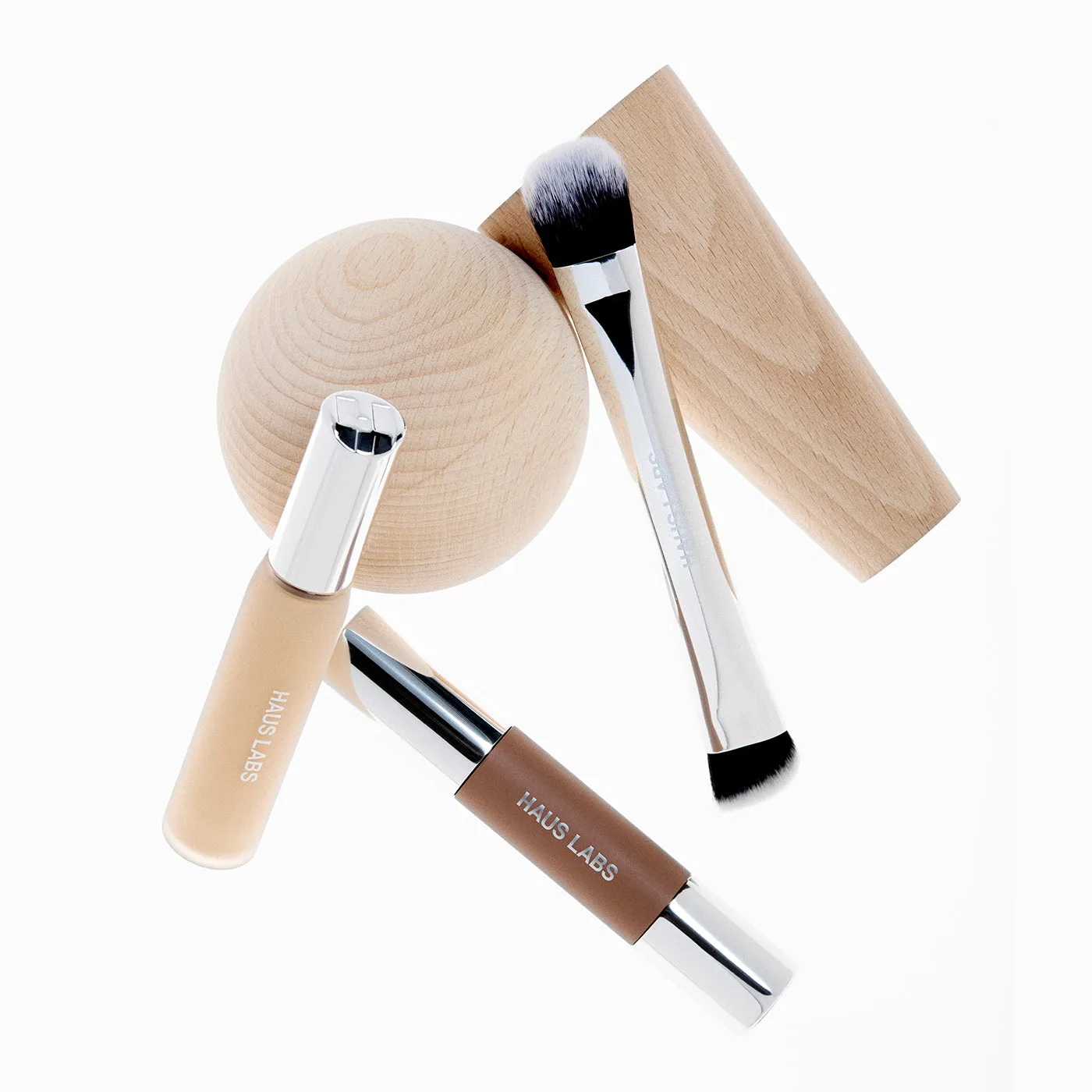
contour kit
- Use contour on areas where shadows naturally fall: hollows of cheeks, temples, sides of nose, and jawline.
- Always blend well to avoid harsh lines; a damp sponge or a brush works best.
What Is Bronzing?
Bronzing, on the other hand, is all about warmth and glow. Bronzer is applied to areas where the sun would naturally hit your face: forehead, cheekbones, nose, and chin. It gives a sun-kissed, healthy appearance and can make you look more awake and radiant.
Bronzers come in matte, satin, or shimmer finishes, and they have warm undertones—golden, peachy, or reddish. Unlike contour, bronzer is not meant to sculpt but to add color and vitality. For a natural look, choose a bronzer that is only a shade or two darker than your skin tone.
- Apply bronzer in a '3' shape on each side of the face: forehead, cheekbone, and jawline.
- For a subtle glow, use a fluffy brush and tap off excess product before applying.
Key Differences Between Contour and Bronzer
The primary difference lies in the undertone and finish. Contour products have cool or neutral undertones (often grayish or taupe) and are always matte, to mimic shadows. Bronzers have warm undertones (golden, bronze) and can be matte or shimmer, to mimic a tan.
Another difference is placement: contour goes where shadows exist (under cheekbones, along jawline), while bronzer goes where the sun hits (high points of the face). Using them correctly can transform your makeup from flat to fabulous.
It's also worth noting that contouring is more about structure, while bronzing is about color. If you want to make your cheekbones pop, contour is your friend. If you want a healthy glow, reach for bronzer.
How to Use Both Together
For a professional, sculpted look, you can use both contour and bronzer in the same routine. Start with contour to define your features, then apply bronzer on top to add warmth and blend everything seamlessly. This combination creates a natural-looking dimension that is both flattering and radiant.
When using both, apply contour first, then bronzer, and blend well. The bronzer will soften the contour and add a sun-kissed finish. Remember to use a light hand and build up the intensity gradually.
To achieve this, you might want to use a versatile tool like the Dual-Ended Precision Sculpting Brush. It features a precise angled brush on one end for contouring and a fluffy brush on the other for bronzing, making it perfect for this technique.
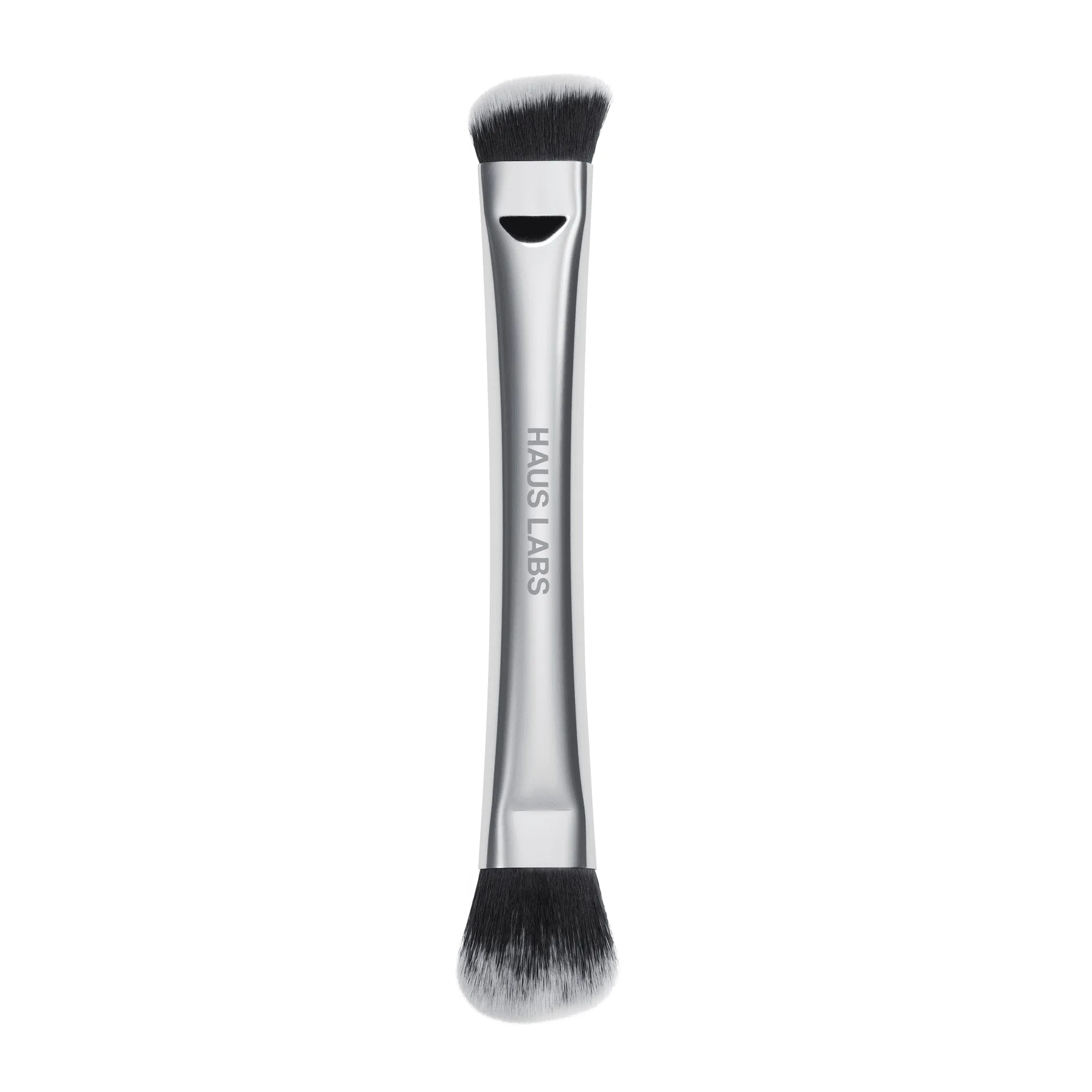
Dual-Ended Precision Sculpting Brush
- Start with a matte contour to define, then add a warm bronzer for glow.
- Use a clean brush for each product to avoid muddying the colors.
Which One Do You Need?
The answer depends on your makeup goals. If you want to change the appearance of your face shape—like slimming your nose or defining your jawline—you need a contour kit. If you simply want a healthy, sun-kissed look, a bronzer is sufficient.
For beginners, bronzer is easier to work with because it's more forgiving and adds a natural warmth. Contour requires more precision and practice. However, both are essential for a complete makeup collection.
If you're on a budget or just starting, consider the Sun-Kissed Skin Set, which includes a bronzer and highlighter to give you a glow. For a more sculpted look, invest in a quality contour kit like ours, which offers multiple shades for versatility.
Common Mistakes to Avoid
One of the biggest mistakes is using a bronzer to contour. Because bronzers have warm undertones, they can look muddy or orange when used to create shadows. Similarly, using a contour to bronze can make your face look dull and flat.
Another mistake is applying too much product or placing it incorrectly. Always start with a small amount and build up. Also, make sure to blend thoroughly to avoid harsh lines.
Finally, don't forget to choose the right shade. Your contour should be a few shades darker than your skin tone with a cool undertone, while your bronzer should be a shade or two darker with a warm undertone.
In summary, contour and bronzer serve different purposes: contour sculpts, bronzer warms. Understanding this difference is crucial for achieving your desired look. Whether you choose a contour kit for definition or a bronzer for glow, both can elevate your makeup game. Explore our range to find the perfect products for your routine.