In an age where mental wellness activities are more important than ever, self-reflection has become a cornerstone of personal growth. Whether you're navigating relationships, managing anxiety, or simply seeking deeper self-understanding, the tools you choose can make all the difference. Two popular methods have emerged as favorites: conversation card games and journaling prompts. Both offer unique pathways to introspection, but which one truly boosts self-reflection more?
At We're Not Really Strangers, we believe in the power of connection—both with others and with yourself. Our products, from the We're Not Really Strangers Card Game to the We're Not Really Strangers Guided Journal, are designed to facilitate meaningful conversations and deep self-exploration. In this article, we'll compare conversation cards and journaling prompts across key dimensions like engagement, depth, and consistency, helping you decide which tool aligns with your personal growth methods.
The Case for Conversation Card Games: Interactive Self-Reflection
Conversation card games, such as the We're Not Really Strangers Card Game, transform self-reflection into an interactive experience. Instead of sitting alone with a blank page, you engage with questions that prompt real-time responses. This dynamic can uncover thoughts and feelings you might not access through solitary writing. The social element adds accountability and novelty, making the process feel less like a chore and more like an adventure.
Research suggests that verbalizing thoughts can enhance cognitive processing. When you speak your answers aloud, you engage multiple brain regions, solidifying insights. Card games also introduce an element of surprise—each draw is a new prompt, keeping your mind agile. For those who struggle with consistency in journaling, the gamified structure of conversation cards can be a powerful motivator.
- Encourages spontaneity and reduces overthinking
- Ideal for pairs or groups, fostering shared growth
- Can be used in various settings, from date nights to therapy sessions
The Power of Journaling Prompts: Deep, Private Exploration
Journaling prompts offer a private, unhurried space for self-reflection. With tools like the We're Not Really Strangers Guided Journal, you can explore prompts at your own pace, revisiting answers and tracking growth over time. This method is particularly effective for those who prefer solitude or need to process complex emotions without external influence.
Writing activates the prefrontal cortex, aiding in emotional regulation and problem-solving. Journaling allows for extended reflection—you can spend minutes or hours on a single prompt, digging into layers of meaning. For mental wellness activities, journaling is a proven technique for reducing stress and increasing self-awareness. It also provides a tangible record of your journey, which can be valuable for therapy or personal milestones.
- Offers complete privacy and freedom of expression
- Supports long-form exploration and pattern recognition
- Easily integrated into daily routines, like morning or evening rituals
Comparing Engagement and Consistency
One of the biggest challenges in self-reflection is maintaining consistency. Conversation card games thrive on social engagement—playing with a partner or group creates natural accountability. You're more likely to show up for a scheduled game night than a solo journaling session. However, this reliance on others can be a drawback if you prefer solo practice or have an irregular schedule.
Journaling, on the other hand, is entirely self-directed. You can journal anytime, anywhere, without needing another person. But this freedom also means it's easier to skip. Many people start journals with enthusiasm, only to abandon them after a few weeks. The key is finding a format that fits your lifestyle. For some, a hybrid approach—using conversation cards occasionally and journaling regularly—offers the best of both worlds.
- Card games: high engagement but requires social coordination
- Journaling: flexible but relies on self-discipline
- Hybrid approach: alternate between methods to stay motivated
Depth of Reflection: Which Goes Deeper?
When it comes to depth, both tools have strengths. Conversation card games often prompt immediate, honest responses because you're in the moment. The social pressure can reduce filtering, leading to raw insights. However, the pace may limit how deeply you explore a single topic before moving to the next card.
Journaling prompts allow for sustained focus. You can write pages on one question, connecting it to past experiences and future goals. This depth is ideal for unpacking trauma, clarifying values, or tracking personal evolution. The We're Not Really Strangers Guided Journal is specifically designed to guide you through layered prompts that build on each other, creating a comprehensive self-reflection practice.
- Card games: breadth of topics, quick insights
- Journaling: depth of exploration, long-term tracking
- Choose based on your current needs: broad exploration vs deep analysis
Practical Tips for Integrating Both into Your Routine
You don't have to choose one over the other. Many people find that combining conversation cards and journaling creates a richer self-reflection practice. For example, use the We're Not Really Strangers Card Game during a weekly date night or friend gathering, then follow up by journaling about the insights that surfaced. This reinforces learning and deepens understanding.
Alternatively, start your day with a journaling prompt to set intentions, and end the week with a card game to reflect on progress. The WNRS Pen Set can make journaling more enjoyable, while the portability of card games means you can take them on trips or to coffee shops. Experiment with different rhythms to see what sticks.
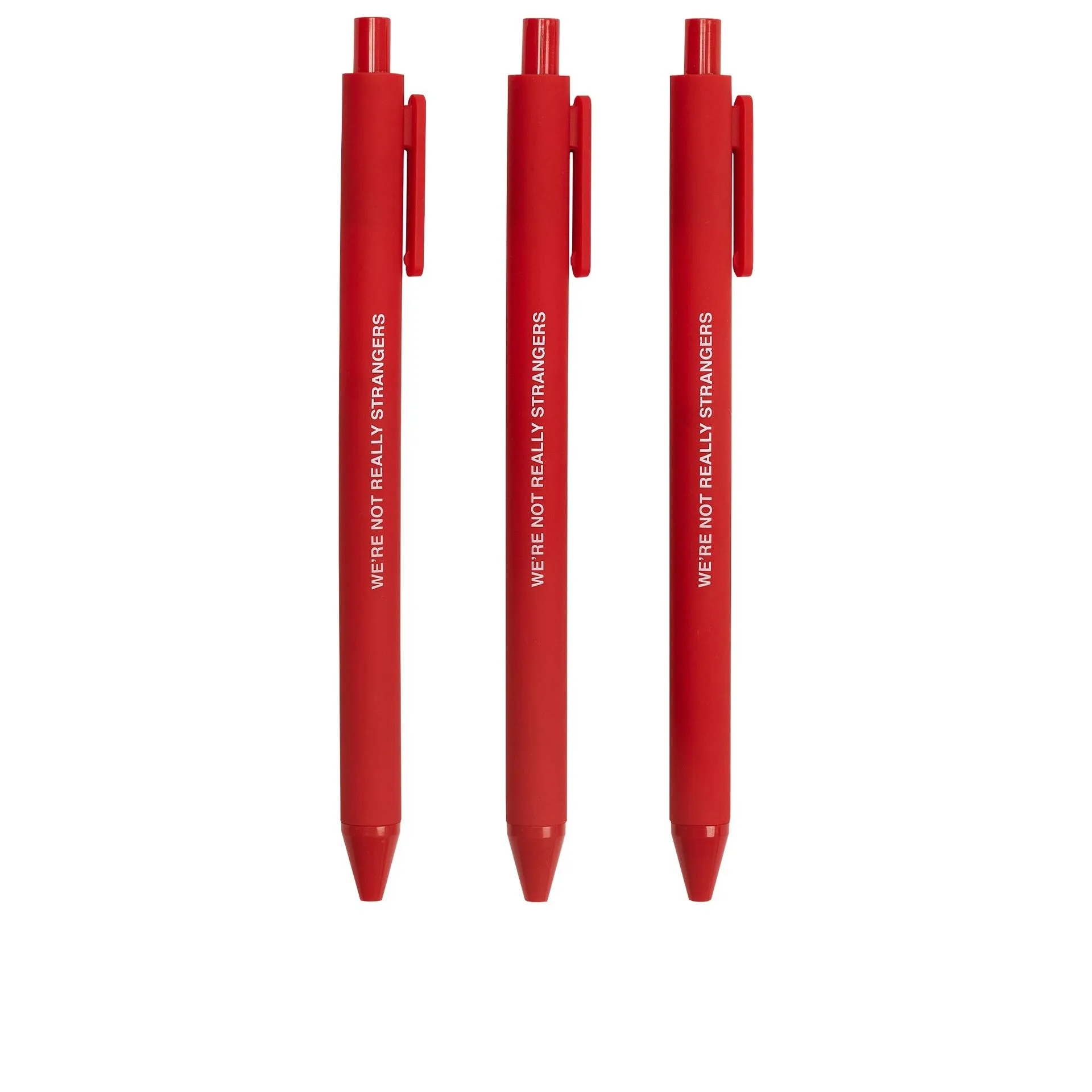
WNRS Pen Set
- Use card games for social self-reflection and journaling for solo depth
- Journal after playing to capture and expand on key insights
- Rotate tools weekly to keep the practice fresh and engaging
Ultimately, the best self-reflection tool is the one you'll use consistently. Conversation card games excel at making introspection interactive and fun, while journaling prompts offer unmatched depth and privacy. If you're ready to start or deepen your journey, explore the We're Not Really Strangers Card Game for dynamic conversations or the We're Not Really Strangers Guided Journal for structured solo reflection. Both are powerful allies in your personal growth methods, and with a little experimentation, you'll find the balance that works for you.