Quick answer
Use Vietnamese Lemongrass Rub as a dry rub: pat the protein dry, oil it lightly, and apply about 1 teaspoon per pound, then rest 15-30 minutes before cooking. Use Red Chile Flakes later in the process, blooming them in oil or sprinkling at the table, because they add visible texture and a slower, more controllable heat than a powder.
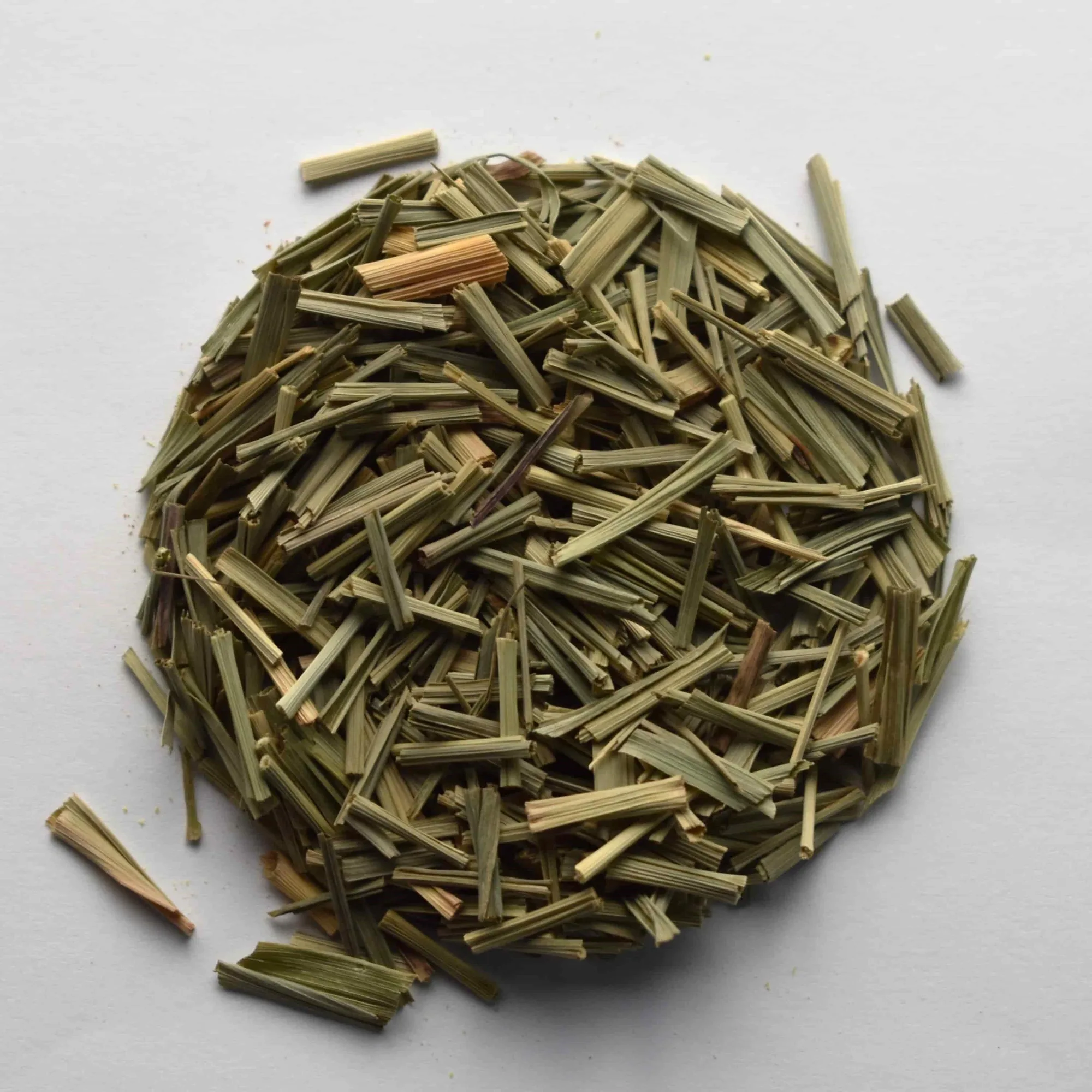
Lemongrass
Why these two seasonings work as a pair
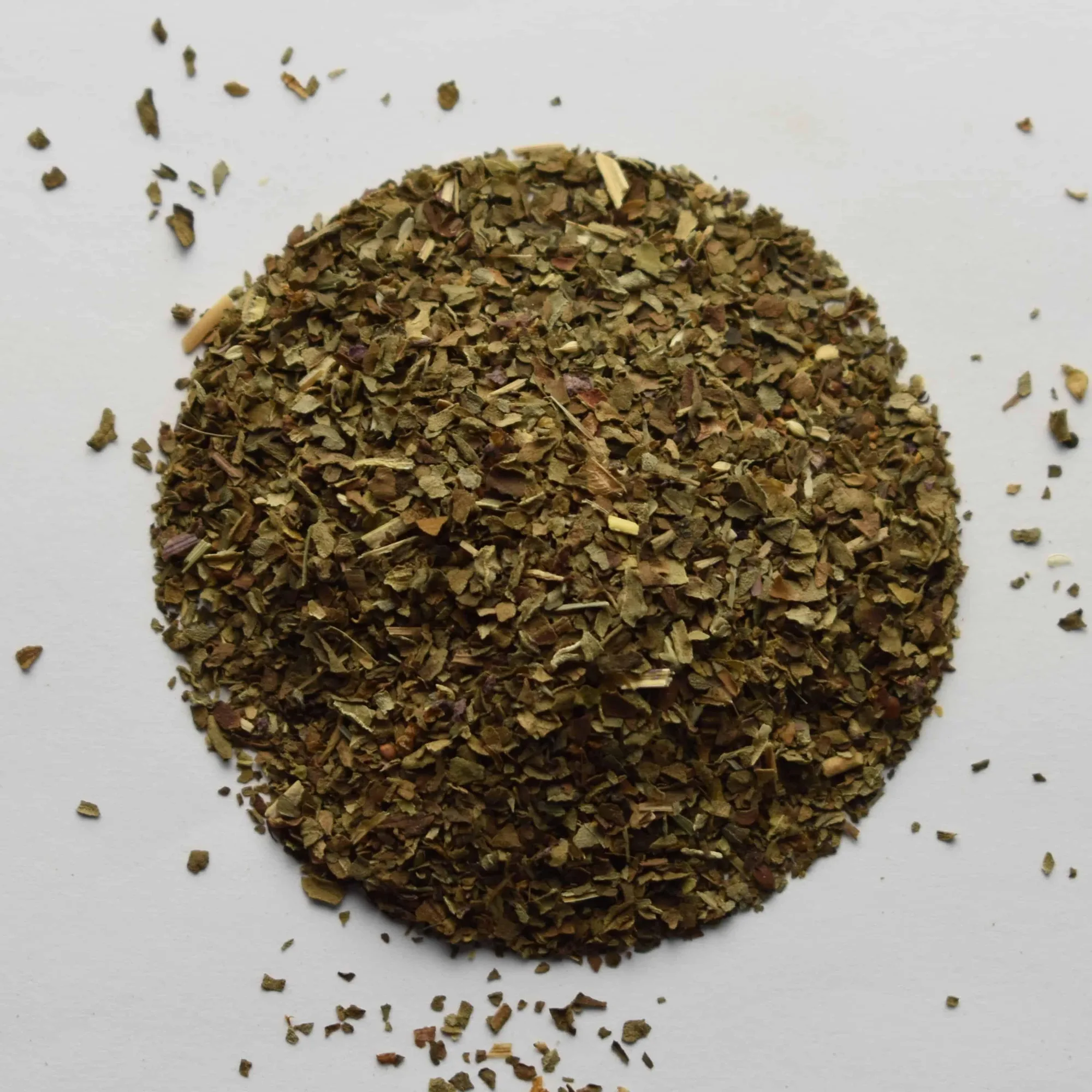
Vietnamese Lemongrass Rub is a blend built for East Asian flavors, featuring lemongrass, basil, chiles and star anise with other spices. That means the chile heat is already inside the rub, so you are not starting from zero when you add Red Chile Flakes. Treat the rub as the base layer and the flakes as the adjustable top layer.
basil
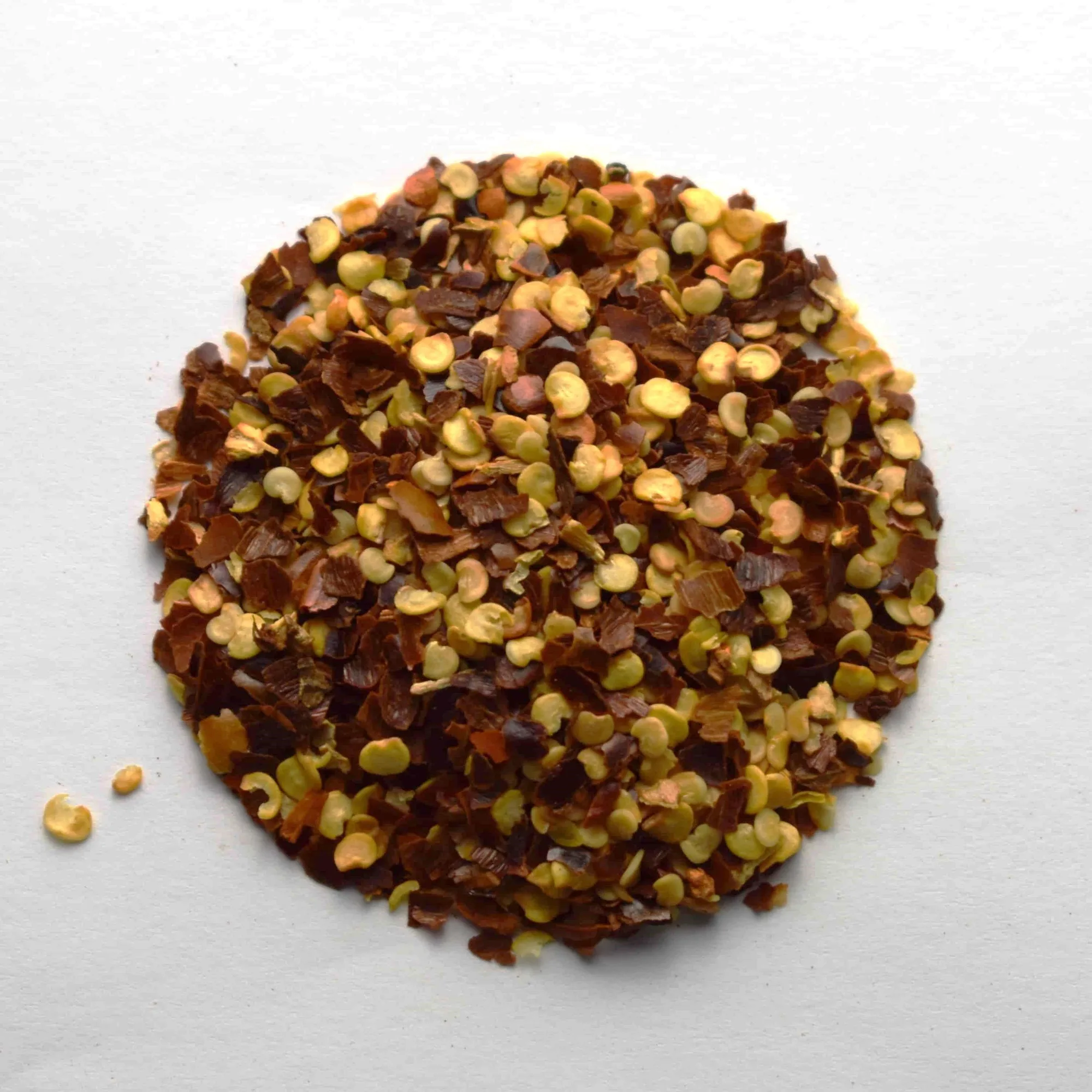
Red Chile Flakes are made from a variety of crushed chilies, including cayenne, ancho and even red bell peppers, and they go by names like crushed red peppers and hot pepper flakes. Because the blend varies, the heat level varies too. Taste a pinch before you commit a whole spoonful to a dish.
How much rub to use on chicken, fish, and vegetables
Start with about 1 teaspoon of Vietnamese Lemongrass Rub per pound of chicken or pork, and about 1/2 teaspoon per pound for delicate fish. For vegetables, 1/2 to 1 teaspoon per cup of sliced or cubed vegetables is a reasonable starting point. These are starting points, not rules: the rub contains salt and spices, so adding more later is easier than removing it.
Apply the rub to a lightly oiled surface rather than a dry one. Oil helps the blend cling and gives the lemongrass and star anise a chance to bloom instead of scorching. If you are cooking a whole chicken, work some of the rub under the skin as well as on top.
Where Red Chile Flakes belong in the cooking process
Red Chile Flakes are a very common ingredient used in pastas, chiles, Mexican cuisine and on pizza. In those dishes, they usually go in twice: once early to flavor the oil, and once at the end for texture. To bloom them, warm them in oil over low heat for 30-60 seconds until they smell fragrant, then add your other ingredients.
If you are using the flakes as a dry rub component alongside the lemongrass rub, crush them between your fingers first so they distribute evenly instead of clumping in one spot.
Chile flakes vs powder: choosing the right form
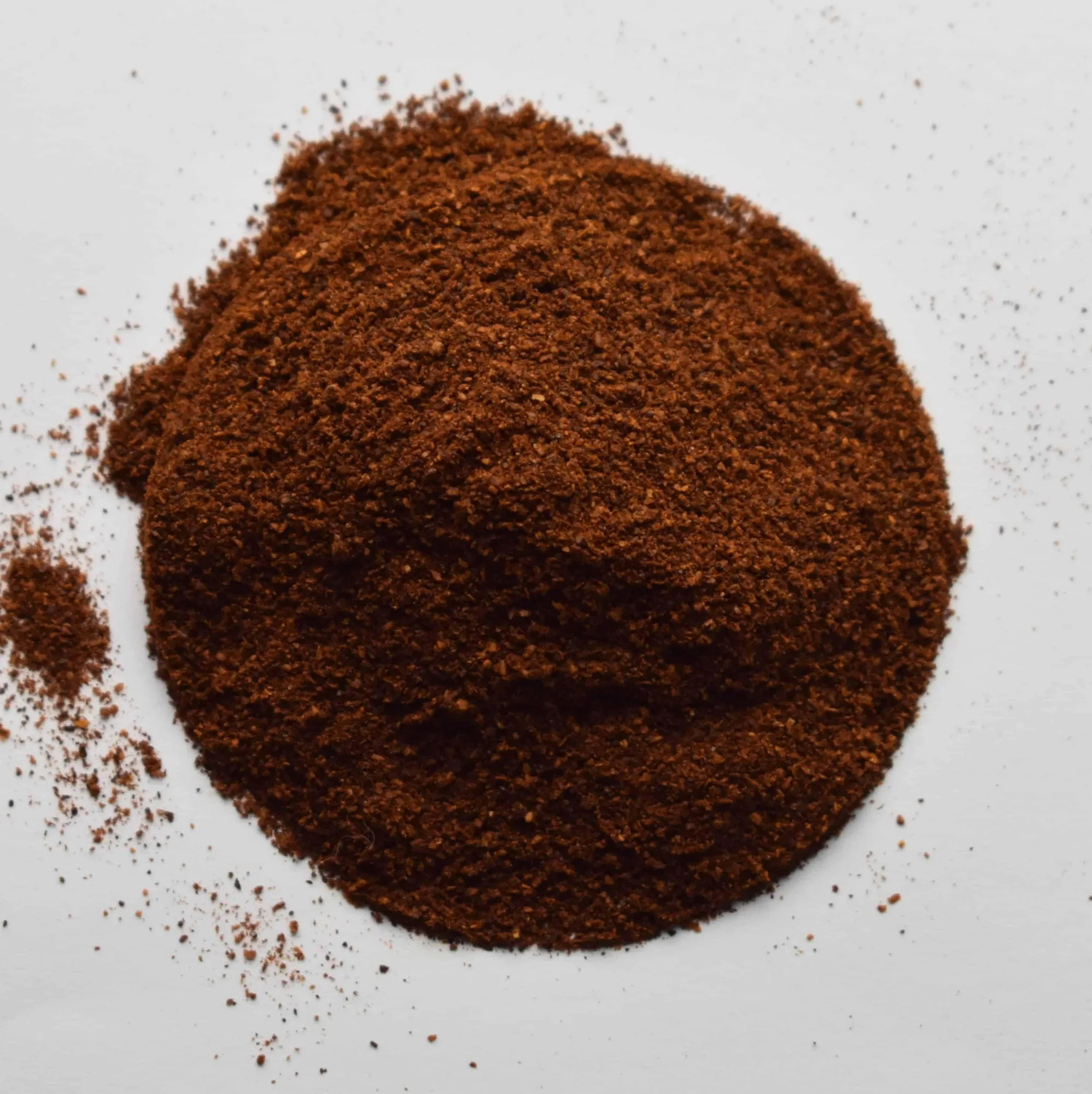
Pasilla Chile Powder is a convenient, pulverized form of the Pasilla Negro Chile with a flavor profile that ranges from tangy to rich to woodsy, adding only subtle amounts of heat. That makes it a good choice when you want chile flavor without much burn, or when you want the seasoning to disappear into a sauce or marinade.
Red Chile Flakes, by contrast, stay visible and release heat more gradually as you chew. Use flakes when you want texture, color, and a heat you can see and control. Use powder when you want an even, background chile note. If you are substituting one for the other, remember that flakes are bulkier, so you will need more of them by volume to match the flavor of a powder.
Step-by-step: cooking with lemongrass rub and red chile flakes
- Step 1: Pat the protein dry and oil it lightly: Moisture is the main reason rubs slide off or steam instead of sear. Dry the surface with paper towels, then rub with a thin coat of neutral oil. Checkpoint: the surface should look glossy, not dripping.
- Step 2: Apply Vietnamese Lemongrass Rub as your base layer: Use about 1 teaspoon per pound for chicken or pork, or 1/2 teaspoon per pound for fish. Press the rub in with your hands so it adheres. Common mistake: dumping the rub into a bowl with the meat and stirring. Apply it directly to the surface.
- Step 3: Rest the seasoned food for 15-30 minutes: This short rest lets the lemongrass, basil, and star anise hydrate and start flavoring the surface. For thicker cuts, you can rest up to an hour in the refrigerator. Checkpoint: the rub should look damp and settled, not powdery.
- Step 4: Cook, then add Red Chile Flakes in the last few minutes: If you are pan-searing, sprinkle flakes into the pan oil for 30-60 seconds before adding the food, or scatter them over the top during the final minute of cooking. For pizza, pasta, or noodles, add them after plating. Common mistake: adding flakes at the very start of a high-heat cook. They burn quickly and turn bitter.
- Step 5: Taste and adjust with more flakes or a pinch of Pasilla Chile Powder: If the dish needs more heat, add flakes. If it needs deeper chile flavor without more burn, stir in Pasilla Chile Powder. Checkpoint: wait until the dish is off the heat before making your final adjustment.
Products used in this guide
- Red Chile Flakes: Red Chile Flakes are a very common ingredient used in pastas, chiles, Mexican cuisine and on pizza. They are made from a variety of crushed chilies, including cayenne, ancho and even red bell peppers. Because the blend varies, the heat level varies from jar to jar, so taste before adding and adjust at the table rather than in the pot.
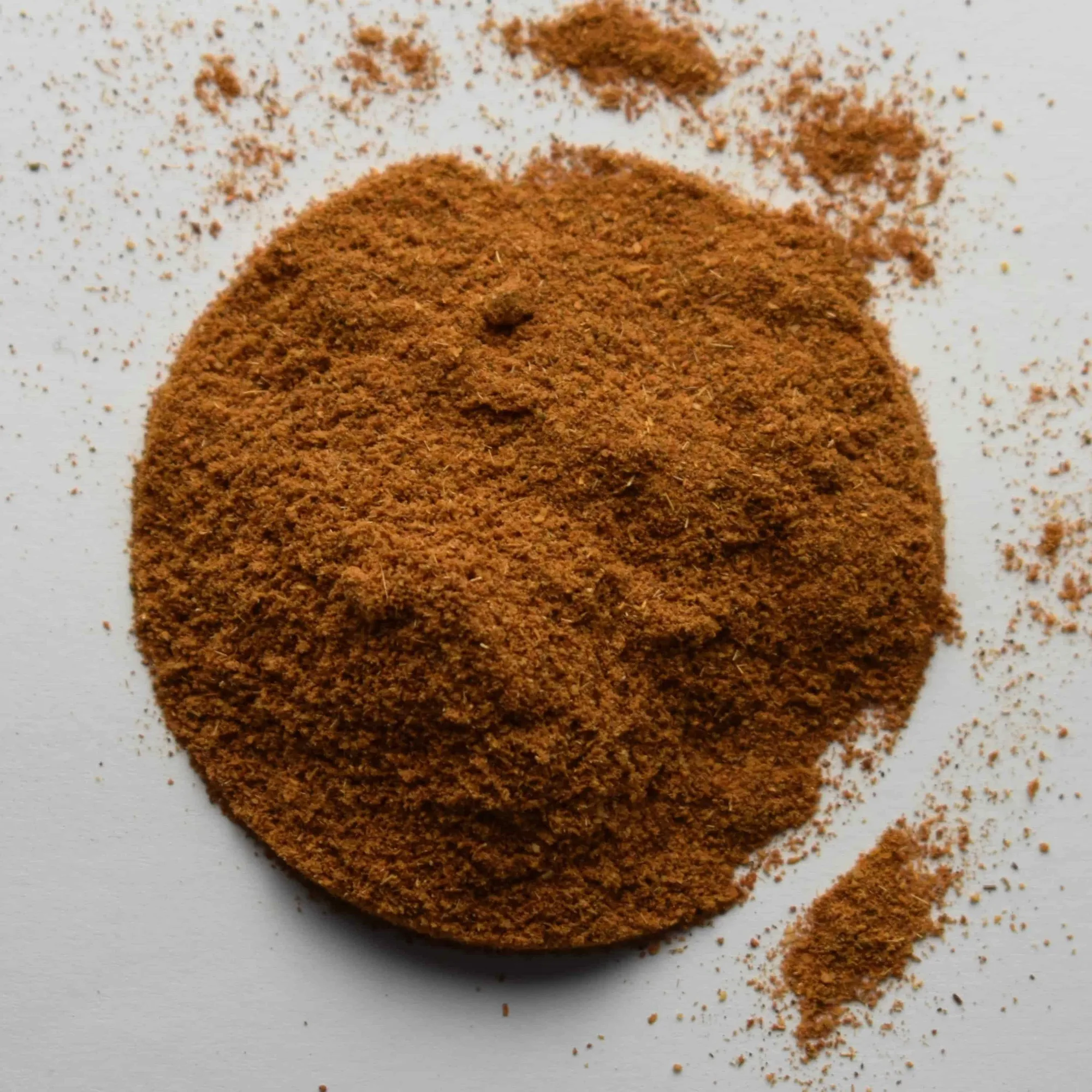
- Vietnamese Lemongrass Rub: Vietnamese Lemongrass Rub is a time-saving blend created to achieve East Asian flavors, featuring lemongrass, basil, chiles and star anise with other spices. It already contains chiles, so it works as a complete base layer and you only need to add flakes for extra heat or texture.
- Pasilla Chile Powder: Pasilla Negro Chile Powder is a convenient, pulverized form of the Pasilla Negro Chile with a flavor profile ranging from tangy to rich to woodsy, adding only subtle amounts of heat. Choose it when you want chile flavor without much heat, or when you need the seasoning to blend smoothly into a marinade or sauce.