Kitchen towels are more than just utilitarian cloths—they are everyday tools that influence how you cook, clean, and present your space. With so many options on the market, choosing the right one can feel overwhelming. Should you prioritize absorbency, durability, or design? And what makes a block-printed tea towel stand out from a plain cotton or linen alternative?
In this comparison, we put the Copper Brown Herbarium Block Printed Tea Towel side by side with three other common kitchen towel types: standard plain cotton, classic linen, and quick-dry microfiber. We evaluate each on material, absorbency, lint production, durability, and aesthetic appeal to help you decide which towel belongs in your kitchen.
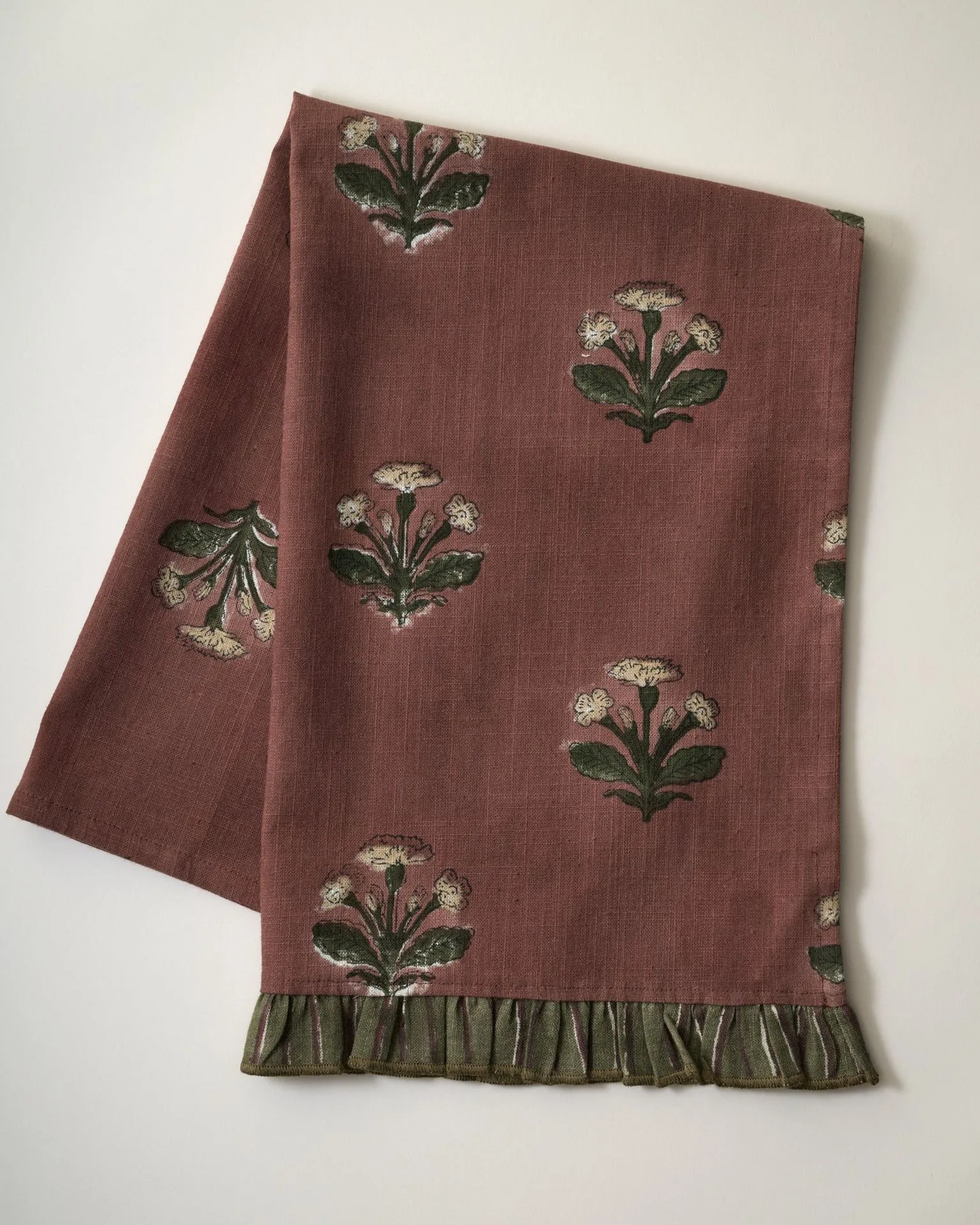
Copper Brown Herbarium Block Printed Tea Towel
Why the Copper Brown Herbarium Block Printed Tea Towel Deserves a Closer Look
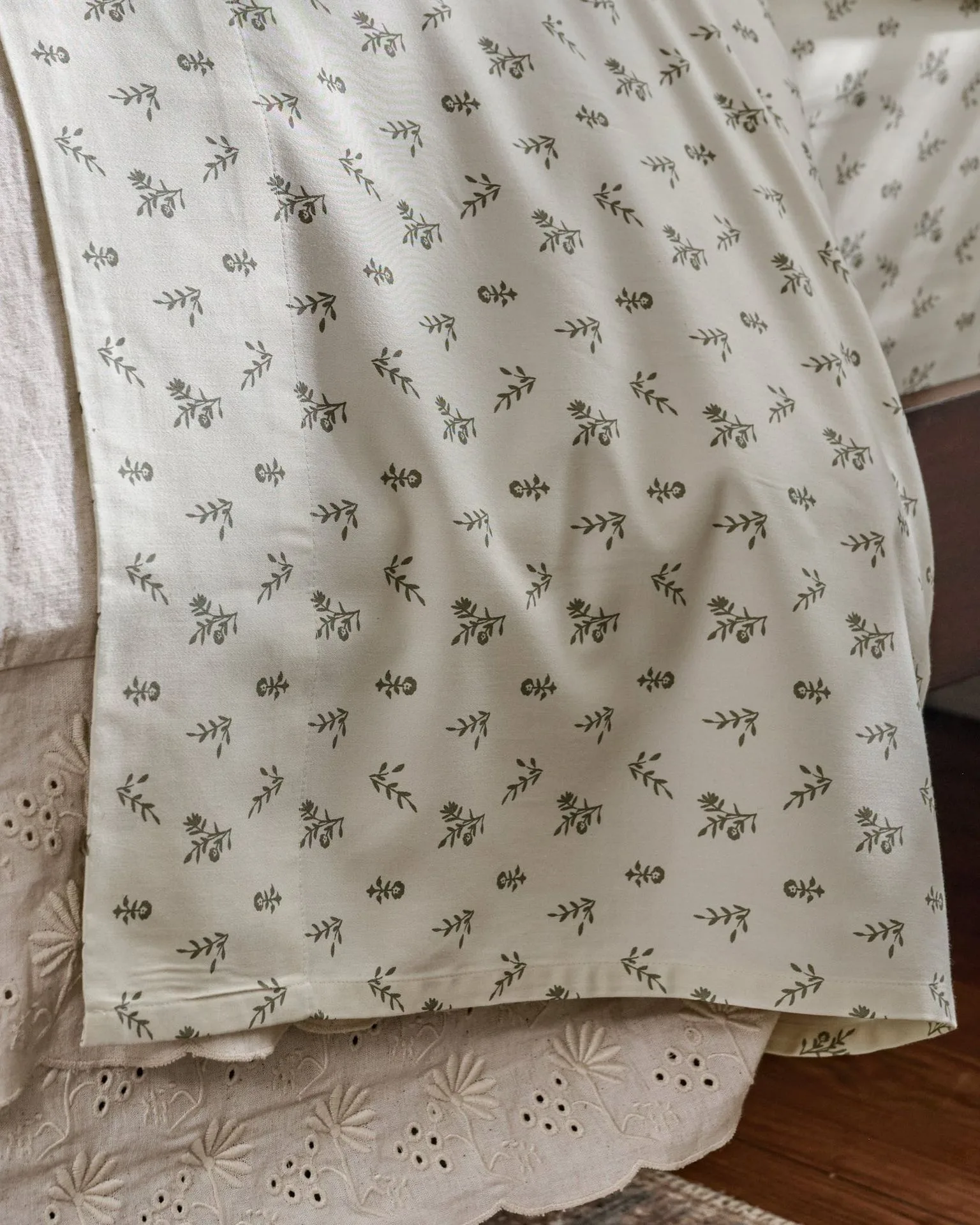
The Copper Brown Herbarium Block Printed Tea Towel is a standout piece from the Magnolia collection, blending artisan craftsmanship with practical kitchen performance. Its hand-block-printed design features botanical-inspired motifs in warm copper brown tones, adding a touch of natural elegance to any kitchen. Made from 100% cotton, this towel offers a soft yet sturdy feel that improves with each wash.
Unlike mass-produced towels, the hand-block-printing technique ensures each piece has subtle variations, making it a unique addition to your kitchen linens. The towel measures approximately 18 by 28 inches, a versatile size suitable for drying dishes, covering bread, or hanging as decorative accent. Its hemmed edges prevent fraying, and the fabric is pre-washed for minimal shrinkage.
- Material: 100% cotton, pre-washed for softness
- Design: Hand-block-printed herbarium pattern in copper brown
- Size: 18 x 28 inches, ideal for most kitchen tasks
- Care: Machine washable, tumble dry low
Comparison Criteria: What to Look for in a Kitchen Towel
To make an informed choice, we compared the Copper Brown Herbarium Block Printed Tea Towel against three common alternatives based on five key criteria: material composition, absorbency, lint production, durability after repeated washes, and visual appeal. Each towel was tested under typical kitchen conditions—drying wet hands, wiping countertops, and drying glassware—over a period of two weeks with daily use and weekly laundering.
The results highlight clear trade-offs. While microfiber excels at streak-free drying, it lacks the natural charm and softness of cotton. Linen offers superior absorbency but wrinkles easily and can feel rough initially. Plain cotton is affordable and reliable, but its design is often uninspired. The block-printed tea towel strikes a balance between performance and personality, making it a strong contender for those who value both function and style.
- Absorbency: Measured by water retention and drying speed
- Lint: Low lint means cleaner glassware and less mess
- Durability: Resistance to fraying, fading, and pilling after 10 washes
- Aesthetics: Visual appeal and ability to complement kitchen décor
Copper Brown Herbarium Towel vs. Plain Cotton Kitchen Towel
Plain cotton kitchen towels are the workhorses of most kitchens. They are inexpensive, widely available, and reasonably absorbent. However, their design is often generic—solid colors or simple stripes that do little to elevate your kitchen's look. In contrast, the Copper Brown Herbarium Block Printed Tea Towel brings a curated, artisan feel to your space. Its hand-printed pattern adds visual interest without being overwhelming.
In terms of performance, both cotton options absorb moisture effectively, but the herbarium towel's tighter weave reduces lint compared to many basic cotton towels. After ten washes, the block print remained vibrant with minimal fading, while some plain cotton towels showed signs of pilling. For the home cook who wants a towel that looks good hanging on the oven handle and performs well on dishes, the herbarium towel is the clear winner.
- Design: Herbarium towel offers unique pattern; plain cotton is generic
- Lint: Herbarium towel produces less lint after multiple washes
- Durability: Block print stays vibrant; plain cotton may pill over time
- Best for: Everyday use with style; plain cotton suits budget-friendly needs
Copper Brown Herbarium Towel vs. Linen Kitchen Towel
Linen towels are prized for their exceptional absorbency and quick-drying properties. They can hold up to 20% of their weight in water and dry faster than cotton, making them ideal for drying glassware without streaks. However, linen has a stiffer texture that softens only after several washes, and it wrinkles easily, which may not appeal to those who prefer a crisp, neat appearance.
The Copper Brown Herbarium Block Printed Tea Towel, made from 100% cotton, offers a softer hand feel right out of the package. While it is slightly less absorbent than linen, it compensates with a smoother surface that is gentler on delicate items. Additionally, the block-printed design adds a decorative element that linen towels typically lack. If you prioritize a soft touch and unique aesthetics over maximum absorbency, the cotton tea towel is a better fit.
- Absorbency: Linen is superior; cotton is adequate for most tasks
- Softness: Cotton is soft from the start; linen requires break-in
- Wrinkling: Linen wrinkles noticeably; cotton holds shape better
- Best for: Linen for glassware and quick drying; herbarium towel for style and comfort
Copper Brown Herbarium Towel vs. Microfiber Kitchen Towel
Microfiber towels are engineered for high absorbency and streak-free cleaning. They can hold several times their weight in water and dry quickly, making them popular for cleaning tasks. However, microfiber is synthetic and can feel less pleasant against the skin. It also tends to snag on rough surfaces and may release microplastics into the wash water, which is a concern for eco-conscious consumers.
The Copper Brown Herbarium Block Printed Tea Towel offers a natural, biodegradable alternative. While it does not match microfiber's sheer absorbency, it provides a more pleasant tactile experience and a timeless look that microfiber cannot replicate. For drying hands or gently wiping dishes, the cotton towel is more comfortable and visually appealing. Microfiber remains a practical choice for heavy-duty cleaning, but the herbarium towel wins for everyday kitchen use where form and function meet.
- Material: Natural cotton vs. synthetic microfiber
- Eco-friendliness: Cotton is biodegradable; microfiber sheds plastics
- Feel: Cotton is soft and comfortable; microfiber can feel slippery
- Best for: Herbarium towel for daily use and décor; microfiber for deep cleaning
Which Towel Should You Choose? A Quick Decision Guide
To help you decide, consider your primary kitchen needs. If you love hosting and want your kitchen to feel curated, the Copper Brown Herbarium Block Printed Tea Towel is an excellent choice—it combines artisan design with reliable performance. For those who prioritize maximum absorbency and quick drying, linen is a strong contender. Plain cotton works well for budget-conscious households, and microfiber is best reserved for heavy-duty cleaning tasks.
Ultimately, the best kitchen towel is one that fits your lifestyle and brings you joy each time you use it. The herbarium towel's unique pattern and soft cotton feel make it a versatile addition that works as both a functional tool and a decorative accent. Whether you are drying a favorite ceramic mug or wiping down a marble countertop, this towel delivers quality and charm.
- Choose the herbarium towel for style, softness, and everyday use
- Choose linen for maximum absorbency and streak-free glassware
- Choose plain cotton for affordability and basic performance
- Choose microfiber for heavy-duty cleaning and quick drying
No matter which towel you choose, having the right kitchen linen can transform your daily routine. The Copper Brown Herbarium Block Printed Tea Towel stands out for its beautiful design and reliable cotton performance, making it a worthy investment for any home. Explore this artisan towel and see how it can elevate your kitchen experience.