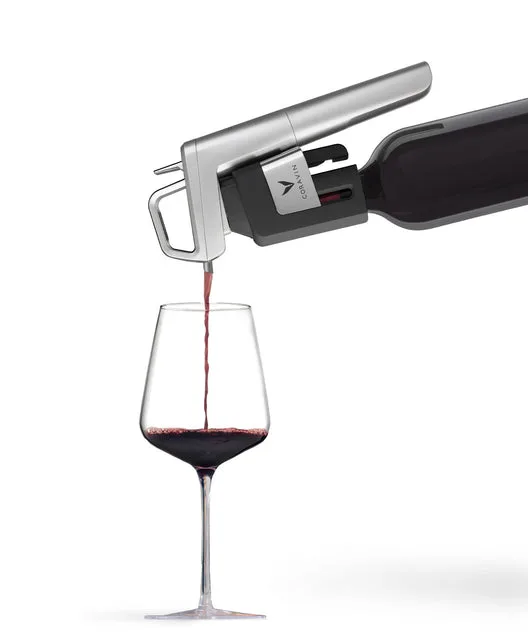
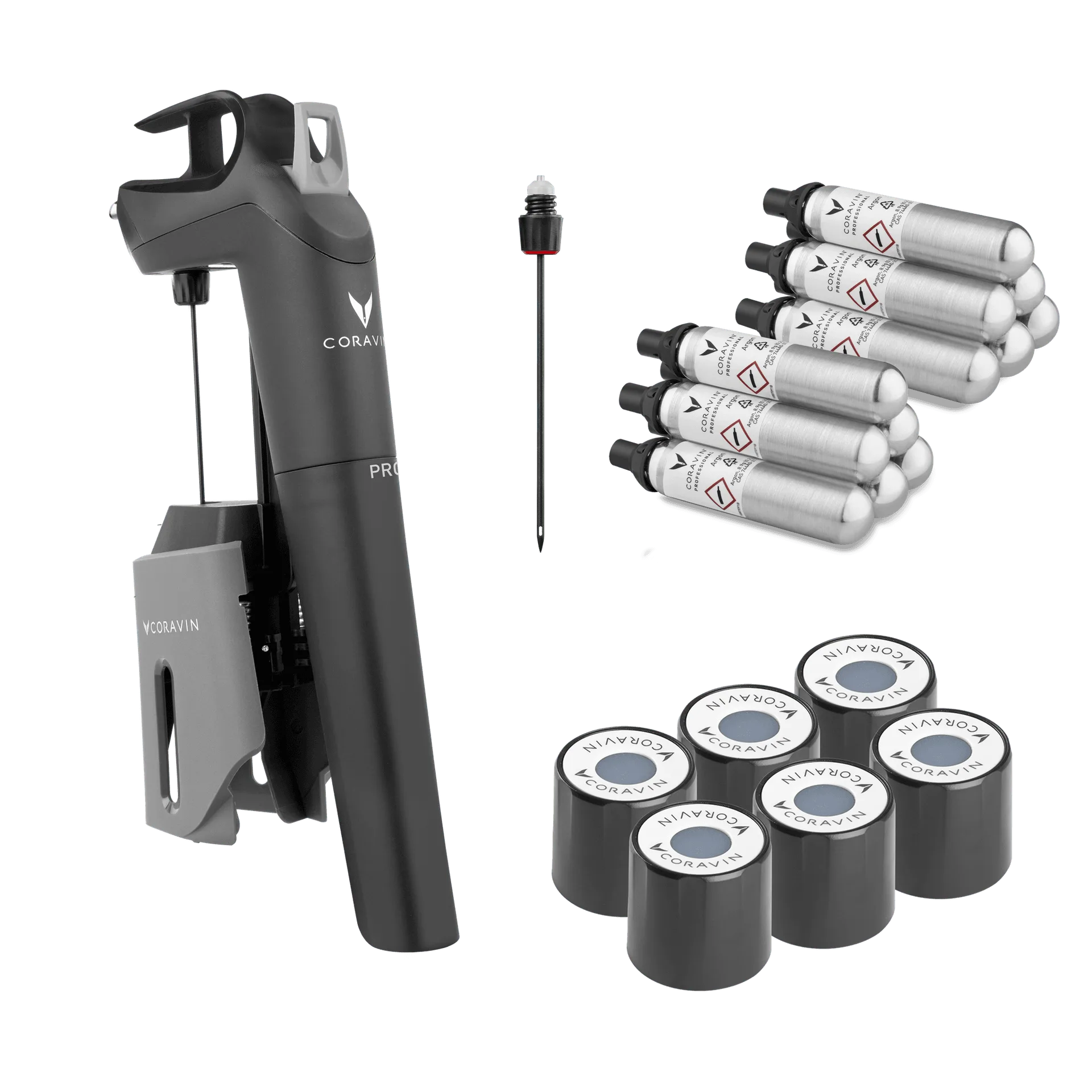
Every wine enthusiast knows the frustration: you open a bottle, love it, and then forget the name a week later. Or you taste a wine at a friend's house and wish you had jotted down your impressions. A wine journal solves this by capturing your sensory experience and the context around each bottle. The Coravin Wine Journal is designed specifically for this purpose, offering a structured format that complements your wine preservation routine.
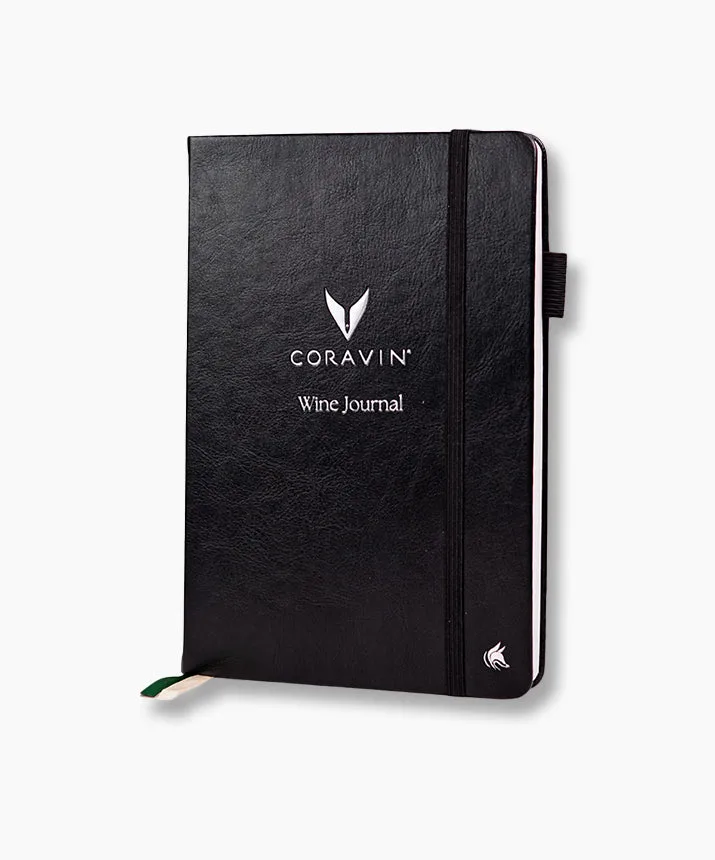
wine journal
In this guide, we'll explore how to use the Coravin Wine Journal effectively, from recording basic details to creating a personal tasting note system. Whether you're a casual drinker or a serious collector, this journal helps you build a valuable reference library of your wine journey.
Why Keep a Wine Journal?
A wine journal is more than just a log; it's a tool for developing your palate. By writing down what you taste, you train your brain to recognize flavors and aromas, making future tastings more insightful. Over time, you'll notice patterns in your preferences, helping you choose wines you'll love.
Additionally, a journal preserves memories. Wine is often tied to special occasions—anniversaries, dinners, travels. Recording the wine and the moment lets you relive those experiences. For collectors, a journal is essential for tracking bottle provenance, vintage variations, and aging potential.
- Improves palate recognition through active note-taking
- Helps identify flavor preferences and buying patterns
- Creates a personal archive of wine memories and occasions
Getting Started with the Coravin Wine Journal
The Coravin Wine Journal is thoughtfully designed with dedicated sections for each wine. It includes fields for the wine's name, vintage, producer, region, grape variety, and price. But the real value lies in the tasting note areas, where you can describe appearance, aroma, taste, and finish.
Before you start, decide on a note-taking style. Some prefer brief bullet points, while others write detailed paragraphs. The journal's flexible layout accommodates both. You can also use a rating scale (e.g., 1-100 or 1-5 stars) to quickly compare wines later.
To get the most from your journal, pair it with your Coravin system. Since Coravin allows you to pour a glass without opening the bottle, you can revisit a wine over several weeks and add notes each time. This is perfect for tracking how a wine evolves with air exposure.
- Use a consistent rating scale for easy comparison
- Add notes on food pairings and occasions
- Date each entry to track your tasting history
What to Record in Your Tasting Notes
A comprehensive tasting note covers several key areas. Start with the visual: note the wine's clarity, intensity, and color (e.g., pale straw, deep ruby). Swirl the glass and observe the legs or tears, which can indicate alcohol or sugar content.
Next, focus on aroma. Take a few short sniffs and identify primary fruit scents (citrus, red berries), secondary notes from fermentation (yeast, bread), and tertiary aromas from aging (vanilla, leather, earth). Write down the intensity and any specific impressions.
On the palate, consider sweetness, acidity, tannins, body, and alcohol. Describe the flavors and how they evolve. Finally, assess the finish—how long do the flavors linger? This is often a mark of quality. Don't forget to note the overall balance and your personal enjoyment.
- Use descriptive language: 'crisp green apple' vs. 'fruity'
- Include serving temperature and glassware used
- Note the date and occasion to jog your memory
Tips for Using the Journal with Your Coravin System
One of the greatest advantages of the Coravin system is the ability to taste a wine over multiple sessions without opening the bottle. Use this to your journal's advantage. After your first pour, jot down initial impressions. A few days later, pour another glass and note any changes. This 'time-lapse' approach reveals how the wine develops, which is invaluable for understanding aging potential.
For wines you plan to age, the journal becomes a critical tool. Record your tasting notes at regular intervals—say, every six months—to track evolution. This is especially useful for collector-grade bottles from your cellar. The journal's structured format makes it easy to see at a glance how a wine is progressing.
If you're using a Coravin system like the Timeless Six+ or Model Three Professional Kit, you'll appreciate the precision that allows you to pour just a taste. This means you can sample a wine without committing to a full glass, perfect for journaling multiple bottles in one sitting.
- Taste the same wine over several weeks and compare notes
- Use the journal to decide when to drink a wine at peak
- Record the Coravin needle setting and pour size for consistency
Creating a Tasting Notes Template
While the Coravin Wine Journal comes with pre-printed fields, you might want to create your own template for consistency. A simple template includes: Wine name, Vintage, Producer, Region, Grape, Price, Date tasted, Occasion, Appearance, Aroma, Taste, Finish, Overall rating, and Comments.
You can also add a section for 'Food Pairing' and 'Recommendation' (buy again? cellar?). This makes the journal a practical buying guide. For example, if you consistently rate wines from a certain region highly, you'll know to explore more from there.
If you prefer digital, you can use the journal as a guide to create a spreadsheet or use a note-taking app. But many find the tactile experience of writing more memorable. The Coravin Wine Journal is beautifully bound, making it a pleasure to use and a great gift for wine lovers.
- Keep a consistent structure for easy scanning
- Use abbreviations for common terms (e.g., 'med+' for medium-plus acidity)
- Leave space for revisiting notes later
Maintaining Your Wine Journal
To get the most from your journal, make it a habit. Keep it near your tasting area, along with your Coravin system and a clean glass. After each pour, take a few minutes to write. If you're tasting multiple wines, do it right away to avoid confusion.
Periodically review your past entries. This is not only nostalgic but also educational. You'll see how your palate has evolved and which wines truly stood the test of time. You might even discover a forgotten gem in your cellar that you should drink soon.
Remember to protect your journal. Store it on a shelf away from moisture and direct sunlight. The Coravin Wine Journal's durable cover and thick pages are designed to last, but a little care goes a long way.
- Set a reminder to write notes immediately after tasting
- Review entries monthly to track your preferences
- Use a pencil for initial notes to allow corrections
A wine journal is an essential companion for any enthusiast, and the Coravin Wine Journal offers a structured, elegant way to preserve your tasting experiences. By combining it with your Coravin system, you can deepen your understanding of wine and build a personal reference that will serve you for years. Start your journal today and make every glass count.