Which Cork Flooring Is Right for Your DIY Project?
If you're planning a DIY cork floor installation, the choice between cork floor tiles and cork flooring roll comes down to your room, your installation method, and your tolerance for seams. Both are natural, warm, and comfortable underfoot, but they suit different situations. This guide compares the two based on the available product evidence so you can decide which matches your project.
Installation Method: Floating vs. Glued
The most important decision is how you plan to install the floor. Cork floor tiles offer two options: floating (no glue, no underlay) or glued-down for a permanent finish. Cork flooring roll, on the other hand, is glued down and works best when you want a continuous surface with fewer joins.
- Cork Floor Tiles: Choose floating tiles for a fast install over an existing floor with no underlay required, or glued-down tiles for a permanent, seamless finish built to last.
- Cork Flooring Roll: Installs with adhesive (glued method). The roll format means fewer joins, which can speed up installation in larger areas.
Key Product Facts for Your Decision
-
Cork Floor Tiles: Cork Floor Tiles — Floating or glued — your call, same natural performance. Warm, quiet, and genuinely comfortable underfoot. If you want a simple DIY install over an existing floor, floating tiles avoid the need for underlay or adhesive.
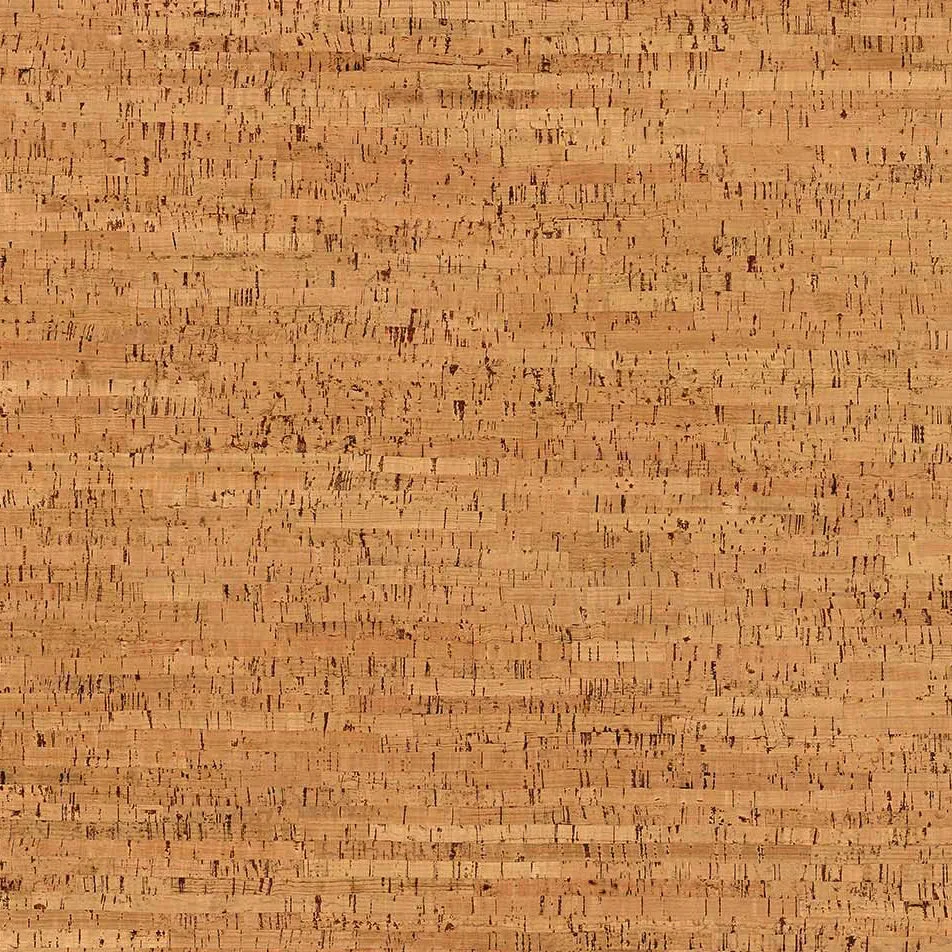
Cork Floor Tiles
-
Cork Flooring Roll: Cork Flooring Roll — The water-resistant cork floor — for wet areas and beyond. PVC-free and made in Portugal, it's water-resistant enough for kitchens, bathrooms, laundries — even boats. For wet areas like bathrooms or kitchens, only the roll option offers water resistance. Standard cork tiles are not confirmed as water-resistant.

Cork Flooring Roll
Wet Areas and Underfloor Heating
Cork flooring roll is the only option here that is explicitly designed for wet areas, making it suitable for kitchens, bathrooms, and laundries. It also works with underfloor heating and has a low 3mm profile. The cork floor tiles do not have confirmed water resistance or underfloor heating compatibility in the supplied information, so they are best for dry, indoor spaces where you want thermal comfort and joint-friendly softness.
Seams, Layout, and Design Flexibility
Cork floor tiles come in multiple colour variants (Alba, Kindle, Vera, Umber) and can be arranged in creative layouts for bespoke interiors. The tiles have seams between each piece, which some DIYers find easier to handle in small rooms or around obstacles. Cork flooring roll offers fewer joins, which can give a cleaner look in open spaces, and can also be applied to walls for a continuous floor-to-wall finish. The roll is supplied unfinished, so you can stain it to whatever colour your project calls for.
Specifications at a Glance
- Cork Floor Tiles: Cork Floor Tiles — Minimum order: 50m², lead time 6–8 weeks. Ordering for a project requires planning ahead; samples are available before committing.
- Cork Flooring Roll: Cork Flooring Roll — Roll size: 5500 x 1400 x 3mm. Mass per unit area: 1650 ± 150 g/m². Fire rating: Cfls1 (without varnish). Suitable for use with underfloor heating systems. The 3mm low profile and underfloor heating compatibility make it suitable for renovations where floor height is a concern.
What the Evidence Doesn't Tell You
The supplied records do not include specific installation instructions, adhesive recommendations, or detailed care steps for either product. For a DIY project, you may need to consult the manufacturer's full documentation or order a sample to test the material in your space. The records also do not confirm whether cork floor tiles are suitable for underfloor heating or wet areas, so if those are priorities, the cork flooring roll is the safer choice based on available evidence.