Quick answer
Cork flooring under furniture dents because weight sits on a few small contact points, so the fix is spreading that load rather than adding more cushioning. Use wide, flat furniture pads or a load-spreading board under heavy legs, and lift furniture instead of dragging it. A genuine dent that stays after the load is removed is usually a compression mark, not dirt, and shallow ones often recover on their own.
A ring of small dimples under a sofa leg is one of the most common complaints about cork floors, and it is rarely a sign that the floor is failing. Cork is a resilient material, which is exactly why it feels warm underfoot and quiet under a chair. That same give is what allows a narrow leg to press a shallow mark into the surface when the weight above it is heavy enough.
The good news is that most cork floor dents are preventable and many are reversible. This guide separates what you are actually seeing from what caused it, gives you the corrective steps in order, and tells you when to stop and choose a different solution instead of fighting the material.
Symptom: shallow dimples that appear where legs sit
The classic pattern is a set of small, evenly spaced depressions that match the feet of a sofa, dining table, bed frame, or shelving unit. They are usually smooth to the touch rather than torn, and they show up gradually over weeks rather than in a single moment. If you move the furniture, you can often see the marks sitting exactly where the legs rested.
This is different from a scratch, which cuts the surface, and different from a stain, which changes colour. A dent is a compression mark: the material has been squeezed and has not fully sprung back. That distinction matters because the treatments are not interchangeable, and using a scratch remedy on a compression mark wastes your time.
- Photograph the marks with a ruler or coin beside them so you can tell later whether they are fading.
- Check whether the marks line up with the feet or with a hidden frame edge or caster.
- Note whether the floor feels soft or spongy around the dent, which points to a different problem.
Likely cause: weight concentrated on too few points
A heavy item resting on four narrow legs puts a large amount of force through a very small area. Cork handles distributed weight well, but a thin metal foot or a hard plastic caster concentrates pressure, and over time the surface takes a set. The heavier the item and the smaller the contact patch, the faster this happens.
Movement makes it worse. Dragging a chair, sliding a sofa to vacuum behind it, or rolling a loaded trolley across the floor adds sideways friction on top of vertical load. Heat and direct sun can also soften the surface and make it more willing to take a mark, so a sunny spot near a window is often where dents appear first.
One thing worth checking before you blame the furniture: a hollow or springy feeling underfoot is not a dent at all. That points to the subfloor or the installation, and pads will not fix it.
- Weigh the trade-off honestly: a very heavy item on tiny feet may need a load-spreading board, not just pads.
- Look at casters and thin metal glides first, since they concentrate pressure more than wide wooden feet.
Corrective action: spread the load, then lift
Start by increasing the contact area. Wide, flat furniture pads under each leg distribute the same weight across a larger patch, which is the single most effective change you can make. Felt pads are quiet and gentle on the surface but compress under very heavy loads, so for a piano, a full bookcase, or a heavy bed frame, use a rigid load-spreading board or a wide flat glide instead.
Second, stop the sliding. Lift furniture with a helper or a furniture lifter rather than dragging it, and fit glides that slide easily so daily movement does not grind the surface. On chairs that get pushed in and out constantly, check the pads every few months, because a worn-through pad turns into a hard edge that presses into the floor.
For dents that have already formed, remove the load and give the floor time. Many shallow marks relax over days to weeks as the material recovers. Gentle warmth from a normal room, not a direct heat source, can help the process along. Do not sand a dent, and do not steam it, since both can damage the surface layer.
- Re-check pad thickness on the chairs you use every day; that is where wear happens fastest.
- If a dent persists after the load is gone, treat it as cosmetic and decide whether it bothers you enough to act.
When to stop and choose another option
If you have spread the load, stopped the sliding, and a dent still returns within days of reloading, the item is simply too heavy for that spot. At that point the honest answer is to change the setup rather than the floor: relocate the item, place it on a rigid board or a protective mat, or accept the mark as part of living with a resilient floor.
It is also worth knowing that not every cork floor behaves the same way under load. A decorative cork top layer over a resilient core, backed with cork and recycled rubber, is built as a floor rather than a soft surface, so it handles furniture differently from a thin cork tile. If you are still choosing a floor and heavy furniture is a fixed part of your room, factor that into the decision before installation rather than after.
- Stop adding pads if the dent keeps returning under the same load; the load, not the protection, is the issue.
- If the floor feels hollow or moves underfoot, stop and get the subfloor or installation checked instead.
Diagnose the mark before you treat it
- Smooth dimples that match the feet: Compression from weight concentrated on small contact points, made worse by sliding and by warm, sunny spots. Fit wide flat pads or a load-spreading board and lift instead of dragging. Most shallow marks relax once the load is removed.
- A dent that returns within days: The item is too heavy for that position, and no pad will change the underlying load. Relocate it, put it on a rigid board, or accept the mark. Stop buying more padding.
- A hollow or springy patch underfoot: This is not a furniture dent; it points to the subfloor or the installation. Stop treating the surface and get the floor checked. Pads and warmth will not help.
Product facts worth knowing
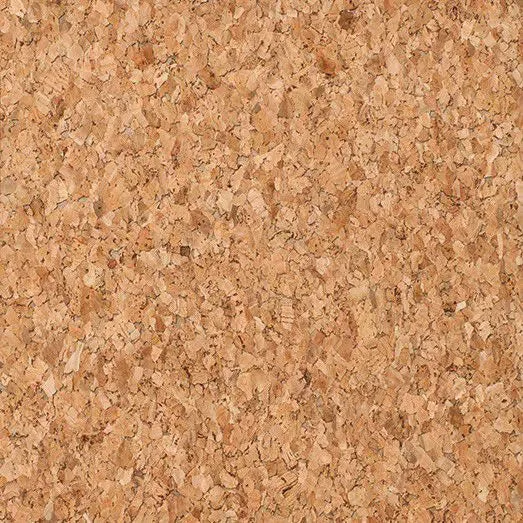
- Cork Flooring Roll: A decorative cork top layer over a resilient PU core, backed with cork and recycled rubber, PVC-free and made in Portugal, water-resistant enough for kitchens, bathrooms, laundries, and boats. A core-backed construction is what makes this a floor rather than a soft surface, so it is the sensible base for a room with real furniture in it. The water resistance also means spills near a sink or laundry do not force you to choose between protection and practicality.
- Cork Flooring Roll: Installs quickly with fewer joins, works with underfloor heating, and can also be applied to walls. Fewer joins mean fewer edges for dirt and moisture to catch, and underfloor heating compatibility matters if you plan to run warmth under a seating area. If you later change your layout, the same material can move to a wall rather than being wasted.
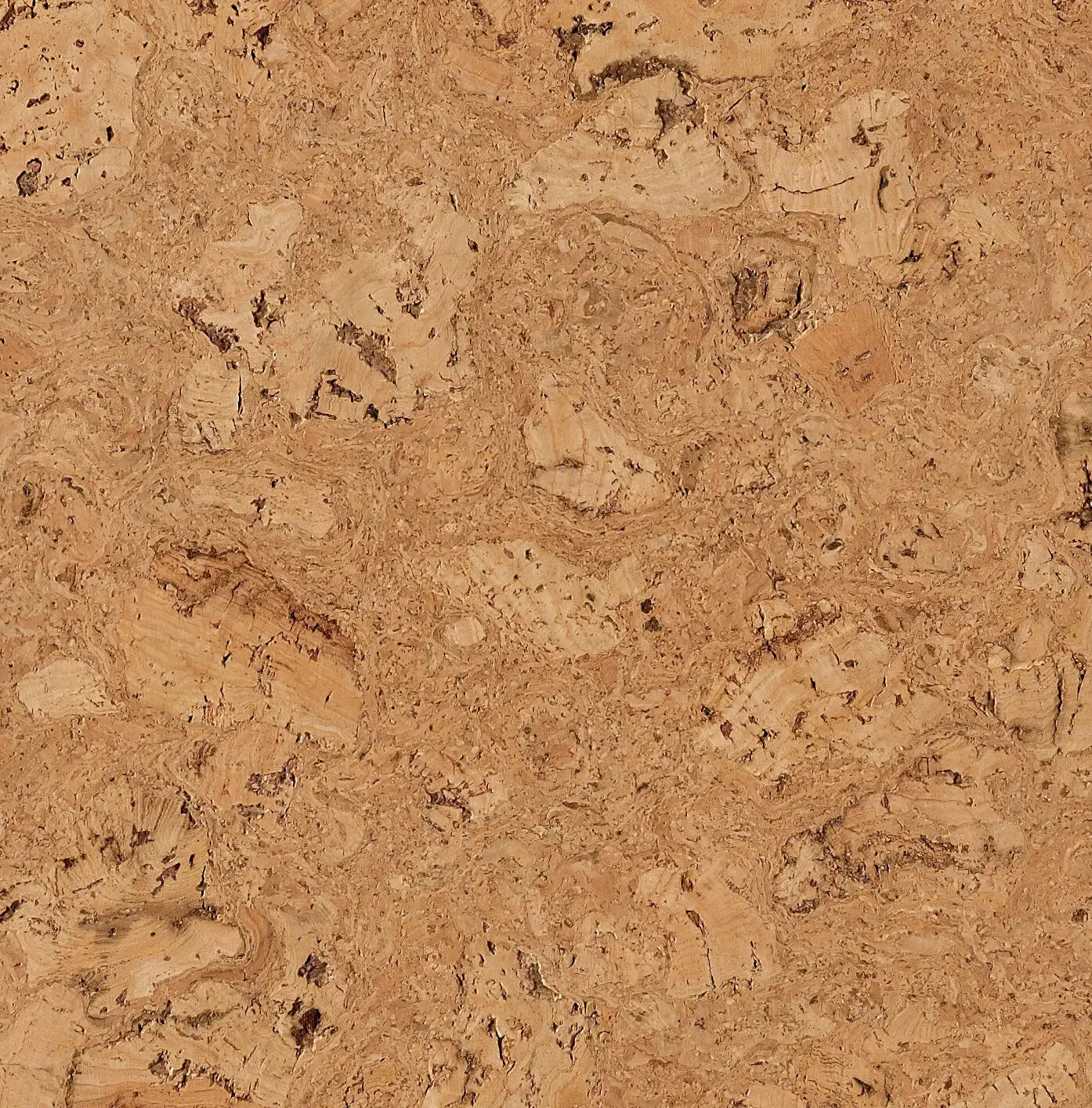
- Cork Wall Tiles: A flat, tactile finish that is warm, sound-absorbing, and available in natural tones, used from a single feature wall to a full commercial fitout. If dents under furniture are pushing you toward a harder floor, walling is a way to keep cork's warmth and quiet in the room without putting it under load.
Cork dents are mostly a load problem, not a floor problem. Spread the weight, stop the sliding, and give shallow marks time to recover. If a dent keeps coming back under the same piece of furniture, change where that piece sits rather than adding more protection.