Quick answer
Choose cork if you practise hot yoga, sweat heavily, or want a mat that stays grippy when dry and resists odour. Choose microfibre if you want a soft suede-like surface that grips better once damp, folds easily for reformer or travel use, and can go in the washing machine. Neither material is universally better; the right pick depends on how much you sweat and how you clean your mat.
How the two materials behave differently
Cork is harvested from tree bark and typically bonded to a rubber backing. It feels firm and slightly textured, and its natural compounds help it resist moisture and odour. Cork grip usually works best when your hands are dry or lightly damp; a quick spray of water can reactivate the surface if it feels slick.
Microfibre is a synthetic suede-like fabric, often paired with a rubber base. It is softer and smoother than cork, and it becomes more absorbent and grippier as it takes on sweat. That makes it a common choice for hot yoga and for anyone whose palms get damp quickly, though it can feel slippery when bone dry.
Grip, sweat and the hot yoga question
For hot yoga, the deciding factor is usually how the mat handles pooled sweat. Cork tends to stay stable because it does not soak up much moisture, so you are not sitting in a wet layer. Microfibre absorbs sweat into the fabric, which improves traction but means the mat gets damp and needs drying afterward.
If you sweat heavily and want a mat that feels secure from the first downward dog, cork is often the more predictable option. If you prefer a surface that starts soft and becomes tacky as you warm up, microfibre is the better match. Neither material is inherently non-slip for every person; body chemistry, humidity and mat thickness all affect the feel.
Care, lifespan and cleaning realities
Microfibre mats are generally easier to clean because many are machine washable, which suits anyone who practises often or shares a mat. Check the care label before washing, and avoid hot cycles that could damage the rubber backing. Cork should not be soaked or machine washed; wipe it with a damp cloth and a mild cleaner, then air dry away from direct sun.
Cork tends to be more durable against abrasion and odour over time, while microfibre can pill or lose its suede feel with heavy use. If you want low-maintenance hygiene and do not mind occasional replacement, microfibre is convenient. If you want a mat that ages slowly and resists smells, cork is usually the longer-term buy.
Feel, thickness and portability
Cork mats are often firmer and heavier, which can feel stable underfoot but less cushioned for sensitive knees and wrists. Microfibre mats are typically thinner and more flexible, so they roll or fold compactly and suit reformer work, travel and studio commutes. If you need joint cushioning, look at thickness rather than material alone.
For Pilates reformer users, a microfibre mat that folds flat and grips the carriage is often more practical than a thick cork mat. For standing yoga flows and balance work, cork's firmness can improve stability. Try to test both surfaces if you can, because texture preference is personal and hard to predict from photos.
The trade-offs at a glance
- Sweat handling: Cork resists moisture and stays stable when you sweat heavily; microfibre absorbs sweat and grips better as it gets damp. Hot yoga and heavy sweaters usually prefer cork; light sweaters may prefer microfibre.
- Cleaning and care: Microfibre can often be machine washed, while cork should be wiped and air dried rather than soaked. If easy hygiene matters most, microfibre is the simpler routine.
- Durability and odour: Cork tends to resist odour and abrasion over years; microfibre can pill or lose its suede feel with heavy use. Long-term users often accept cork's care routine for its slower wear.
- Portability and feel: Microfibre is thinner and more flexible for folding and travel; cork is firmer and often heavier. Reformer and travel users lean microfibre; balance-focused yogis may prefer cork's firmness.
Two real options to compare
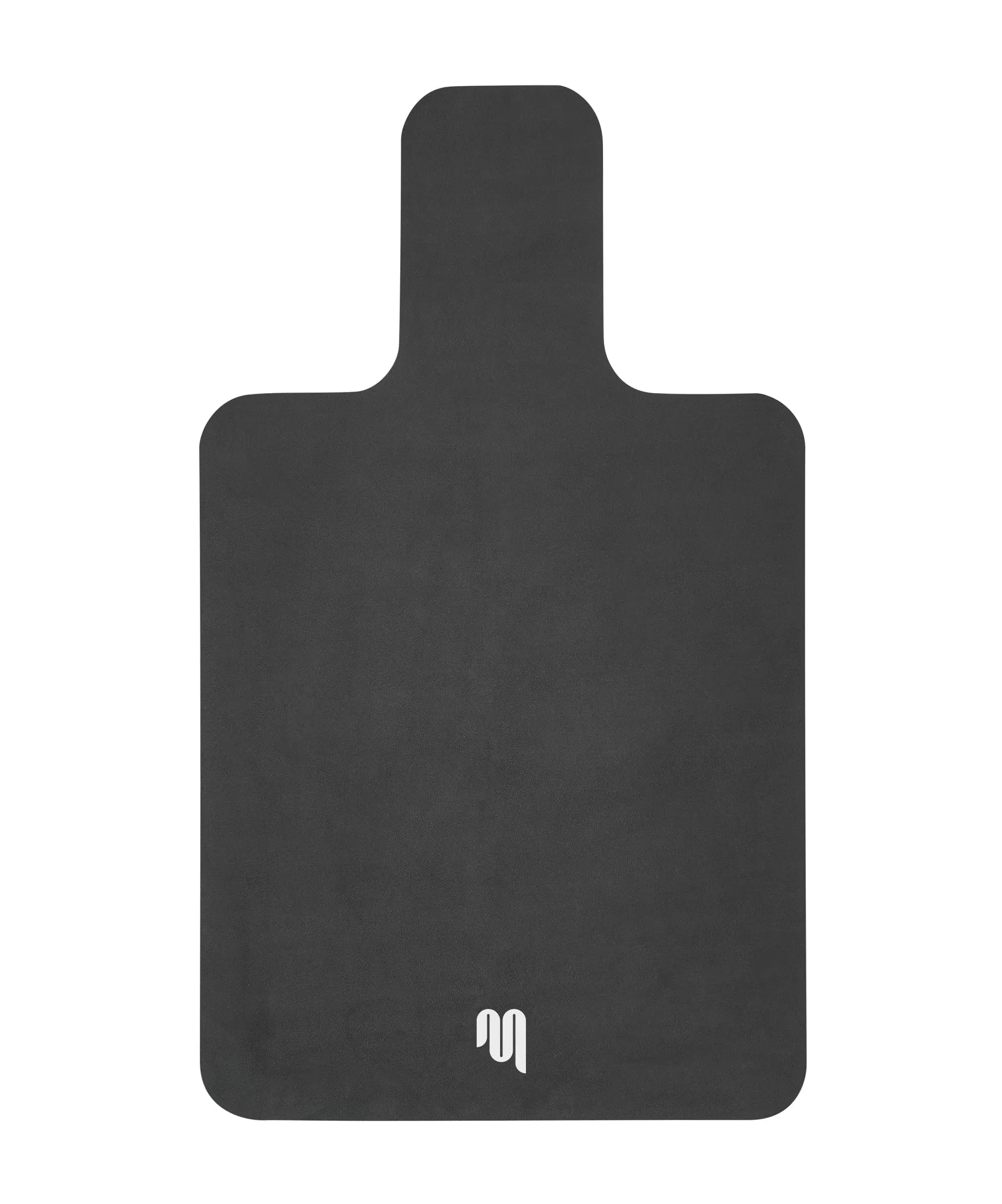
- Microfibre Reformer Mat - Black: Microfibre Reformer Mat - Black, made with a recycled polyester microfibre suede top and biodegradable tree rubber, and machine washable. A washable microfibre surface suits frequent sweaty sessions and reformer use, and the rubber base adds stability without a thick cork layer.
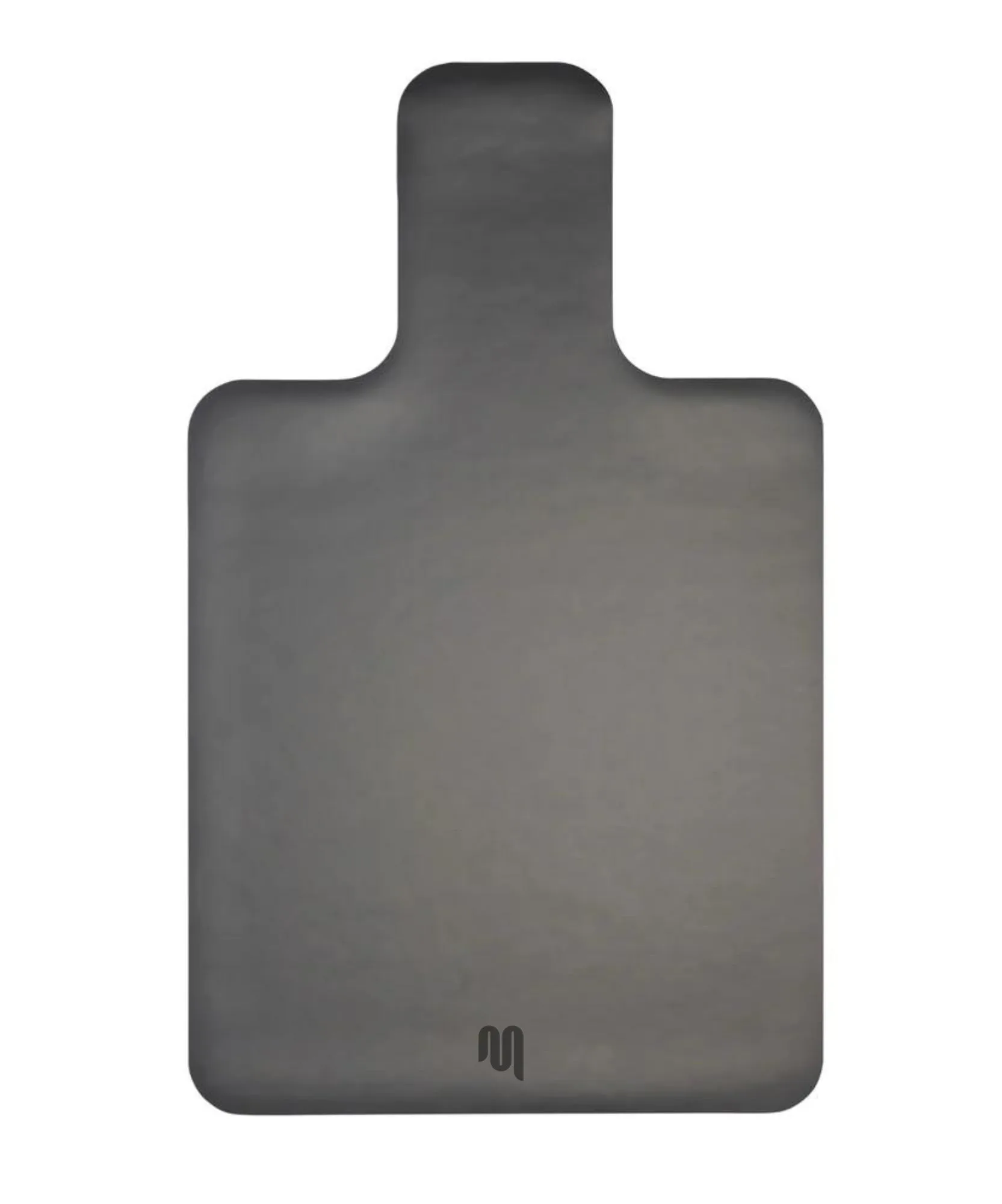
Reformer Mat - Black
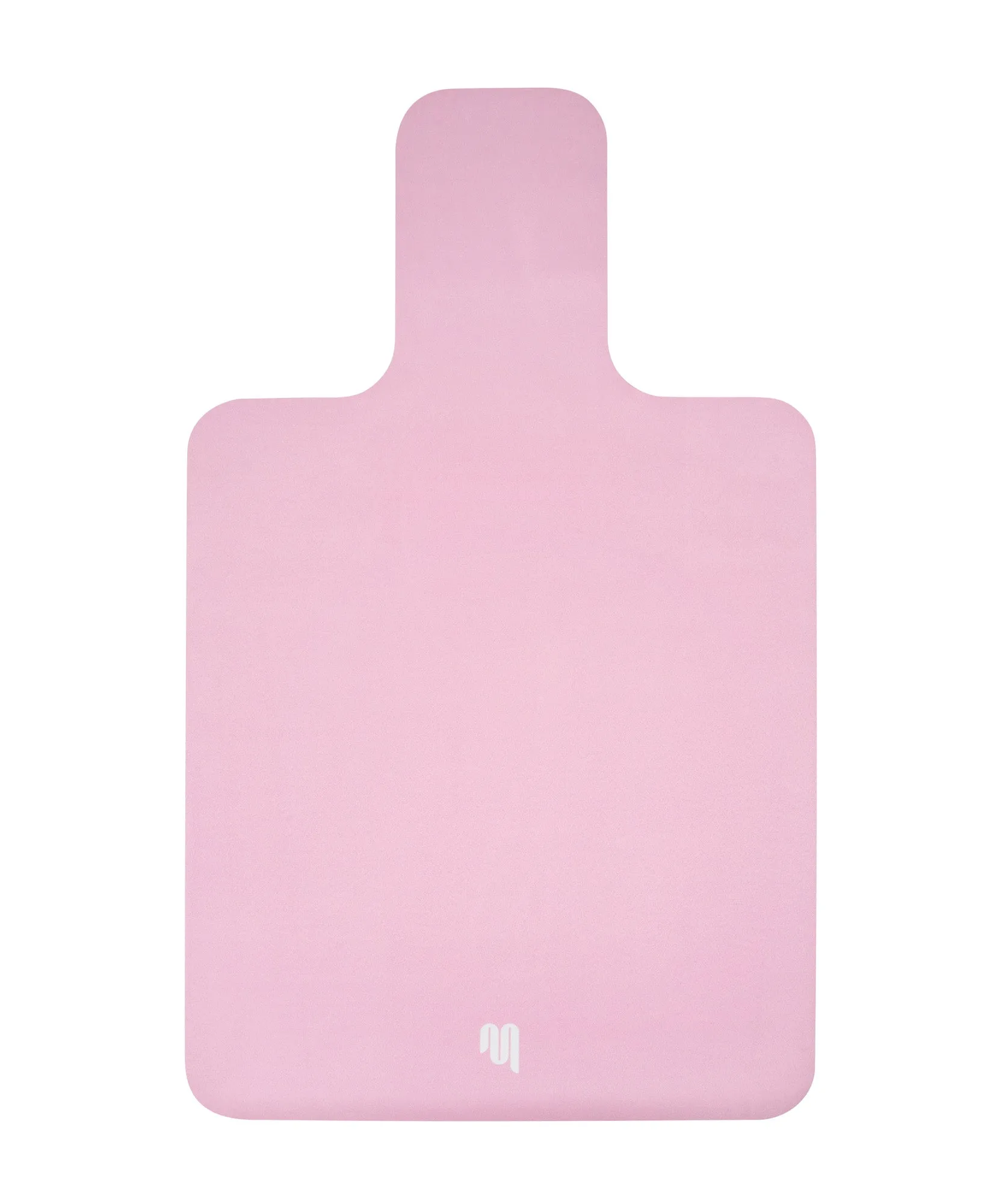
- Microfibre Reformer Mat - Cool Pink: Microfibre Reformer Mat - Cool Pink, same recycled microfibre suede and biodegradable tree rubber construction with machine washability. The lighter price point makes it a low-risk way to try a microfibre mat before committing to a cork alternative.
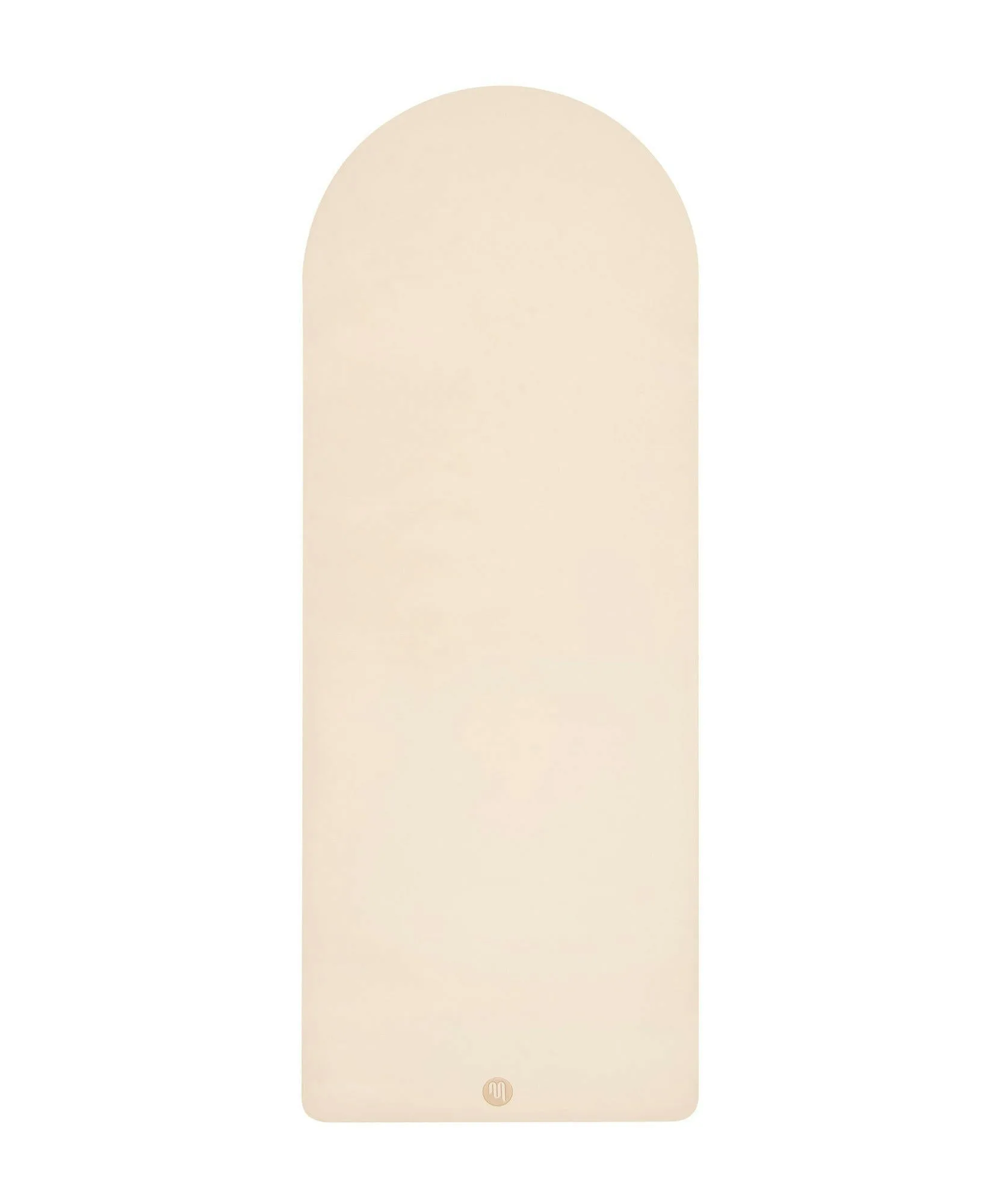
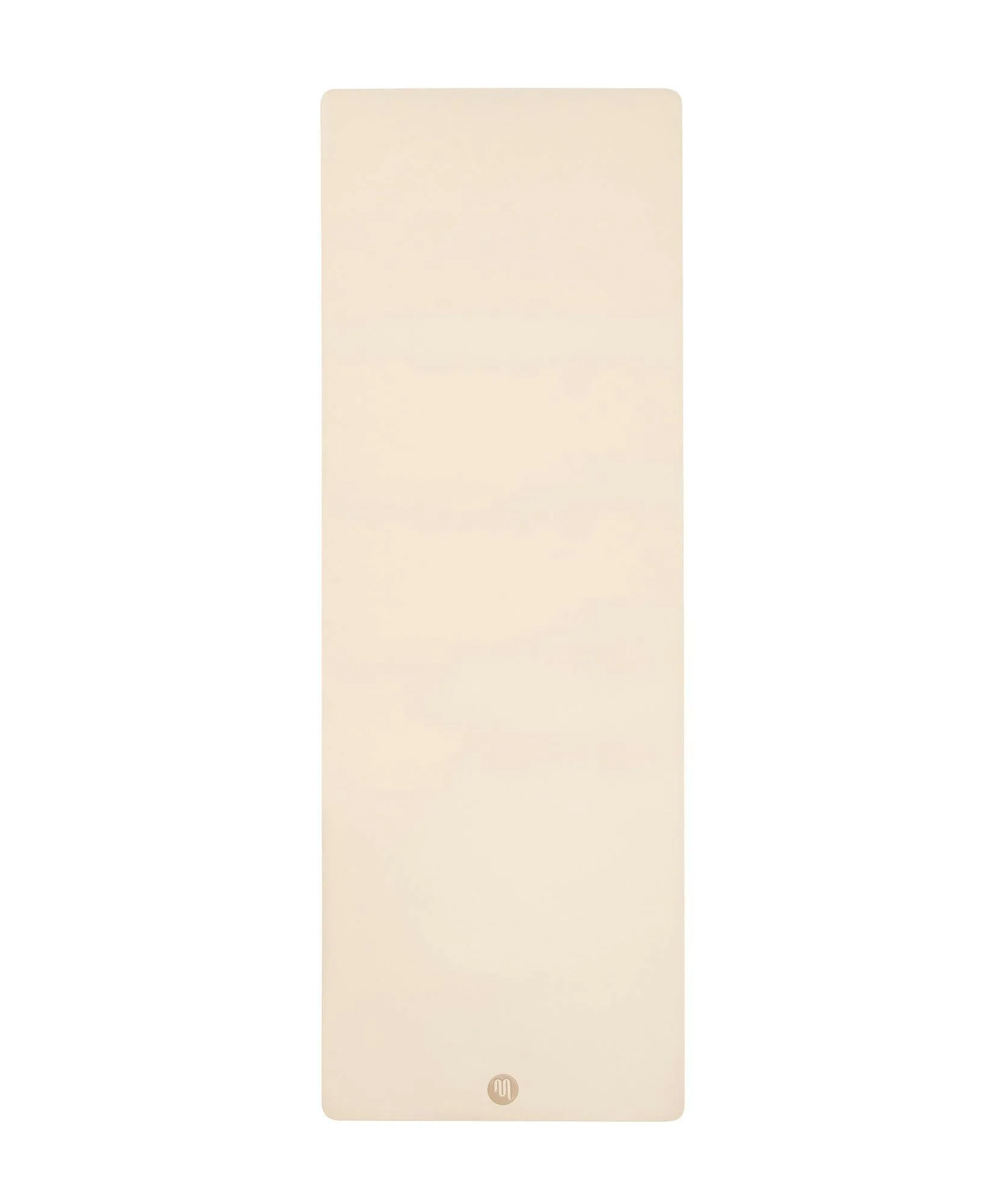
- Studio Yoga Mat - Almond: Studio Yoga Mat - Almond, a vegan leather curved studio mat made from biodegradable tree rubber with anti-microbial and anti-fungal properties, free from PVC, latex and chloride. This is a rubber-based studio mat rather than cork, so it offers a hygienic, latex-free surface for Pilates, yoga and HIIT if cork is not your preference.
Which should you choose?
Best for
- Hot yoga practitioners and heavy sweaters who want a stable, odour-resistant surface
- Yogis who prefer a firm, textured mat for standing balance work
- Anyone willing to wipe and air dry a mat instead of machine washing it
Not for
- Reformer users who need a thin, foldable mat that can be machine washed
- Anyone who dislikes the feel of firm cork under knees and wrists
- Practitioners who want a soft suede-like surface that grips more as it gets damp