Quick answer
To clean a cork yoga mat, wipe it after each session with a diluted vinegar spray or a dedicated cork mat cleaning spray, then air-dry completely. Roll it cork-side out and store it flat or upright in a cool, dry place. Avoid soaking, machine washing, or leaving it in direct sun, which can dry out the cork and reduce grip.
Why cork needs a different care routine
Cork is naturally antimicrobial and moisture-resistant, so it does not harbor bacteria the way some synthetic mats can. That means you do not need harsh cleaners or frequent deep washes. In fact, over-cleaning can strip the natural oils that help cork stay grippy. A simple wipe-down after each practice is usually enough, with a slightly deeper clean every few weeks depending on how much you sweat.
Daily wipe-down: the 30-second habit
After every session, give your mat a quick once-over. This removes sweat, oils, and dust before they settle into the cork's surface. Use a soft cloth or towel dampened with water or a very dilute vinegar solution (1 part white vinegar to 10 parts water). Wring it out well so it is barely damp, then wipe the entire top surface. Follow with a dry cloth if needed. Let the mat air-dry completely before rolling it up. If you used a studio mat or shared equipment, a quick wipe is even more important.
Deep cleaning: when and how
Every 2–4 weeks, or whenever the mat looks dull or feels less tacky, do a slightly deeper clean. You can use a commercial cork mat cleaning spray or make your own with equal parts water and white vinegar. Spray a thin layer over the cork, let it sit for 30 seconds, then wipe with a clean, damp cloth. For stubborn spots, use a soft brush with gentle circular motions. Never submerge the mat in water or put it in a washing machine—the rubber base can degrade. Rinse the cloth frequently and avoid excess moisture. After cleaning, hang the mat over a chair or drying rack away from direct heat until fully dry.
Rolling and storing your cork mat
Always roll your cork mat with the cork side facing out. This protects the grippy surface from creases and keeps the rubber base from sticking to itself. Roll loosely—tight rolls can create permanent creases. Store the mat flat if possible, or upright in a mat bag or strap. Keep it away from direct sunlight, radiators, and damp basements. A cool, dry closet or corner is ideal. If you use a carry strap, make sure it is not so tight that it compresses the mat.
Does cork wear out? What to expect
Cork is durable, but it is not indestructible. With regular use, the surface may gradually smooth out, especially in high-contact areas like where your hands and feet land. You might also see slight fading or small flakes—this is normal and does not mean the mat is ruined. Grip can be restored by lightly wiping with a damp cloth or using a cork-safe cleaner. However, if the cork layer starts peeling away from the rubber base or develops deep cracks, it is time to replace the mat. Proper care can extend its life to several years.
Keeping your cork mat grippy
Grip is the top reason people choose cork, and it is easy to maintain. The main enemies of grip are excess moisture, oils, and dirt. Always clean after sweating heavily, and let the mat dry completely before use. If you practice hot yoga or Pilates, consider using a towel over the mat to absorb sweat. Some people find that lightly misting the cork with water before practice increases tackiness—test this on a small area first. Avoid oil-based cleaners or lotions on your hands, as they can leave a slippery residue. With a little care, your cork mat will stay grippy for years.
Step-by-step cork mat care
- Wipe after every use: Dampen a soft cloth with water or diluted vinegar (1:10 ratio). Wring it out well and wipe the entire cork surface. This removes sweat and oils before they set. Checkpoint: The cloth should be barely damp, not dripping. If the mat feels wet, you used too much liquid.
- Deep clean every 2–4 weeks: Use a cork mat cleaning spray or equal parts water and vinegar. Spray lightly, let sit 30 seconds, then wipe with a clean damp cloth. For spots, use a soft brush in circles. Mistake to avoid: Never soak the mat or use harsh chemicals, which can break down the cork and rubber base.
- Air-dry completely: Lay the mat flat or hang it over a chair away from direct sun and heat. Do not roll it until it is bone dry—moisture trapped inside can cause mold and weaken the cork. Checkpoint: Touch the cork and rubber base. If either feels cool or damp, let it dry longer.
- Roll cork-side out: Start at one end and roll loosely with the cork facing outward. This protects the grippy surface from creases and prevents the rubber from sticking to itself. Mistake to avoid: Rolling too tightly can create permanent creases that affect grip and flatness.
- Store in a cool, dry place: Keep the mat flat or upright in a bag or strap. Avoid direct sunlight, radiators, and damp areas. If using a carry strap, do not cinch it too tight. Checkpoint: A closet floor or shelf away from windows is ideal. Extreme temperatures can dry out or warp the cork.
Product facts
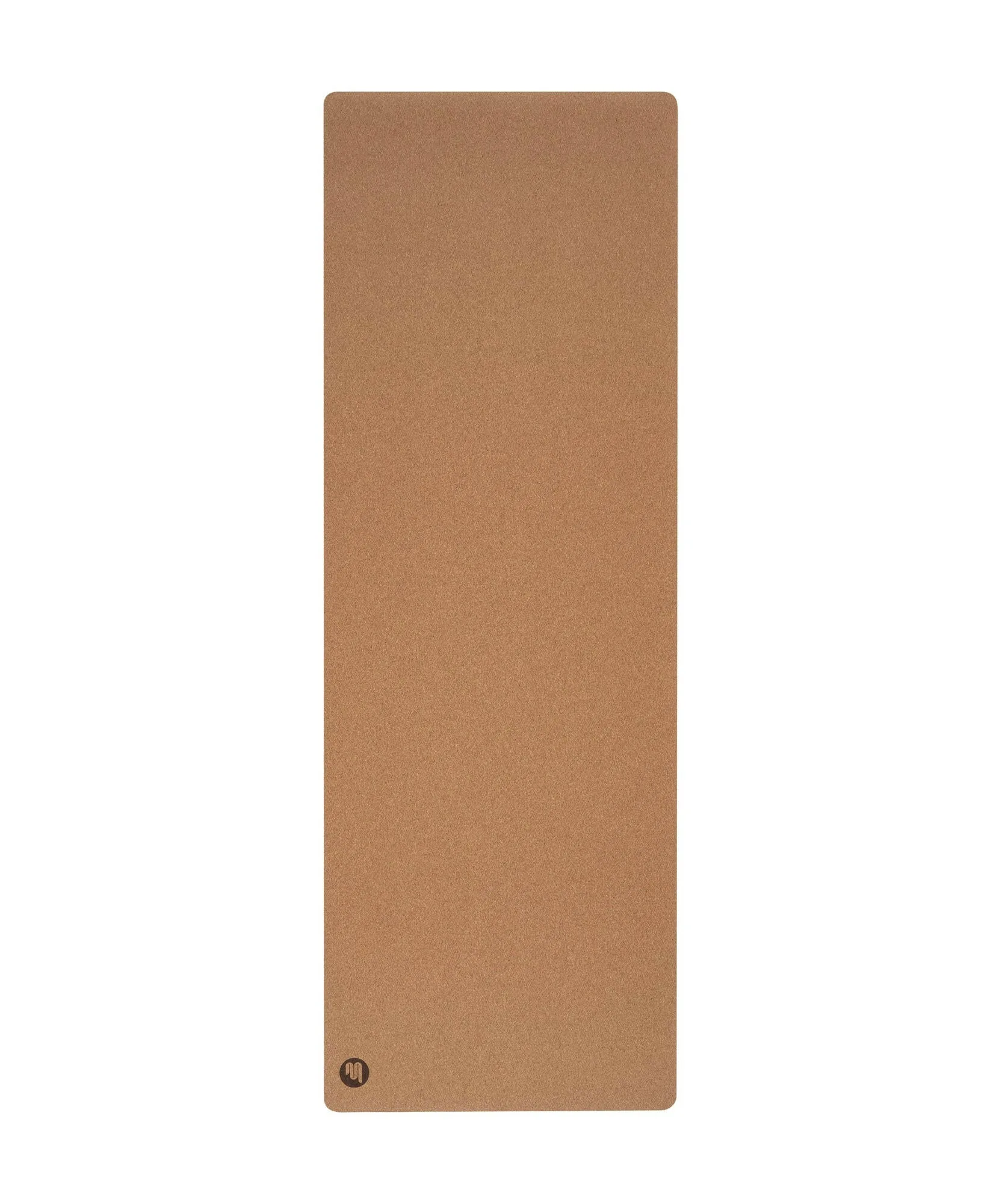
- Cork Yoga Mat: 100% cork top layer provides excellent traction and grip, especially when paired with Non Slip Grip Socks. Cork's natural grip is enhanced with grip socks, and proper cleaning preserves that traction.
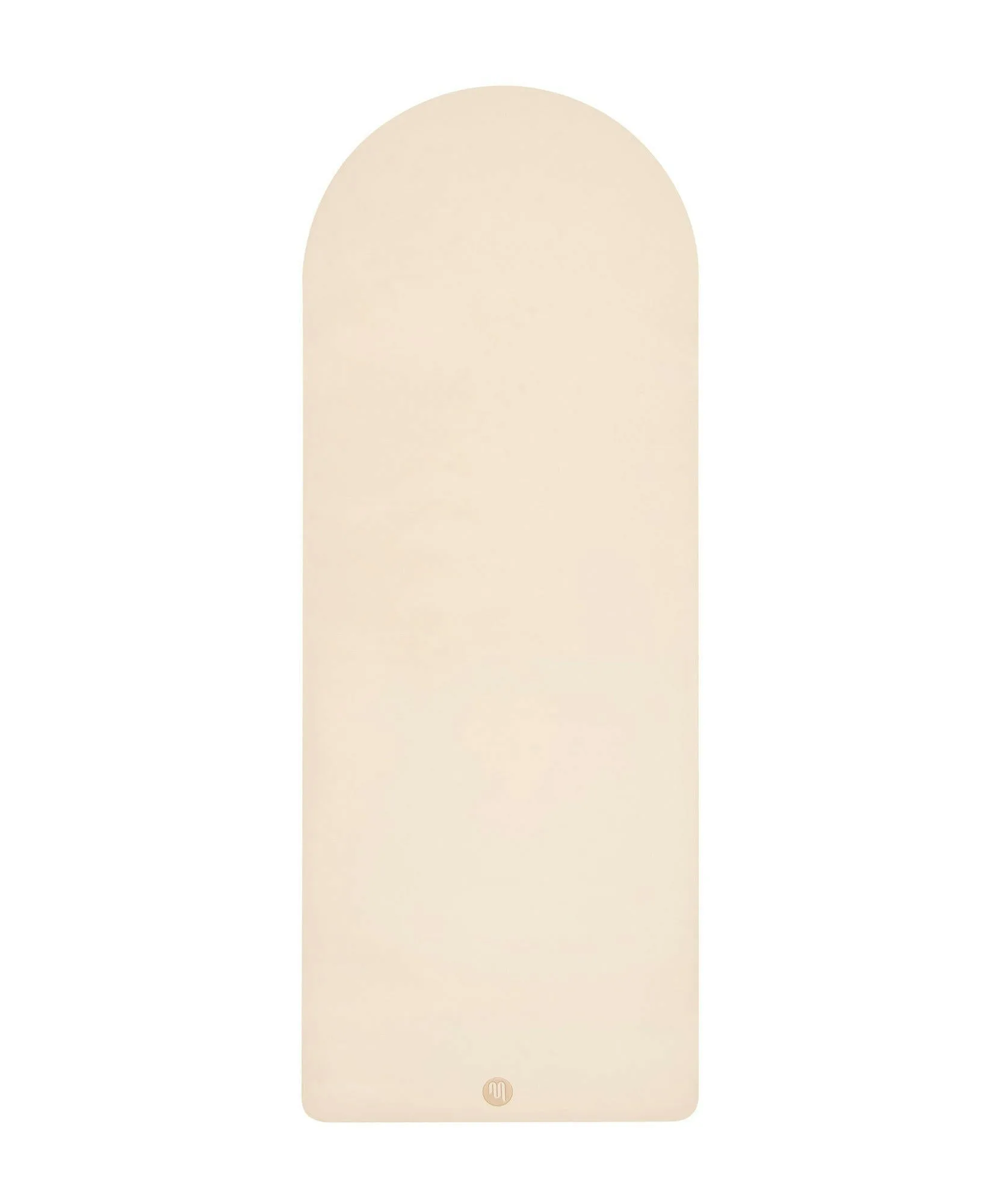
- Studio Yoga Mat - Almond: Made from eco-friendly, biodegradable tree rubber with anti-microbial and anti-fungal properties. This mat resists odor and bacteria, so it needs less frequent deep cleaning than synthetic mats.
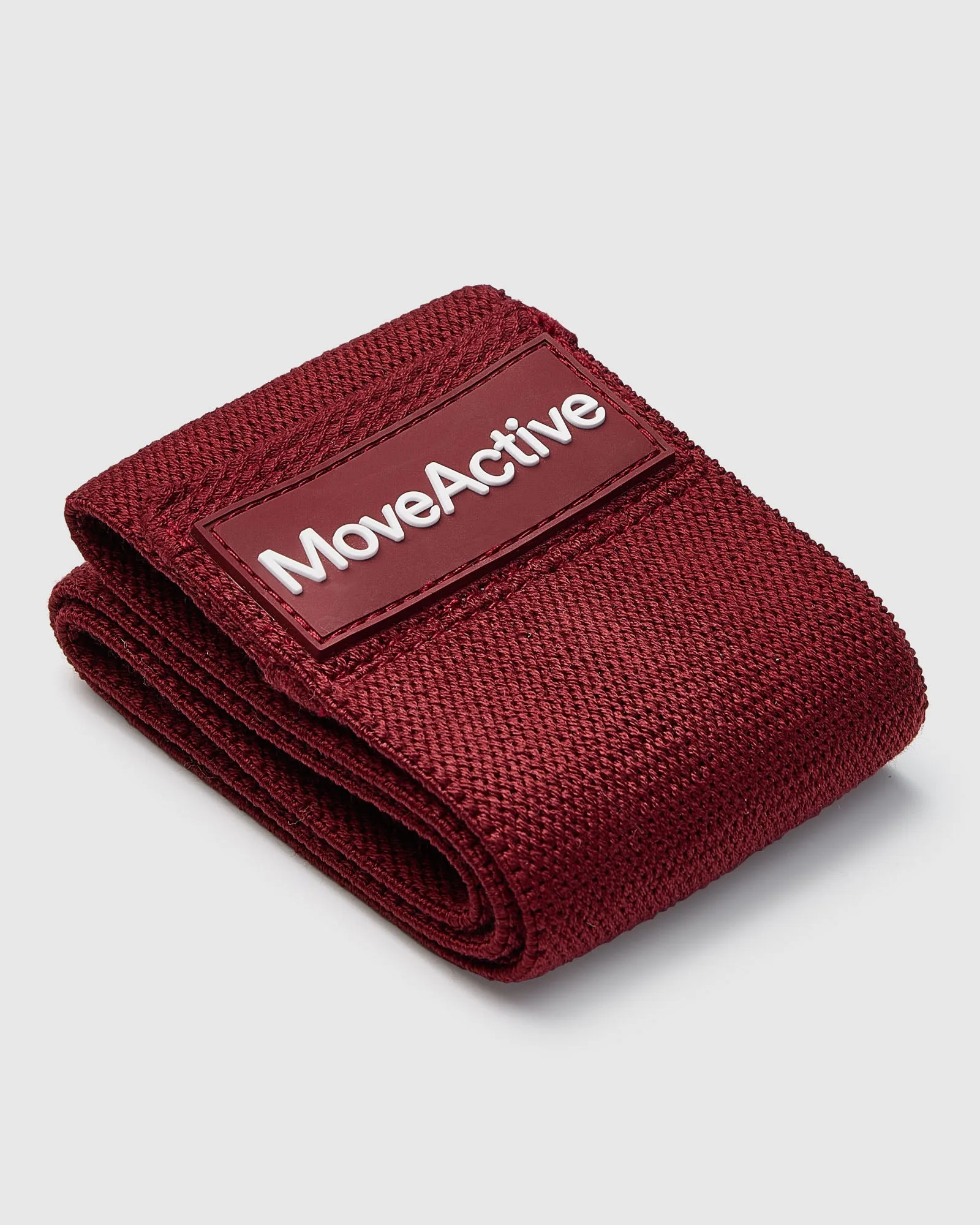
- Light Resistance Band - Cabernet: Light Resistance Band in Cabernet is compact and portable, including a travel bag for easy transport. A resistance band is a handy accessory for warm-ups or travel, and it stores easily alongside your mat.