Quick Answer
A cot top changer is the best space-saving choice for small nurseries and fits most cots, while a changing table suits larger rooms and offers more storage. Choose based on your space, budget, and whether you prefer changing baby at cot height.
Space and Storage Trade-Off
The biggest difference comes down to footprint. A cot top changer sits directly on the cot rails, so it takes up zero extra floor space. That makes it a smart pick for compact nurseries or shared rooms. A changing table, by contrast, is a standalone piece of furniture that often includes shelves or drawers for nappies, wipes, and clothes, which can replace a separate dresser.
If you already have a cot and a dresser, a cot top changer adds changing function without clutter. If you are starting from scratch and need storage, a changing table may consolidate furniture and reduce overall cost.
Safety and Convenience Considerations
Both options need a secure setup. Cot top changers rely on Velcro straps to attach firmly to the cot, and raised side rails help prevent rolls. A changing table often has a safety strap and a guard rail, but you must keep one hand on baby at all times regardless of the surface.
Height matters too. A cot top changer puts baby at cot-bed height, which suits parents who already bend to the cot. A changing table is typically waist-height, reducing back strain during longer changing sessions. Think about your own comfort and how often you change baby each day.
Cot Top Changer vs Changing Table: The Tradeoffs
- Floor Space: Cot top changers use zero extra floor space; changing tables require a dedicated footprint. Choose a cot top changer for small rooms or when you want to keep the nursery flexible. Measure your nursery floor space before deciding.
- Storage: Changing tables often include built-in storage; cot top changers do not. If you need extra storage, pair a cot top changer with a nearby dresser or shelving. List what storage you already have and what you still need.
- Height and Comfort: Cot top changers sit at cot height, which may mean more bending for taller parents; changing tables are usually waist-height. Test the height in person if possible. Consider your own height and back comfort for daily changes.
- Safety Setup: Cot top changers attach with Velcro straps and have raised side rails; changing tables need a secure anchor and a safety strap. Always follow the manufacturer's instructions and never leave baby unattended. Check that your cot or table is compatible and that the straps fit securely.
- Cost and Longevity: Cot top changers are typically less expensive and used only up to around 12 months; a changing table can double as a dresser and last longer. Weigh the initial price against how long you will use it. Compare the price per month of use for both options.
Product Spotlight
-
Obaby Stamford Cot Top Changer - White: The Obaby Stamford Cot Top Changer fits most cots and cot beds and uses simple Velcro securing straps to attach. This makes it a versatile, space-saving option that works with furniture you may already own, without needing extra floor space.
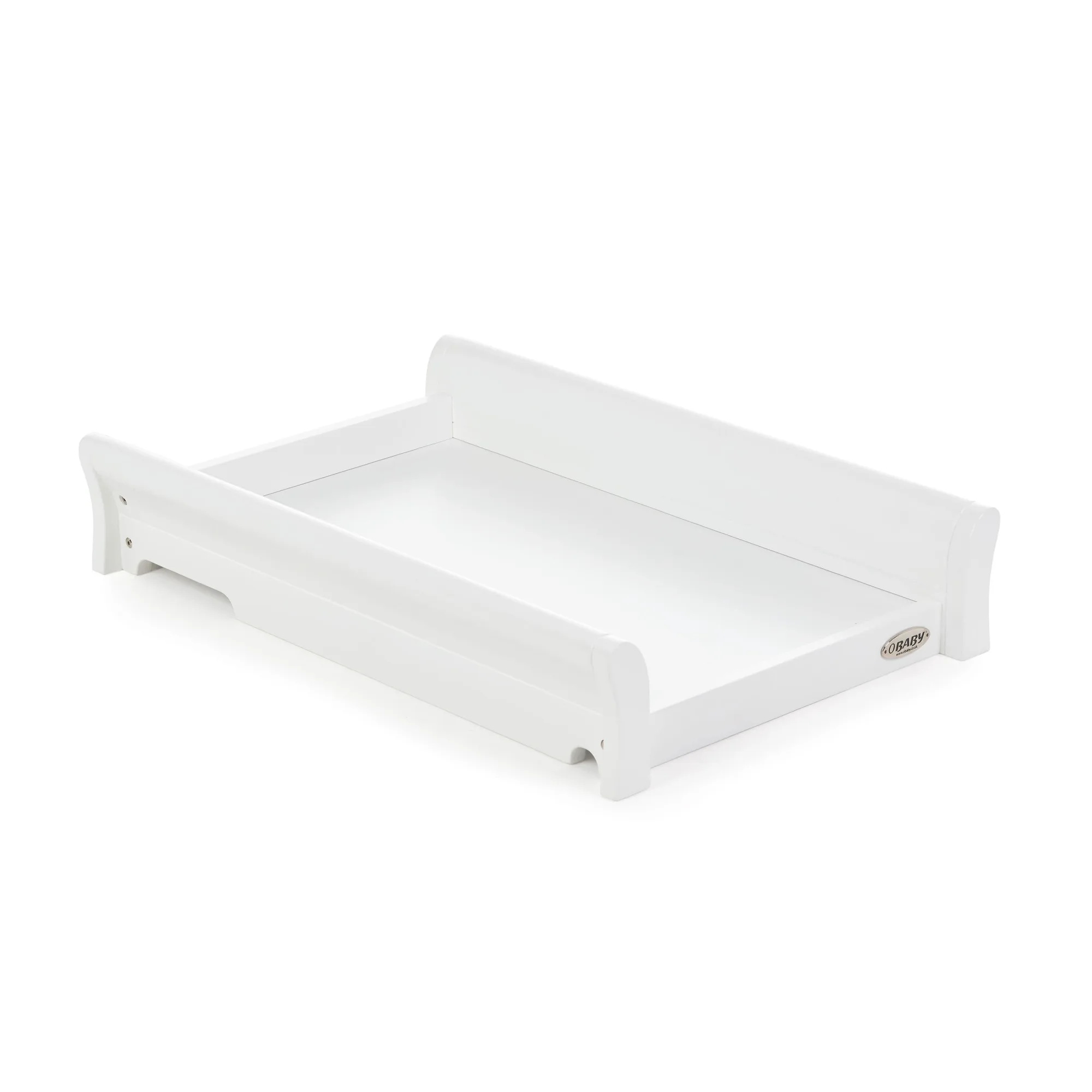
Obaby Stamford Cot Top Changer - White
Which Should You Choose?
Best for
- Parents with a small nursery or limited floor space who want a simple, space-saving changing solution
- Families who already own a cot and a separate storage unit and want to avoid buying extra furniture
Not for
- Parents who need built-in storage and want a changing station that can transition into a dresser
- Those who prefer a waist-height changing surface to reduce bending during frequent changes