Quick answer
Choose cotto tile for a warm, earthy look with natural patina; choose cement tile for higher durability and consistent patterns in high-traffic areas.
Material and feel
Cotto tile is fired natural clay, part of a centuries-old tradition. Its surface absorbs sealers and develops a rich patina over time. Cement tile is a pressed mixture of cement, sand, and pigment, resulting in a harder, more uniform surface that resists scratching better.
The tactile difference matters underfoot: cotto feels warmer and slightly softer, while cement tile stays cooler and harder. If you plan to walk barefoot often, that warmth is a real advantage.
Maintenance and sealing
Both tile types require sealing, but the routine differs. Cotto needs an initial penetrating sealer and periodic resealing (every 1–2 years) to protect its porous clay body. Cement tile also needs sealing, but its denser surface can go longer between applications.
Spills are more forgiving on sealed cement tile because the color is throughout the material. On cotto, an unsealed spot can stain quickly, so immediate cleanup is essential.
Style and aging
Cotto tile ages gracefully, developing a natural patina that adds character. Each tile shows subtle variations in shade and texture—no two are identical. Cement tile offers crisp, repeatable patterns and vivid colors that stay consistent across the floor.
If you want a floor that tells a story over time, cotto is the choice. If you need a precise pattern or a bold geometric design, cement tile delivers that look out of the box.
Cotto vs Cement Tile: Trade-offs at a glance
- Durability: Cement tile is harder and more scratch-resistant. Cotto is softer and can chip if heavy objects are dropped. Choose cement tile for kitchens or entryways with heavy foot traffic and dropped items.
- Maintenance: Cotto requires more frequent resealing (every 1–2 years). Cement tile needs sealing too, but less often. If you prefer low-maintenance floors, cement tile is the easier option.
- Appearance over time: Cotto develops a natural patina that many find beautiful. Cement tile keeps its original pattern and color with minimal change. For a floor that ages gracefully, choose cotto. For a consistent look, choose cement.
Product facts at a glance
-
Posada 4x4: Cotto is part of a long line of fired clays dating back to the dawn of civilization. This heritage means each Posada 4x4 tile carries natural variation and a warm, earthy character that modern mass-produced tiles cannot replicate.
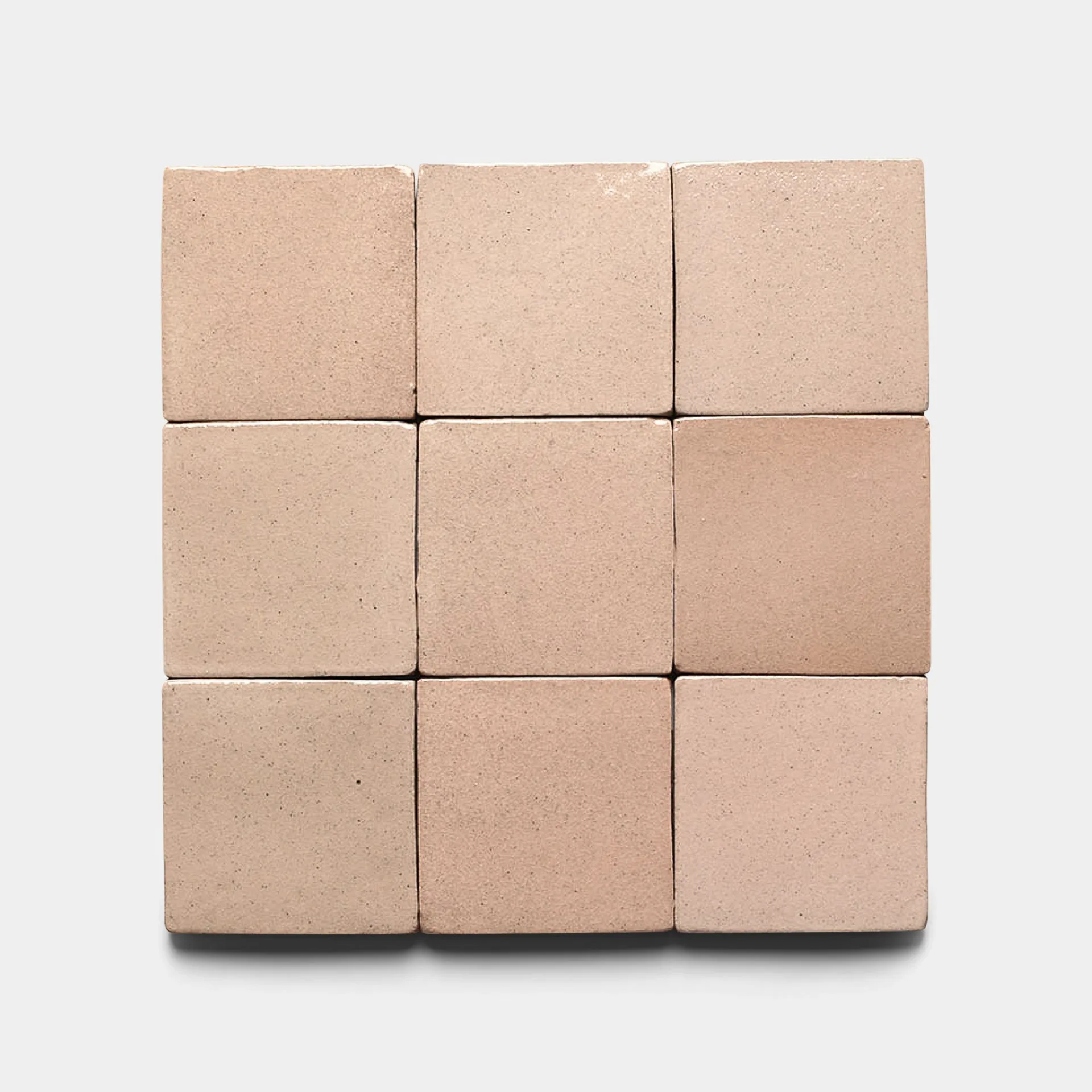
Posada 4x4
-
4x4 Square + Oscura: The materials that go into making our Cotto haven't changed much over the millennia. The 4x4 Square + Oscura tile offers an authentic, time-tested clay floor that develops a unique patina as it ages, adding depth to your space.
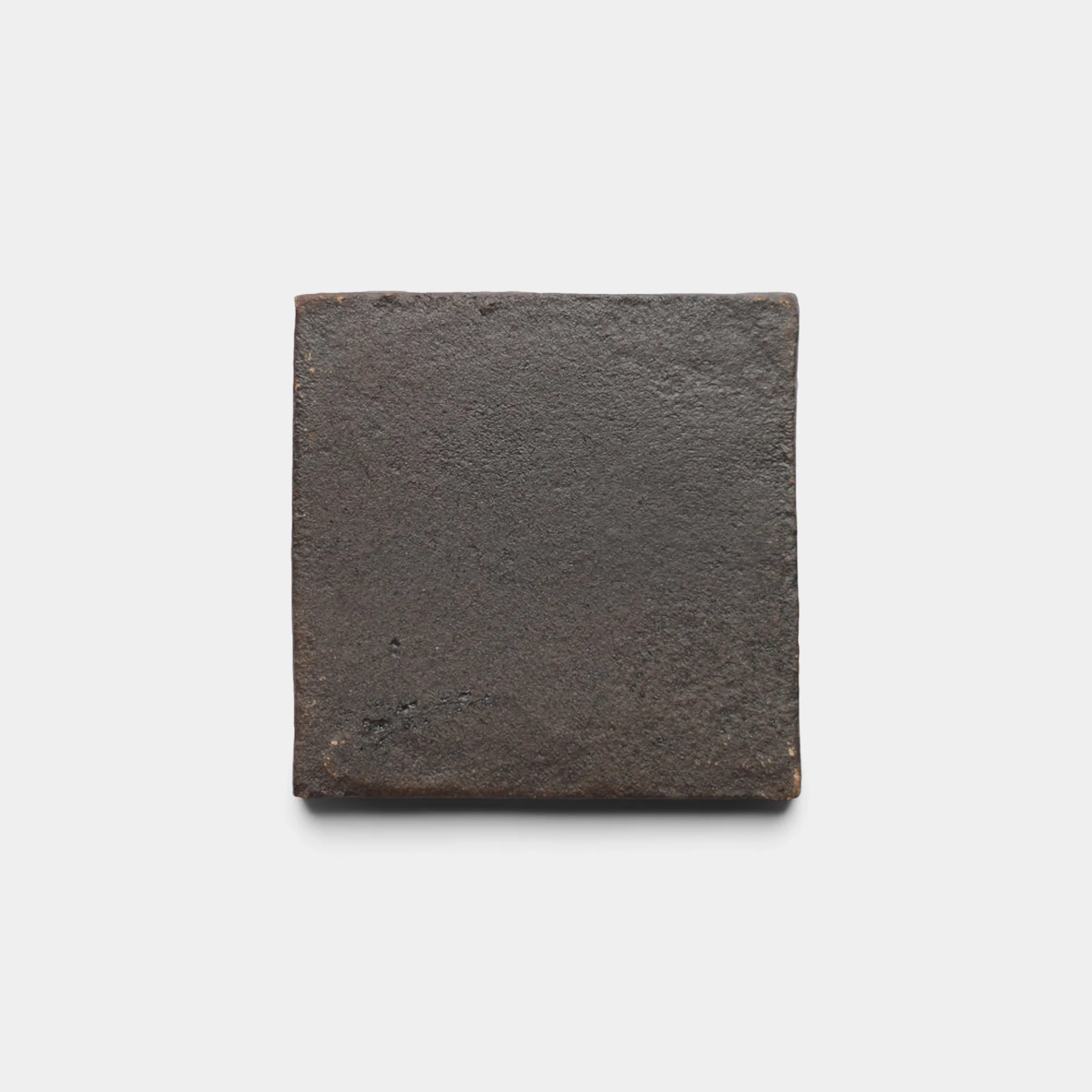
4x4 Square + Oscura
Which floor tile fits you?
Best for
- Warm, rustic interiors where natural variation and patina are desired
- Barefoot-friendly spaces like bedrooms and living rooms
Not for
- High-traffic commercial or kitchen floors where maximum scratch resistance is needed
- Projects requiring precise, repeatable patterns across the entire floor