Quick answer
Choose the cotton prana bolster if you want a gentle lift and a narrow shape that opens the chest and shoulders in restorative backbends. Choose a firm bolster if you need a stable, higher platform for supported twists, seated poses, or deeper passive stretches. Neither is universally better; the right pick depends on how much lift and give you want.
What the cotton prana bolster actually offers
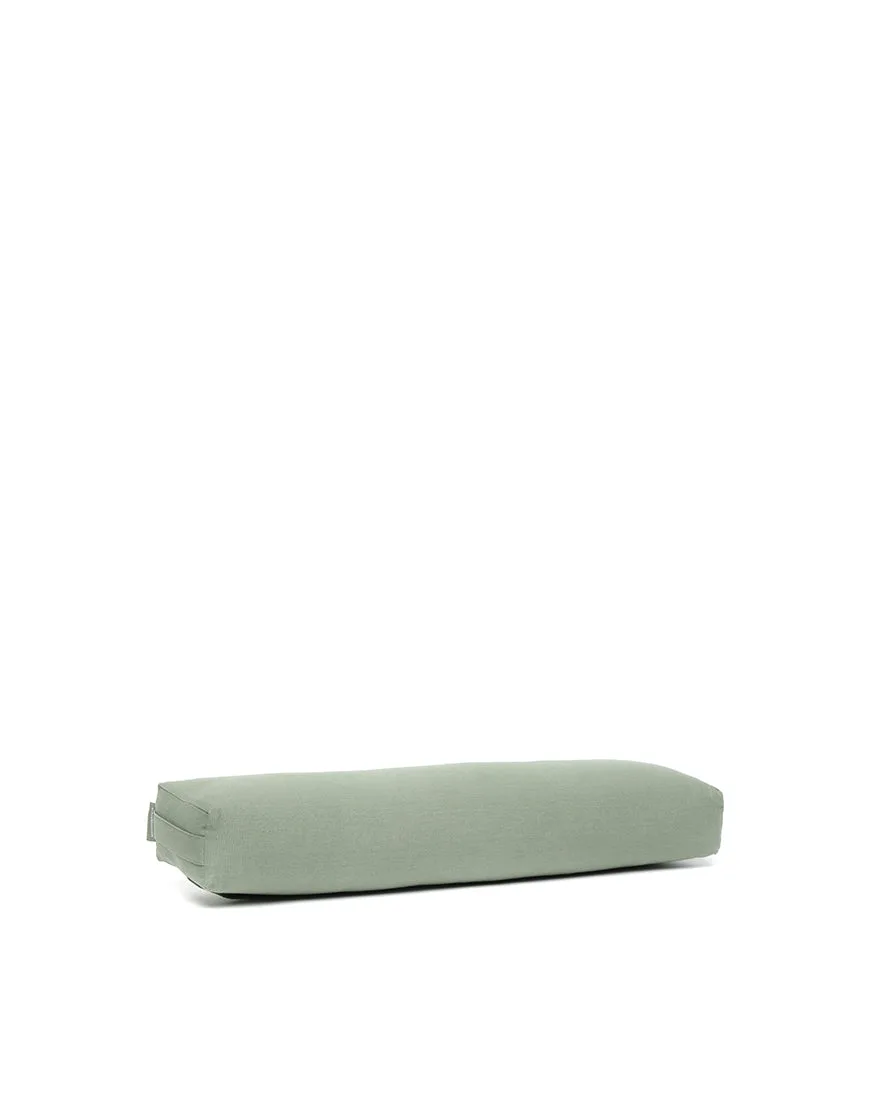
The cotton prana bolster is 26.5 inches long, designed to support the entirety of your spine. Its narrow width and gentle lift make it well suited to lying along your spine, where the shape helps open the chest, shoulders, and heart space. That expansiveness of the front body and lungs supports deeper, fuller breathing, which is why it fits restorative and pranayama-focused practice so naturally.
What a firm bolster changes
A firm bolster is filled to feel dense and stable rather than soft and yielding. That density gives you a higher, flatter surface that resists compression under body weight, which can make it easier to hold supported backbends, seated forward folds, and twists without sinking. The trade-off is less cushioning: firm bolsters can feel hard against bony areas like the ribs, sacrum, or knees, and they may not invite the same slow release as a softer, gently lifting shape.
Filling types and what they mean for comfort
Filling is the main reason two bolsters of similar size feel completely different. Cotton and natural-fiber fills tend to compress gradually, creating a soft, moldable surface that settles under your body. Foam or densely packed fills hold their shape and height, giving you a firmer, more predictable platform. If you want a bolster that meets you rather than props you up, a softer cotton fill is usually the better match. If you want consistent height and firmness, choose a dense fill.
How to decide based on your practice
If your main goal is restorative chest openers, breathwork, or a gentle supported backbend, the cotton prana bolster is the more natural choice because its narrow width and gentle lift are built for that shape. If your practice leans toward supported twists, seated postures, or deeper passive stretches where you need a stable, higher base, a firm bolster will serve you better. You can also use a chip foam block under a knee, elbow, tailbone, or hips for a subtle lift when a full bolster feels like too much.
Trade-offs at a glance
- Cotton prana bolster: gentle lift and narrow width: The 26.5-inch length supports the whole spine, while the narrow width and gentle lift are built to open the chest and shoulders. This makes it excellent for restorative backbends and breath-focused practice. Best when you want softness, expansion, and a shape that follows your spine.
- Firm bolster: stable height and less give: A firm fill resists compression, giving you a higher, flatter surface for supported twists, seated poses, and deeper passive stretches. It holds its shape but offers less cushioning against bony areas. Best when you need predictable support and height rather than a soft, settling surface.
- Filling type drives the feel: Cotton and natural fills compress gradually for a moldable surface; dense or foam fills hold their height for a firmer platform. The choice changes how much your body sinks into the bolster. Match the fill to your goal: soft for release, firm for stability.
Product facts
- cotton prana bolster: At 26.5 inches long, the cotton prana bolster is designed to support the entirety of your spine, with a narrow width and gentle lift. Lying along your spine with this shape helps open the chest, shoulders, and heart space, which supports deeper, fuller breathing in restorative practice.
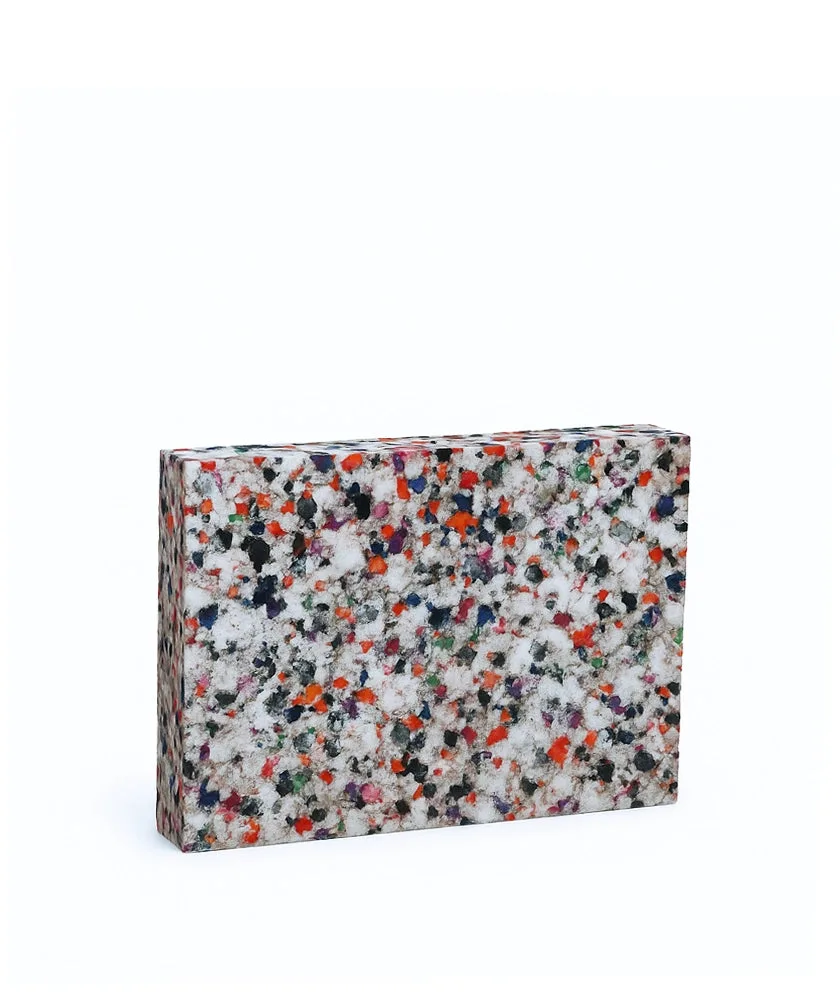
- chip foam block: The chip foam block is made from foam off-cuts and provides a subtle lift and soft yet supportive comfort under a knee, elbow, tailbone, or hips. It reduces discomfort in a pose so you can hold it longer, and it gives you a modular way to add lift without committing to a full firm bolster.
Which bolster fits you?
Choose the cotton prana bolster if
- You want a gentle lift for restorative chest openers and supported backbends.
- You lie along your spine and want the bolster to support its full length.
- You prefer a soft, yielding surface that encourages slower breathing.
Choose a firm bolster instead if
- You need a stable, higher platform for supported twists and seated poses.
- You want a dense surface that resists compression under body weight.
- You find soft bolsters sink too much for deeper passive stretches.