Quick Answer
To keep cotton sock multipacks soft and durable, wash them inside out in cold water on a gentle cycle, skip the dryer, and air dry flat. This prevents shrinking, pilling, and fading.
Why Cotton Socks Need Special Care
Cotton is a natural fiber that can shrink, pill, or lose color if washed or dried incorrectly. Multipacks often include socks in various colors, so proper care preserves the entire set. The key is to avoid heat and friction.
Most cotton socks, including those in multipacks, contain small amounts of polyamide and elastane for stretch and fit. These synthetic fibers are more sensitive to high heat, which can break down elasticity over time.
Common Mistakes That Damage Cotton Socks
Using hot water or a high-heat dryer is the fastest way to shrink cotton socks. Even a single hot cycle can reduce the length and width noticeably, especially for mid-calf styles.
Washing socks with zippers, hooks, or rough fabrics (like denim) can cause pilling. The friction abrades the cotton fibers, creating fuzzy balls on the surface.
Overloading the washing machine prevents proper rinsing and leaves detergent residue, which stiffens the fabric and dulls colors.
Diagnosis: Fixing Common Cotton Sock Problems
- Socks Shrinking After Wash: Likely cause: Hot water or high-heat dryer. Corrective action: Wash in cold water (30°C or below) on a gentle cycle. Air dry flat away from direct heat. If already shrunk, soak in lukewarm water with hair conditioner for 30 minutes, then gently stretch back to shape while damp. Avoid temperatures above 30°C for washing and any heat for drying.
- Socks Pilling or Looking Faded: Likely cause: Friction from rough fabrics or overloading the machine. Corrective action: Turn socks inside out before washing. Use a mesh laundry bag for delicate items. Wash with similar soft fabrics (like t-shirts or underwear). Use a gentle liquid detergent without optical brighteners. Inside-out washing and a mesh bag reduce abrasion significantly.
- Socks Losing Elasticity or Stretching Out: Likely cause: High heat or harsh detergents breaking down elastane fibers. Corrective action: Always use cold water and a mild detergent. Never use bleach or fabric softener (softener coats fibers and reduces stretch). Air dry flat—never wring or twist. If the elastic is permanently damaged, the socks have reached the end of their lifespan. When elastic is gone, it's time to replace the pair.
Products Featured in This Guide
-
Lot de 3 chaussettes mi-hautes - Chaussettes Losanges Coq Acier Marine: Lot de 3 chaussettes mi-hautes with reinforced toe and heel, made primarily of combed cotton with polyamide and elastane. Reinforced areas mean these socks resist wear longer, but proper care still protects the cotton and elastic fibers from heat damage.
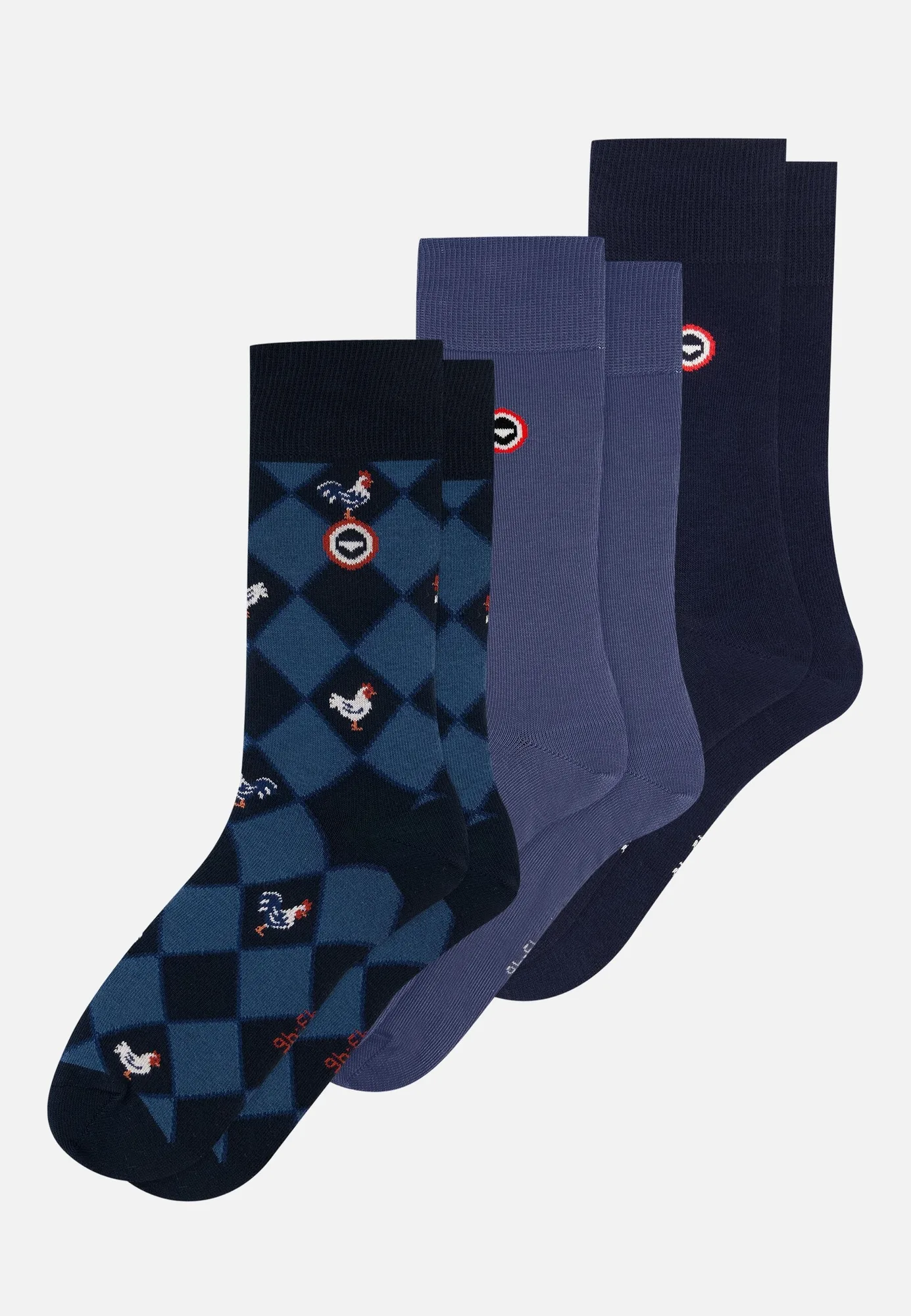
Lot de 3 chaussettes mi-hautes - Chaussettes Losanges Coq Acier Marine
-
Lot de 2 socquettes en coton - Chaussettes Gris Anthracite Noir: Lot de 2 socquettes en coton made primarily of combed cotton, designed for a low-cut fit. Their shorter length makes them quicker to air dry, but they still benefit from cold water washing to maintain shape and softness.
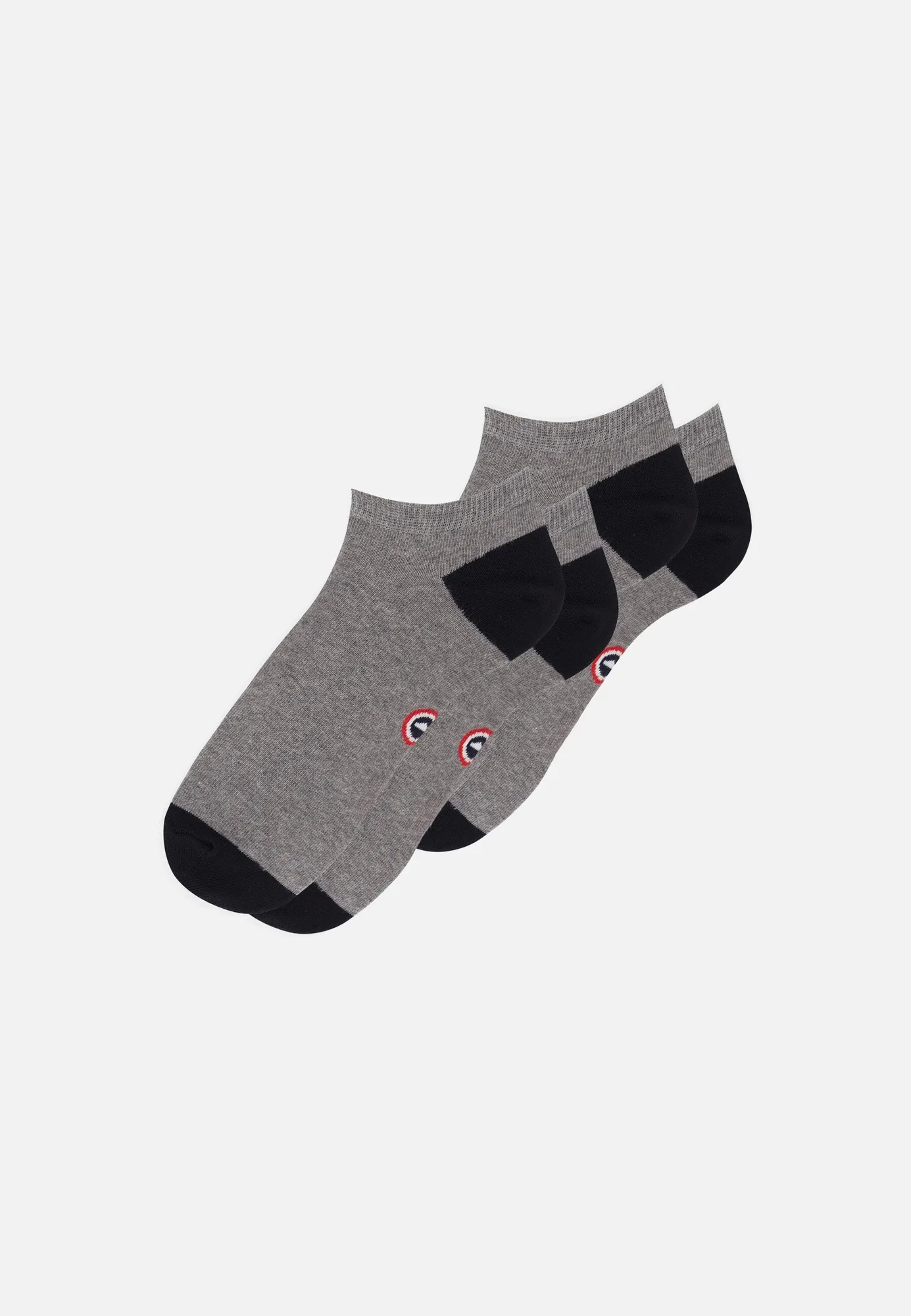
Lot de 2 socquettes en coton - Chaussettes Gris Anthracite Noir
-
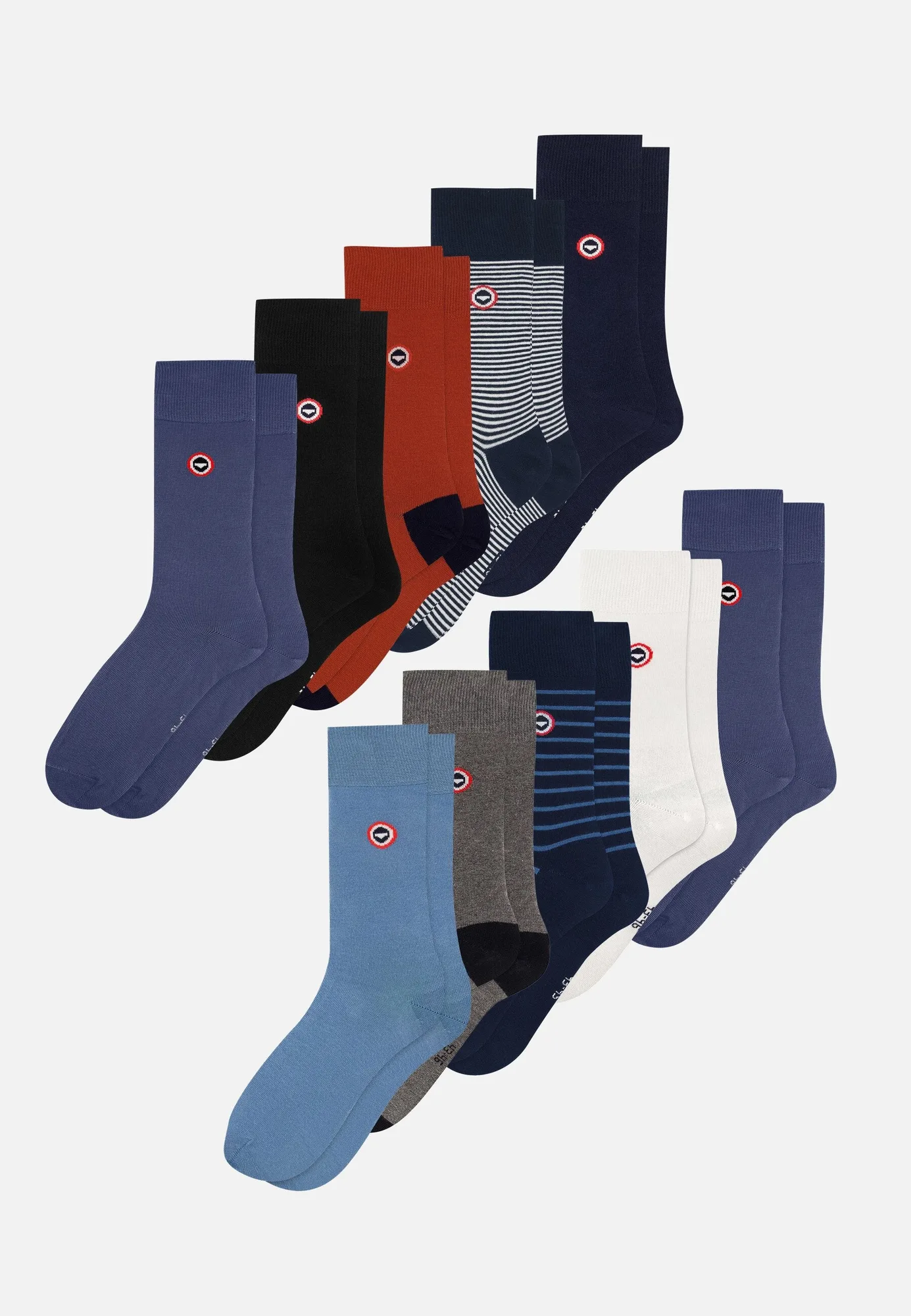
Lot de 10 chaussettes mi-hautes en coton - Chaussettes Marine Acier Blanc Noir Gris Anthracite Marinière Bleu Rayures Bleu Jean Brique: Lot de 10 chaussettes mi-hautes with jacquard knit in cotton, polyamide, and elastane, plus reinforced toe and heel. The jacquard pattern and multiple colors require gentle washing to prevent color bleeding and keep the design crisp.