Choosing the right dinner napkin fabric can elevate your table setting from ordinary to extraordinary. Whether you're hosting a formal dinner party or enjoying a casual family meal, the material of your napkins affects not only the aesthetic but also the functionality and longevity of your linens. Two of the most popular options—cotton and linen—each bring distinct advantages to the table. In this guide, we'll break down the key differences between cotton and linen dinner napkins, covering everything from absorbency and texture to care requirements and environmental impact. By the end, you'll have a clear understanding of which fabric best suits your lifestyle and table style.
While both fabrics have been used for centuries, their performance in modern dining contexts can vary significantly. Cotton napkins are known for their softness and ease of care, making them a go-to for everyday use. Linen, on the other hand, offers a luxurious, crisp feel that only gets better with age. But which one is truly the best dinner napkin fabric for your home? Let's explore the characteristics of each to help you make an informed decision.
Linen Napkin Benefits: Why Choose Linen for Your Table
Linen napkins are prized for their natural elegance and durability. Made from flax fibers, linen is inherently stronger than cotton and becomes softer and more absorbent with each wash. This makes linen an excellent choice for both formal dinners and everyday use, as it resists pilling and retains its shape over time. Linen also has a unique ability to wick moisture away from the surface, which means spills are less likely to soak through to the tablecloth or table underneath. For hosts who appreciate a classic, refined look, linen napkins offer a timeless appeal that complements both modern and traditional table settings.
Another significant advantage of linen is its environmental footprint. Flax requires less water and fewer pesticides to grow than cotton, making linen a more sustainable option for eco-conscious consumers. Linen napkins also dry quickly, which reduces energy consumption if you machine dry them. Over their lifespan, linen napkins often outlast cotton, providing better value despite a higher upfront cost. If you're looking to invest in high-quality linens that will serve you for years, linen is a compelling choice.
- Linen becomes softer and more absorbent with each wash, improving over time.
- Flax cultivation uses less water and fewer chemicals than cotton, making linen more eco-friendly.
- Linen napkins dry quickly and resist pilling, maintaining their appearance longer.
Cotton Napkin Care: The Practical Everyday Option
Cotton napkins are beloved for their soft, plush feel and easy maintenance. Unlike linen, which can require more careful handling, cotton napkins are generally machine washable and can withstand higher heat settings, making them ideal for busy households. They come in a vast array of colors, patterns, and weaves, from classic plain weaves to textured dobby designs. Cotton is also highly absorbent, which is a practical advantage for wiping hands or catching spills during meals. For those who prioritize convenience and comfort, cotton napkins are a reliable choice.
When it comes to care, cotton napkins are forgiving. They can be washed in warm water and tumble dried on medium heat without significant shrinkage if pre-shrunk. However, cotton tends to wrinkle more than linen, which may require ironing for a crisp look. Stain removal is generally straightforward with standard laundry treatments. If you prefer a low-fuss fabric that still looks polished, cotton napkins are a versatile option that works well for everything from brunch to holiday dinners.
- Cotton napkins are machine washable and can handle higher heat settings.
- They offer superior softness and high absorbency for everyday use.
- Cotton comes in a wide range of colors and patterns to suit any table decor.
Cotton vs Linen Napkins: A Side-by-Side Comparison
To help you decide between cotton and linen, let's compare them across key factors: absorbency, durability, texture, care, and environmental impact. Both fabrics have their strengths, but the best choice depends on your priorities. For instance, if you value a fabric that becomes more beautiful with age and is kinder to the planet, linen may be your winner. If you prefer a soft, low-maintenance fabric that is easy to care for and budget-friendly, cotton could be the better fit.
Below is a quick-reference table that highlights the main differences between cotton and linen dinner napkins. Use it as a guide when shopping for your next set of table linens.
- Absorbency: Both are highly absorbent, but linen wicks moisture away faster.
- Durability: Linen is stronger and longer-lasting; cotton is softer but may wear faster.
- Texture: Linen is crisp and textured; cotton is smooth and plush.
- Care: Cotton is easier to care for; linen requires gentler washing and ironing.
- Eco-Impact: Linen is more sustainable due to lower water and pesticide use.
How to Choose the Best Dinner Napkin Fabric for Your Home
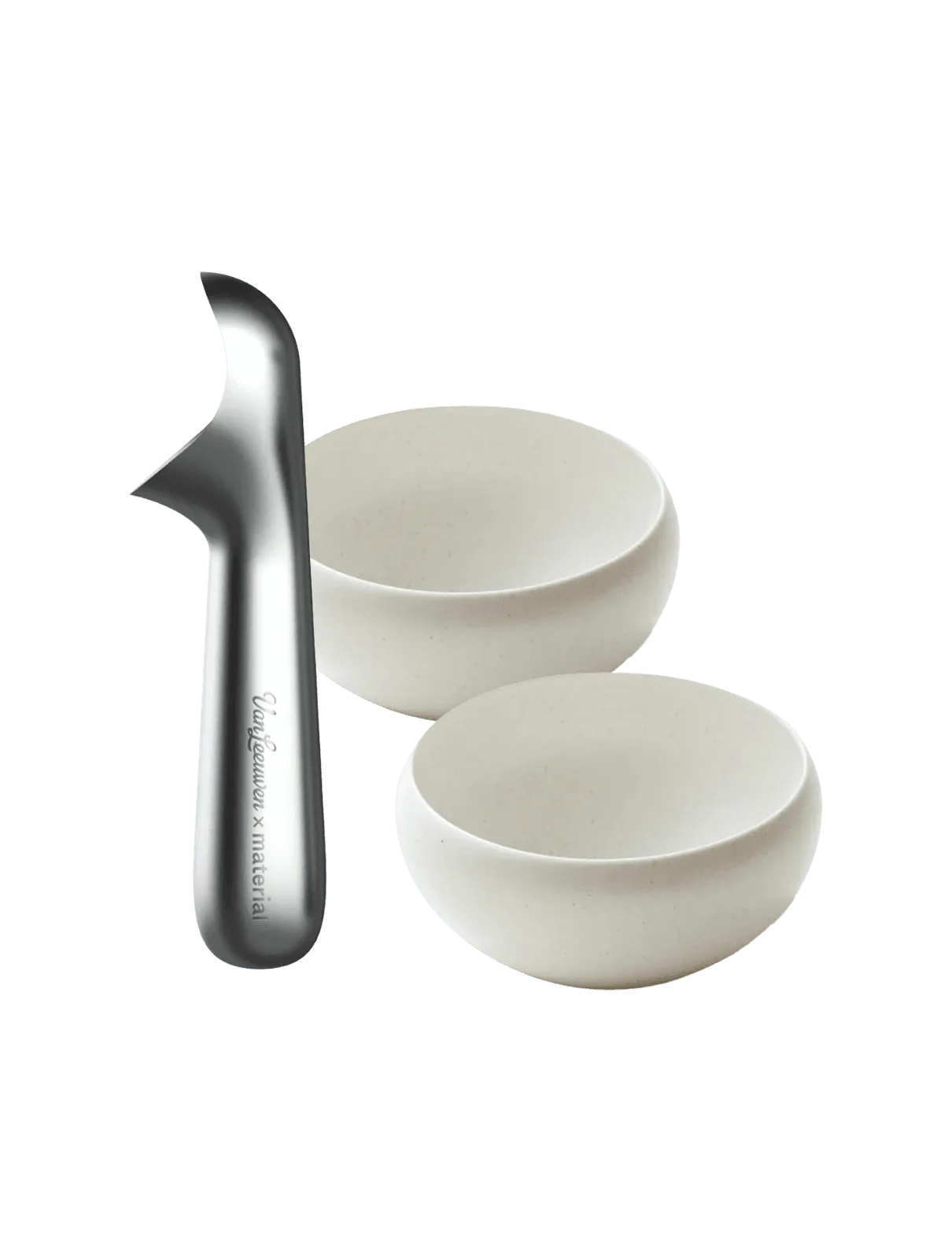
Your choice between cotton and linen should reflect how you use your napkins. If you entertain frequently and want a fabric that makes a statement, linen napkins offer an unmatched elegance. They pair beautifully with fine dinnerware and flatware, creating a cohesive, sophisticated table. For example, pairing linen napkins with a set like The Table Knives can elevate the dining experience. On the other hand, if you have young children or host casual gatherings, cotton napkins are practical and forgiving. They can be tossed in the wash without worry and still look charming.
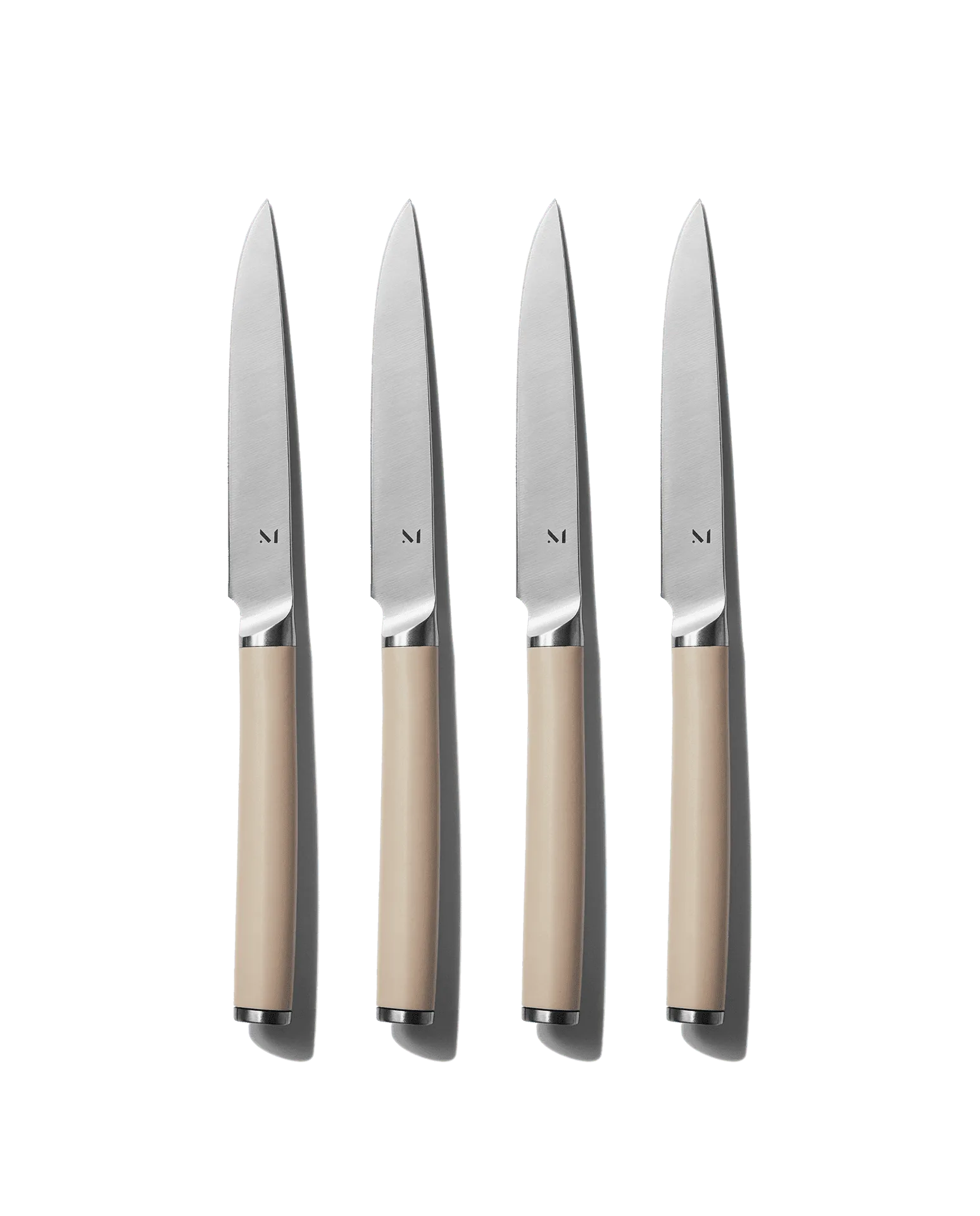
The Table Knives
Consider also the season and occasion. Lightweight linen is ideal for warm weather because it breathes well, while heavier cotton napkins provide warmth and comfort in cooler months. If you love mixing and matching, you might even keep both fabrics on hand—linen for special dinners and cotton for everyday meals. Ultimately, the best dinner napkin fabric is one that aligns with your lifestyle and makes you happy every time you set the table.
Caring for Your Dinner Napkins: Tips for Longevity
Proper care extends the life of both cotton and linen napkins. For linen, wash in cold or warm water on a gentle cycle and avoid bleach, which can weaken fibers. Tumble dry on low or line dry to prevent excessive wrinkling. Iron while slightly damp for a crisp finish. For cotton, you can use warmer water and regular detergent, but avoid overloading the machine to reduce wrinkles. Remove from the dryer promptly and fold or iron as desired. Storing napkins in a cool, dry place away from direct sunlight helps preserve color and texture.
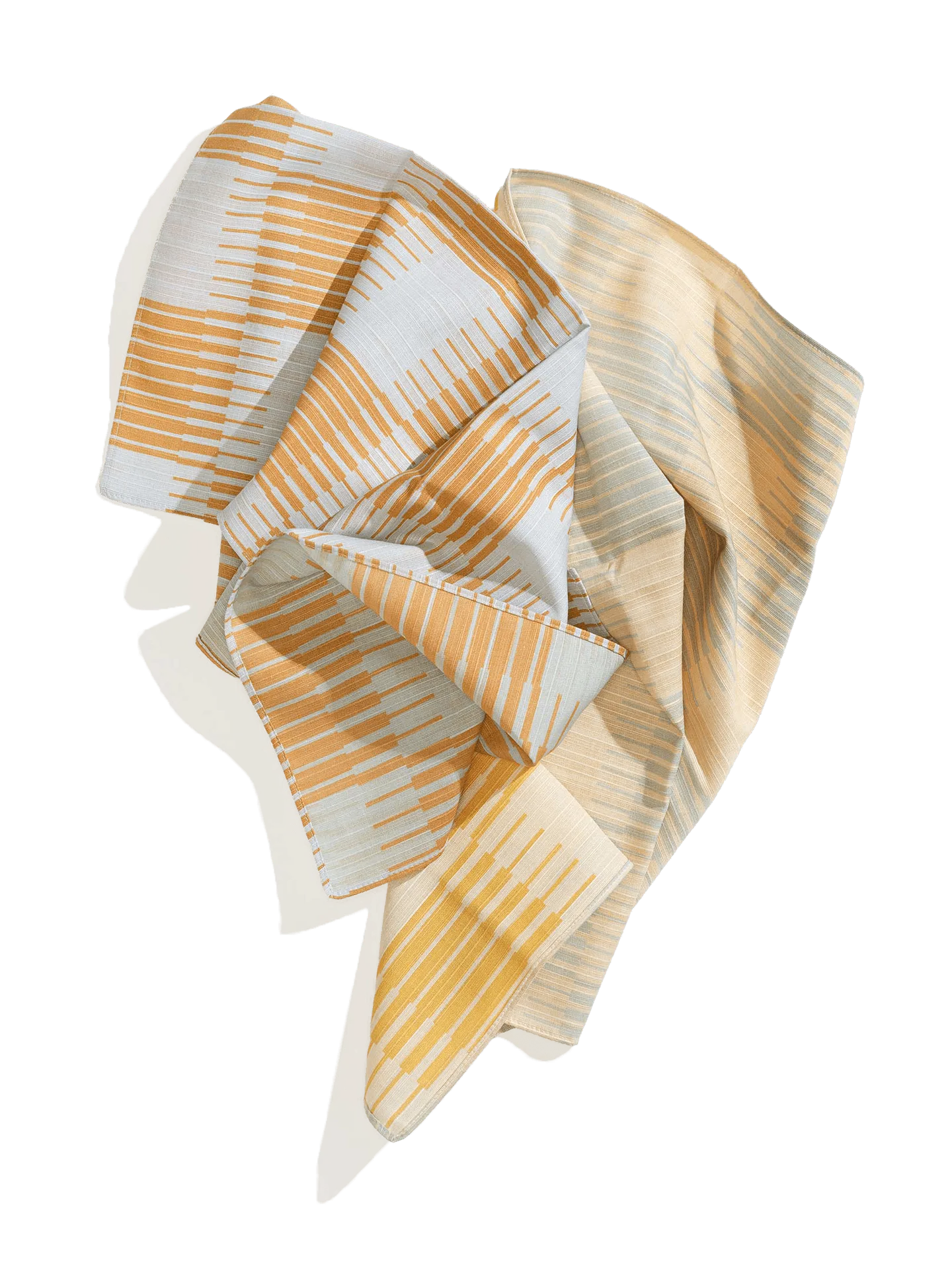
If you want to keep your napkins looking their best, consider rotating between multiple sets to reduce wear. High-quality napkins, like the Dinner Napkins Double Sided Stripe - Quiet Season, are designed to withstand repeated use and washing while retaining their beauty. Investing in good linens and following care instructions will ensure they remain a staple in your home for years.
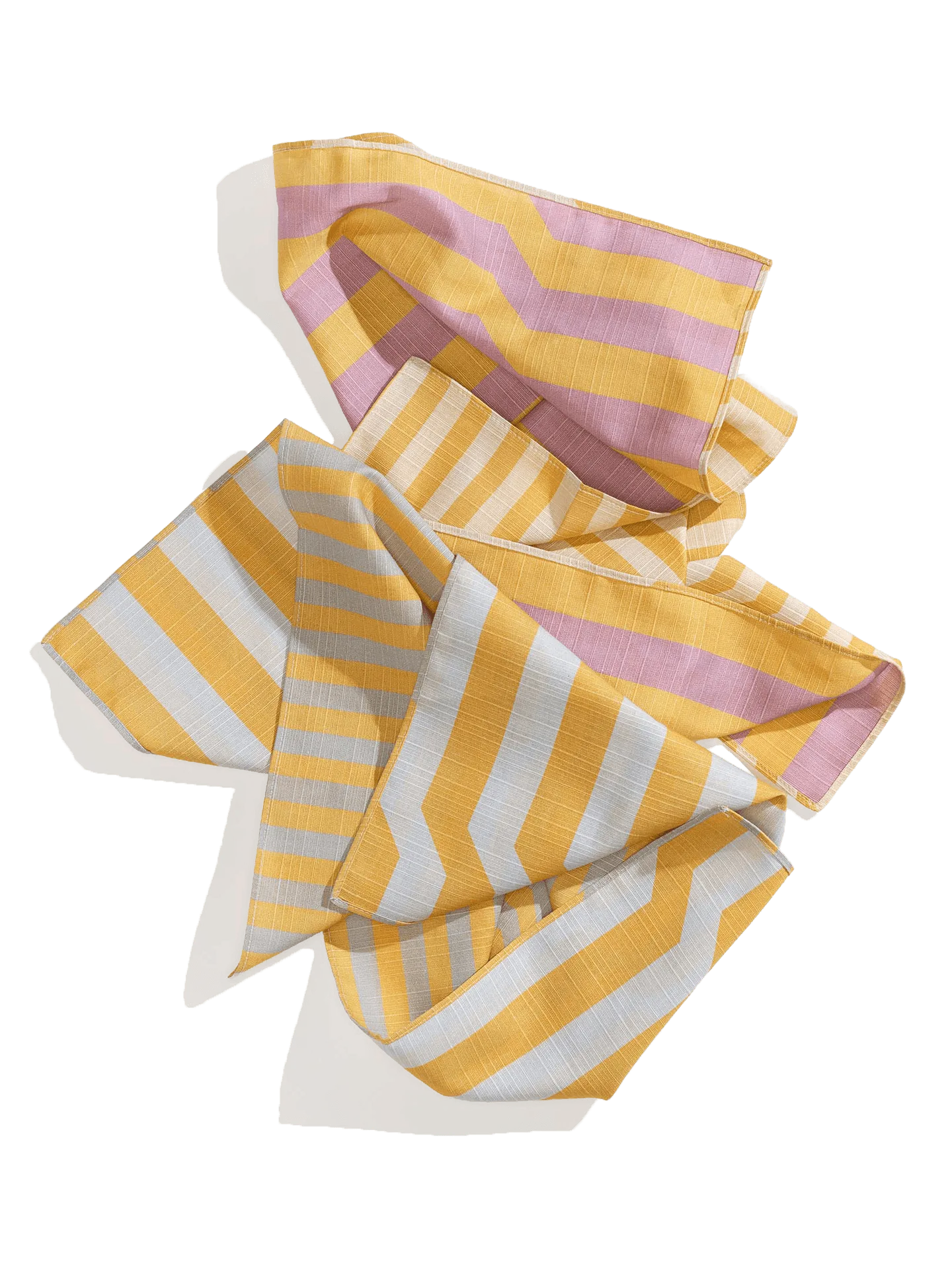
Dinner Napkins Double Sided Stripe - Quiet Season
- Wash linen in cold water on gentle cycle; cotton can handle warmer temperatures.
- Line dry or low heat tumble dry to minimize shrinkage and wrinkles.
- Iron linen while damp for best results; cotton can be ironed dry or slightly damp.
Whether you lean toward the timeless luxury of linen or the everyday practicality of cotton, the right dinner napkins can transform your dining experience. Both fabrics offer unique benefits that cater to different needs and preferences. To explore a curated selection of high-quality table linens, check out the Dinner Napkins Double Sided Stripe - Quiet Season, which combines the best of both worlds with a versatile design that suits any table. Start building your perfect napkin collection today and enjoy the simple pleasure of a beautifully set table.