Quick answer
Start with the Counselor Starter Pack as your core kit, then build the room around three zones: a calm corner, a talking area, and a storage spot. Set up the calm corner first so you have a ready response for big feelings on day one.
Why the calm corner comes before the rest of the room
Most school counseling offices fail not because they lack supplies but because the room has no clear place for a dysregulated child to land. A calm corner gives you a predictable, low-stimulation spot that you can use immediately, even before you have decorated or organized the rest of the space.
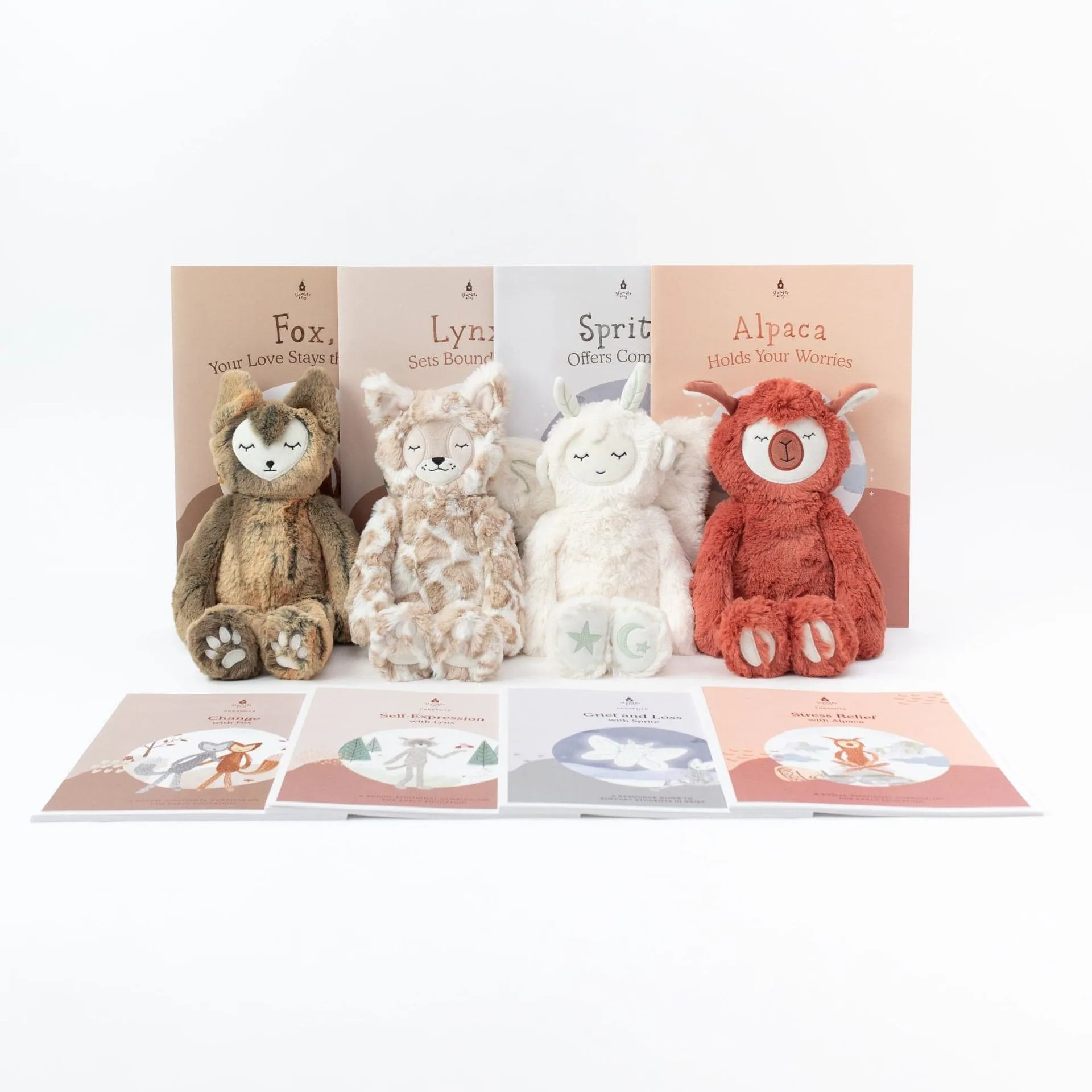
The Counselor Starter Pack includes lessons and activities for self-expression, stress relief, and coping with big events like grief, loss, and family change. That makes it a natural anchor for the calm corner: the materials are already tied to the conversations you will have there.
What to skip until the basics are in place
Avoid filling the office with themed decor, reward charts, or a full library before you have tested the room with real students. A counseling office calm corner works best when it is simple and consistent, not visually busy. Add extras only after you see how students use the space.
If your budget is tight, the Counselor Starter Pack covers a wide range of emotional-learning needs in one set, so you can delay buying individual puppets or books until you know which topics come up most.
Setting up your counseling office, step by step
- Choose the calm corner location: Pick a corner away from the door and high-traffic shelves. Place a soft rug or cushion and keep the Counselor Starter Pack materials within arm's reach so you can pull a lesson or activity without leaving the child. Checkpoint: can a child sit there without facing the hallway or the door?
- Set up the talking area: Arrange two chairs or a small table facing each other at a slight angle, not directly across a desk. Keep the Counselor Starter Pack's lesson cards or activity sheets in a nearby bin so you can transition from conversation to activity smoothly. Checkpoint: does the setup let you reach the calm corner in two steps?
- Organize supplies by feeling, not by type: Sort the pack's resources into bins labeled with broad themes like 'big changes,' 'worries,' and 'friendship.' This helps you grab the right activity quickly during a session instead of flipping through everything. Common mistake: organizing by product type makes it harder to find what fits the moment.
- Create a visual schedule for sessions: Post a simple three-step visual: talk, activity, calm corner. Use the Counselor Starter Pack activities as the middle step. This gives students a predictable structure and reduces anxiety about what will happen. Checkpoint: can a pre-reader follow the schedule by pictures alone?
- Test the room with one student: Before you open the office to full caseload, invite one student to try the calm corner and one activity from the pack. Watch where they hesitate or wander, then adjust furniture or bin placement. Common mistake: waiting for a crisis to discover the room's flow problems.
- Add storage for quick resets: Keep a small caddy with tissues, a timer, and a few fidget tools near the calm corner. After each session, reset the Counselor Starter Pack materials in their labeled bins so the next child finds a calm, orderly space. Checkpoint: can you reset the room in under two minutes between students?
Product facts
-
Counselor Starter Pack: The Counselor Starter Pack includes lessons, activities, and resources that promote self-expression and teach stress-relief and coping skills. You can run a session straight from the kit without building your own curriculum, which shortens setup time.
Counselor Starter Pack