Quick answer
A cracked heel cream with tea tree and herbal oils usually heals fissures faster than a plain foot salve because it combines deep hydration with antifungal action. If your heels are dry but not cracked or itchy, a salve is enough. For painful splits, choose the cream.
What separates a healing cream from a foot salve
A cracked heel cream is built to do two jobs: soften thick, dry skin and address the fungal or bacterial imbalance that often keeps fissures from closing. A foot salve, by contrast, is primarily an occlusive seal. It locks in moisture and protects, but it rarely contains active herbal oils like tea tree. That difference matters when heels are split and sore, because a salve alone may soothe without resolving the underlying issue.
How to apply each for the fastest result
Whichever you choose, apply it to clean, dry feet right after a shower or soak, when skin is most absorbent. For a cream, massage a pea-sized amount into each heel and let it sink in before socks. For a salve, warm a thin layer between your fingers first, then press it into the cracks. If you use both, apply the cream first, wait two minutes, then seal with a light salve layer. Consistency beats intensity: twice daily for two weeks is more effective than a single heavy application.
When a salve is actually the smarter pick
If your heels are rough and dry but not split, a salve can be the more economical and simpler choice. It also works well as a preventive step during sandal season, when heels are exposed but not yet damaged. The trade-off is that a salve will not address fungus or active inflammation, so if you notice itching, odor, or deep cracks that bleed, switch to a cream with herbal oils.
Trade-offs at a glance
- Healing speed: The cream's tea tree and herbal oils target fungus and hydration together, so fissures often close faster. A salve only seals in moisture. Choose the cream for active cracks.
- Simplicity and cost: A basic foot salve is usually cheaper and has fewer active ingredients, making it easier to use daily on healthy skin. Choose the salve for maintenance.
- Skin sensitivity: Tea tree and herbal oils can irritate very sensitive skin. If you react to essential oils, a plain salve is the safer first step. Patch-test any new product for 24 hours.
Product facts that affect your choice
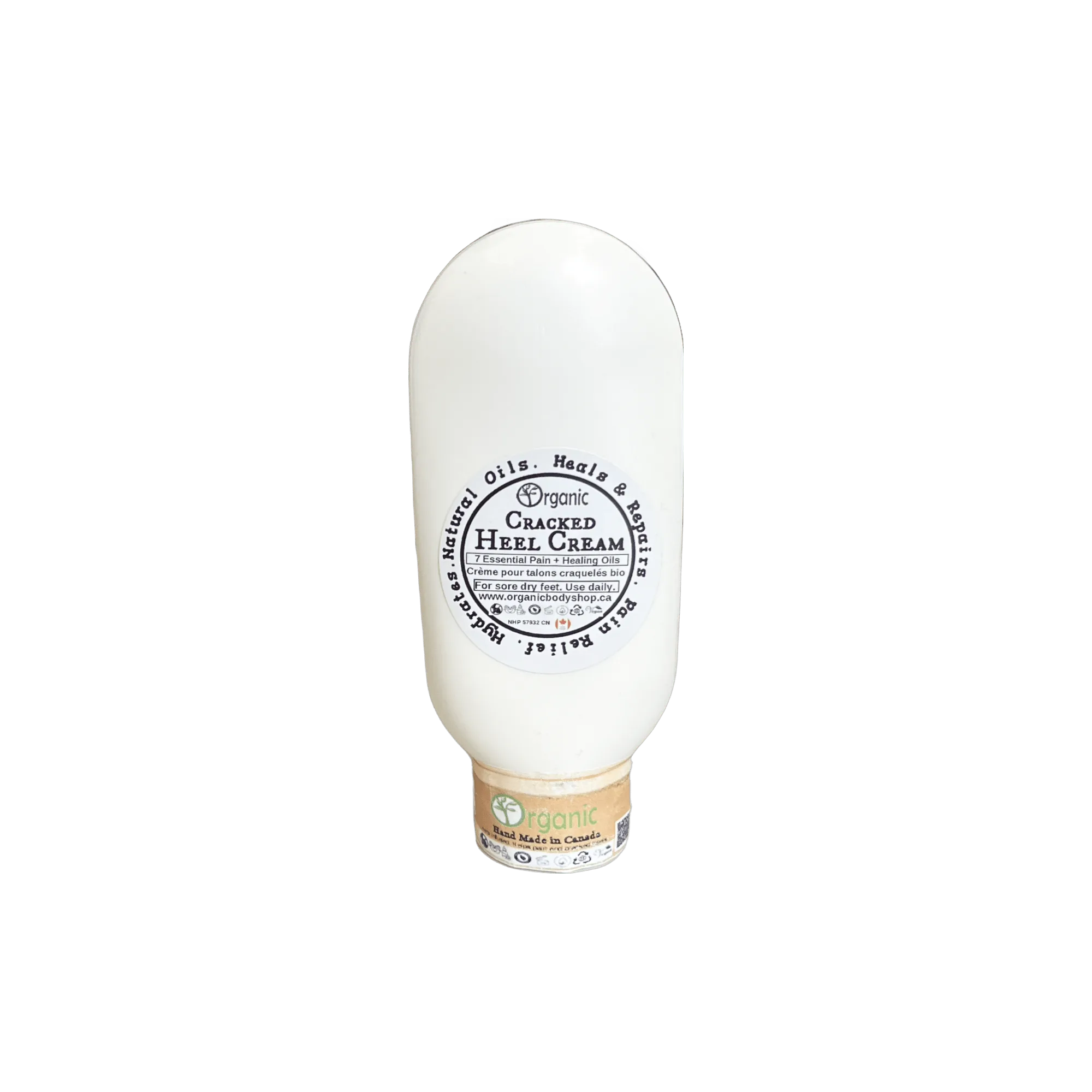
- Cracked Heel Cream+ herbal healing oils. 118ml: All-natural antifungal cream contains tea tree and herbal oils that combat athlete's foot and toe fungus while providing extra hydration for tired feet and dry skin. This dual action is why it can heal cracked heels faster than a salve when fungus is part of the problem.
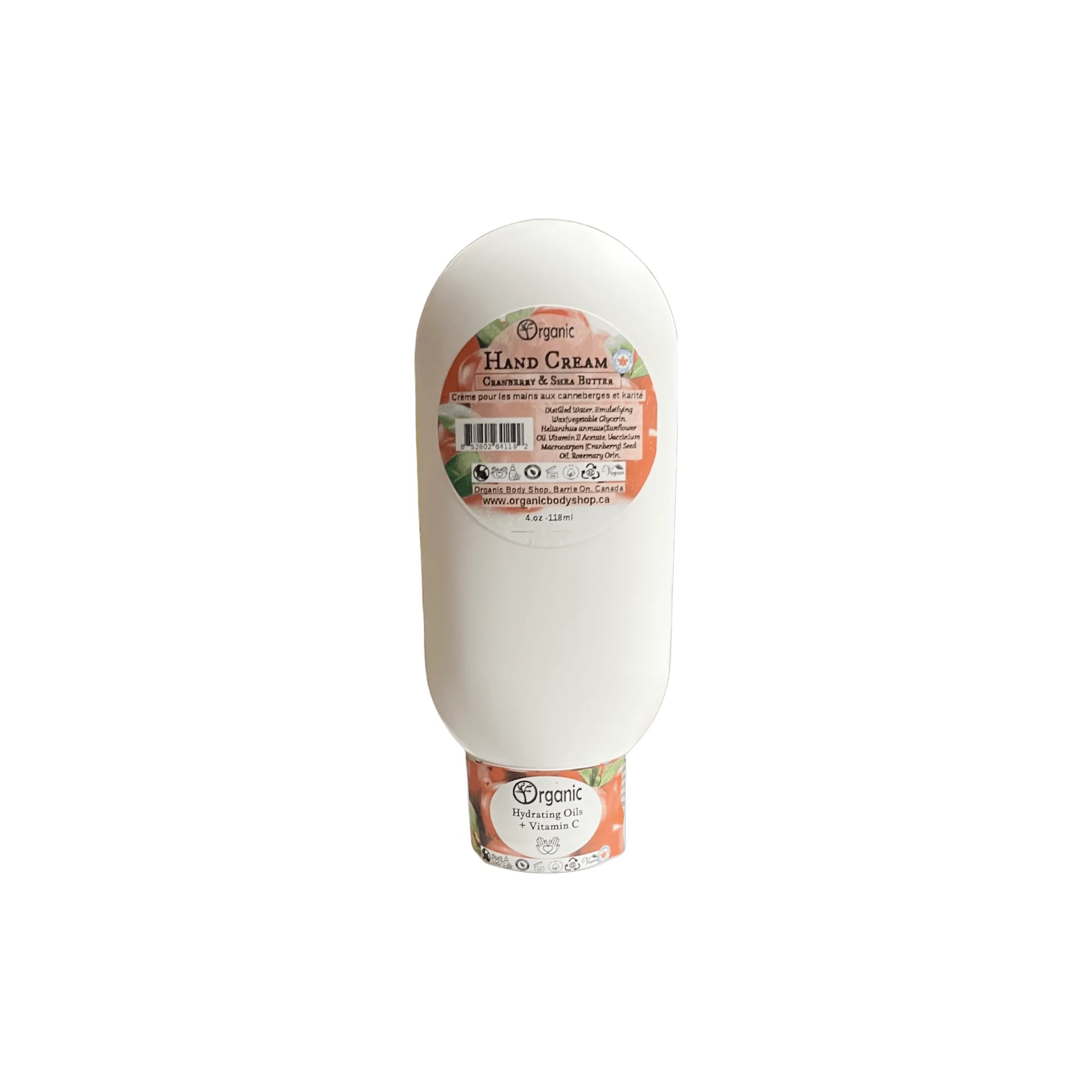
- Hand Cream. Sweet tart cranberry.: Concentrated hand cream with shea butter, cranberry oil, sunflower oil, and glycerin deeply hydrates and strengthens the skin barrier. While designed for hands, this barrier-repair approach is the same reason a rich salve helps dry heels stay soft between treatments.
Which one fits your feet?
Best for
- Heels with deep, painful cracks or signs of fungus
- Anyone who wants one product that hydrates and treats
- Daily use during sandal season to prevent fissures
Not for
- Very sensitive skin that reacts to tea tree or herbal oils
- Mild dryness without cracks, where a simple salve is enough
- People looking for a fragrance-free, minimalist routine