Quick Answer
Buy cracked black peppercorns when you want coarse, ready-to-use pepper for rubs, finishing, and quick weeknight cooking. Buy whole black peppercorns when you want maximum shelf life and full control over grind size. If you cook both ways, keep both: cracked for speed and texture, whole for freshness and flexibility.
What Actually Changes Between Cracked and Whole
The only real difference is surface area. Cracking exposes more of the peppercorn's interior, so the volatile oils that carry aroma release faster. That is why cracked pepper smells sharper the moment you open the jar, and why it fades sooner than whole peppercorns stored the same way. Whole peppercorns keep those oils locked inside until you grind them.
This is a trade-off, not a flaw. You are choosing between convenience and longevity. Neither option is 'better' in the abstract; the right pick depends on how fast you go through pepper and what texture you want on the plate.
How to Judge Peppercorn Grind Size Before You Buy
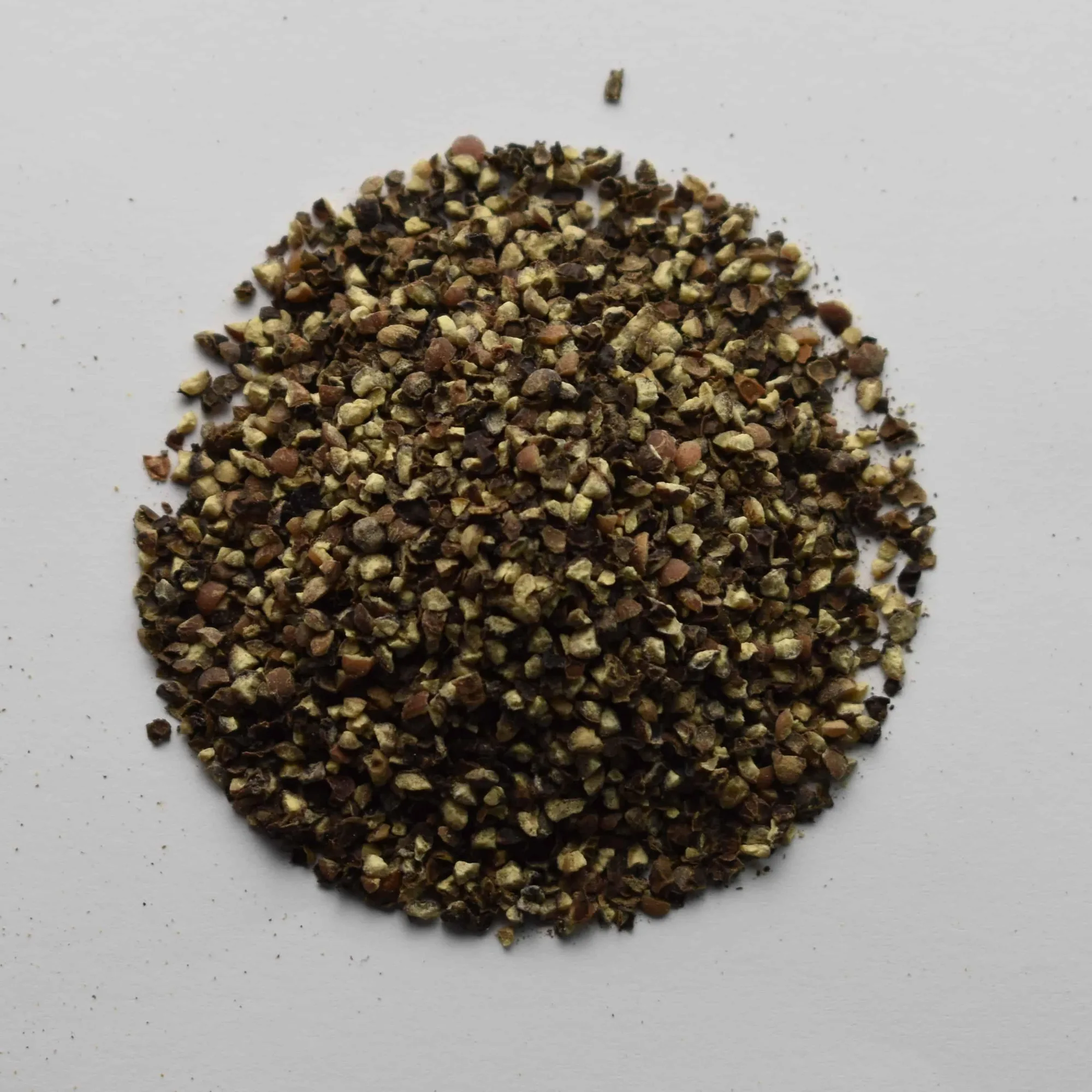
Grind size is the practical label that matters most. Cracked pepper sits in the coarse range: visible fragments, roughly the size of coarse cornmeal. Standard ground pepper is fine and dusty. Whole peppercorns are uncrushed and let you choose any size at the moment of use.
If a recipe says 'coarsely cracked pepper,' cracked peppercorns match that instruction directly. If it says 'freshly ground,' whole peppercorns are the safer buy because you can go fine or coarse. When a product page lists only a size option and no grind specification, treat that as a decision limitation: ask the seller or check the product photo for visible fragment size before committing to a large bag.
When to Use Cracked Pepper vs Whole Peppercorns
Reach for cracked pepper when the pepper is a visible part of the dish: steak au poivre, cacio e pepe, rubs, roasted vegetables, or a finishing sprinkle over eggs and salads. The coarse fragments deliver little bursts of heat instead of disappearing into the sauce.
Reach for whole peppercorns when pepper is a background note or when you want to infuse and remove it: pickling brines, stocks, braises, and chai-style spice blends. Whole peppercorns also work in a grinder at the table, which is the simplest way to guarantee fresh aroma for every diner.
Storage and Shelf Life: The Real Cost Difference
Because cracked pepper has more exposed surface, it loses punch faster. Store it in a sealed jar away from heat and light, and plan to use it within a few months rather than a few years. Whole peppercorns hold their aroma considerably longer under the same conditions, which is why buying whole in bulk and cracking as needed is the classic restaurant approach.
If you buy cracked pepper, buy a size you will actually finish. A smaller jar you replace often beats a large one that goes flat on the shelf. If you buy whole, a larger bag is a reasonable value play because the clock runs slower.
A Quick Note on Pairing Pepper With Tea and Spice
Pepper is not only a savory tool. A coarse crack of black pepper over fruit or a light sprinkle in a spice-forward baked good adds a warm edge. If you keep a loose leaf tea habit alongside your spice rack, the same freshness logic applies: whole spices and whole leaves both reward buying in quantities you will use while the aroma is still bright. Cardamom is a good example of a spice that behaves like whole peppercorns, staying potent until you crack or grind it.
Trade-Offs at a Glance
- Convenience vs. shelf life: Cracked peppercorns are ready the second you open the jar, but their exposed surface means aroma fades sooner than whole peppercorns stored the same way. Buy cracked in smaller amounts; buy whole in larger amounts.
- Fixed texture vs. adjustable grind: Cracked pepper locks you into a coarse fragment size, which is ideal for visible pepper but wrong for recipes calling for fine ground pepper. Whole peppercorns let you choose fine, medium, or coarse at the grinder. Choose cracked for coarse-only dishes; choose whole when a recipe needs fine grind.
- Cost per use vs. cost per jar: Whole peppercorns often look like the better value per ounce because they last longer, but only if you actually grind them. Cracked pepper costs more per use if half the jar goes stale before you finish it. Match the package size to your real cooking pace, not the lowest unit price.
Products That Fit Each Side of the Choice
- Butcher's Cracked Black Peppercorns: Butcher's Cracked Black Peppercorns are an essential seasoning, highly aromatic with a crisp, robust flavor that complements just about any dish. This is the ready-to-use cracked option: no grinder needed, and the coarse texture is already set for rubs, finishing, and quick cooking.
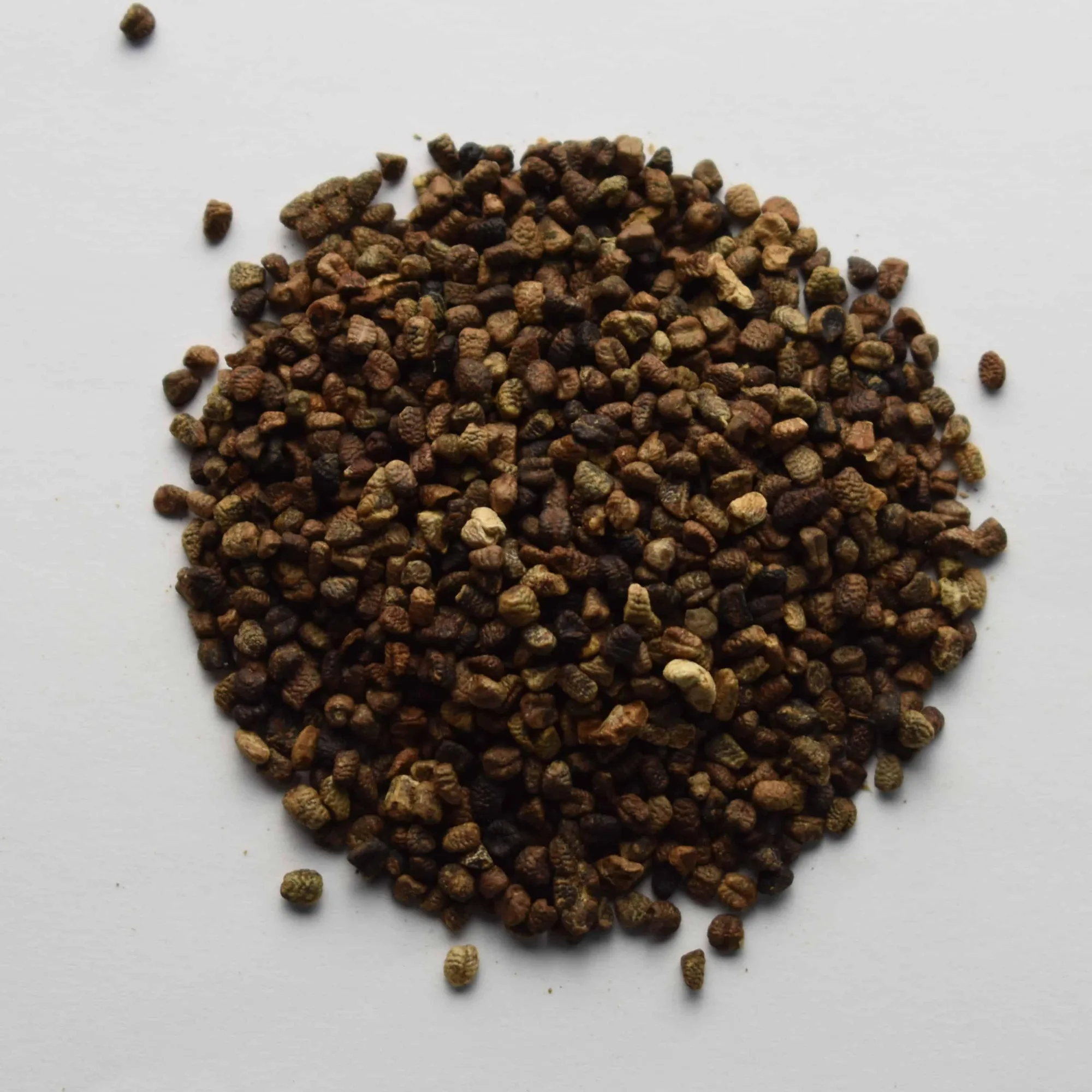
- Cardamom Seed, Whole: Cardamom is the fruit of a tropical plant related to ginger, and is one of the world's most expensive spices, after saffron and the vanilla bean. It is essential to the cuisines of the Middle East and India, but is also a great addition to baking. Like whole peppercorns, whole cardamom pods protect their aroma until you crack them, so the same buy-what-you-will-use rule applies to expensive whole spices.
Which Should You Buy?
Best for
- Cooks who want coarse pepper texture without pulling out a grinder
- Steak rubs, cacio e pepe, roasted vegetables, and finishing dishes
- Small households that will finish a jar within a few months
Not for
- Recipes that call for finely ground pepper
- Buyers who want one pepper purchase to last a year or more
- Anyone who prefers adjusting grind size per dish