Quick answer
Soften the flakes first, then lift them gently. Massage a small amount of oil or a soothing scalp gel into the scalp, wait a few minutes, wash with a mild shampoo, and brush softly with a soft-bristled brush. Never pick or scrub. Repeat every few days until the scalp looks clear, and stop if the skin becomes red, raw, or weepy.
How to tell cradle cap from dry skin
Cradle cap usually shows up as thick, yellowish, greasy or crusty patches on the scalp, most often on the top of the head and around the fontanel. Dry skin, by contrast, tends to look thin, white, and flaky, and it can appear on the face, arms, or legs too. Cradle cap flakes often sit on top of the skin rather than flaking off easily, and the skin underneath may look slightly red but is not usually raw or weeping.
If the patches are oozing, crusted with honey-colored fluid, spreading beyond the scalp, or your baby seems uncomfortable, that is a sign to check with your pediatrician rather than treat at home. For ordinary cradle cap, the routine below is designed to loosen flakes without stripping or irritating the scalp.
What you need before you start
Keep the kit small: a mild baby shampoo, a soft-bristled baby brush or a silicone scalp scrubber, a soft towel, and a fragrance-free moisturizer or scalp gel. If you use a scrubber, choose one with soft, flexible bristles and use it with almost no pressure. A fine-tooth comb can help lift loosened flakes, but only after they have softened.
Timing matters more than tools. Do this routine when your baby is calm and fed, not overtired. A 5-minute window is enough; longer sessions tend to lead to more rubbing, not better results.
Why you should not pick or scratch flakes
Picking at cradle cap can tear the skin and create an entry point for irritation or infection. It also tends to make the flakes come back thicker because the scalp responds to the trauma. The goal is to soften the crust so it lifts on its own, not to remove it by force.
If a patch will not budge after a few sessions, leave it. Cradle cap often clears gradually over weeks, and forcing it can turn a mild case into a sore one.
Your step-by-step cradle cap routine
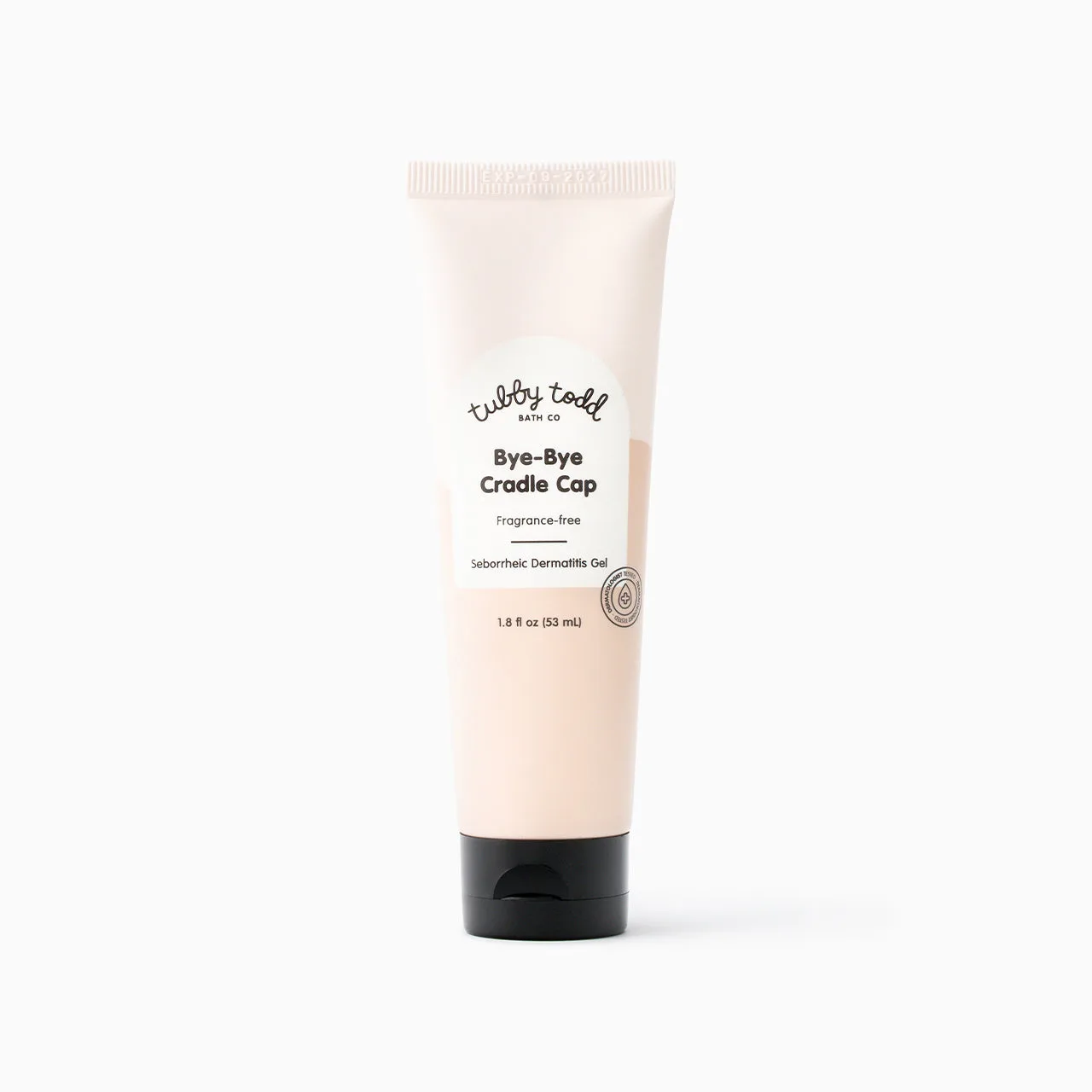
- 1. Soften the flakes before washing: Apply a small amount of oil or a soothing scalp gel like Bye-Bye Cradle Cap to the affected areas and let it sit for 5 to 10 minutes. This loosens the crust so it can lift without force. Checkpoint: the flakes should look softer and slightly translucent, not lifted off yet.
- 2. Wash with a mild shampoo: Gently massage a small amount of mild baby shampoo into the scalp with your fingertips, then rinse with lukewarm water. Avoid hot water and long soaks, which can dry the scalp. Common mistake: using adult shampoo or a strong medicated wash without checking with your pediatrician first.
- 3. Brush softly while the scalp is still damp: Use a soft-bristled baby brush or silicone scrubber in slow, circular motions. Let the brush do the work; do not press down or try to scrape the flakes off. Checkpoint: stop if the scalp looks redder or your baby pulls away.
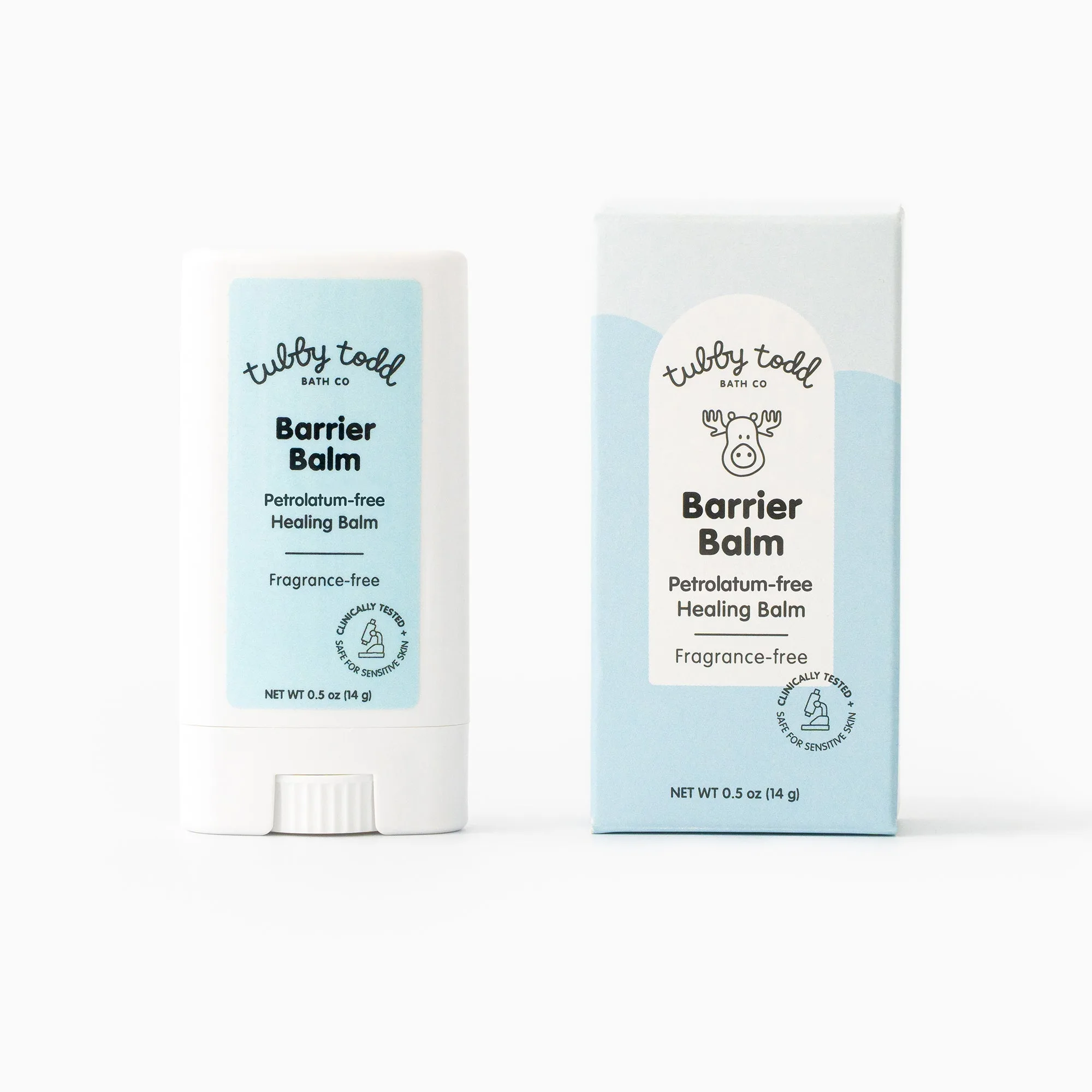
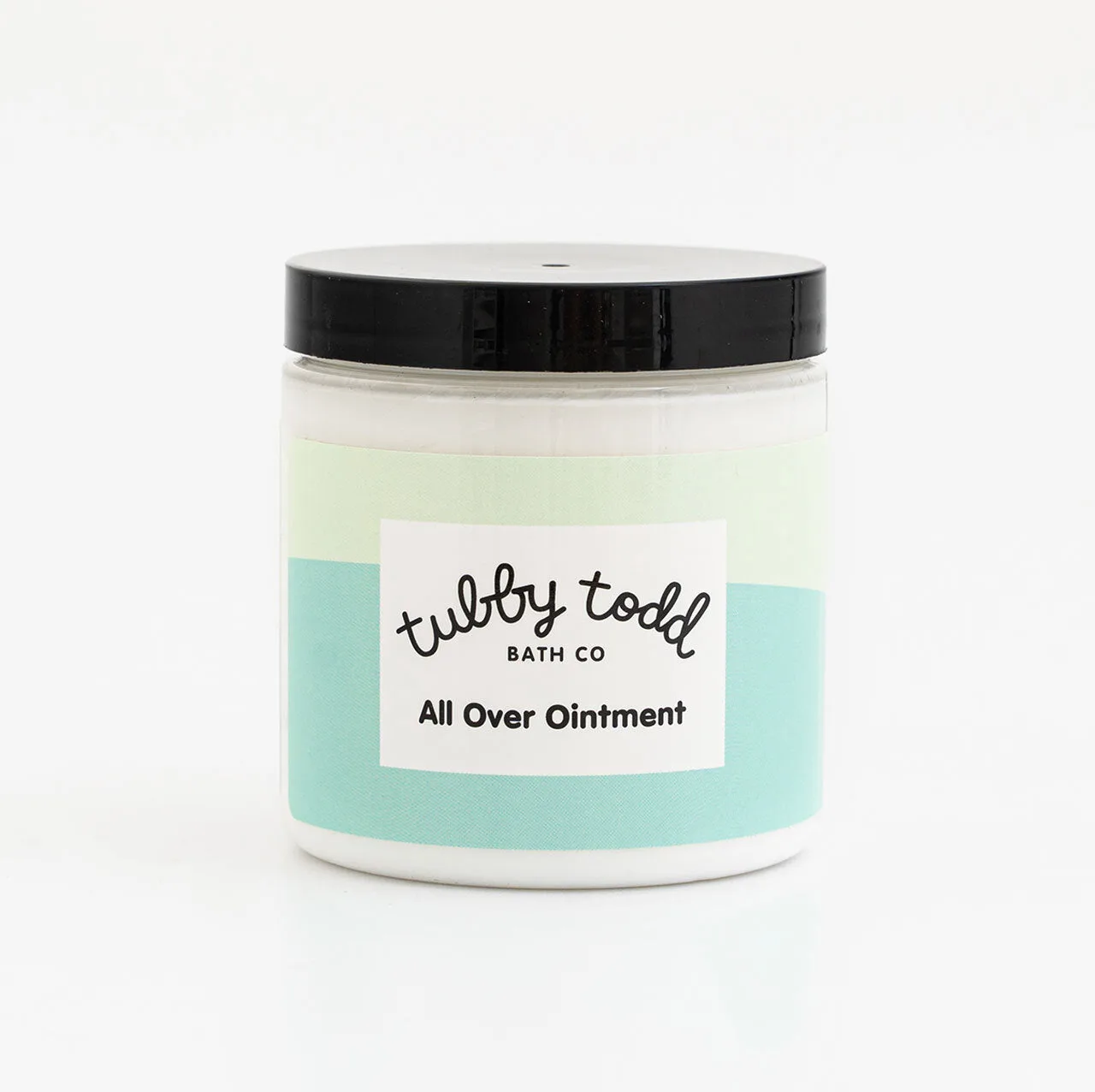
- 4. Moisturize the scalp and surrounding skin: Pat dry and apply a fragrance-free moisturizer such as All Over Ointment Original Formula. For dry patches at the hairline or behind the ears, Barrier Balm's twist-up stick lets you target the area without greasing the hair. Common mistake: layering too much product, which can leave the scalp greasy and trap flakes.
- 5. Repeat every few days, not every day: Give the scalp a rest between sessions. Most mild cradle cap improves with two to three sessions per week over a few weeks. Next step: if the scalp is not improving after several weeks, or if it spreads or oozes, check with your pediatrician.
Products that fit this routine
- Bye-Bye Cradle Cap: Bye-Bye Cradle Cap is a soothing gel with 0.95% Pyrithione Zinc plus hydrating botanicals like Aloe Vera Leaf Juice and Olive Fruit Oil, and it is available with or without a silicone scrubber. It is formulated specifically for cradle cap scaling, redness, and irritation, so it can replace a plain oil step when you want a targeted treatment rather than just softening.
- All Over Ointment Original Formula: All Over Ointment Original Formula is a fragrance-free, plant-based balm made with Jojoba Esters and Camellia Leaf Extract, and it does not contain Colloidal Oatmeal. It works as a gentle post-wash moisturizer for the scalp and surrounding skin, and the oat-free formula is a practical choice if your baby is sensitive to oat ingredients.
- Barrier Balm: Barrier Balm is a petrolatum-free, twist-up stick with 1% Colloidal Oatmeal designed for targeted relief on itchy, dry, irritated areas. The mess-free stick makes it easy to spot-treat dry patches on the scalp edges or behind the ears without getting balm in your baby's hair.