Quick answer
Cradle cap usually shows up as thick, yellowish, greasy flakes or crusts on the scalp, while eczema tends to be dry, red, and itchy and often spreads to the face, neck, or creases. If the scalp is crusty but the baby seems comfortable, it is more likely cradle cap; if the skin is inflamed and itchy, treat it as eczema and ask your pediatrician about the right routine.
What cradle cap actually looks like on a baby scalp
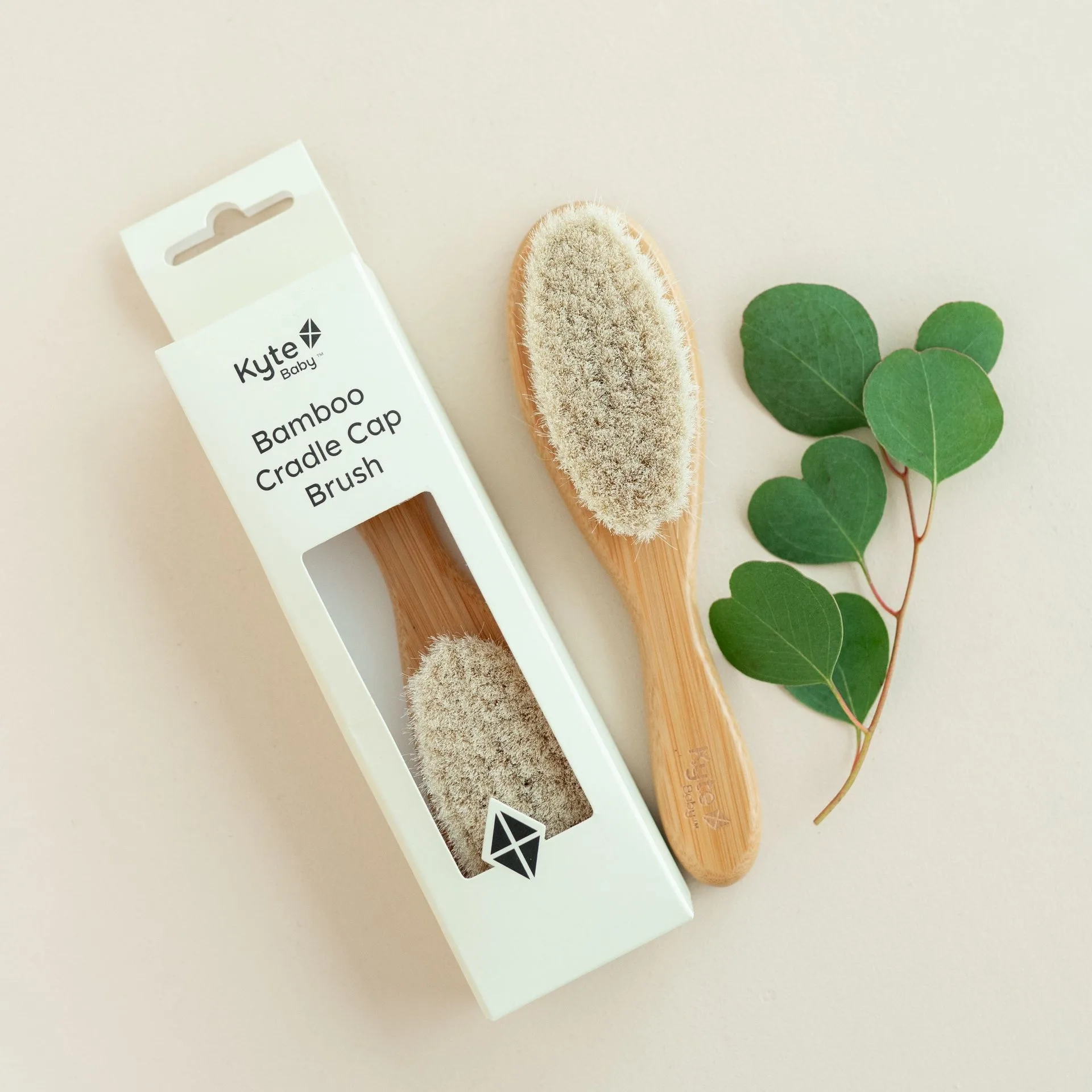
Cradle cap, also called seborrheic dermatitis in babies, typically appears in the first few weeks or months. The flakes are often thick, yellowish, and slightly greasy, and they may cling to the scalp rather than flake off easily. You might see it around the hairline, behind the ears, or in the eyebrows. It is not usually itchy, and most babies are not bothered by it. If you try to pick at the crusts, you can irritate the skin underneath, so it is better to soften them first with a gentle oil or gel and then brush them loose.
- Yellowish, greasy, or crusty patches
- Often on the scalp, behind ears, or in eyebrows
- Usually not itchy or uncomfortable
- Does not spread to other body areas in most cases
What eczema on a baby's head looks like
Eczema on the scalp looks different: the skin is dry, red, and often itchy. You may see small bumps or rough patches rather than thick crusts. Eczema can also appear on the cheeks, chin, neck, and in the folds of the arms and legs. Babies with eczema often scratch or rub their heads, and the skin may feel warm or look irritated. Flare-ups can be triggered by dry air, harsh soaps, or certain fabrics. If you suspect eczema, focus on gentle cleansing and frequent moisturizing, and talk to your pediatrician about whether a medicated cream is needed.
- Dry, red, rough, or bumpy patches
- Often itchy and uncomfortable
- Can spread to face, neck, and body creases
- May flare up with dryness or irritants
How to tell them apart when you are not sure
If you are still unsure, look at how your baby behaves. A baby with cradle cap is usually calm and does not seem bothered by the flakes. A baby with eczema may be fussy, scratch at the scalp, or have trouble sleeping because of the itch. Also check the rest of the body: eczema often appears in more than one place, while cradle cap stays mostly on the scalp and nearby areas. If the flakes are white and dry rather than yellow and greasy, it could be dry skin or a combination of both. In that case, treat it gently and watch for changes.
Gentle steps you can take at home
For cradle cap, start by loosening the flakes. Apply a small amount of baby oil or a dedicated cradle cap gel to the scalp, let it sit for a few minutes, then gently brush with a soft-bristled baby brush or a silicone scrubber. Shampoo afterward to remove the oil. Do this a few times a week. For eczema, keep baths short and lukewarm, use a fragrance-free cleanser, and apply a thick moisturizer within three minutes of patting dry. Avoid scratching and keep nails short. If the scalp is cracked, weeping, or bleeding, or if you see signs of infection like pus or swelling, stop home care and call your pediatrician.
- Cradle cap: soften with oil or gel, then brush and shampoo
- Eczema: short lukewarm baths and immediate moisturizing
- Do not pick or scratch at crusts or flakes
- Stop and seek medical advice if skin is broken or infected
Quick diagnosis guide
- Thick, yellowish, greasy flakes on the scalp: Likely cradle cap. The flakes may cling to the scalp and not itch. Use a cradle cap gel or oil to soften them, then brush gently and shampoo. If the scalp is crusty but your baby is comfortable, start with cradle cap care.
- Dry, red, itchy patches that spread: Likely eczema. The skin may be rough, bumpy, and inflamed, and your baby may scratch. Focus on fragrance-free moisturizing and gentle bathing. If itching and redness are present, treat as eczema and consult your pediatrician.
- White, dry flakes without redness or itching: Could be dry skin or a mix of dry skin and mild cradle cap. Try a gentle moisturizer and avoid harsh shampoos. If it does not improve in a week or gets worse, ask your doctor.
- Cracked, weeping, or pus-filled skin: This may be an infection or a more serious skin condition. Do not continue home treatment. Stop and call your pediatrician promptly.
Products that may help with each condition
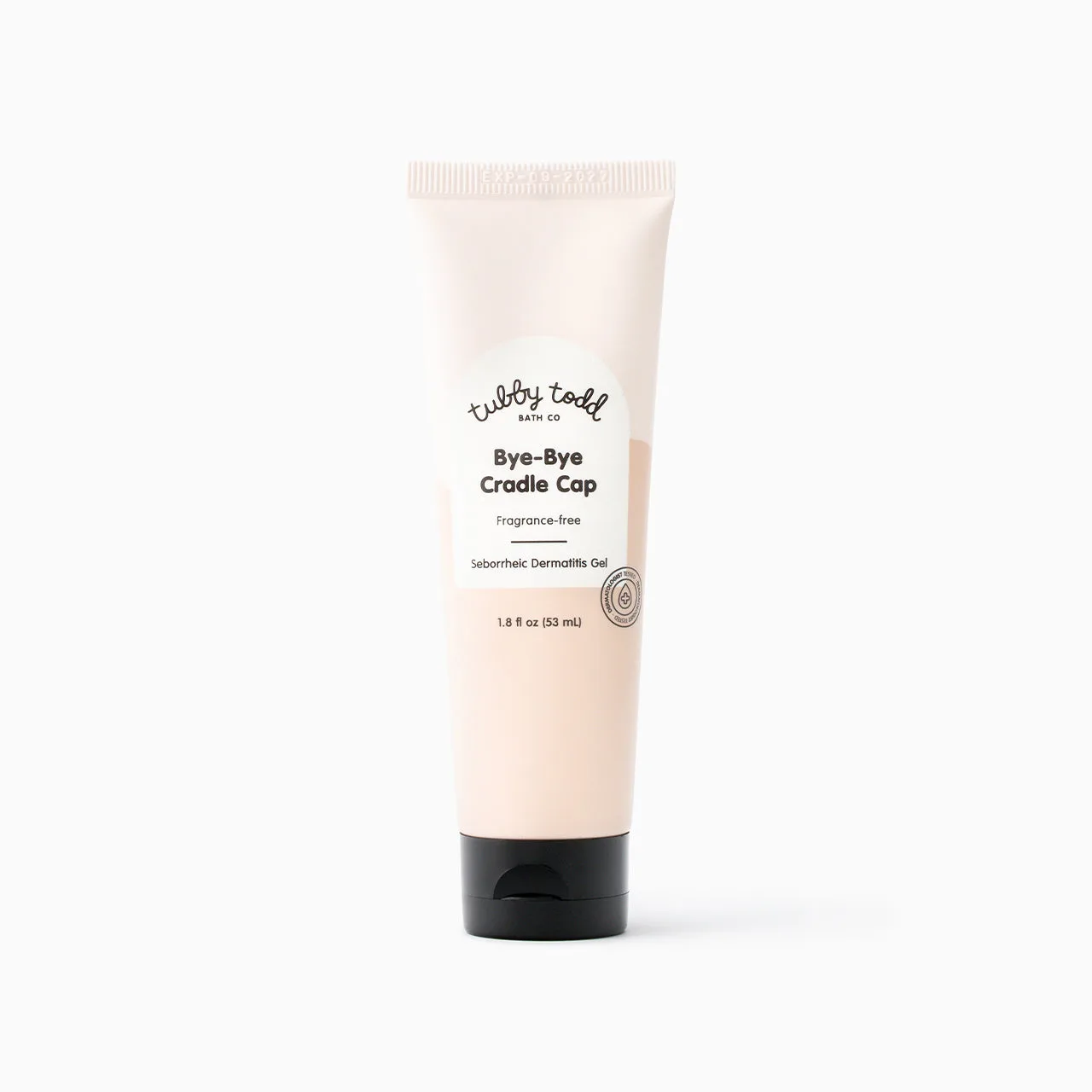
- Bye-Bye Cradle Cap: Bye-Bye Cradle Cap is a soothing gel with 0.95% Pyrithione Zinc and hydrating botanicals like Aloe Vera Leaf Juice and Olive Fruit Oil to help fight, improve, and prevent cradle cap symptoms including scaling, redness, and irritation. This is a targeted option for cradle cap flakes and crusts, and it is available with or without a silicone scrubber to help loosen scales gently.
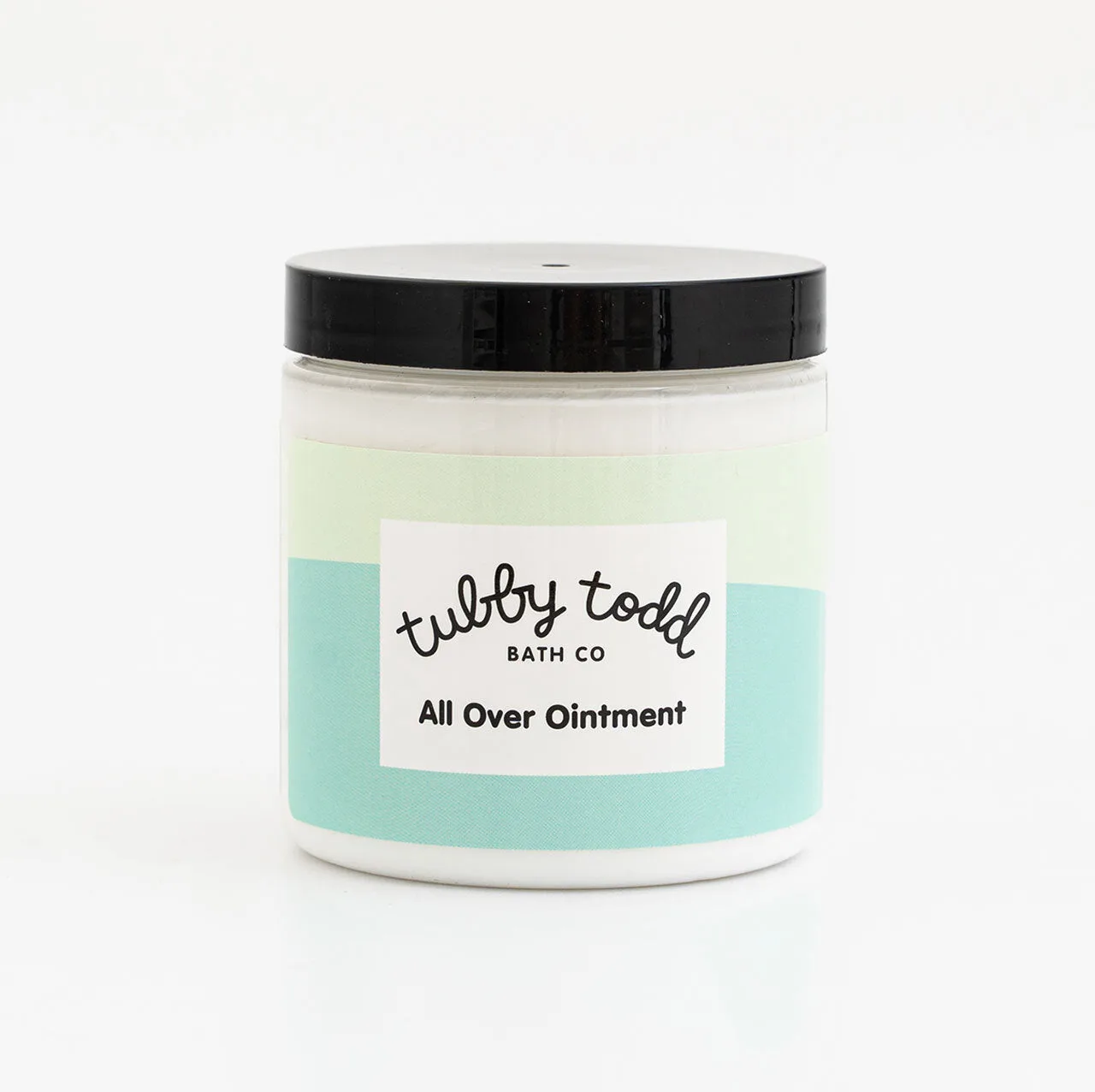
- All Over Ointment Original Formula: All Over Ointment Original Formula is a rich, creamy balm made with plant-based ingredients like Jojoba Esters and Camellia Leaf Extract. It is fragrance-free and does not contain Colloidal Oatmeal, so it is suitable for babies sensitive to oat ingredients. For dry, eczema-prone scalp or skin, this ointment provides lasting moisture without fragrance, and it is gentle enough for newborns.
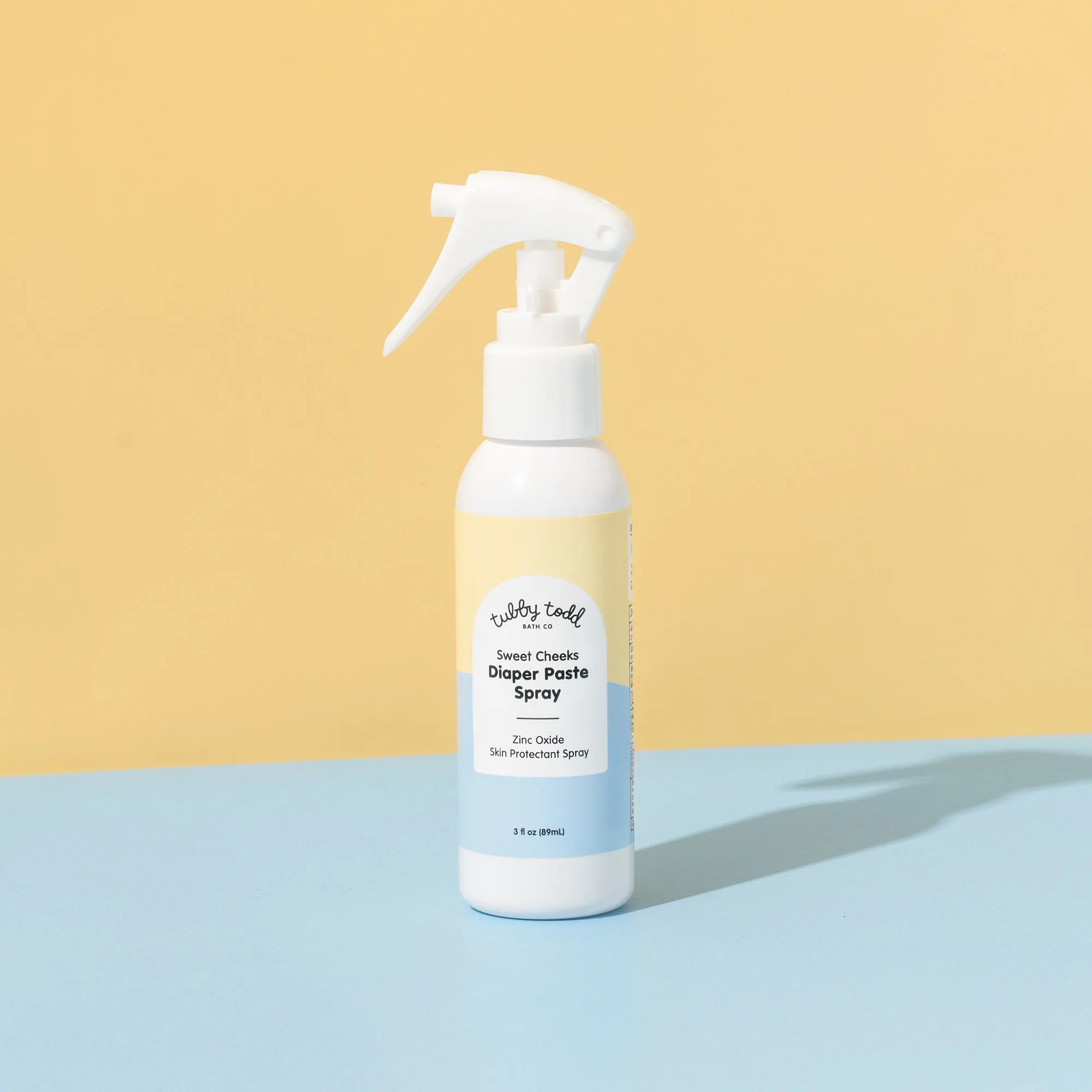
- Sweet Cheeks Diaper Paste Spray: Sweet Cheeks Diaper Paste Spray is a fragrance-free diaper rash spray with 14% zinc oxide that soothes skin and helps seal out wetness and irritants. If eczema or irritation appears in the diaper area along with scalp flakes, this spray offers a hands-off way to protect sensitive skin during changes.