Quick answer
Choose cream blush if your skin is dry or you want a dewy, skin-like finish that melts in without emphasizing texture. Choose powder blush if your skin is oily or you need a long lasting, shine-controlled flush that stays put through heat and humidity.
Why the formula matters more than the shade
The same rose shade can look completely different depending on whether it comes in a cream or powder base. Cream formulas contain more oils and emollients, so they blend into dry patches instead of sitting on top of them. Powder formulas use talc or mica to absorb excess oil, which keeps shine down but can cling to flaky areas.
If you have combination skin, you can use both: a cream blush on the drier parts of your cheeks and a light dusting of powder blush on the oilier center of your face. The key is to match the formula to the area, not just your overall skin type.
The trade-off: dewiness versus durability
Cream blush gives you a natural, lit-from-within glow, but it often fades faster than powder, especially if you have oily skin or live in a humid climate. Powder blush lasts longer and resists transfer, but it can look flat or chalky on dry skin if you apply too much.
There is no perfect formula that does everything. Instead, decide which matters more to you on a given day: a fresh, hydrated look or a flush that survives a full workday without touch-ups.
How to apply cream blush for a seamless finish
Cream blush works best when you tap it on with your fingers or a damp sponge. Warm a small amount on the back of your hand, then press it onto the apples of your cheeks and blend outward. Because cream formulas stay workable for a minute or two, you can build intensity gradually without streaks.
Set cream blush with a light dusting of translucent powder only if you need extra wear time. On dry skin, skip the powder to keep the dewy finish intact.
How to apply powder blush for a long lasting flush
Powder blush needs a light hand and a fluffy brush. Tap off excess before applying, then sweep the color along your cheekbones in upward strokes. Build in thin layers rather than one heavy pass, and avoid dragging the brush across the skin, which can disturb foundation underneath.
For oily skin, apply powder blush after your setting powder so it sits on a smooth, matte base. If you want extra longevity, spritz a setting spray over the finished makeup.
Key trade-offs at a glance
- Finish: Cream blush gives a dewy, skin-like glow; powder blush gives a soft-matte or satin finish that controls shine. If you want a natural, hydrated look, go cream. If you prefer a polished, shine-free finish, go powder.
- Wear time: Powder blush generally lasts longer and resists fading, while cream blush may need a touch-up after several hours, especially on oily skin. Choose powder for all-day events or humid weather; choose cream for shorter outings or dry climates.
- Application: Cream blush blends best with fingers or a damp sponge; powder blush requires a fluffy brush and a light hand to avoid over-application. If you prefer quick, mess-free application, cream is more forgiving. If you like precise placement, powder gives you more control.
- Skin texture: Cream formulas smooth over dry patches, while powder can emphasize flakiness but blur large pores and absorb excess oil. Dry skin types should lean toward cream; oily or textured skin types often prefer powder.
Product facts
-
CHEEK TO CHIC - SEX ON FIRE: Two-tone rose powder blusher that blends two complementary shades for a soft, buildable color. The dual shades let you customize intensity and create a dimensional flush that works well for a long lasting powder look.
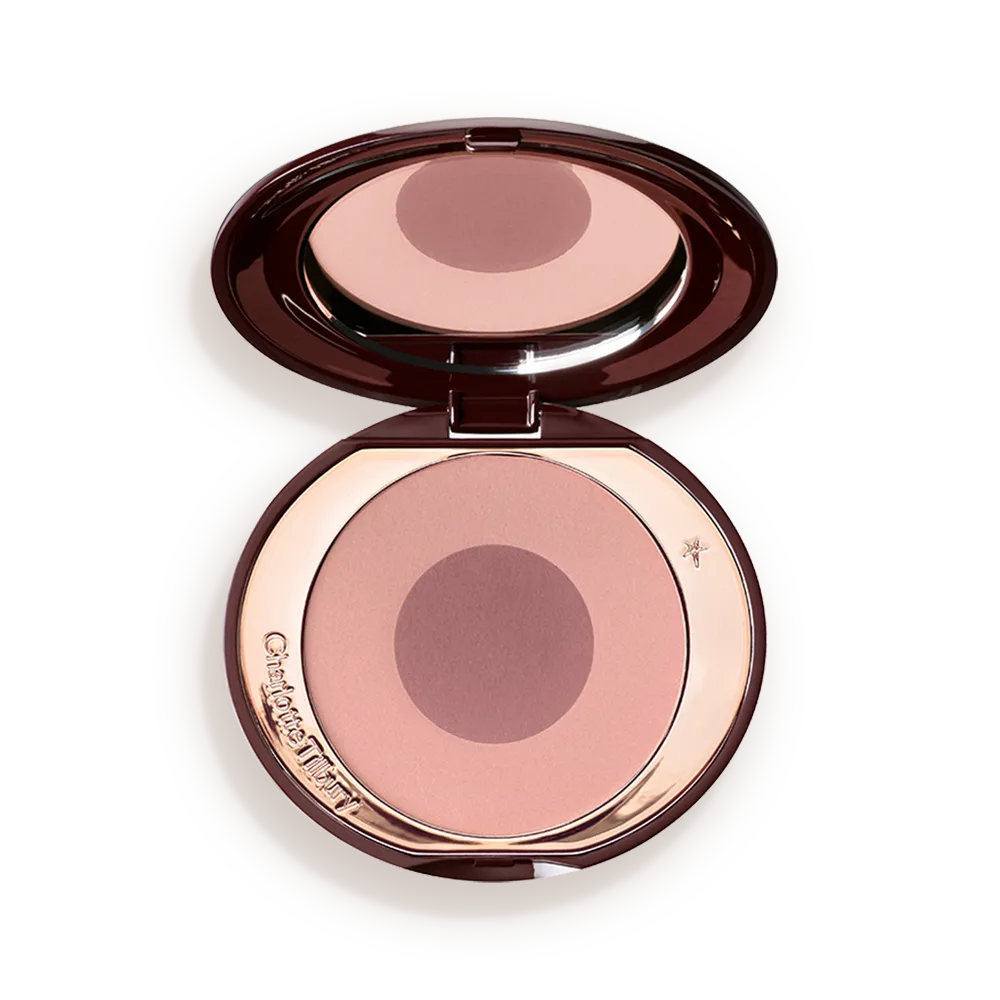
CHEEK TO CHIC - SEX ON FIRE
Who should choose which
Best for
- Dry or mature skin that wants a hydrating, dewy flush
- Anyone who prefers a quick, finger-blended application
- Short events or dry climates where touch-ups are easy
Not for
- Very oily skin that needs all-day shine control
- Humid conditions where cream may slide or fade
- Anyone who dislikes touching up makeup during the day