Quick answer
Powder blush, especially a mineral formula, is the safer choice for oily and acne-prone skin because it controls shine and resists fading. Cream blush wins for dry or mature skin because it adds moisture and blends without emphasizing texture. If your skin is combination, you can use both: cream on the apples of your cheeks, powder on top to set.
How cream and powder blush behave on different skin types
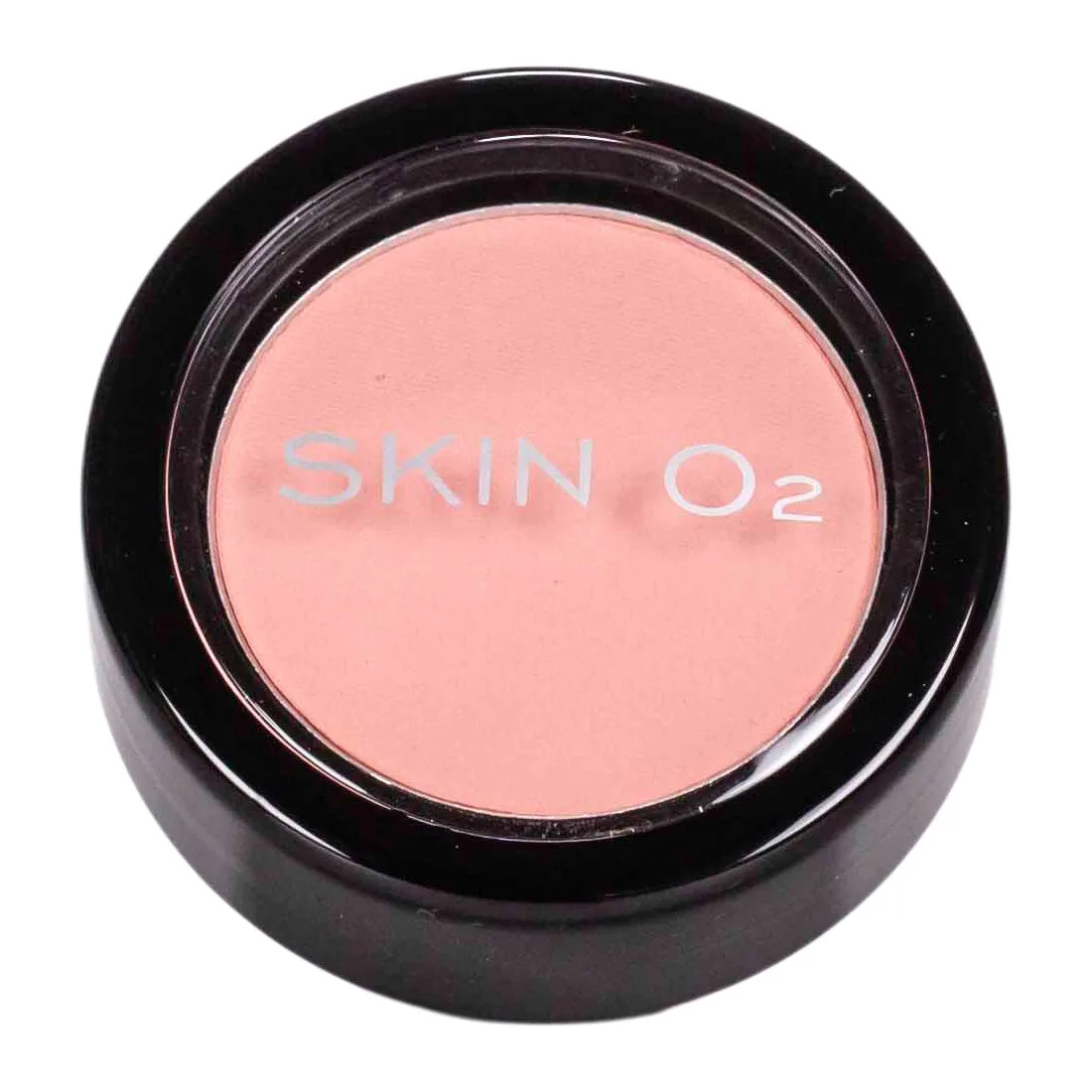
Cream blush is emollient and melts into the skin, giving a dewy, natural finish. It works well on dry or mature skin because it doesn't sit in fine lines or dry patches. However, on oily skin it can slide or fade faster, especially in humidity. Powder blush is dry and mattifying, so it grips oily skin and lasts longer, but it can look chalky or settle into texture on very dry skin. Mineral powder blush, like Skin O2's Mineral Blush, is lightweight and pigmented, and it blends seamlessly while staying put all day.
Key trade-offs: finish, wear time, and skin compatibility
Cream blush offers a skin-like finish and is easy to blend with fingers, but it requires a setting step if you need all-day wear. Powder blush provides a matte or satin finish and typically lasts longer without touch-ups, but it can be drying. For acne-prone skin, powder is generally less likely to clog pores, though non-comedogenic cream formulas exist. Mature skin often prefers cream because it doesn't emphasize lines, but a finely milled powder can also work if applied with a light hand.
How to choose the right blush formula for your skin
Start with your skin type: dry or mature skin should look for cream or liquid formulas with hydrating ingredients. Oily or acne-prone skin should choose powder or mineral powder to control shine. Combination skin can use cream on dry areas and powder on the T-zone. Also consider your base makeup: cream blush works best over liquid foundation, while powder blush is ideal over powder foundation. If you want a multi-use product, a mineral blush can double as an eyeshadow.
Long-lasting blush tips for any formula
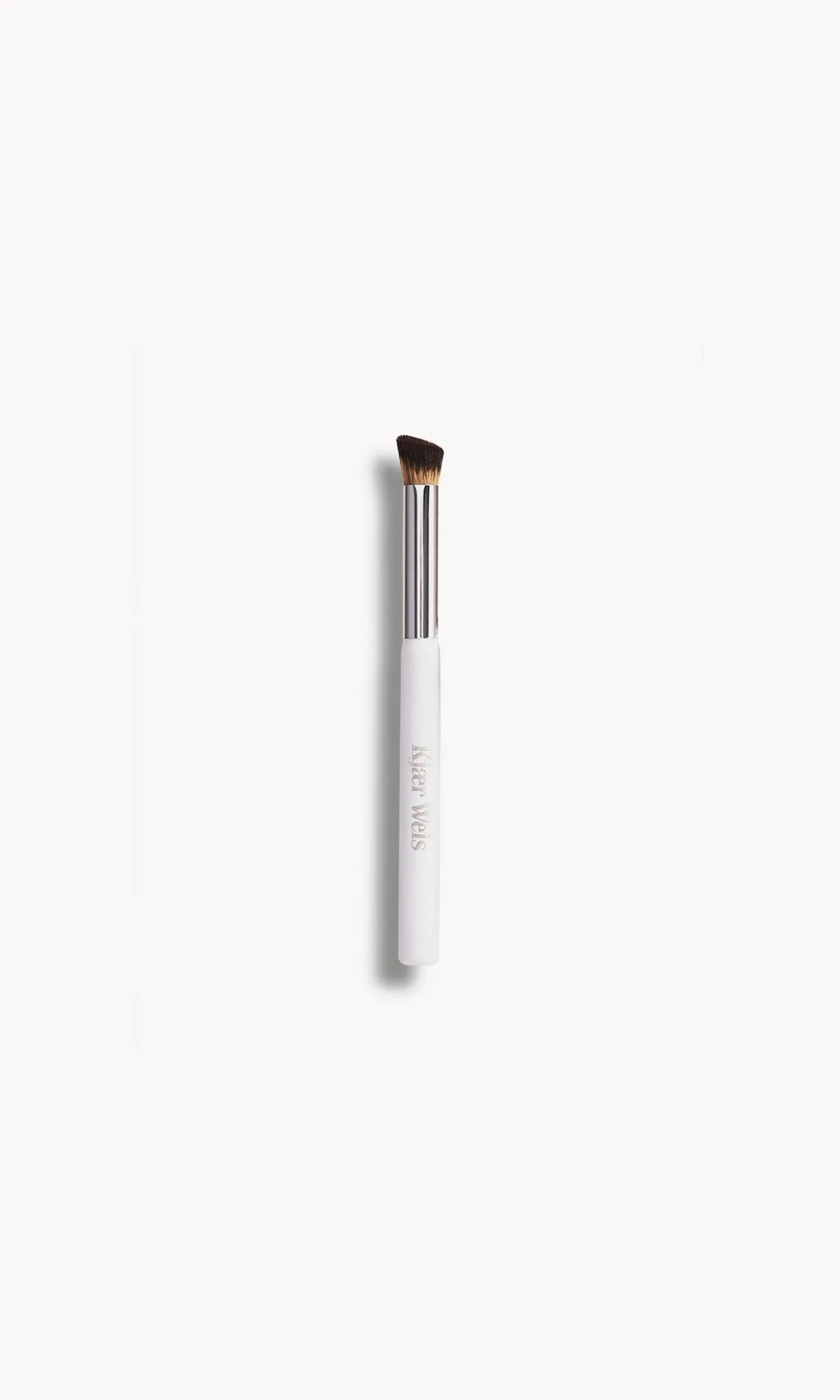
To make blush last, start with a clean, moisturized face. For cream blush, apply a thin layer and set with a translucent powder. For powder blush, use a fluffy brush and build in light layers. If you have oily skin, prime your cheeks with a mattifying primer. For a seamless look, match your blush tone to your natural flush: peach for warm undertones, pink for cool undertones. And remember, a little goes a long way with pigmented mineral blushes.
Trade-offs at a glance
- Cream blush: Adds a dewy finish and hydrates dry or mature skin, but can fade faster on oily skin and needs setting for all-day wear. Best for dry or mature skin, or for a natural no-makeup look.
- Powder blush: Controls shine and lasts longer on oily or acne-prone skin, but can look dry or settle into texture on very dry skin. Best for oily or combination skin, or for humid climates.
- Mineral powder blush: Lightweight, pigmented, and blends seamlessly; stays on all day and suits all skin types, but may need a hydrating base on dry skin. A versatile option if you want long wear without heavy ingredients.
Product facts to know
- Mineral Blush: Mineral Blush is a long-lasting powder that blends seamlessly into skin and stays on all day, with multiple shades that flatter each skin tone. This makes it a strong choice for oily or acne-prone skin that needs a blush to resist fading and shine.
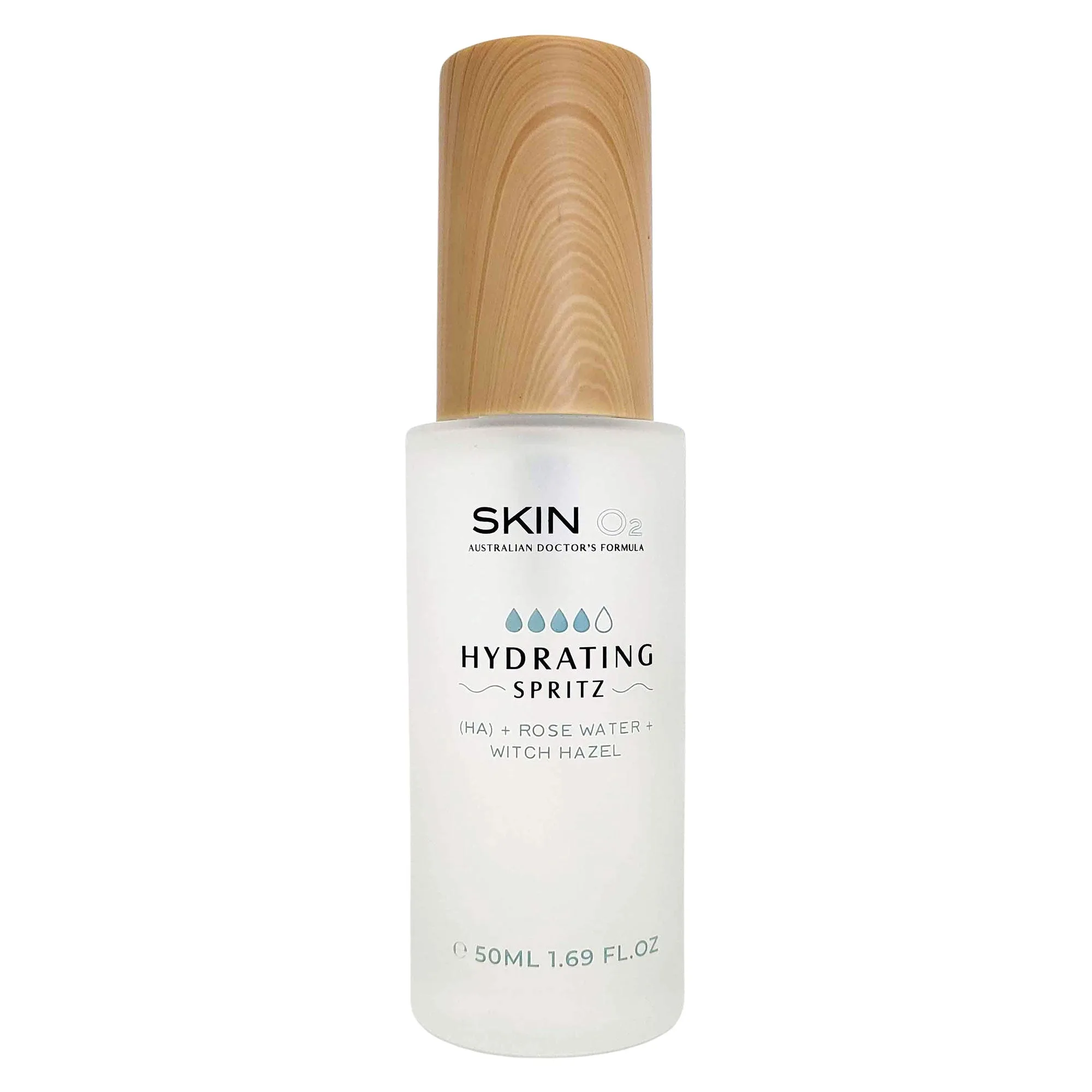
- Hydrating Spritz Toner: Hydrating Spritz Toner is a vegan formula with hyaluronic acid, rose water, and witch hazel, suitable for all skin types including sensitive skin. Prepping skin with a hydrating toner can help cream blush blend more smoothly and prevent powder blush from looking dry.
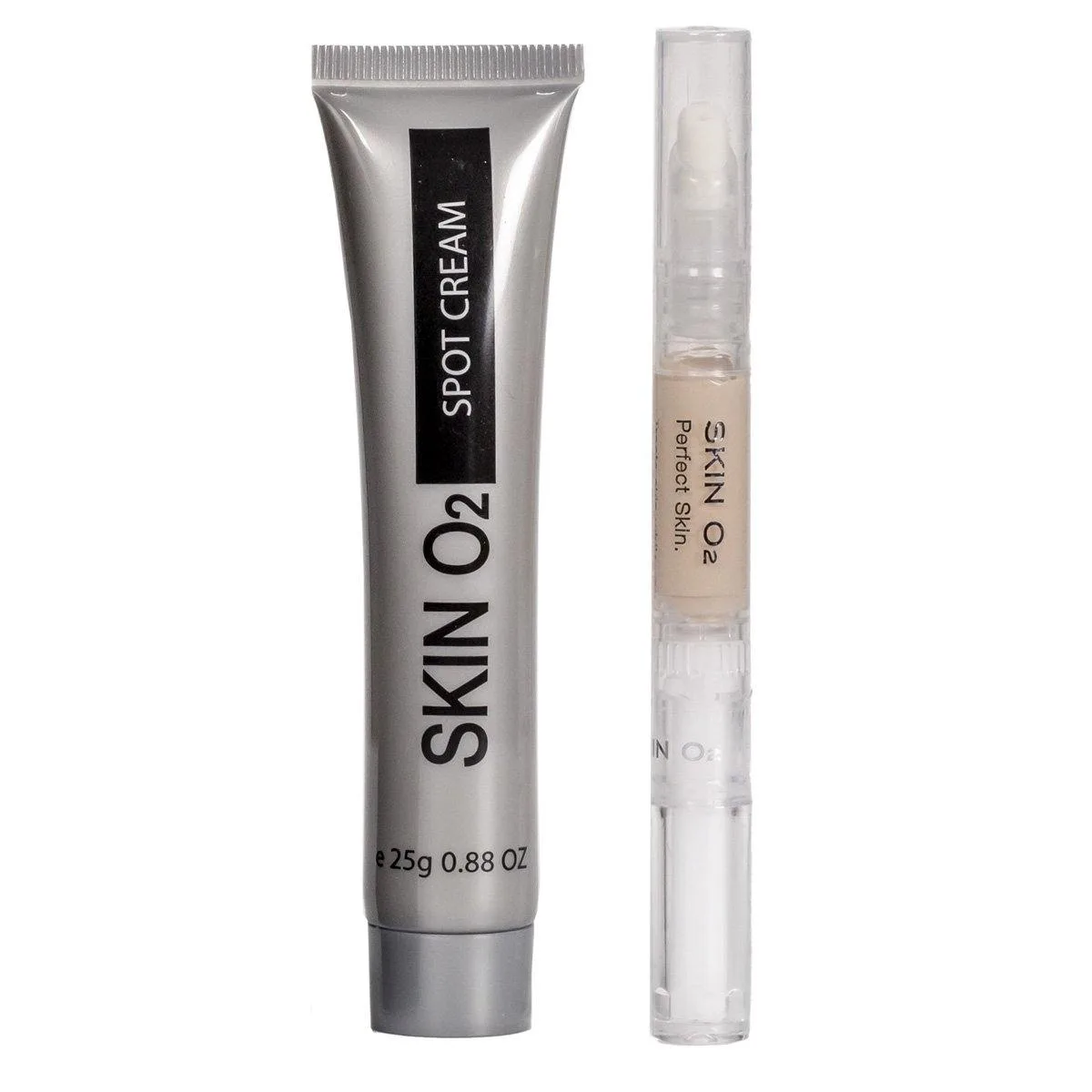
- Anti-Acne Spot Cream + Free Concealer (Zit Kit): Anti-Acne Spot Cream + Free Concealer (Zit Kit) is a targeted spot treatment that rapidly diminishes blemishes and comes with an anti-redness concealer. If you have acne-prone skin and want to wear blush, treating breakouts first can create a smoother canvas, and the concealer can neutralize redness before you apply blush.
Which blush should you choose?
Best for
- Oily or acne-prone skin that needs shine control and long wear
- Combination skin that wants a powder to set cream blush
- Anyone who prefers a matte or satin finish
Not for
- Very dry or flaky skin that needs added moisture
- Mature skin that wants to avoid any powder settling into lines
- Those who prefer a dewy, skin-like finish