Creating a sensory-rich play environment at home doesn’t have to break the bank. In fact, with a little creativity and a few everyday household items, you can transform any room into a stimulating space that supports your baby’s sensory development, motor skills, and cognitive growth. Sensory play is essential for infants and toddlers because it helps them make sense of the world through touch, sight, sound, smell, and movement.
While store-bought developmental toys are excellent tools, you can also incorporate low-cost or DIY elements to complement them. The key is to focus on variety—different textures, colors, sounds, and movements—and to rotate toys and materials to keep your baby engaged. In this guide, we’ll walk you through practical, budget-friendly steps to build a sensory-rich play area, and we’ll highlight a few Tiny Love products that can enhance the experience without overspending.
Start with a Safe, Defined Play Zone
Before adding sensory elements, designate a safe area where your baby can explore freely. A soft play mat is the foundation of any sensory environment. You don’t need to buy a fancy rug—a clean, soft blanket or a quilt works well. However, if you want a dedicated mat that offers both comfort and visual stimulation, consider the Black & White XL Outdoor Picnic Mat. Its high-contrast patterns are perfect for newborns developing vision, and it’s large enough for tummy time and rolling.
Make the space clutter-free and baby-proof. Remove sharp edges, cover electrical outlets, and keep small objects out of reach. The goal is to let your baby move and explore without constant redirection. A defined zone also helps your baby associate that area with play and learning, which can improve focus and engagement.
- Use a soft blanket or a quilt if you don't have a play mat yet.
- Keep the space free of distractions like loud TVs or bright overhead lights.
- Rotate toys weekly to maintain novelty and interest.
Incorporate DIY Sensory Toys from Household Items
You don’t need to buy expensive toys to create sensory experiences. Many everyday objects can become engaging play tools. For example, fill a clear plastic bottle with water and a few drops of food coloring, then add glitter or small beads to create a calming sensory bottle. Seal the lid with hot glue to prevent spills. Another idea: sew or glue different fabrics (felt, velvet, corduroy, silk) onto a cardboard square to make a texture board.
For auditory stimulation, fill small containers with rice, beans, or pasta and seal them tightly to make shakers. You can also crinkle paper or wrap a rattle in a soft cloth for a gentle sound. These DIY toys are not only cost-free but also customizable to your baby’s current interests. Pair them with a store-bought item like the Snuggly Buddy, which offers multiple textures and a gentle rattle, to round out the sensory experience.
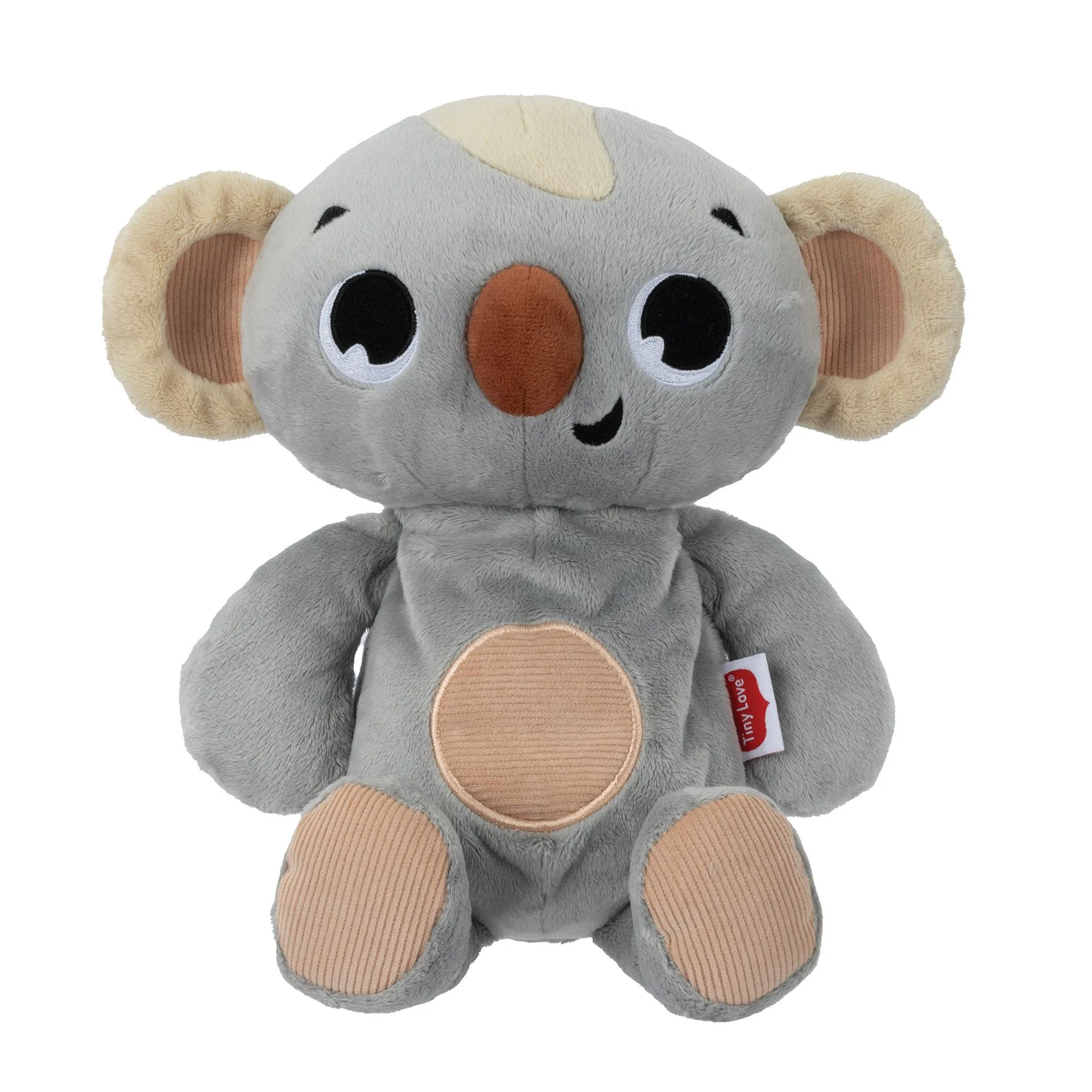
Snuggly Buddy
- DIY sensory bottles: water + glitter + food coloring in a sealed bottle.
- Texture boards: glue different fabrics onto cardboard.
- Shakers: fill small containers with rice or beans and seal tightly.
Use High-Contrast Visuals for Newborns
Newborns see best in black, white, and high-contrast patterns. You don’t have to buy a whole set of black-and-white toys to stimulate their vision. Print out simple black-and-white patterns (stripes, checkerboards, spirals) and tape them to the wall near the changing table or play mat. You can also hang a black-and-white mobile above the play area. The Magical Tales Black & White Gymini is an excellent option because it combines high-contrast visuals with dangling toys that encourage reaching and grasping.
As your baby grows, gradually introduce more colors. Red, yellow, and blue are especially stimulating. You can use colorful scarves, fabric squares, or even painted wooden blocks. The key is to keep the visual field interesting without overwhelming your baby. Rotate the patterns and colors every few days to maintain engagement.
- Print free black-and-white pattern sheets from online resources.
- Hang a mobile or a simple string of black-and-white cards above the play mat.
- Introduce primary colors after 3 months for visual development.
Add Tactile and Auditory Elements on a Budget
Texture is a huge part of sensory play. Collect items with different surfaces: a soft brush, a piece of faux fur, a smooth stone, a bumpy ball, or a silky ribbon. Let your baby feel these while you name the texture (“soft,” “rough,” “smooth”). You can also make a simple sensory bag by filling a ziplock bag with hair gel and a few small objects (seal it with duct tape). Babies love squishing the gel and watching the objects move.
For sound, use everyday items like wooden spoons tapping on pots, a wind chime hung low, or a simple rattle. The Tiny Bugs Spiral Stroller Activity Toy attaches easily to strollers or car seats and offers a variety of textures and sounds, making it a portable sensory tool. You can also play soft music or nature sounds during playtime to create a calming auditory backdrop.
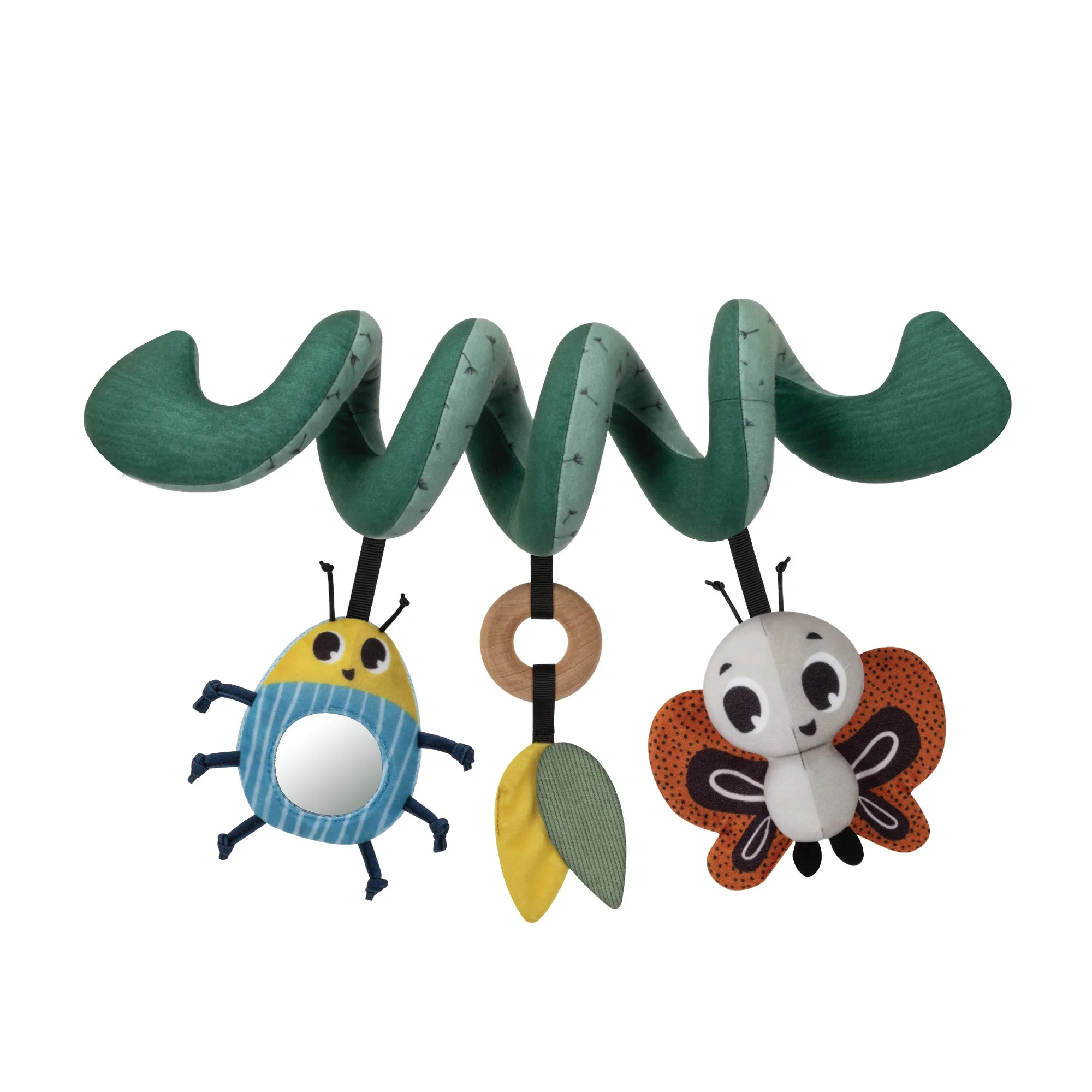
Tiny Bugs Spiral Stroller Activity Toy
- Create a texture basket with household items (sponge, brush, fabric).
- Make a sensory bag with hair gel and small objects in a sealed ziplock.
- Use wooden spoons and pots for DIY drumming.
Incorporate Movement and Gross Motor Play
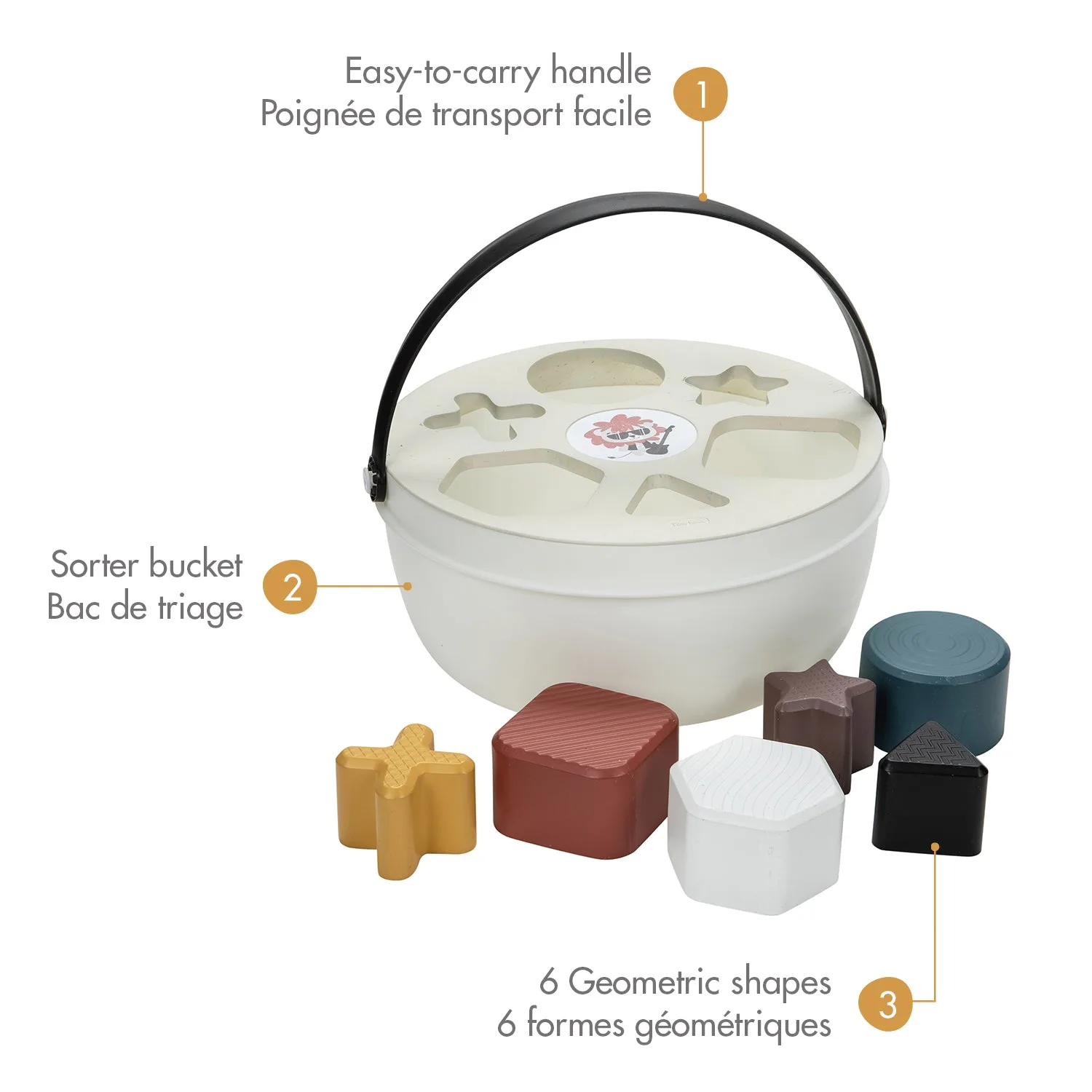
Sensory development isn’t just about sight and sound—movement is crucial. Encourage crawling, rolling, and reaching by placing toys just out of reach. You can create a simple obstacle course using pillows, blankets, and cardboard boxes. For babies who are sitting or standing, a shape sorter like the TINY ROCKER SHAPE SORTER TOY provides both tactile and cognitive stimulation as they figure out which shape fits where.
If you have space, set up a low mirror (safely mounted) so your baby can see their own reflection. This supports self-awareness and visual tracking. You can also hang a lightweight scarf or ribbon from a doorway for your baby to bat at. These activities strengthen muscles and improve coordination while keeping your baby engaged in sensory exploration.
- Use pillows and blankets to create a safe crawling course.
- Place a mirror at floor level for self-discovery.
- Hang a ribbon or scarf for batting and reaching practice.
Rotate Toys and Keep It Simple
One of the most effective ways to maintain a sensory-rich environment without spending more money is to rotate toys. Babies quickly lose interest in the same items day after day. Keep most toys stored away and bring out only a few at a time. Every few days, swap them out. This keeps the play area fresh and exciting without requiring new purchases.
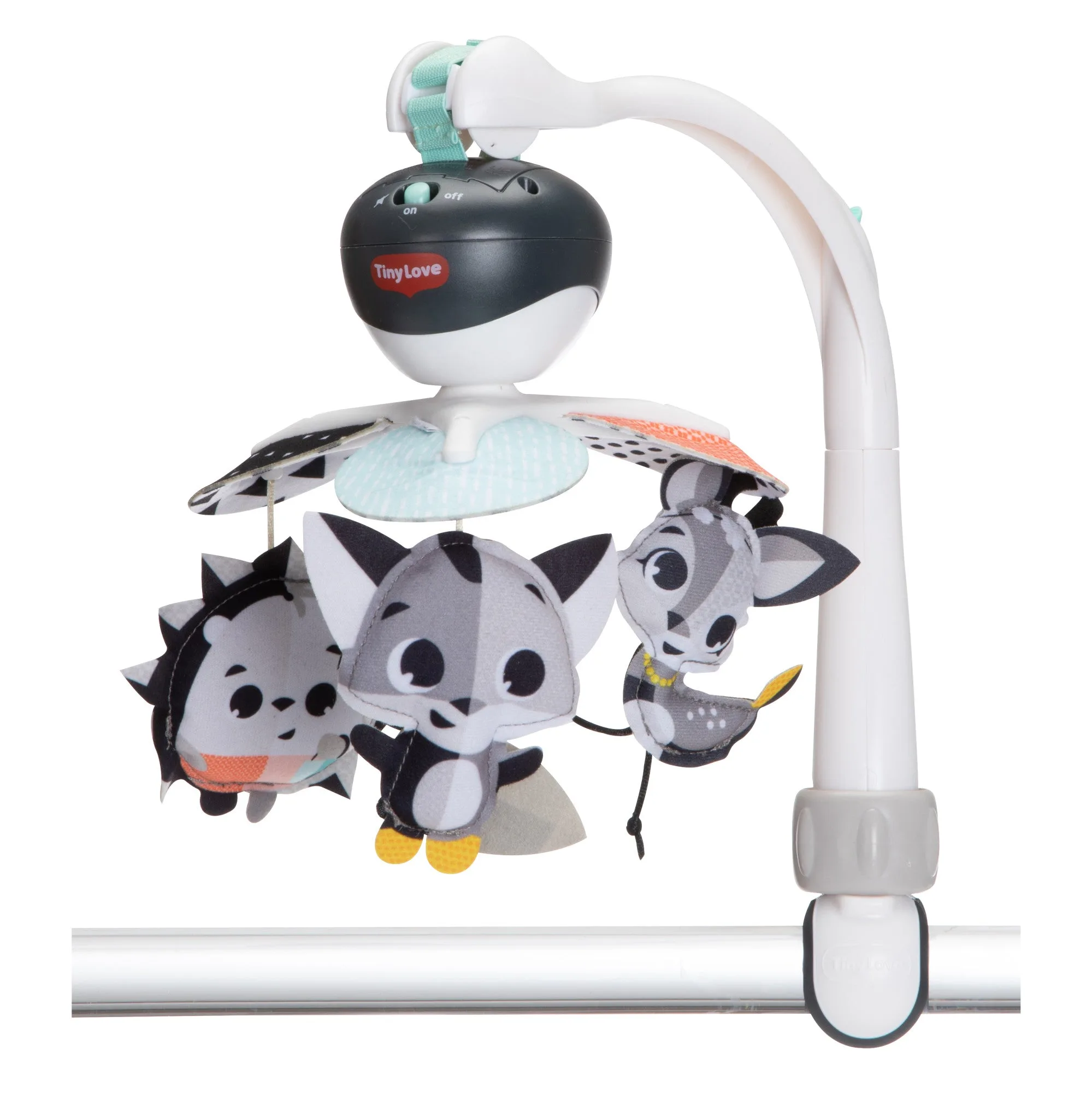
You can also combine DIY items with a few high-quality developmental toys. For example, the Magical Tales Take Along Mobile is a portable option that attaches to car seats and strollers, providing visual and auditory stimulation on the go. By rotating between this mobile and your DIY sensory bottles or texture boards, you create a diverse sensory diet that supports all areas of development.
- Store toys in bins and rotate every 3-4 days.
- Include a mix of DIY and store-bought items for variety.
- Observe which toys your baby gravitates toward and adjust accordingly.
Building a sensory-rich play environment at home doesn’t require a big budget—just a little creativity and intention. By using household items, focusing on high-contrast visuals, adding textures and sounds, and rotating toys regularly, you can support your baby’s sensory development every day. For a trusted, portable option that adds value to your setup, consider the Magical Tales Take Along Mobile—it’s a wonderful way to bring sensory stimulation wherever you go.