Quick answer
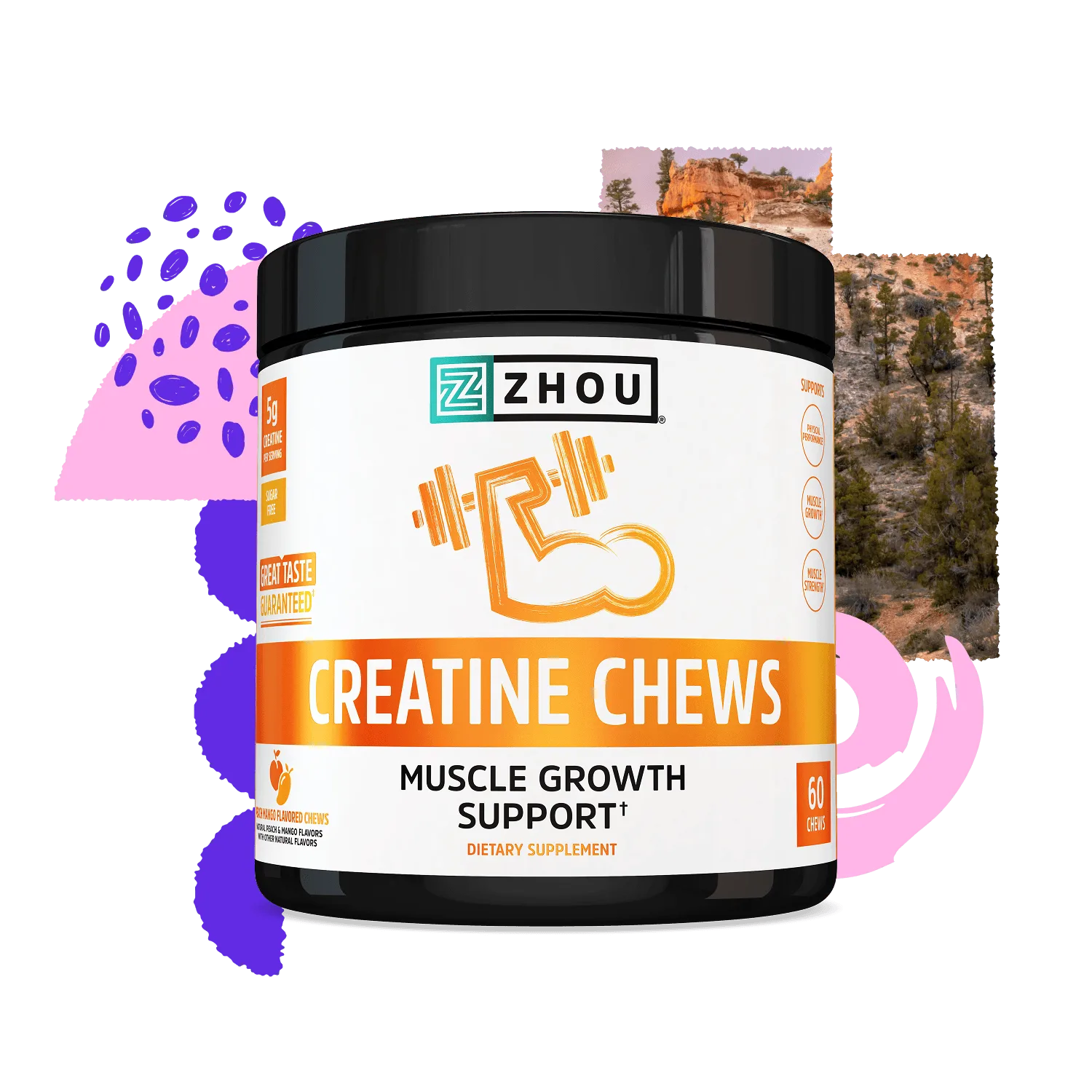
Creatine is widely known for boosting athletic performance, but it may also support brain health and everyday energy. While research is ongoing, many non-athletes use creatine for cognitive benefits and general wellness. Start with a standard dose of 3–5 grams daily and consult your healthcare provider if you have concerns.
When you hear 'creatine,' you probably think of gym-goers and bodybuilders. But this popular supplement is gaining attention for reasons beyond muscle pumps. From supporting mental clarity to maintaining energy throughout the day, creatine is becoming a staple in everyday wellness routines.
Yet with popularity comes confusion. Is creatine safe for women? Does it cause bloating? Do you need to load? We're here to separate fact from fiction and help you decide if creatine deserves a spot in your supplement shelf.
Creatine benefits beyond the gym
Creatine is one of the most studied supplements, and its benefits extend far beyond athletic performance. Research suggests it may support brain health by helping maintain energy levels in brain cells, which could translate to better focus and mental clarity. For non-athletes, this means creatine might be a simple addition to a daily routine aimed at staying sharp and productive.
Additionally, creatine may support overall energy production in the body. While athletes use it to power through intense workouts, everyday individuals might notice improved stamina during busy days, whether you're chasing kids, working long hours, or just trying to keep up with life's demands.
- Creatine is not just for athletes—it's for anyone wanting to support daily energy and brain function.
- Start with a standard 3–5 gram daily dose and be consistent for best results.
Creatine myths busted: what's true and what's not
One common myth is that creatine causes kidney damage. For healthy individuals, standard doses are considered safe, but if you have pre-existing kidney issues, always consult a doctor. Another myth is that creatine is only for men. Women can benefit too, especially for maintaining muscle mass and supporting cognitive health.
Another misconception is that you must 'load' creatine with a high-dose phase. While loading can saturate your muscles faster, a simple daily dose of 3–5 grams works just as well over time. And no, creatine doesn't automatically cause bloating—staying hydrated and choosing the right form can minimize any discomfort.
- Creatine is safe for healthy adults at recommended doses, but check with your doctor if you have kidney concerns.
- Skipping the loading phase is perfectly fine—consistency matters more.
Creatine dosage and side effects: what you need to know
The most common dosing recommendation is 3–5 grams per day. Some people split the dose to reduce stomach upset, but taking it all at once with water is usually fine. It's best to take creatine at the same time each day to build a habit, whether that's morning or post-workout.
Side effects are generally mild and rare. The most reported are stomach discomfort and water retention. To minimize these, stay well-hydrated and consider starting with a smaller dose and gradually increasing. If you experience any unusual symptoms, stop and talk to a healthcare professional.
- Take creatine with plenty of water to stay hydrated and reduce the risk of stomach upset.
- If you're new to creatine, start with a lower dose and work up to 3–5 grams daily.
Creatine myths: our verdicts
- Creatine is only for athletes: False. Creatine can support brain health and everyday energy, making it useful for non-athletes too. Consider creatine as a general wellness supplement, not just a gym product.
- Creatine is unsafe for women: False. Women can benefit from creatine for muscle maintenance and cognitive support, and it's generally safe at recommended doses. Women can safely include creatine in their routine, but always consult a healthcare provider.
- Creatine causes kidney damage: False for healthy individuals when taken at standard doses. Those with pre-existing kidney issues should seek medical advice. Stick to 3–5 grams daily and get medical clearance if you have kidney concerns.
How Primal Harvest can support your wellness routine
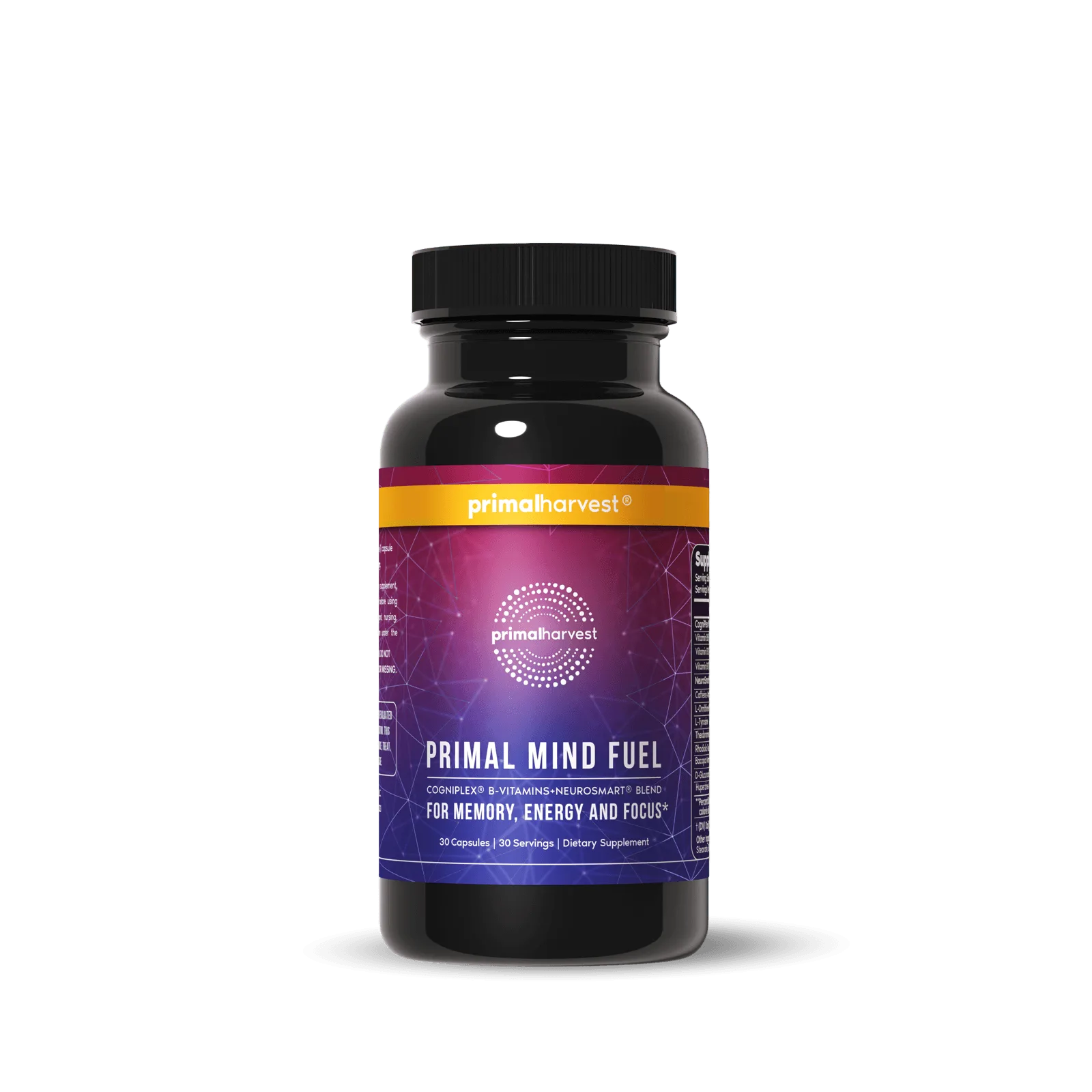
- Primal Mind Fuel: Formulated with nootropics and adaptogens, Primal Mind Fuel promotes focus, boosts mental clarity, and enhances productivity—helping you achieve a flow state for your busiest days.* If you're interested in brain health benefits like those associated with creatine, Primal Mind Fuel offers a complementary blend of nootropics and adaptogens to support daily mental performance.
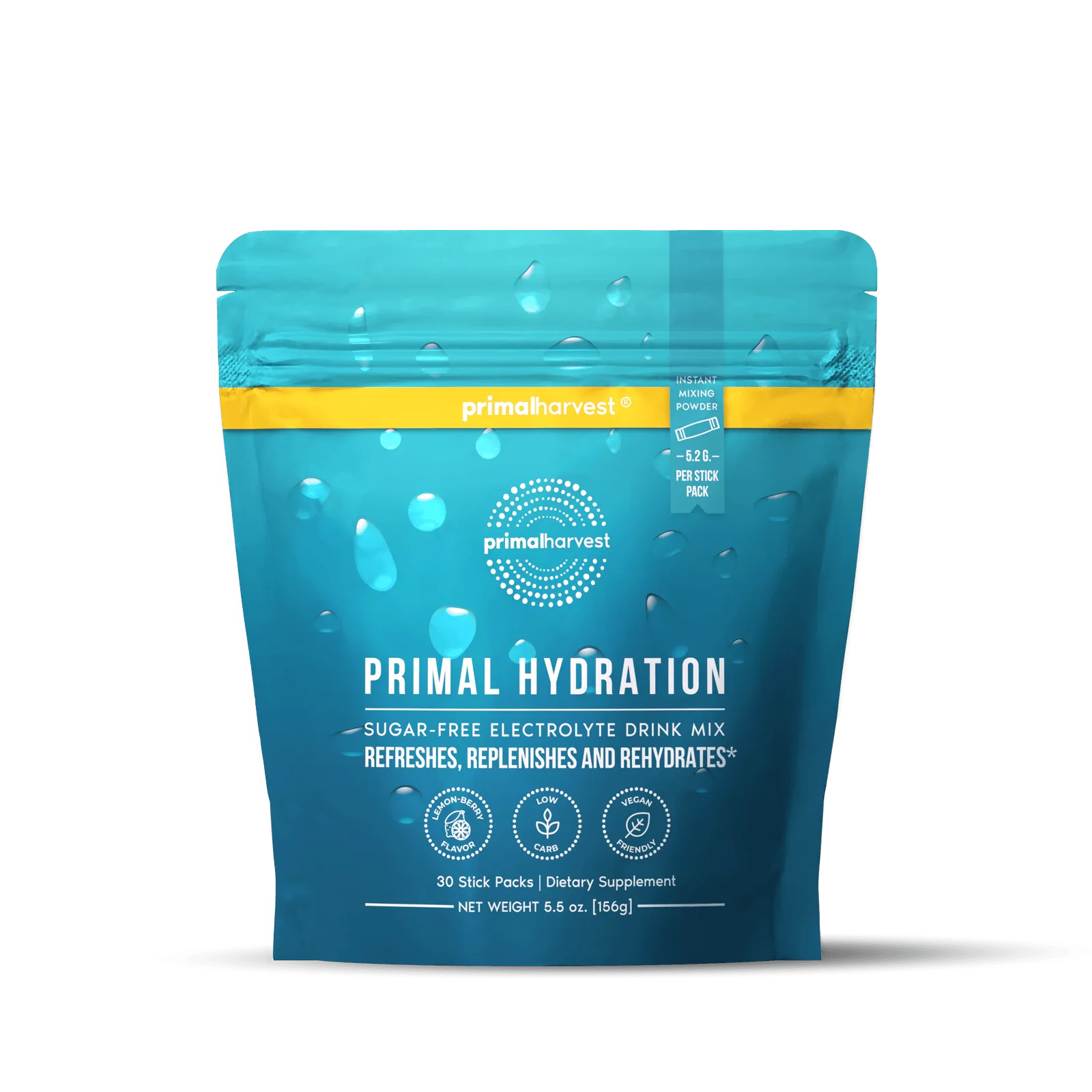
- Primal Hydration: Expert-formulated with electrolytes like sodium, magnesium, potassium, and calcium, Primal Hydration combats dehydration to keep you replenished, energized, and ready for your day.* Staying hydrated is key when taking creatine. Primal Hydration provides electrolytes that support fluid balance, helping you avoid dehydration and maintain energy throughout the day.
Creatine is more than a sports supplement. With potential benefits for brain health and daily energy, it's worth considering for anyone looking to support their overall wellness. As with any supplement, consistency and proper hydration are key. If you're curious about adding creatine to your routine, talk to your healthcare provider to see if it's right for you.