Why Creatine Myths Persist
Creatine is one of the most researched sports supplements, but misinformation still circulates, especially about newer forms like gummies. Some claims are exaggerated, while others are simply wrong. This article separates the supported facts from the fiction, using available product evidence as a reference.
Myth 1: Creatine Gummies Are Less Effective Than Powder
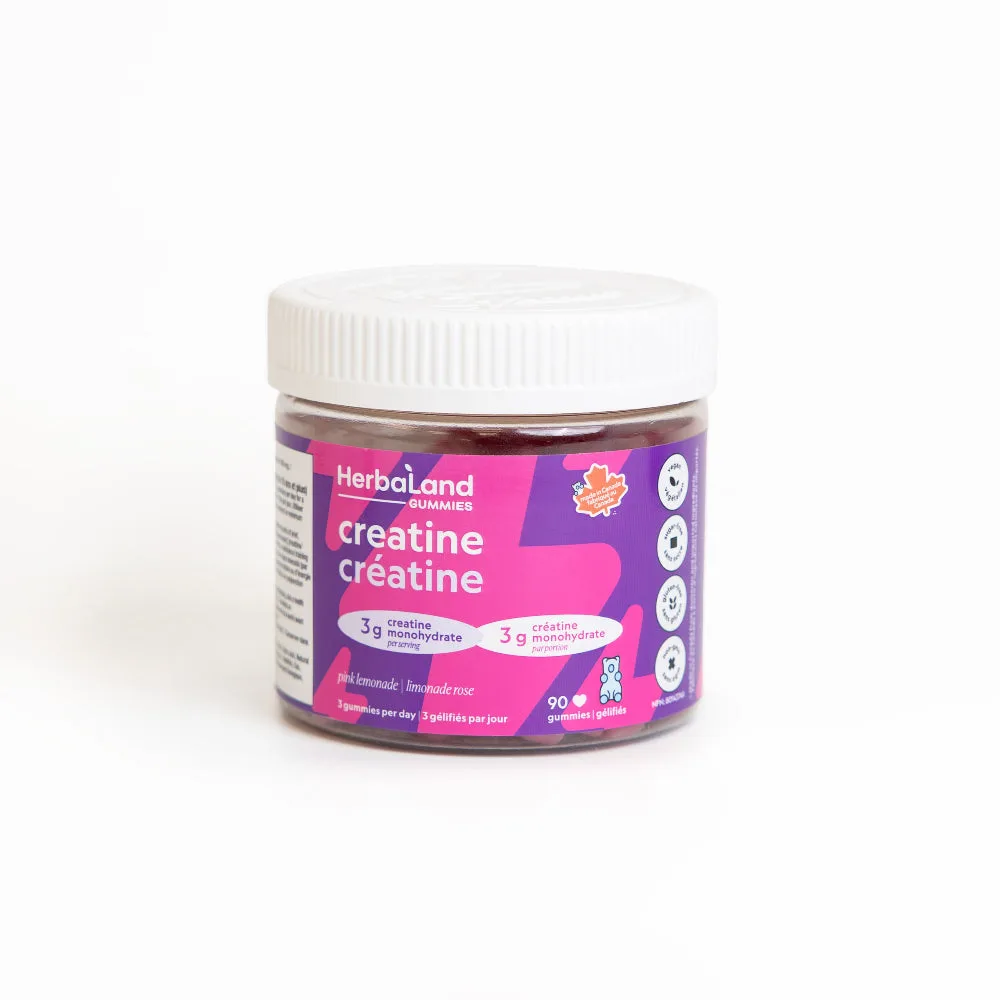
The key measure of effectiveness is the dose of creatine monohydrate per serving. The Herbaland Creatine Gummy delivers 3 g of creatine monohydrate per serving, the same clinically studied dose used in powder form. There is no supplied evidence suggesting that the gummy form reduces absorption or effectiveness. The main difference is convenience: no mixing, no chalky aftertaste, and a portable format.
What the Creatine Gummy Delivers
-
Creatine: 3 g of creatine monohydrate per serving, the same form used in most clinical studies. This matches the standard effective dose for supporting muscle strength and exercise performance, regardless of delivery format.
Creatine
-
Creatine: Creatine monohydrate is one of the most extensively studied sports supplements, with strong evidence supporting increased high-intensity exercise capacity and gains in lean body mass during training. The scientific backing applies to the ingredient itself, not just a specific powder or capsule.
Myth 2: Creatine Causes Dangerous Water Retention
Creatine does draw water into muscle cells, which can cause a small increase in body weight. This is a normal physiological effect, not dangerous water retention. The available evidence does not support claims of harmful bloating or dehydration. Staying adequately hydrated is always good practice during exercise, but creatine itself does not cause dehydration.
Myth 3: You Need to Cycle Creatine or Take a Loading Phase
Some sources recommend a loading phase of 20 g per day for a week, followed by a maintenance dose. However, the supplied product information does not include any loading or cycling instructions. A standard approach is to take 3 g daily (one serving of the gummy) without a loading phase. This is effective and avoids digestive upset sometimes associated with high doses. The absence of a loading protocol in the product evidence suggests it is not required.
Myth 4: Creatine Only Works for Bodybuilders
The product is labeled 'Best For: Athletes, gym-goers, and active adults.' This includes anyone engaged in high-intensity exercise, not just bodybuilders. Runners, swimmers, and recreational gym users can also benefit from improved exercise capacity and recovery. The key is that you are doing activities that require short bursts of energy, where creatine's role in ATP production is most helpful.
Myth 5: Creatine Gummies Are Just Expensive Candy
While the taste is a noticeable advantage (pink lemonade flavor, vegan gummies), the product contains a clinically relevant dose of creatine monohydrate. The higher cost compared to bulk powder reflects the convenience and formulation, not a lack of efficacy. For people who dislike mixing powders or struggle with the taste, a gummy can improve consistency, which is a real factor in results.
What the Evidence Doesn't Cover
The supplied product records do not include specific timing recommendations (e.g., pre- or post-workout), nor do they specify a maximum daily dose beyond the serving size. Individual responses to creatine can vary. The available information confirms the ingredient's general safety and efficacy but does not replace personalized advice from a healthcare provider or sports nutritionist.