Creatine is one of the most researched and effective supplements for improving strength, power, and muscle mass. But when you start taking it, you'll often hear conflicting advice: some say you must do a loading phase with high doses for a week, while others claim you can simply take a maintenance dose and skip the loading entirely. So, what's the truth?
In this practical guide, we'll break down what creatine loading really is, whether it's necessary, and how to choose the best approach for your goals. We'll also look at how to combine creatine with other supplements to maximize your results.
What Is Creatine Loading?
Creatine loading is a protocol where you take a higher dose of creatine for a short period (usually 5–7 days) to rapidly increase the creatine content in your muscles. The typical loading dose is 20 grams per day, divided into 4 doses of 5 grams each. After the loading phase, you switch to a maintenance dose of 3–5 grams per day.
The goal of loading is to saturate your muscles with creatine faster than taking a maintenance dose from day one. Studies show that loading can increase muscle creatine levels by about 20% within a week, whereas a maintenance-only approach may take 3–4 weeks to achieve similar saturation. However, the end result is the same: once your muscles are saturated, you experience the full benefits of creatine, such as improved strength and increased muscle volume.
- Loading phase: 20g/day for 5-7 days, then 3-5g/day maintenance
- No-loading approach: 3-5g/day consistently, reaching saturation in 3-4 weeks
Creatine Loading vs. No Loading: What's the Difference?
The main difference between loading and not loading is the speed at which you reach creatine saturation. With loading, you see results faster—often within a week. This can be beneficial if you have an upcoming competition or want to feel the effects sooner. On the other hand, skipping the loading phase means you'll reach the same saturation eventually, just more slowly.
There are also practical considerations. Loading requires taking multiple doses throughout the day, which can be inconvenient and may cause gastrointestinal discomfort in some people. The no-loading approach is simpler and generally well-tolerated. For most people, the choice comes down to personal preference and timing needs.
- Loading: faster saturation, but may cause bloating or stomach upset
- No loading: easier on the stomach, but takes longer to see full benefits
Is Creatine Loading Necessary?
The short answer is no. Creatine loading is not necessary for everyone. If you're willing to wait a few weeks for your muscles to become fully saturated, you can simply take a maintenance dose of 3–5 grams daily and still enjoy all the benefits of creatine. Research shows that both protocols lead to the same level of saturation eventually.
However, loading can be useful if you want to experience the performance-enhancing effects sooner, such as during a short-term training block or before a competition. If you're just starting out and want to keep things simple, skipping the loading phase is perfectly fine. The key is to be consistent with your daily intake.
- Loading is optional—maintenance dosing works too
- Consider loading if you need results quickly
- Consistency matters more than the protocol
How to Do a Creatine Loading Phase (Protocol)
If you decide to try creatine loading, here's a simple protocol: take 5 grams of creatine monohydrate four times a day for 5–7 days. Spread the doses throughout the day to avoid stomach discomfort. After the loading phase, reduce to a maintenance dose of 3–5 grams per day.
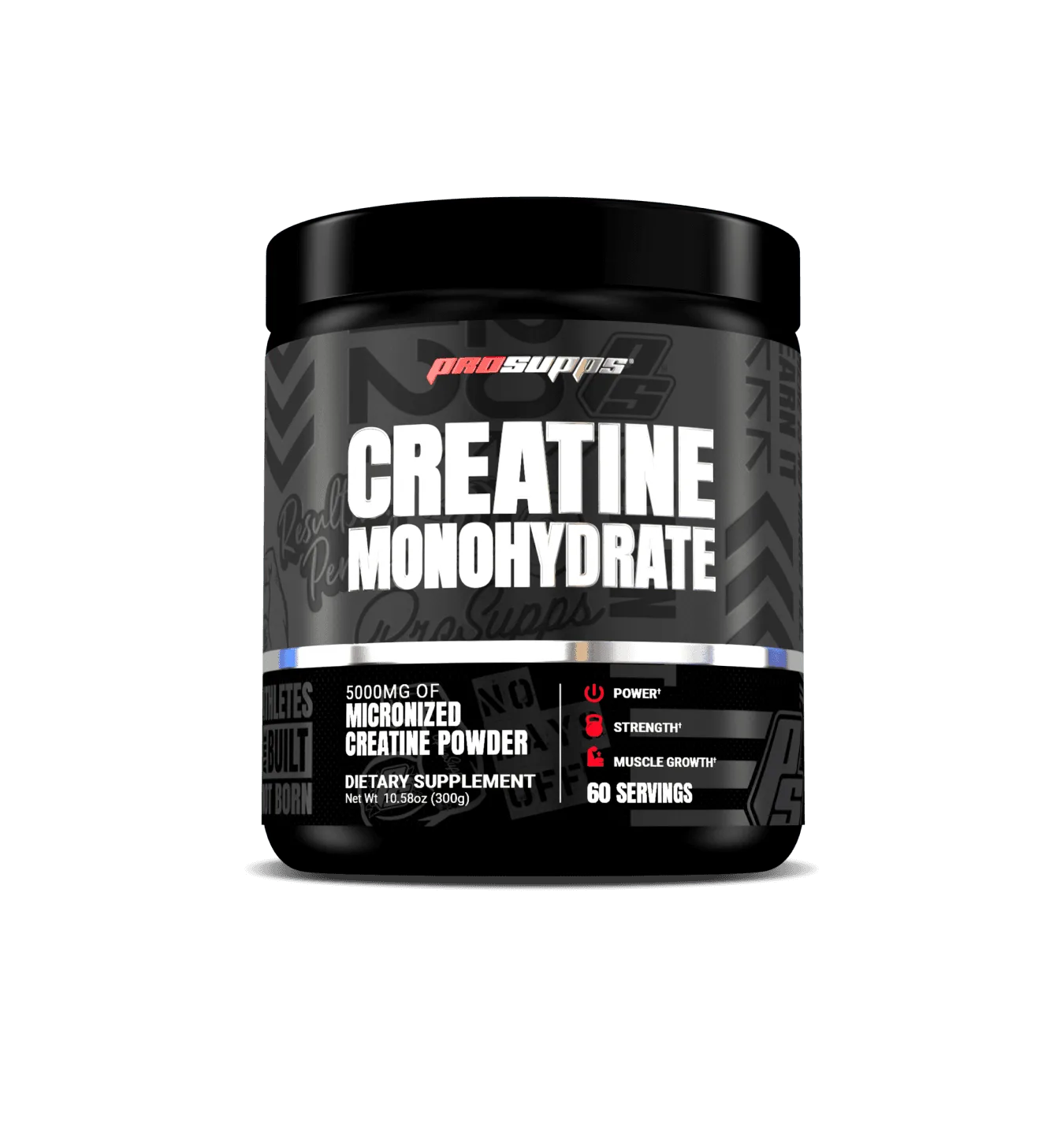
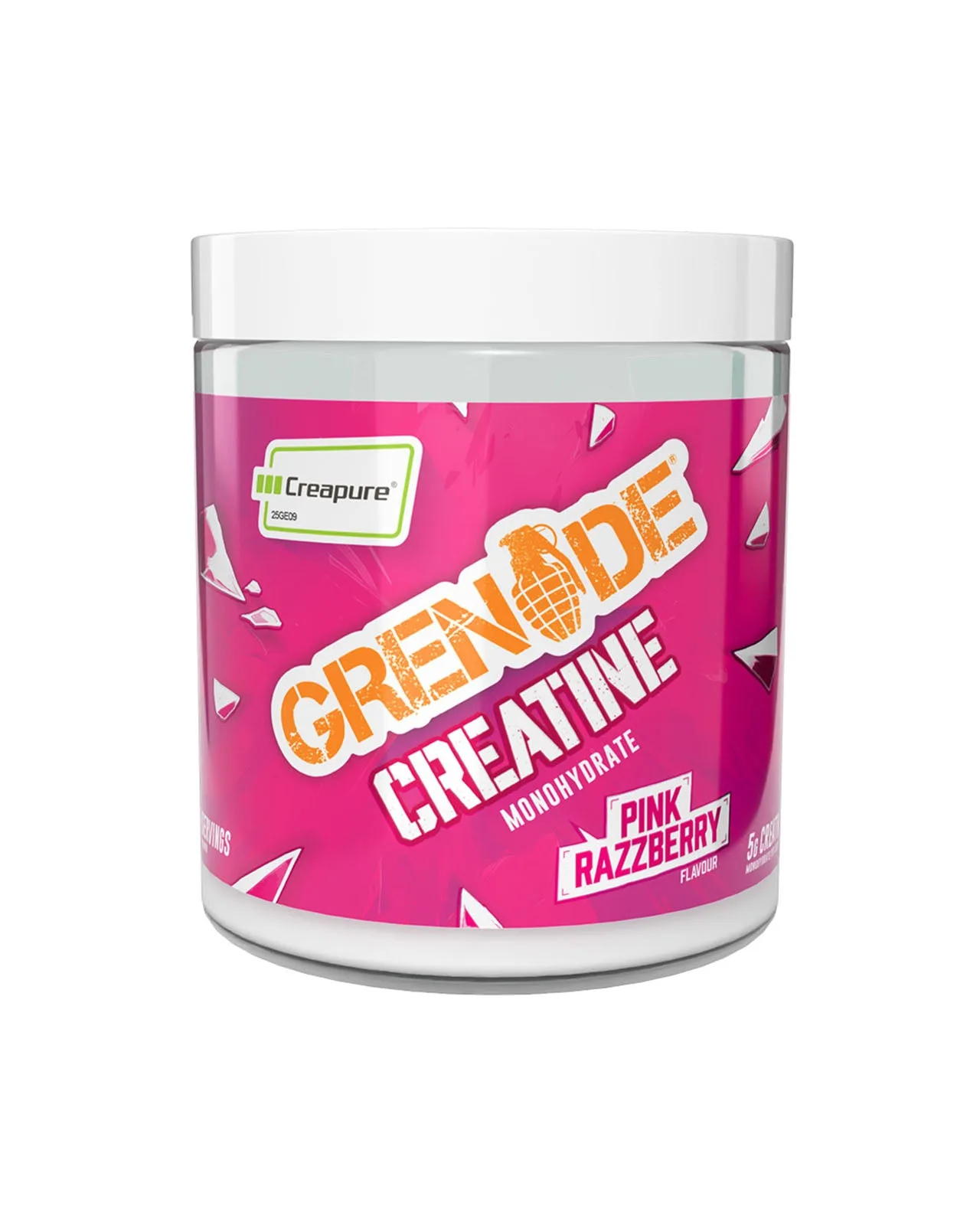
creatine monohydrate
It's important to stay well-hydrated during loading, as creatine draws water into your muscles. Also, consider taking your creatine with a meal or a carbohydrate-containing drink to enhance absorption. Many people find it easy to mix creatine into a protein shake or pre-workout.
- Take 5g four times daily for 5-7 days
- Stay hydrated to minimize cramping
- Pair with carbs or protein for better uptake
Creatine Loading Benefits: What to Expect
The main benefit of creatine loading is that you can increase your muscle creatine stores quickly, which can lead to faster improvements in strength and power. Within a week of loading, you may notice you can lift heavier or perform more reps. This can be motivating and help you make the most of a short training cycle.
Another benefit is that loading can cause a rapid increase in water retention within muscles, which may give you a fuller, more 'pumped' appearance. While this is temporary, it can be a nice psychological boost. However, it's important to remember that these effects are not permanent—they simply indicate that your muscles are saturated.
- Faster strength and power gains
- Increased muscle fullness
- Motivational boost during training
Practical Tips for Creatine Loading
If you're new to creatine, you might wonder which form to choose. Creatine monohydrate is the most studied and effective form, and it's also the most affordable. Look for a high-quality product like the Creatine Monohydrate Dual Tub from ProSupps, which offers a pure, micronized creatine that mixes easily.
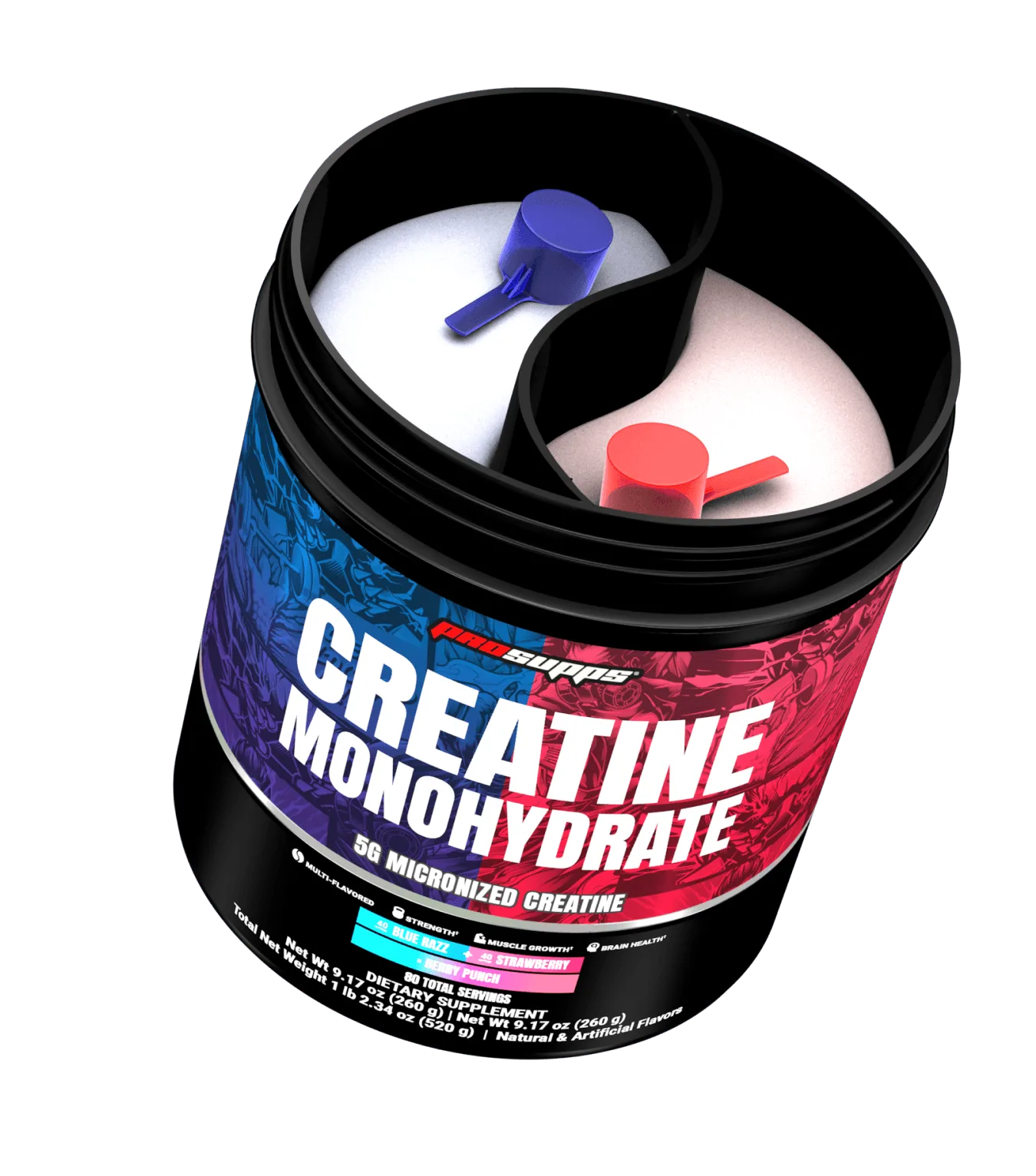
Creatine Monohydrate Dual Tub
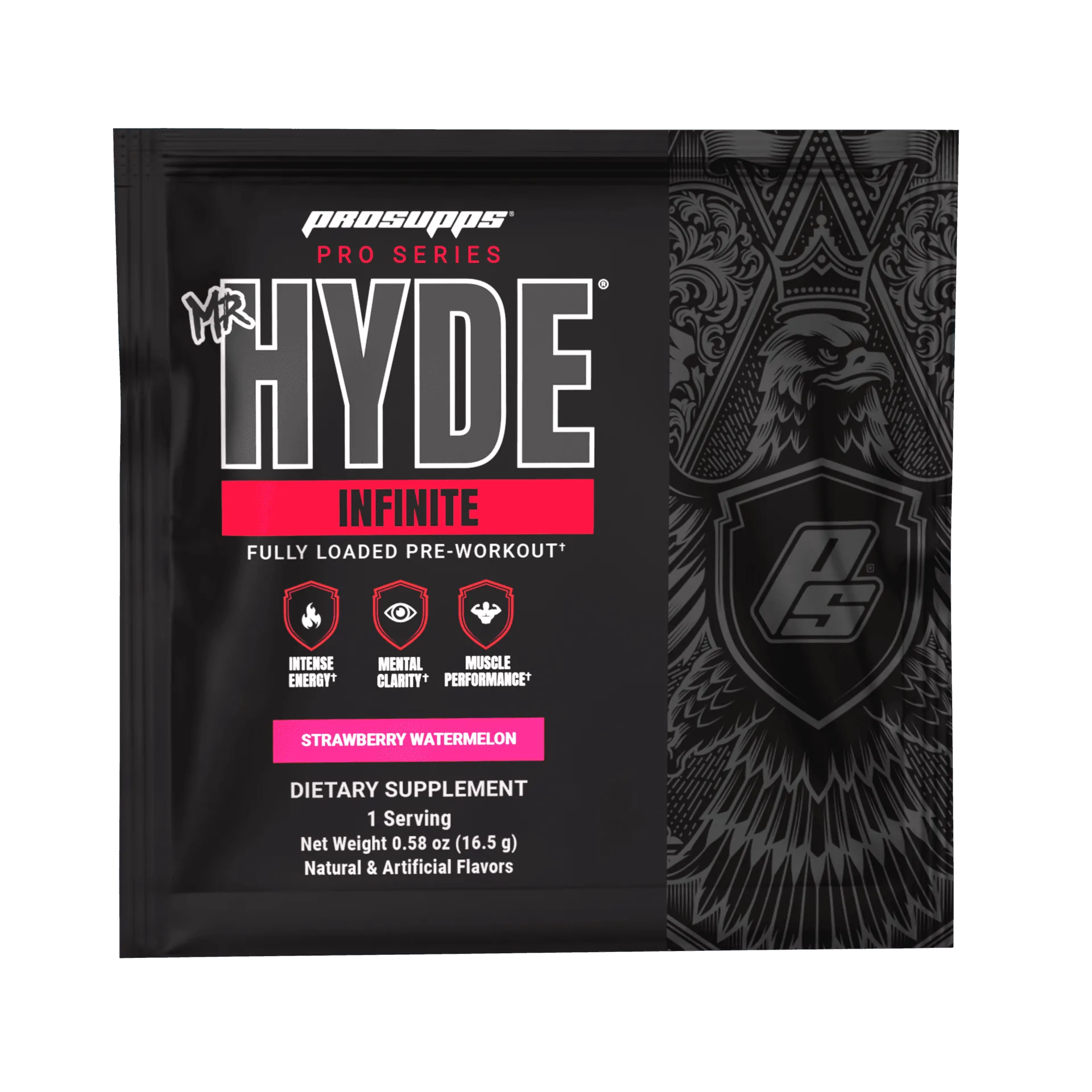
You can also combine creatine with other supplements to enhance your results. For example, taking creatine alongside a pre-workout like Mr. Hyde Infinite Fully Dosed Pre-Workout can give you an extra boost of energy and focus for your training sessions. Just be sure to follow the recommended dosages.
- Choose creatine monohydrate for best results
- Consider stacking with pre-workout for enhanced performance
- Be consistent with your daily intake
Common Mistakes to Avoid During Creatine Loading
One common mistake is taking too much creatine, thinking more is better. This can lead to stomach cramps and diarrhea. Stick to the recommended 20 grams per day during loading, and don't exceed the maintenance dose afterward.
Another mistake is neglecting hydration. Creatine increases water needs, so drink plenty of fluids throughout the day. Also, avoid taking creatine with caffeine, as some research suggests it may interfere with absorption, though this is still debated. To be safe, take creatine at a different time than your caffeinated pre-workout.
- Don't exceed 20g/day during loading
- Drink extra water
- Separate creatine from high-caffeine products
Creatine and Your Overall Supplement Stack
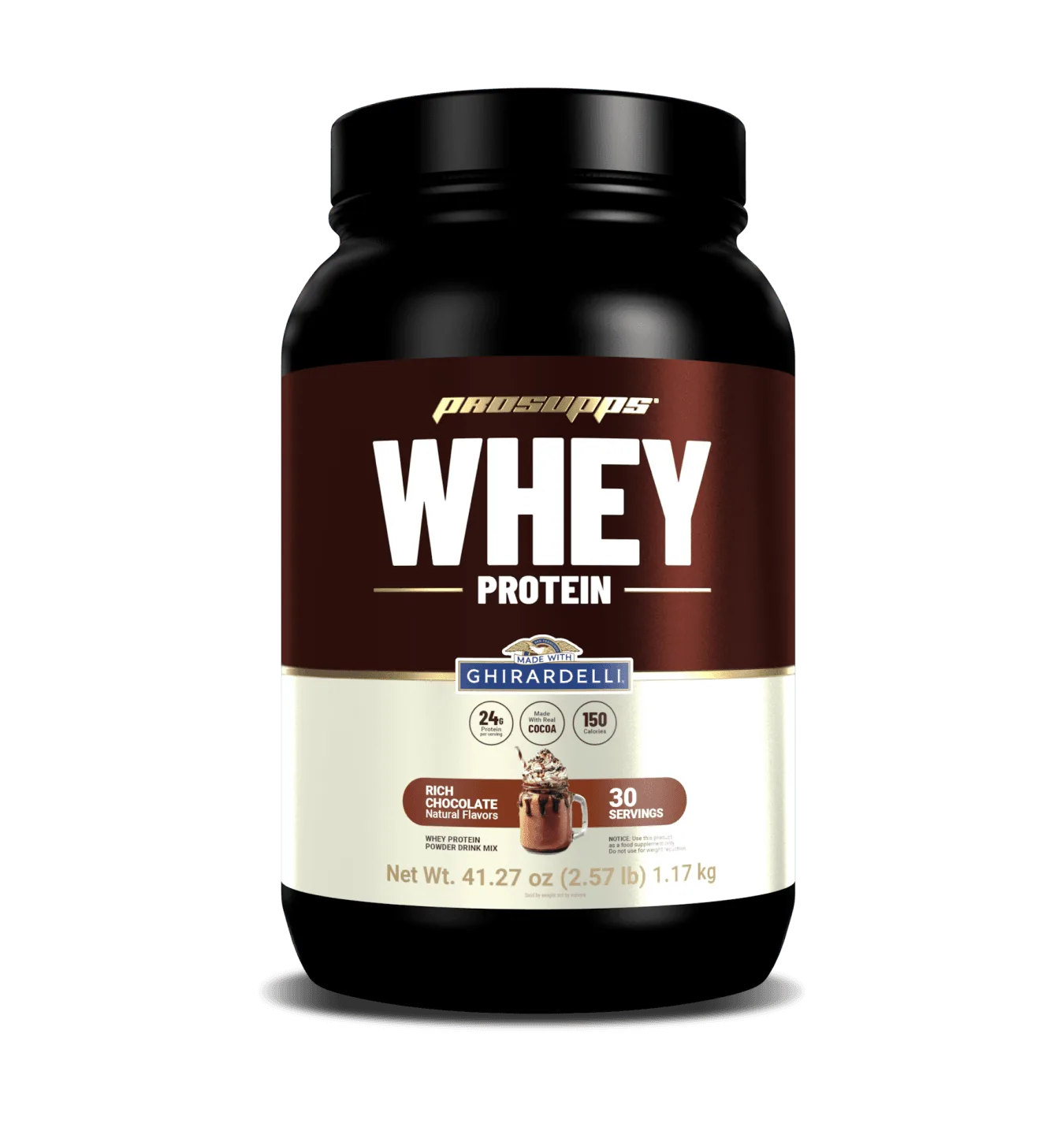
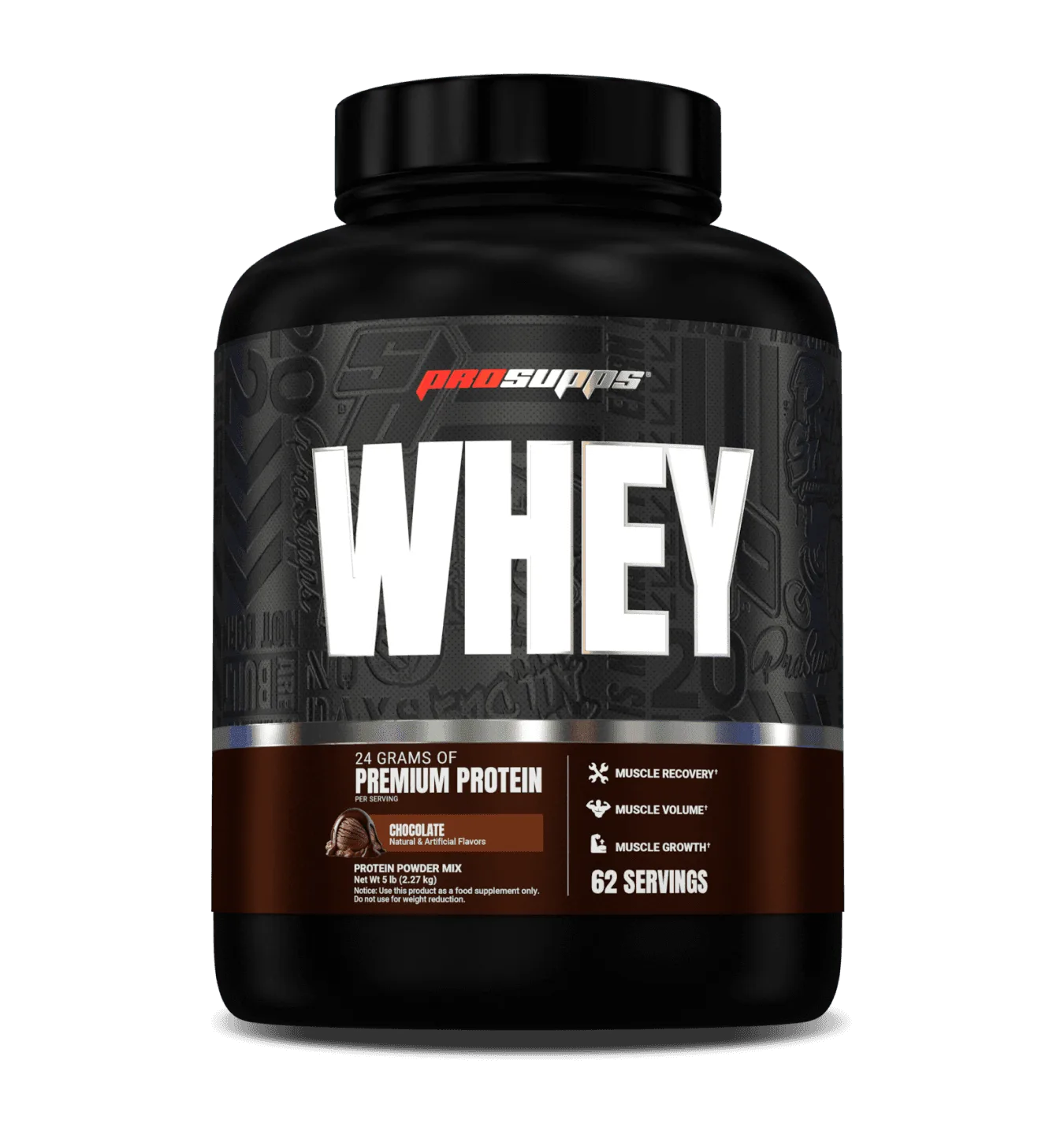
Creatine works well with other supplements to support your fitness goals. For example, combining creatine with a quality protein powder like the ProSupps Whey Protein Featuring Premium Ghirardelli® Cocoa can help you meet your daily protein needs and support muscle repair. You can even mix creatine into your protein shake for convenience.
If you're looking for a complete solution, consider the Jekyll & Hyde Advanced Stack, which includes both a pre-workout and a stim-free option. This stack is designed to cover both high-intensity and moderate training days, and adding creatine to your routine can further enhance your performance.
- Pair creatine with protein for muscle building
- Use a pre-workout stack for comprehensive training support
- Creatine is versatile and mixes well with many supplements
In summary, creatine loading is not necessary, but it can be a useful strategy if you want to saturate your muscles quickly. Whether you choose to load or not, the most important thing is to take creatine consistently every day. For a high-quality creatine supplement, check out the Creatine Monohydrate Dual Tub from ProSupps and start your journey to better performance.