Quick answer
Choose loading if you want muscle creatine stores saturated as fast as possible and don't mind taking about 20 g per day for 5–7 days; choose maintenance-only if you prefer a simpler routine and accept that saturation takes roughly 3–4 weeks. Loading is not mandatory. Both approaches end at the same place: a daily maintenance dose of about 3–5 g of creatine monohydrate.
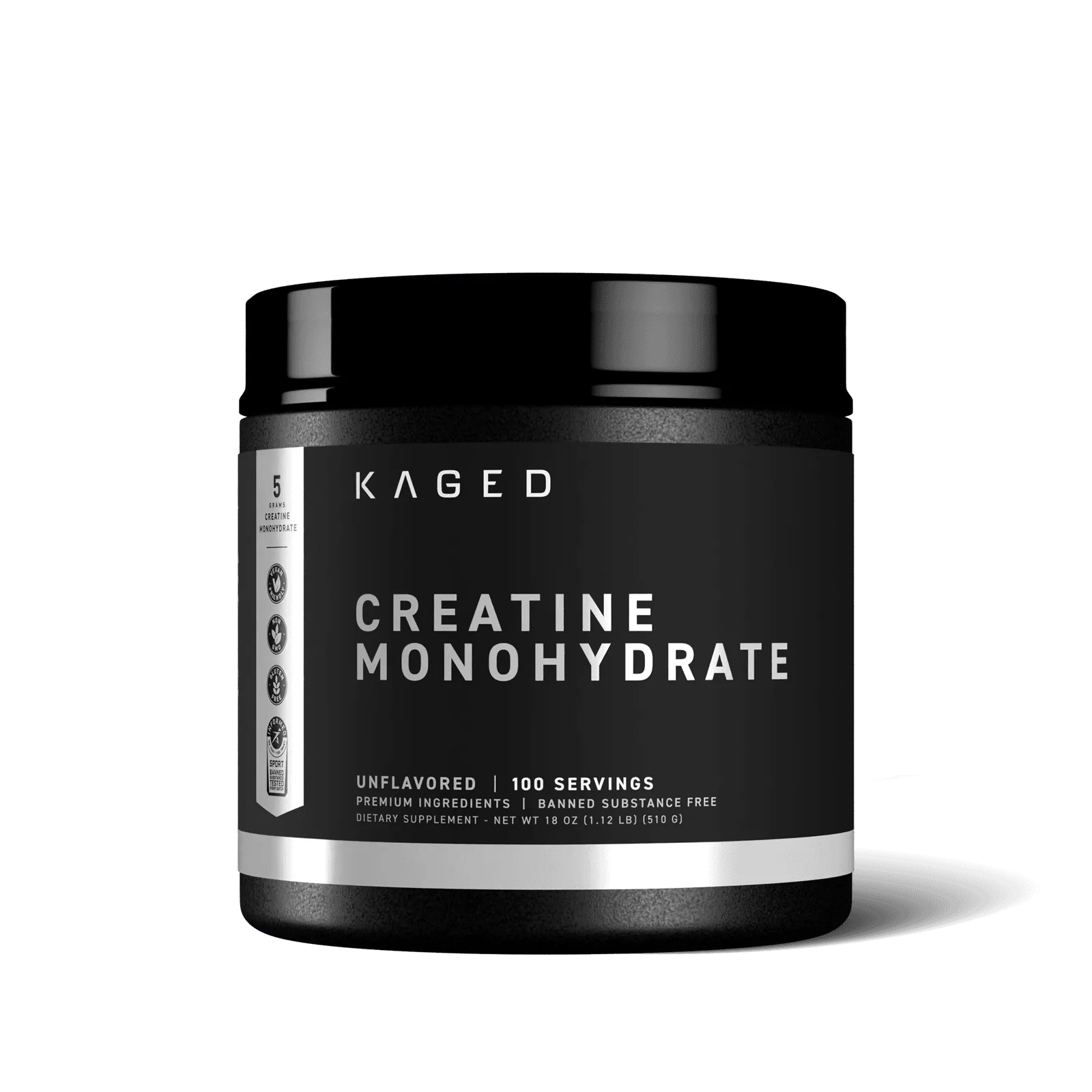
creatine monohydrate
What the loading phase actually looks like
A creatine loading phase splits roughly 20 g per day into four 5 g servings across the day for 5–7 days. Splitting the dose is a practical choice, not a requirement: it keeps each serving small and easier on the stomach. After the loading week, you drop to maintenance. The purpose is speed — you reach saturation in days instead of weeks, which matters if a competition, a testing block, or a hard training camp is close.
- Typical loading: ~20 g/day split into 4 servings for 5–7 days
- Then transition to 3–5 g/day maintenance
- Main benefit: fastest route to saturated muscle creatine stores
- Main cost: more scoops per day and a higher chance of temporary GI discomfort
What maintenance-only looks like
Maintenance-only skips the high-dose week and starts at 3–5 g per day. You still reach the same saturation point; it simply takes about 3–4 weeks instead of under a week. The appeal is routine simplicity: one scoop, once a day, no counting four servings. If you are not chasing a near-term event, the slower ramp is usually the easier habit to keep.
- Typical maintenance: 3–5 g/day, every day
- Time to saturation: roughly 3–4 weeks
- Main benefit: one daily serving, minimal disruption
- Main cost: slower onset if you wanted results this week
How to build a creatine dosing schedule you will actually follow
Timing matters less than consistency. Pick an anchor you already do every day — morning coffee, post-workout shake, or brushing your teeth — and attach the dose to it. On rest days, keep the dose the same; creatine works by keeping muscle stores topped up, not by being present only on training days. If you load, set a phone reminder for each of the four daily servings during the loading week, then delete three of them once you switch to maintenance.
Hydration deserves a mention because it is the variable people most often neglect. Creatine draws water into muscle tissue, so drink normally and don't slash fluids. If you feel bloated or cramped during loading, splitting servings more evenly or taking them with food usually helps. None of this changes the total daily amount — it only changes how comfortably you get there.
Do you need to load creatine? The honest answer
No. Loading is a shortcut to the same destination, not a superior method. The research-backed outcome — saturated muscle creatine — is reached either way. Load if the calendar demands it; skip it if you would rather not manage four servings a day. The one thing that does matter is staying consistent after you reach maintenance, because stopping returns you toward baseline over time.
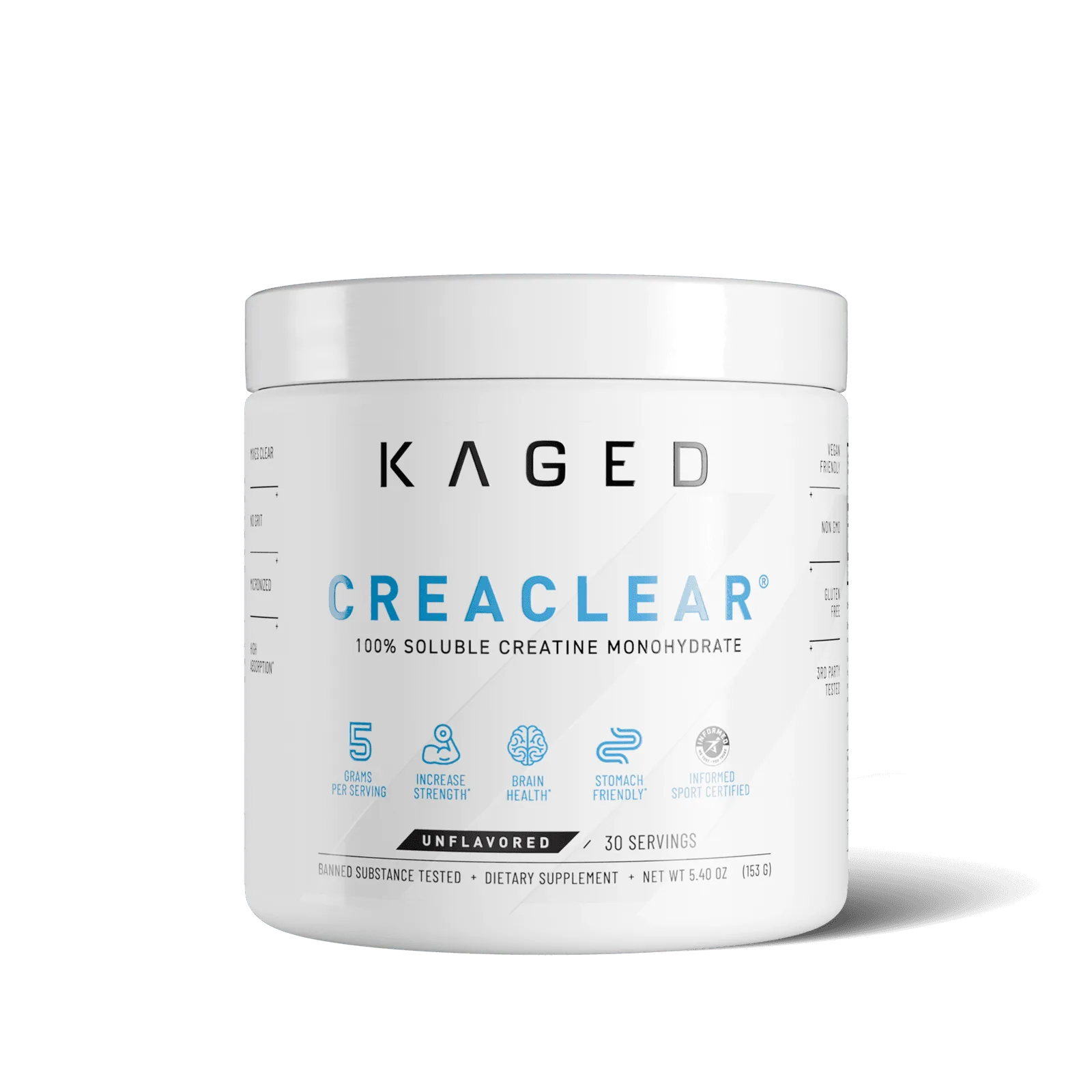
Form choice can make consistency easier. CreaClear is a patented form of creatine monohydrate that mixes clear in water, which some people find more pleasant to drink daily than gritty powder. That is a preference and adherence factor, not a dosing shortcut — you still follow the same loading or maintenance amounts.
Loading vs maintenance: trade-offs at a glance
- Speed to saturation: Loading reaches saturated muscle creatine stores in 5–7 days; maintenance-only takes roughly 3–4 weeks to get to the same place. Pick loading only when a near-term event justifies the extra daily servings.
- Daily effort: Loading means about 20 g per day split into four servings; maintenance is a single 3–5 g serving. If adherence is your weak point, maintenance-only is the more sustainable plan.
- Tolerability: Large single doses are more likely to cause temporary GI discomfort; smaller, split servings or taking creatine with food usually reduces it. Loading does not have to mean one giant scoop — spread it out.
- Long-term outcome: Both approaches converge on the same maintenance dose of about 3–5 g per day, and consistency after saturation is what preserves the benefit. Choose the on-ramp you will actually stick with, then stay on maintenance.
Products that fit each approach
- CreaClear™: CreaClear is a patented form of creatine monohydrate that mixes 100% clear in water, with the same proven creatine monohydrate and smarter delivery. If you struggle to drink gritty creatine daily, a clear-mixing monohydrate makes the maintenance habit easier to keep — and the same product works for a loading phase.
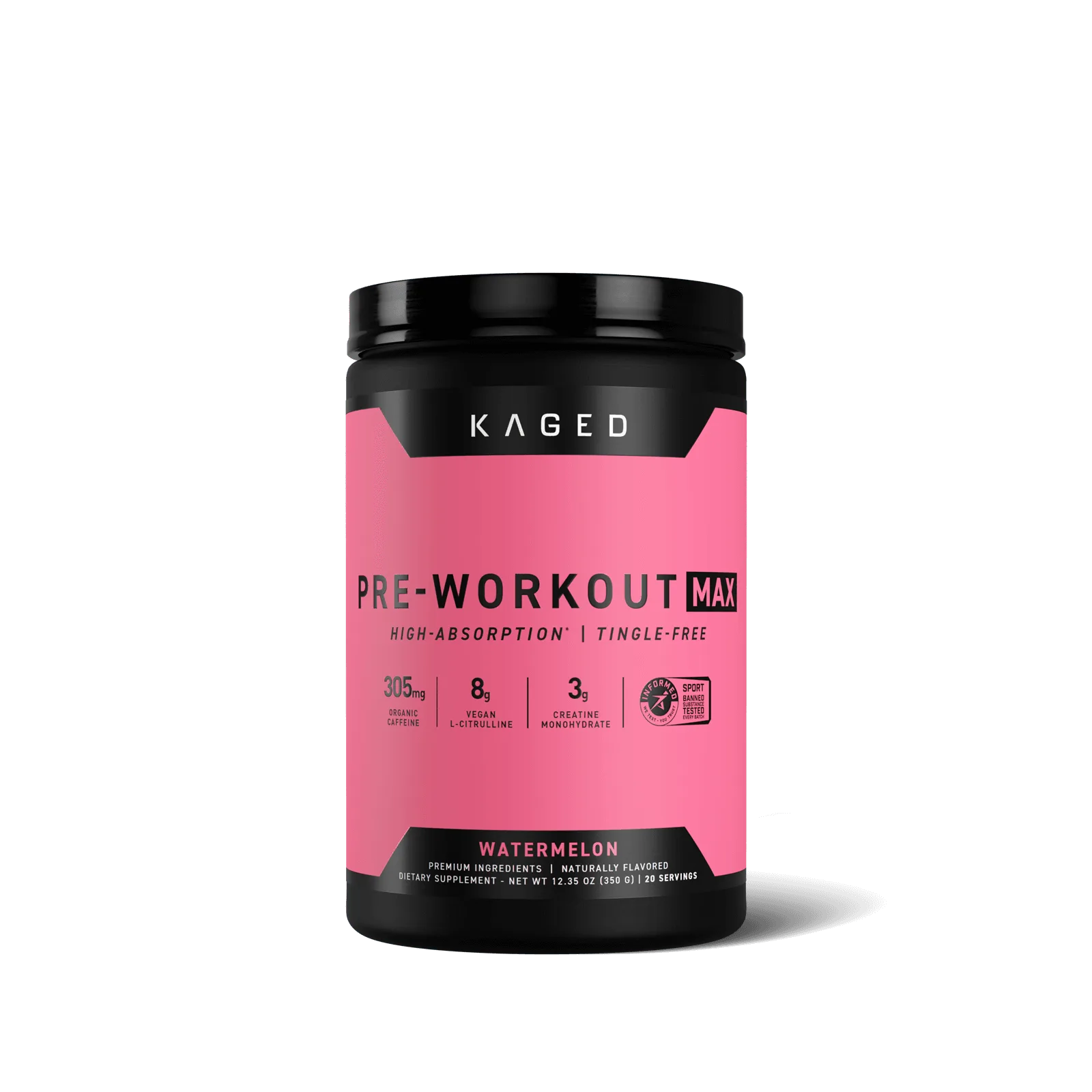
- Pre-Workout Max: Pre-Workout Max delivers clean energy, enhanced blood flow, and better absorption from MAXCatalyst, without the crash, jitters, or tingles. Creatine and pre-workout solve different problems and can be stacked; if you already take a pre-workout, keep your creatine dose separate so you can track the total.
- Elite Performance Stack: The Elite Performance Stack pairs Pre-Workout Elite, formulated with 21 science-backed ingredients at premium doses, with Protein Isolate Elite. A stack bundles training-day support, but it does not replace a standalone creatine monohydrate dose — check what is included before assuming creatine is covered.
Which approach fits you?
Best for
- Athletes with a competition, testing block, or training camp within the next one to two weeks
- People who want to reach full creatine saturation as quickly as possible and can manage four daily servings
- Lifters who previously used creatine, stopped, and want to reload stores fast before a new program
Not for
- Anyone who knows they will not keep up with four servings a day — maintenance-only reaches the same saturation with less friction
- People prone to stomach discomfort from large single doses, unless they split servings or take them with food
- Beginners with no near-term event who would rather build one simple daily habit first