Creatine monohydrate is one of the most researched and effective supplements for increasing strength, power, and lean muscle mass. Yet, despite decades of scientific backing, myths and confusion still surround its use. Whether you're a seasoned athlete or just starting your fitness journey, understanding the facts about creatine can help you get the most out of your training.
In this guide, we'll break down everything you need to know: the correct dosage, the best time to take it, and the truth behind the most persistent creatine myths. We'll also highlight how you can incorporate high-quality options like our Creatine Monohydrate - Pink Razzberry into your routine for a delicious, effective boost.
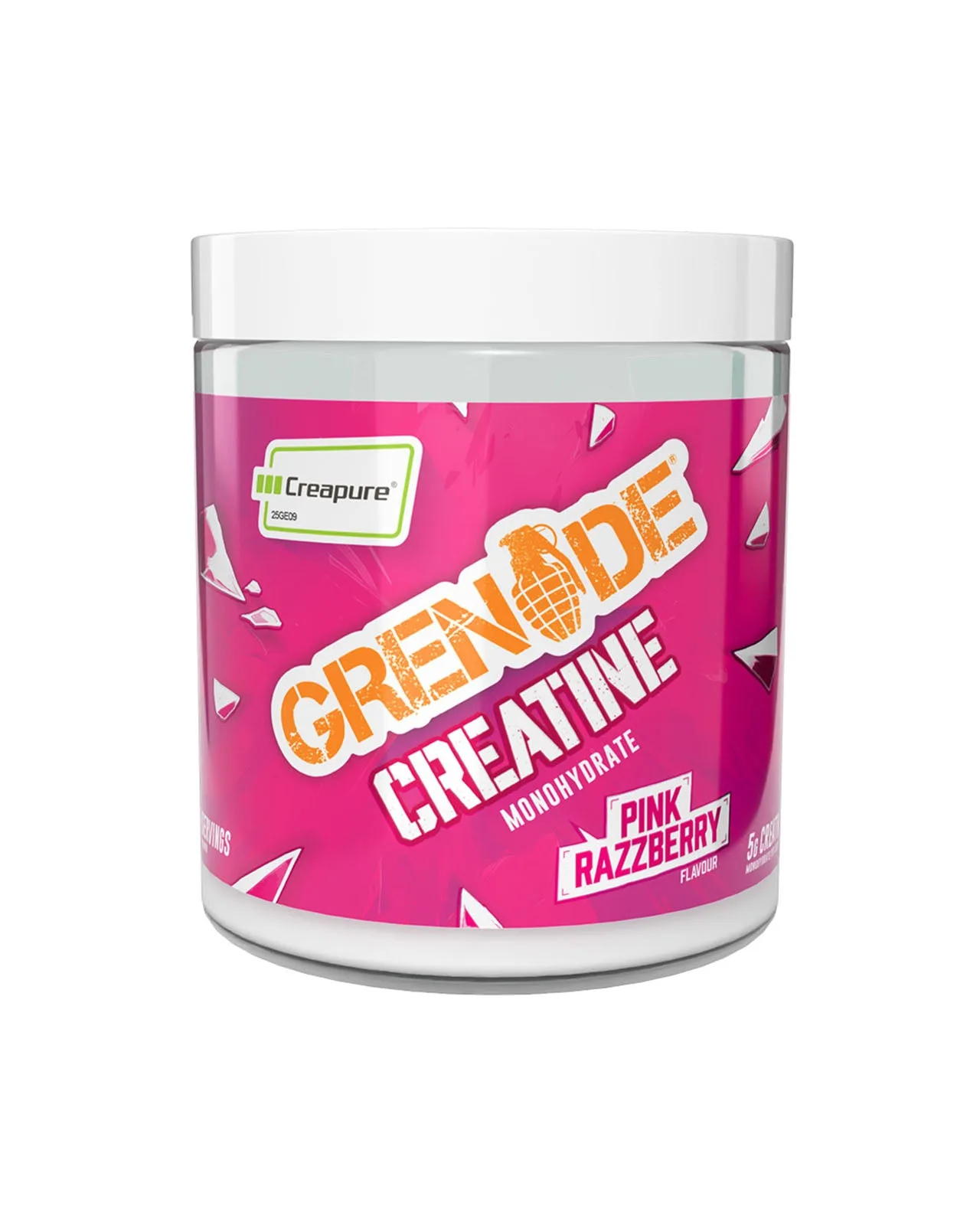
Creatine Monohydrate - Pink Razzberry
What Is Creatine Monohydrate and How Does It Work?
Creatine is a naturally occurring compound found in muscle cells, where it helps produce energy during high-intensity, short-duration activities like weightlifting and sprinting. Your body produces about one gram per day, and you also get it from foods like red meat and fish. Supplementing with creatine monohydrate increases your muscle stores, allowing you to perform more reps, lift heavier, and recover faster.
The benefits go beyond the gym. Research suggests creatine may support cognitive function, bone health, and even neurological protection. It is one of the few supplements with a near-universal recommendation from sports nutrition experts.
- Helps regenerate ATP, your body's primary energy currency
- Increases strength, power, and lean muscle mass
- May improve brain function and recovery
Optimal Creatine Dosage: How Much Should You Take?
The standard recommendation for creatine monohydrate is a loading phase of 20 grams per day (split into four 5-gram doses) for 5–7 days, followed by a maintenance dose of 3–5 grams daily. This saturates your muscles quickly, leading to faster results. However, skipping the loading phase and simply taking 3–5 grams per day will also work—it just takes about three to four weeks to reach full saturation.
For most people, 5 grams per day is the sweet spot. Taking more than this does not provide additional benefits and may cause digestive discomfort. Always stay hydrated, as creatine draws water into your muscles. Our Creatine Monohydrate - Pink Razzberry makes it easy to get your daily dose with a refreshing flavour that mixes perfectly with water or your favourite shake.
- Loading phase: 20g/day for 5–7 days (optional but effective)
- Maintenance phase: 3–5g/day thereafter
- No need to cycle off — long-term use is safe
When Is the Best Time to Take Creatine?
Timing can influence how well your body uses creatine, but consistency matters more than the exact minute you take it. The most researched and effective approach is to take creatine post-workout, alongside a carbohydrate or protein source. This boosts insulin levels, which helps shuttle creatine into muscle cells more efficiently.
If you train in a fasted state or prefer a simpler routine, taking creatine at any consistent time of day still yields benefits. Some people split their dose—half before and half after training—but this is not necessary. The key is to make it a daily habit. Pairing it with a protein-rich snack or a shake can further enhance absorption.
- Post-workout with a carb or protein source is ideal
- Consistency beats perfect timing
- Avoid taking with caffeine if you have a sensitive stomach
Common Creatine Myths—Debunked
Despite its proven track record, creatine is surrounded by misinformation. Let's clear up the most persistent myths. Myth 1: Creatine causes kidney damage. Decades of research show that creatine is safe for healthy individuals. Those with pre-existing kidney conditions should consult a doctor, but for most people, it poses no risk. Myth 2: Creatine makes you bulky and bloated. Creatine increases water retention inside muscle cells, making muscles look fuller—not puffy. This is a sign of improved hydration and performance, not unwanted fat gain.
Myth 3: You need to cycle creatine. There is no evidence that cycling is necessary. Your body naturally produces creatine, and long-term supplementation is well tolerated. Myth 4: All creatine is the same. While creatine monohydrate is the gold standard, purity and formulation matter. Look for micronised versions that mix easily and are free from fillers. Our Creatine Monohydrate - Pink Razzberry is micronised for smooth mixing and comes in a delicious flavour that makes your daily dose enjoyable.
- Safe for kidneys in healthy individuals
- Does not cause fat gain or 'puffy' bloat
- No need to cycle — take it daily
How to Incorporate Creatine Into Your Diet
Creatine is incredibly versatile and can be added to almost any beverage or food. Mix a scoop into your post-workout shake, morning coffee, or even oatmeal. For a tasty treat, blend it into a smoothie with a Cookies and Cream Protein Shake (8 Pack) 330ml for a double hit of protein and performance support.
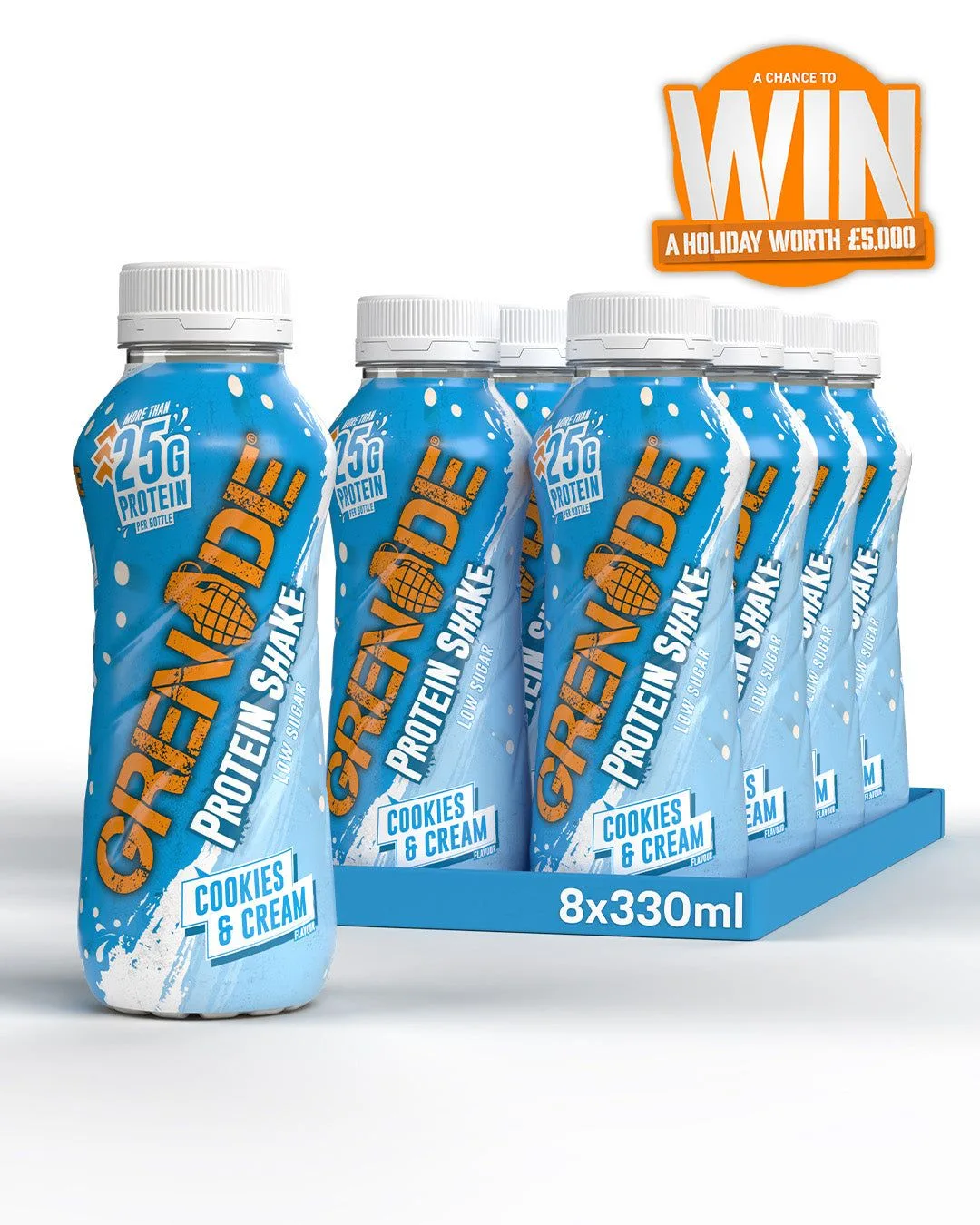
Cookies and Cream Protein Shake (8 Pack) 330ml
If you're on the go, pre-mix your creatine in a shaker bottle with water or juice and drink it within a few hours. Avoid leaving it mixed for too long, as it may lose potency. Consistency is key—set a daily reminder if needed.
- Mix with water, juice, or your favourite shake
- Add to oatmeal, yoghurt, or smoothies
- Use a shaker bottle for convenience
Creatine monohydrate is a safe, effective, and well-researched supplement that can elevate your training and overall health. By following the correct dosage, timing, and ignoring the myths, you'll unlock its full potential. Ready to start? Explore our Creatine Monohydrate - Pink Razzberry and fuel your gains with a delicious, high-quality option.