Quick answer
Most toy industry 2026 claims are marketing noise. The real changes are simpler: puzzle makers are using more recycled materials, age labels are getting more precise, and classic early learning toys are still the most reliable choice for babies and toddlers. Focus on materials, age fit, and play value, not on trend labels.
Every year, the toy world gets a fresh wave of predictions. In 2026, you will hear that everything is new: smart toys, eco-everything, and puzzles that teach coding. But when you look at what is actually on shelves, the story is much more grounded.
This article busts five common myths about toy industry 2026, puzzle trends 2026, and early learning toys 2026. Each verdict is based only on what brands like Clementoni actually put in their catalogs, not on speculation.
Myth 1: "Eco-friendly toys are just a label"
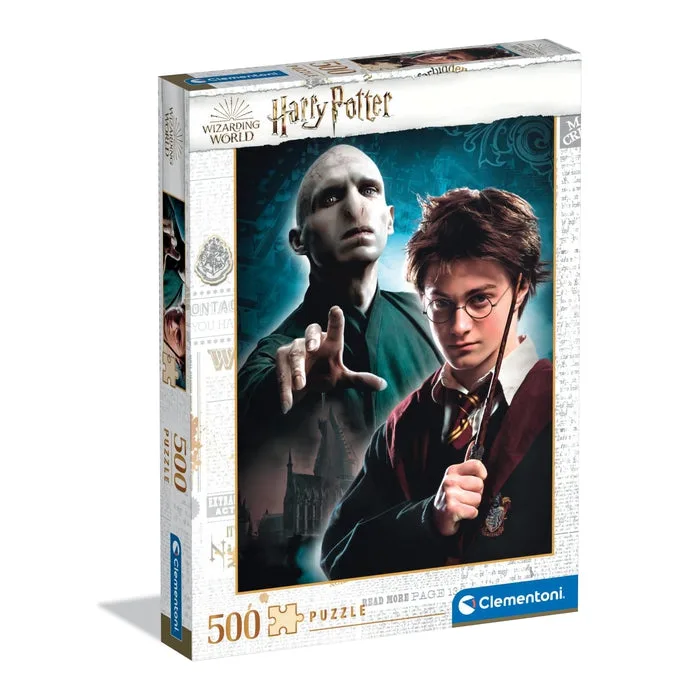
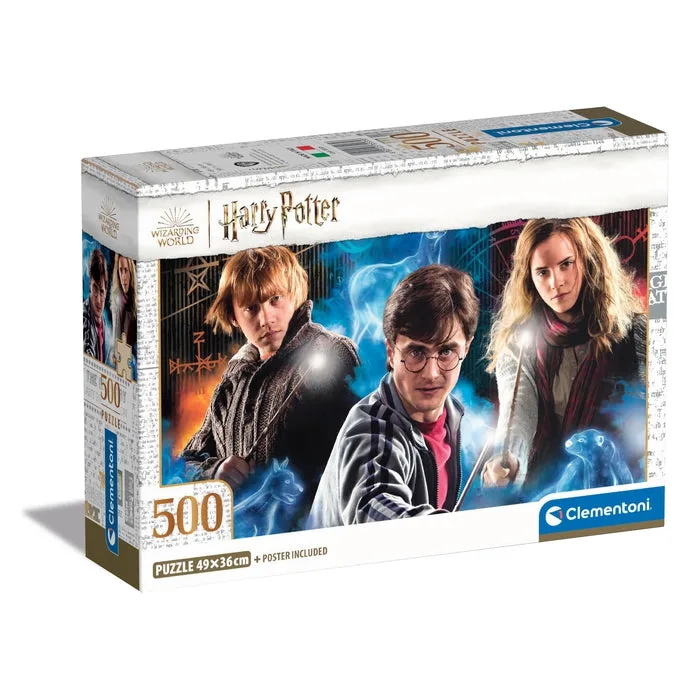
The claim: sustainability in toys is mostly greenwashing. The verdict: partly false. Clementoni has been using recycled materials for years, and it says so directly in its puzzle lines. For example, the https://clementonijgz.com/products/harry-potter-500-pezzi-3-a320aeb31ca9cde3908ef0d7-1565957https://clementonijgz.com/products/harry-potter-500-pezzi-4-1300c88f9d9f6e5a536fb88d-1566048Harry Potter - 500 pezzi puzzle is made with a large use of recycled materials, avoiding polluting components. That is a concrete production choice, not a vague promise.
Does that mean every toy is fully green? No. But when a brand states material choices on the box, you can use that as a real selection criterion. Look for explicit wording like "made with recycled materials" rather than generic eco icons.
- Check the product description for specific material claims, not just a leaf symbol.
- Recycled materials in puzzles do not affect piece fit or image quality when the brand is reputable.
Myth 2: "Puzzles are only for quiet solo play"
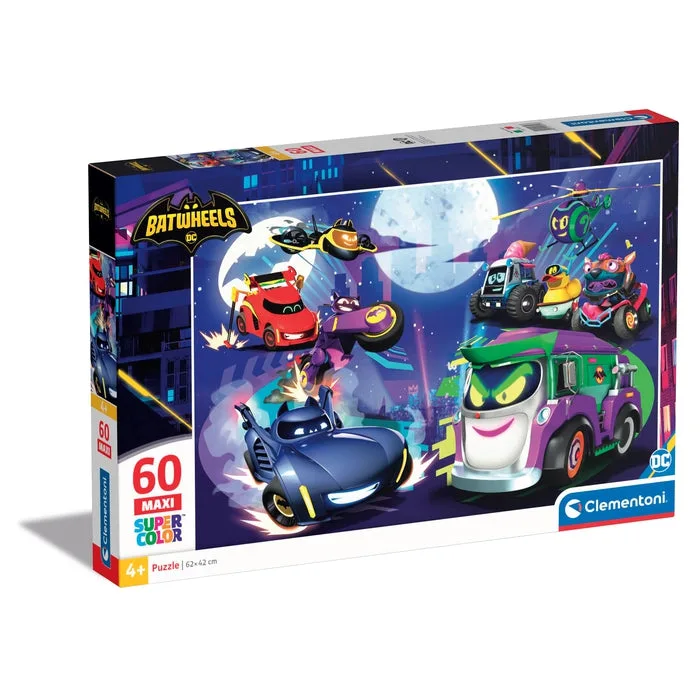
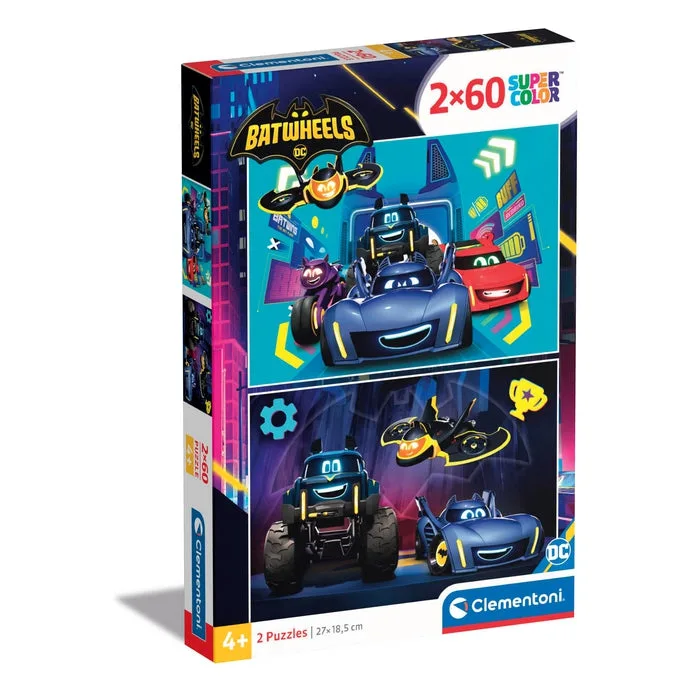
The claim: jigsaw puzzles are a solitary, silent activity. The verdict: false. Puzzle trends 2026 show more family and group puzzle formats, but the truth is puzzles have always been social if you want them to be. Clementoni's children's puzzles, like https://clementonijgz.com/products/batwheels-60-pezzi-2-83d9eed7e79c8cce47539c3c-1566437Batwheels - 60 pezzi, are explicitly designed for fun with friends and family. The box even says so: "per divertirsi tra amici e in famiglia."
For younger kids, puzzles build observation, logic, and manual skills while adults can join in. That makes them a flexible tool for togetherness, not isolation.
- Choose a piece count that lets everyone participate: 60 pieces for ages 4-6, 104 for ages 7-9.
- Use puzzle time as a screen-free family activity.
Myth 3: "Early learning toys need to be high-tech to be educational"
The claim: babies and toddlers need electronic toys to learn. The verdict: false. The most effective early learning toys 2026 are still simple, hands-on objects. The Shapes Sorter Bucket is a classic example: six shapes to insert and retrieve, a carry handle, and a lid locking system. It develops eye-hand coordination, cause-and-effect understanding, and manual dexterity. No batteries, no screens.
Similarly, My First Car is a ride-on with steering wheels and a squeaky horn. It stimulates curiosity, hearing, and cause-and-effect comprehension. These are foundational skills that electronic toys often skip.
- For ages 1-3, prioritize toys that require physical manipulation over buttons.
- Look for clear developmental benefits listed on the box, like coordination or cause-and-effect.
Myth 4: "Puzzle piece counts are just a number"
The claim: any puzzle with the same piece count is equally difficult. The verdict: false. Piece count matters, but so does image complexity and piece size. A 500-piece puzzle like Harry Potter - 500 pezzi (49 x 36 cm) is a different experience from a 1000-piece puzzle like BACK TO THE FUTURE - 1000 pezzi (70 x 50 cm). The larger format and higher count increase both time and difficulty.
For children, the KPOP DEMON HUNTERS - 104 pezzi puzzle is aimed at ages 7 to 9. That age guidance is more useful than the piece count alone, because it reflects both piece size and image complexity.
- Match the puzzle to the solver's age and patience, not just the piece count.
- For a first 1000-piece puzzle, choose an image with distinct color blocks to make sorting easier.
Myth 5: "Creative play trends change every year"
The claim: you need to buy new toys every year to keep up with creative play trends. The verdict: false. Creative play trends are mostly repackaging. The core activities—sorting, building, puzzling, pretending—stay the same because they match how children develop. What changes is the themes and licenses, like KPop Demon Hunters or Batwheels.
Instead of chasing trends, invest in toys that grow with your child. A shape sorter for a 1-year-old and a 104-piece puzzle for a 7-year-old are both timeless in function, even if the artwork is current.
- Buy for developmental stage, not for trend cycles.
- A well-made toy from a reputable brand will outlast any trend.
Verdicts on 2026 toy claims
- Eco-friendly toys are just a label: Clementoni uses recycled materials in puzzle lines like Harry Potter - 500 pezzi, and states it clearly. Verdict: Partly false. Look for specific material claims.
- Puzzles are only for solo play: Children's puzzles like Batwheels - 60 pezzi are designed for group fun and skill-building. Verdict: False. Puzzles can be social and family-oriented.
- Early learning needs high-tech toys: Simple toys like Shapes Sorter Bucket and My First Car build coordination and cause-and-effect without electronics. Verdict: False. Hands-on play is more effective for babies and toddlers.
Product facts behind these verdicts
- Shapes Sorter Bucket: Includes 6 different shapes to insert and retrieve, a carry handle, and a lid locking system. Develops eye-hand coordination, cause-and-effect understanding, and manual dexterity. A classic early learning toy that builds foundational skills without screens or batteries, and its portable design makes it easy to take anywhere.
- Batwheels - 60 pezzi: 60-piece children's puzzle, completed size 33.5 x 23.5 cm. Designed for fun with friends and family, with bright, engaging images. A good entry-level puzzle for young children that supports observation, logic, and manual skills while encouraging social play.
- Harry Potter - 500 pezzi: 500-piece adult puzzle, completed size 49 x 36 cm. Made in Italy with a large use of recycled materials, avoiding polluting components. Shows that eco-friendly production is already a reality in mainstream puzzles, and the 500-piece count offers a moderate challenge for adults.
- KPOP DEMON HUNTERS - 104 pezzi: 104-piece children's puzzle, suggested age range 7 to 9 years. The age guidance is more useful than piece count alone, helping parents choose a puzzle that matches their child's developmental stage.
The toy industry 2026 is not a revolution; it is a refinement. The best choices for your family are still based on age fit, materials, and play value. Use the myths above as a filter, and you will spend less on hype and more on toys that actually help children learn and grow.